
Catastrophic Injury Claims
How Long Does a Catastrophic Injury Claim Take in Virginia?
Understanding the timeline for serious injury cases—from investigation through settlement or trial.
Published October 05, 2026
Catastrophic injury claims in Virginia typically take anywhere from several months to three years or more, depending on the severity of your injury, the clarity of liability, and whether your case settles or goes to trial. There’s no fixed timeline because every catastrophic injury—whether a traumatic brain injury, spinal cord injury, or other life-altering harm—involves different medical complexity, different defendants, and different insurance dynamics.
Understanding the phases of a catastrophic injury claim helps you set realistic expectations and make informed decisions about your case. Here’s what actually happens, and why it takes time.
Why Catastrophic Injury Claims Take Time
Catastrophic injuries demand thorough investigation and documentation before a claim can be fairly valued. Unlike a minor fender-bender, a serious brain or spinal cord injury involves ongoing medical treatment, long-term prognosis questions, and profound impacts on your ability to work and live independently.
Insurance companies and defendants rarely settle quickly on catastrophic claims. They know that the stakes are high, because a catastrophic injury can affect medical care, income, and daily life. That’s why they take time to investigate, dispute liability, and challenge damage estimates. You shouldn’t rush either. Settling too early on a catastrophic injury can mean resolving the claim before the full scope of your needs is known, since those needs may not be clear in the first few months after your injury.
Many people facing months of recovery also face uncertainty about how long their claim will take.

The Investigation Phase
The investigation phase typically spans weeks to several months, depending on how complex the accident was.
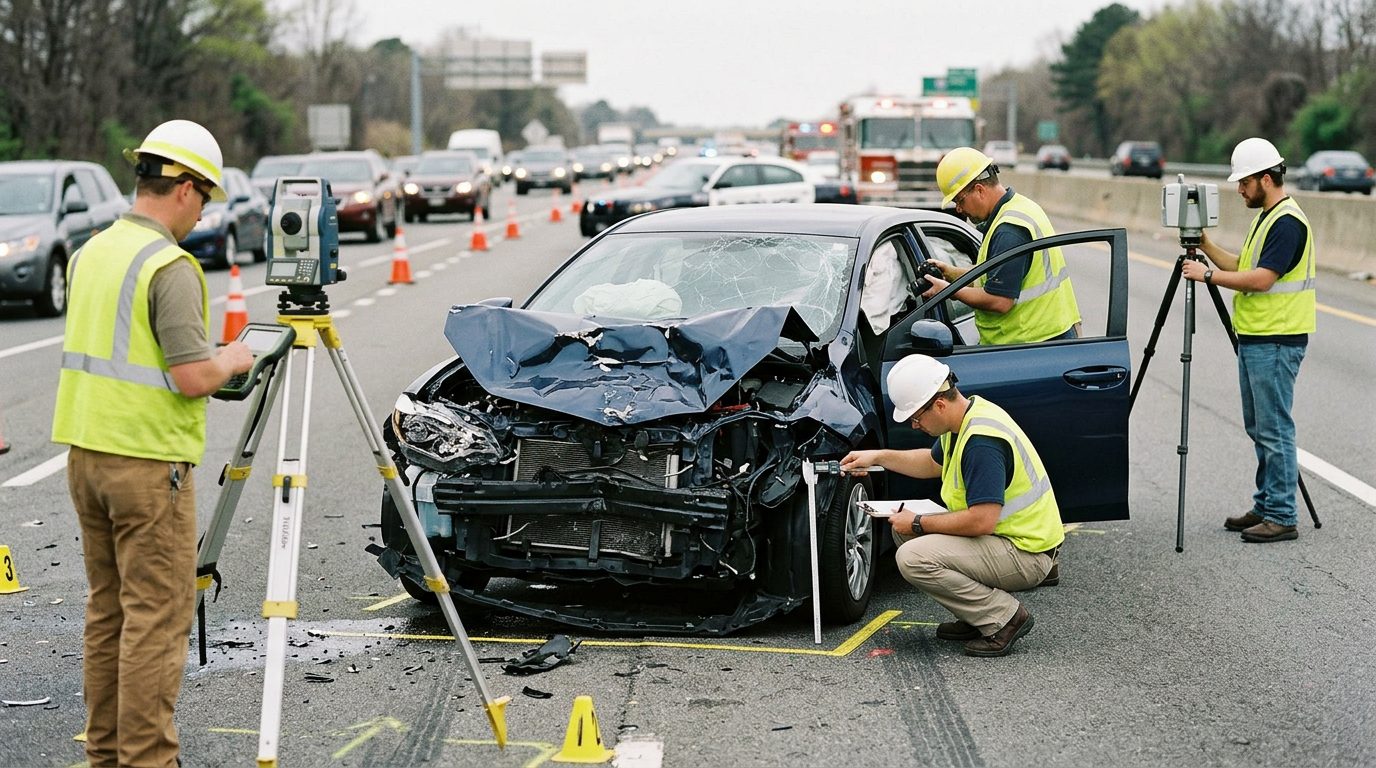
During this phase, your legal team gathers police reports, witness statements, and evidence from the accident scene. If a commercial truck was involved, investigators pull the truck’s maintenance records, driver logs, and safety compliance history. For car accidents, you’re collecting similar evidence: photos, video, witness names and contact information, and any traffic citations issued.
Simultaneously, your medical records are being obtained and reviewed. This includes emergency room reports, imaging studies (CT scans, MRIs), surgical records if applicable, and initial diagnoses. Your medical team begins to establish the baseline severity of your injury and starts forming opinions about long-term prognosis.
For catastrophic injuries like traumatic brain injury or spinal cord injury, this phase often involves consulting with medical specialists—neurologists, neurosurgeons, physiatrists, or other experts—to understand what your injury means for your future. These consultations take time because doctors need to see your medical records, sometimes examine you, and form reasoned opinions about your long-term outlook.
You’re also gathering employment records, tax returns, and documentation of your income before the injury. If you have family care responsibilities, those are being documented too. All of this foundational work typically takes weeks to several months.
Building Your Claim
Once the investigation is underway, the work of building your full claim begins—and this phase often takes several months to over a year.
Your legal team is now compiling all medical treatment records and calculating both past medical expenses and projected future medical costs. For a catastrophic injury, the future care you may need can include years of rehabilitation, ongoing therapy, home modifications, assistive devices, and long-term care. These aren’t guesses; they’re based on medical opinions and documented care plans.
Lost wages are calculated: what you earned before the injury, and what you’ve lost since. For catastrophic injuries, this often extends to reduced earning capacity—the difference between what you could have earned over your working lifetime and what you can realistically earn now, given your disability.
Your own testimony, family statements, and sometimes psychological or vocational evaluations can help show how the injury has affected your daily life.
Your legal team is also obtaining expert opinions on liability (who was at fault) and causation (did the defendant’s conduct cause your injury). For truck accidents, this might involve accident reconstruction experts or trucking safety experts. For car accidents, it might involve biomechanical experts or other specialists.
All of this work—gathering, reviewing, calculating, consulting—takes substantial time. A thorough claim can’t be rushed.
Negotiation and Settlement Discussions
Once your claim is built, it’s presented to the insurance company or defendant with a demand for settlement. This is where negotiation begins—and it can last weeks, months, or longer.
Insurance companies often delay or undervalue serious claims. They may dispute liability, question the medical opinions, challenge your damage calculations, or simply drag out the process hoping you’ll accept less. Back-and-forth negotiation over liability and damages is normal. A settlement can occur at any stage if both sides reach agreement, but there’s no way to predict how long that will take.
Some catastrophic injury cases settle relatively quickly if liability is clear and the insurance company is willing to negotiate in good faith. Others drag on for many months because the parties are far apart on value or because the defendant contests liability.
Litigation (If Settlement Is Not Reached)
If settlement negotiations don’t succeed, your case moves to litigation—and this adds significant time.
Filing a lawsuit in Virginia state or federal court formally begins the litigation process. Then comes discovery: both sides exchange documents (medical records, business records, communications, expert reports) and take depositions (recorded question-and-answer sessions with parties and witnesses). Discovery alone can take six months to over a year in a complex catastrophic injury case.
After discovery, there’s motion practice—written arguments about what evidence is admissible, what claims survive, and other legal issues. Pre-trial conferences with the judge may occur. Trial preparation happens in parallel: your legal team prepares witnesses, refines arguments, and readies evidence for trial.
If your case goes to trial, that adds weeks or months of courtroom proceedings. A complex catastrophic injury trial can last days or weeks.
From the time a lawsuit is filed to final resolution (whether by trial verdict or last-minute settlement), the timeline is typically one to three years or more. Some cases resolve faster; others take longer.
Factors That Affect How Long Your Case Takes
Several factors influence whether your case moves quickly or slowly:
Severity and complexity of the injury. A straightforward broken arm resolves faster than a traumatic brain injury with ongoing cognitive and physical effects. Catastrophic injuries require more medical documentation and expert consultation.
Clarity of liability. If it’s obvious who was at fault—for example, a drunk driver hit you—the case may move faster. If liability is disputed or multiple parties share fault, it takes longer.
Number of parties involved. A two-car accident is simpler than a multi-vehicle pile-up or a crash involving a commercial truck, its driver, the trucking company, and the truck manufacturer.
Insurance policy limits and coverage disputes. If the at-fault party’s insurance limits are low, or if there’s a dispute about which insurance policy applies, that complicates and delays resolution.
Willingness of both sides to negotiate. If the defendant or their insurance company is willing to engage seriously, settlement may come sooner. If they’re combative or dismissive, the case may need to go further.
Court schedules and case backlogs. Virginia courts have varying caseloads. Some courts move cases faster than others.
Whether expert testimony is needed. Catastrophic injury cases almost always require experts. Retaining, consulting with, and preparing expert testimony takes time.
Your own medical recovery and stability. Doctors often want to see how you recover and stabilize before finalizing a long-term prognosis. Settling before your condition has stabilized can undervalue your claim.
Not sure what your next step is?
Talk it through with our team — the first case evaluation is free, confidential, and carries no obligation.
Why You Shouldn’t Rush
The biggest mistake injured people make in catastrophic injury cases is settling too quickly.
Catastrophic injuries often have ongoing or future medical costs that aren’t fully known in the first few months. A spinal cord injury might require years of rehabilitation, home modifications, and long-term care. A traumatic brain injury might involve cognitive therapy, vocational rehabilitation, and ongoing monitoring for complications. These costs add up.
Disability and reduced earning capacity may not be fully clear early on. You might not know whether you can return to work, or in what capacity, until months into recovery. Settling before you know your long-term work prospects means resolving the claim before you know how your ability to work will turn out.
A thorough claim takes time to value fairly.
What You Can Do Now
While your case is being investigated and built, you can take steps to strengthen it:
Keep detailed records of all medical visits, treatments, prescriptions, and expenses. Write down dates, providers, and what was done or prescribed.
Document how the injury affects your daily life and work. Keep a journal of your symptoms, limitations, pain levels, and how your injury impacts your ability to do things you could do before.
Preserve evidence. Take photos and videos of the accident scene, your injuries, and any property damage. Get contact information from witnesses while you remember them.
Avoid posting about your injury or case on social media. Insurance companies and defense lawyers monitor social media. Anything you post can be used against you.
Talk to a lawyer early. The sooner you consult with a lawyer who handles catastrophic injuries, the sooner the investigation and claim-building process begins.

Frequently Asked Questions
Can a catastrophic injury case be settled quickly?
Yes, some cases settle quickly if liability is clear and the insurance company is willing to negotiate. But rushing to settle a catastrophic injury claim often means accepting less than it’s worth. The timeline depends on the specific facts of your case.
What’s the difference between settlement and litigation?
Settlement is a negotiated agreement between you and the defendant (or their insurance company) to resolve the case. Litigation is a lawsuit filed in court. If settlement doesn’t work, litigation can add one to three years or more to your case.
Do I have to go to trial?
No. Most cases settle before trial. But if settlement negotiations fail, litigation may be necessary—and that includes the possibility of trial.
Is there a deadline to file a catastrophic injury lawsuit in Virginia?
Yes. Talk to a lawyer about your specific situation.
Related practice areas
- How Long Does a TBI Settlement Take in Virginia?