
Catastrophic Injuries
Catastrophic Injuries in Richmond: Understanding Your Rights
A catastrophic injury changes everything—your ability to work, care for yourself, and plan for the future. If you or a loved one has suffered a severe, permanent injury in Richmond or Henrico County, you need a law firm that understands the stakes and will fight for fair compensation.
Published October 02, 2026
Catastrophic Injuries in Richmond: What Qualifies & Your Rights
A catastrophic injury is one that causes permanent, severe impairment—changing your ability to work, care for yourself, and live independently. These injuries go far beyond a broken bone or a wound that heals. They reshape your life, your family’s future, and your financial security. If you or someone you love has suffered such an injury in Richmond or Henrico County, understanding what qualifies as catastrophic—and what legal help can mean—is an important first step.

Not sure what your next step is?
Talk it through with our team — the first case evaluation is free, confidential, and carries no obligation.
What Qualifies as a Catastrophic Injury?
Catastrophic injuries are defined by three core traits: severity, permanence, and life-altering impact. They cause damage so serious that recovery is incomplete or impossible, and they fundamentally change how you live every day.
Unlike a serious but recoverable injury—a broken leg that heals, or a laceration that scars—a catastrophic injury leaves lasting effects. You may lose the ability to work in your field. You may need lifelong medical care, assistive equipment, or personal assistance. You may experience chronic pain, cognitive changes, or loss of independence. The injury doesn’t just heal; it becomes part of your permanent reality.
Why this classification matters is straightforward: catastrophic injury cases involve much larger damages. They require thorough documentation of not just immediate medical costs, but the full scope of a lifetime of care, lost earning potential, and diminished quality of life. Insurance companies know this, and they often try to minimize what they offer. Understanding whether your injury qualifies as catastrophic helps you recognize the true value of your claim.
Examples of Catastrophic Injuries
Catastrophic injuries take many forms. Here are some of the most common types:
Traumatic Brain Injury (TBI): A blow or jolt to the head can cause loss of consciousness, cognitive impairment, memory loss, personality changes, and mobility problems. Some people recover partially; others face lifelong cognitive or physical disability. The National Institute of Neurological Disorders and Stroke notes that TBI can result in long-term changes in thinking, sensation, language, and emotion.
Spinal Cord Injury: Damage to the spinal cord can cause partial or complete paralysis, loss of sensation below the injury site, chronic pain, and loss of bladder or bowel control. These injuries often require lifelong medical management, assistive equipment, and personal care.
Severe Burns: Burns affecting a large percentage of the body surface area can cause permanent scarring, loss of function, chronic pain, and psychological trauma. Recovery is prolonged and often incomplete.
Amputation or Permanent Loss of Limb Function: Loss of a limb—or permanent loss of use due to nerve damage or crushing injury—changes mobility, independence, and earning capacity forever.
Severe Crush Injuries: Crushing trauma can damage multiple organ systems, cause compartment syndrome, and result in permanent disability or organ failure.
Organ Damage: Severe injury to the heart, lungs, liver, or kidneys may require lifelong medication, dialysis, transplant, or ongoing specialist care.
Blindness or Permanent Vision Loss: Loss of sight dramatically affects independence, employment, and daily functioning.
Each of these injuries typically requires ongoing medical care, rehabilitation, assistive equipment, and lifestyle adaptation. They are not conditions that resolve with time and rest.
How Catastrophic Injuries Happen in Richmond
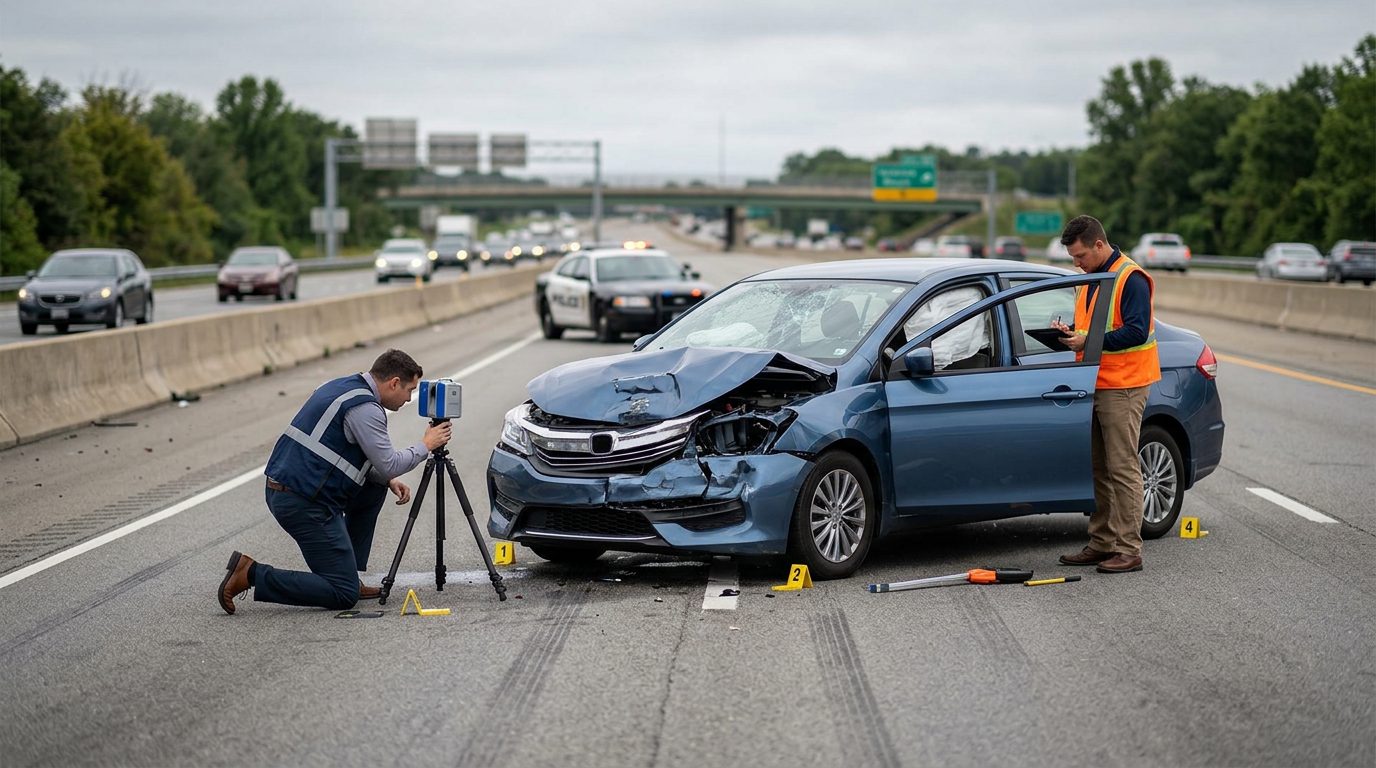
Richmond-area residents face specific accident risks. High-speed collisions on I-95, I-64, and local highways can generate the force needed to cause catastrophic injury. Multi-vehicle pileups, especially during rush hour or in poor weather, create conditions for severe trauma. Commercial truck accidents—involving tractor-trailers carrying heavy loads—pose particular danger because of the weight and force involved.
Intersection collisions at high speed, especially when a vehicle is struck broadside, can cause the kind of blunt-force trauma that leads to catastrophic injury. Workplace incidents, falls from height, and machinery accidents also cause severe, permanent injuries.
The point is this: catastrophic injuries don’t happen by chance. They result from high-impact events—accidents with significant force, speed, or violence. Understanding how your injury occurred is the first step in building a legal claim, because it helps establish negligence and liability.
Have questions about what happened?
Ask our team directly. The first conversation is free, confidential, and there is no obligation to continue.
The Lifetime Costs of a Catastrophic Injury
When people think about injury costs, they often think only of the emergency room bill or the hospital stay. But catastrophic injuries cost far more over a lifetime.
Immediate costs include emergency care, surgery, intensive care, and hospitalization.
Ongoing treatment includes rehabilitation therapy, specialist appointments, medications, imaging, and monitoring. For someone with a spinal cord injury or traumatic brain injury, this can mean decades of regular medical care.
Home modifications and assistive equipment are often necessary: wheelchair ramps, accessible bathrooms, hospital beds, mobility aids, communication devices, and specialized software. These modifications can cost tens of thousands of dollars.
Lost wages and reduced earning capacity may be the largest category of damage. If your injury prevents you from returning to your job, or limits you to part-time or lower-wage work, you lose not just this year’s income but decades of future earnings.
Long-term personal care may include in-home nursing, physical therapy, attendant care, or assisted living. For someone with severe paralysis or cognitive impairment, this can cost $50,000 to $100,000 or more per year.
Psychological and emotional support includes counseling, mental health treatment, and family therapy—addressing the emotional toll of permanent disability.
When you add these up over a lifetime—30, 40, or 50 years—the true cost of a catastrophic injury becomes clear. This is why calculating damages in these cases requires more than a simple medical bill; it requires understanding the full scope of your future needs.
Building a Strong Catastrophic Injury Case in Richmond
A strong catastrophic injury case rests on clear evidence of three things: what happened, who was at fault, and how severe the harm is.
Documentation of the accident includes police reports, witness statements, photographs of the scene and vehicle damage, and accident reconstruction if necessary. This evidence establishes what happened and why.
Evidence of liability and negligence shows that someone else’s careless or reckless conduct caused the accident. In Virginia, Va. Code § 8.01-243 generally requires that a personal-injury lawsuit be filed within two years after the cause of action accrues, unless otherwise provided by statute, and some claims carry notice requirements that run out sooner. This rule makes proving the other party’s negligence crucial.
Medical records and expert testimony document the severity of your injury, your prognosis, and your ongoing treatment needs. Doctors, neurologists, physiatrists, and rehabilitation specialists can explain the permanent nature of your condition and what future care will cost.
Documentation of damages includes medical bills, wage records, receipts for equipment and home modifications, and expert economic analysis of future earning loss and lifetime care costs.
Insurance companies often undervalue catastrophic injury claims because they hope injured people don’t understand the true scope of their damages or don’t have the resources to fight back. Legal representation helps ensure your case reflects the real, long-term impact of your injury.
Compensation Available in a Catastrophic Injury Case
Virginia law allows recovery for several categories of damages in personal-injury cases:
- Medical expenses: past and future, including emergency care, surgery, rehabilitation, specialist treatment, medications, and equipment.
- Lost income: wages lost from time away from work during recovery and ongoing treatment.
- Diminished earning capacity: the reduction in your ability to earn income over your lifetime due to the injury.
- Pain and suffering: compensation for physical pain, emotional distress, and the burden of living with a permanent disability.
- Loss of enjoyment of life: compensation for the loss of activities, hobbies, relationships, and independence you once had.
- Costs of care and assistance: in-home nursing, attendant care, personal assistance, and other support services.
Catastrophic injury cases often involve substantial claims because the damages are real, documented, and often span decades. The goal is to ensure that compensation reflects the true cost of your injury and supports your long-term care and quality of life.
How Legal Representation Helps After a Catastrophic Injury
When you’re dealing with a catastrophic injury, the last thing you need is to navigate the legal system alone while also managing medical appointments, rehabilitation, and family stress.
A lawyer who handles catastrophic injury cases can:
- Investigate the accident thoroughly, gathering evidence, interviewing witnesses, and working with accident reconstruction experts if needed.
- Work with medical and economic experts to document the severity of your injury, your prognosis, your lifetime care needs, and your lost earning capacity.
- Handle communication with insurance companies and their adjusters, protecting you from pressure to settle too quickly or for too little.
- Build a thorough case that reflects the true scope of your harm, not just what the insurance company wants to pay.
- Prepare for trial if necessary, so you have the option to let a jury decide if settlement negotiations stall.
- Explain your options at every step, so you understand what’s happening and what your choices are.
In the catastrophic-injury cases our firm handles, we work closely with clients and their families to understand not just the medical facts but the human reality—how the injury has changed your life, what you’ve lost, and what you need to move forward.

Want to know where you stand?
Tell us what happened and our team will walk you through the options available to you, at no cost.
Why You May Wish to Reach Out to Correll Law Firm
Correll Law Firm represents people in Richmond and Henrico County in catastrophic injury cases. We understand the specific challenges these cases present.
We work with medical and economic experts to build thorough, well-documented cases. We handle the legal process so you can focus on recovery and family. And we serve the entire Shenandoah Valley and beyond from our offices in Winchester and Harrisonburg, so you can reach us regardless of where you live.
If a serious accident has left you or a family member permanently changed—unable to work, needing ongoing care, or facing a lifetime of medical treatment—you may have a right to compensation. Schedule a free case evaluation to discuss what happened, what your injury means, and how we can help.
Why Correll Law Firm for Your Catastrophic Injury Case
Focused on Serious Injuries
We focus exclusively on catastrophic and severe injuries—traumatic brain injuries, spinal cord injuries, and the life-altering consequences that follow. We understand the medical, financial, and personal weight of these cases.
Serving Richmond and Henrico County
With offices in Winchester and Harrisonburg, we serve injured people throughout the Shenandoah Valley and beyond, including Richmond and Henrico County.
Compassionate Representation
We listen to your story and treat your case with the care and attention it deserves. Your recovery and your family's future matter to us.
No Fees Unless There Is a Recovery
No attorney’s fee unless we win. Clients may remain responsible for costs accrued in the case.
Types of Catastrophic Injuries We Handle
Traumatic Brain Injury
Severe head trauma can cause lasting cognitive, physical, and emotional changes. We help families navigate the long-term care and support their loved ones need.
Spinal Cord Injury
Paralysis or partial loss of function from a spinal injury demands comprehensive legal support to address medical costs, accessibility, and quality-of-life needs.
Severe Burn, Crush, or Amputation Injuries
Life-altering injuries that require ongoing medical care, rehabilitation, and adaptation deserve representation focused on your full recovery and future security.
Wrongful Death
When a fatal crash or injury takes a loved one, we help families pursue accountability and the compensation that honors their memory and supports those left behind.
Time Matters
If you or a loved one has suffered a catastrophic injury from a car crash, truck accident, or commercial vehicle collision, the sooner you reach out, the sooner we can begin gathering evidence and building your case.
Ready to Discuss Your Case?
Related practice areas
- Catastrophic Injury Lawyer in Virginia | Correll Law Firm
- Traumatic Brain Injury Shenandoah Valley | Legal Help