
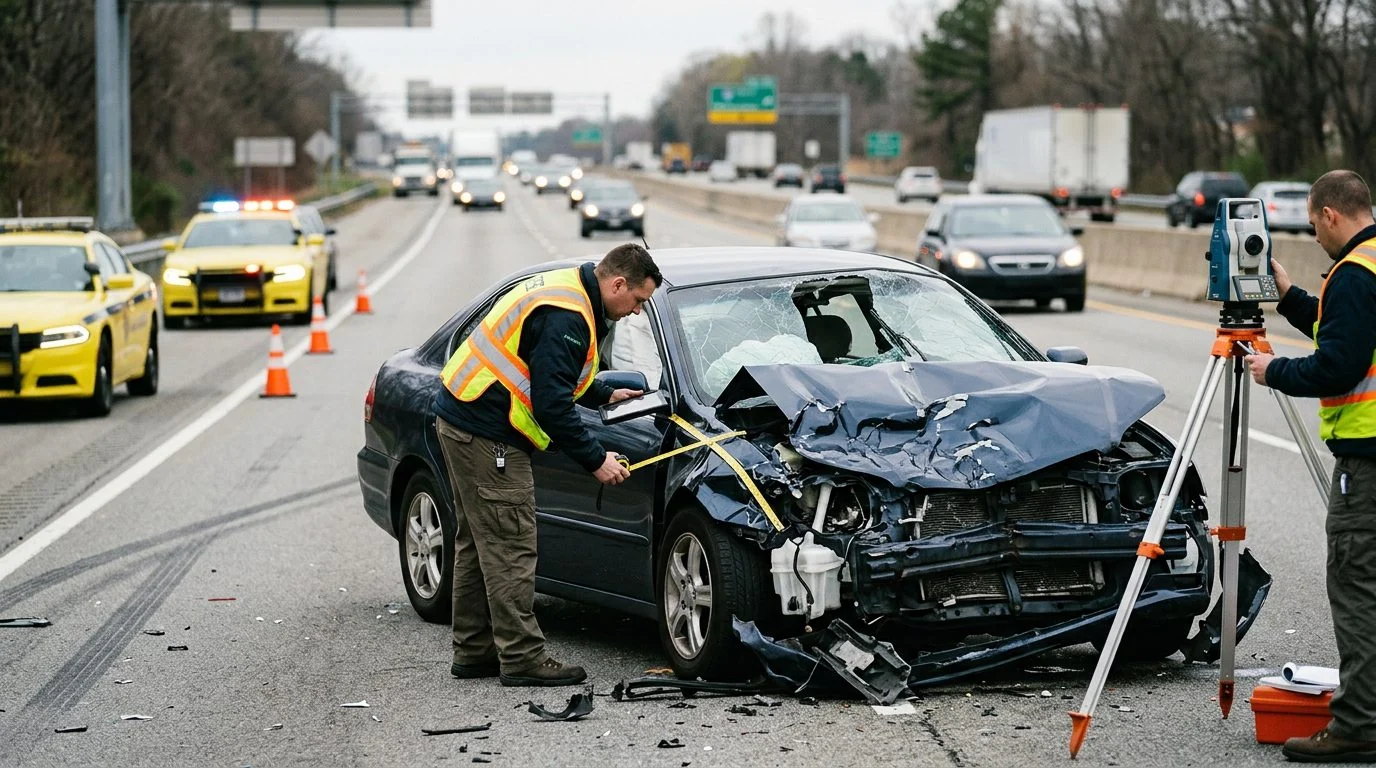
Virginia Crash Injury Guide
Seriously Hurt in a Crash? A Plain-Language Guide to Catastrophic Injury Claims in Virginia
For people injured in car and truck crashes, and for families facing a wrongful death, from the Shenandoah Valley to Richmond and Henrico County.
Published October 28, 2026
A catastrophic injury is a serious injury that causes long-lasting loss of physical or mental function, independence, or the ability to work. A catastrophic injury lawyer handles claims where that kind of harm follows a crash caused by someone else.
This guide explains what the term means, how crashes cause these injuries, and which Virginia rules may shape a claim. It is written for people hurt in car and truck crashes and for the families who care for them.
What Counts as a Catastrophic Injury
A catastrophic injury is one whose effects last well beyond the first days or weeks after a crash. The harm may be permanent, or it may last long enough to change how a person lives, works, and cares for family.
The label does not come from the crash alone. Two people in the same collision can end up with very different medical outcomes. What matters is the injury itself and how it affects daily life over time, including walking, thinking, working, driving, and living alone.
That is why medical records carry so much weight. Imaging reports, surgical notes, rehabilitation reports, and follow-up visits show how serious the injury is and whether its effects are lasting. A crash scene can suggest a serious injury, but the medical picture decides how the injury is described.
Many people first hear the term from a doctor, a nurse, or a bill. It is a description, not a verdict. It tells you the injury needs careful medical follow-up and careful legal review.
If you or a family member was seriously hurt in a crash, you don't have to sort out these questions alone. The firm is ready to talk through your situation. Talk it through with Correll Law Firm — we can walk you through how a situation like yours is usually handled and what your options are.
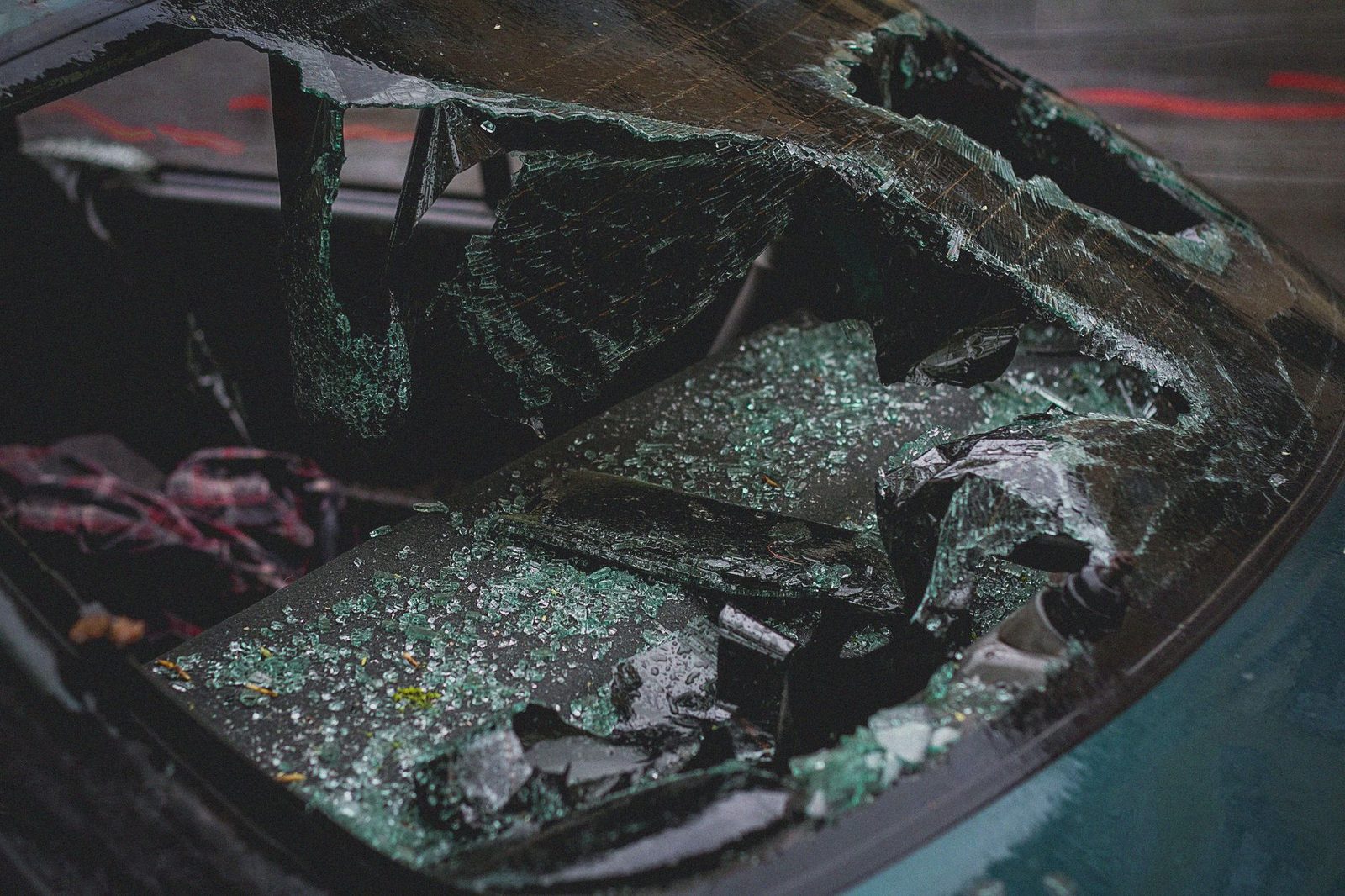
Common Catastrophic Injuries After Car and Truck Crashes
Traumatic brain injury and spinal cord injury are among the most serious injuries after a crash. Severe fractures, amputations, and internal organ injuries can also reach the catastrophic level, and some require several surgeries over time.
A traumatic brain injury can affect memory, mood, speech, attention, and the ability to handle everyday tasks. Some changes are hard to see on a scan, which is one reason the early medical record matters. The Model Systems Knowledge Translation Center notes that people with TBI may receive rehabilitation across emergency, acute and post-acute stages.
A spinal cord injury can affect movement and feeling below the point of injury. How much function is lost depends on where along the spine the injury happens and how severe the damage is. Recovery varies from person to person, so doctors often track progress over many months.
Crash forces matter too. A large truck weighs far more than a passenger car. In a collision, that difference can transfer much more force into the people and vehicles involved. That is one reason truck crashes can cause injuries that are hard to recover from.
How Car and Commercial Truck Crashes Cause Catastrophic Harm
Most catastrophic crash injuries come from a few kinds of impact. High-speed collisions, rollovers, underride crashes where a car slides under a truck’s trailer, jackknife events, and ejections from a vehicle are common examples. Ejection is especially dangerous, because a person thrown from a vehicle has little protection from the impact.
Commercial vehicle crashes often involve more than one party. The driver, the trucking company, a broker who arranged the load, and contractors who loaded or maintained the truck may all have roles.
Records matter in these cases. Federal rules require motor carriers to have drivers record duty status, and 49 C.F.R. § 395.8 says no driver or motor carrier may make a false report in connection with a duty status or tamper with an electronic logging device so it does not accurately record data.
Driver logs, electronic device data, dashcam footage, and the crash scene can help show how the crash happened. Those details can matter as much as the medical file.
Why Catastrophic Injury Cases Take Longer to Develop
Catastrophic injury cases usually take longer because the full extent of the harm is often unclear for months. A brain or spinal injury may show more of its effects as healing and rehabilitation continue, not on the day of the crash.
Treatment often continues for a long time. Therapy, follow-up surgery, medication changes, and rehabilitation all leave records. Changes at home and at work matter too. A person may need help with tasks that were once routine, or may have to cut hours or change jobs.
These changes need to be documented over time. Treating doctors, therapists, and outside medical reviewers may be asked to explain the injury and its long-term effects. Their opinions tend to carry more weight when they rest on complete, dated records.
Early records help the most. Keep every bill, report, and appointment note from the first day. Gaps in treatment can make it harder to explain later how the injury changed daily life, so attend the follow-up visits your doctors recommend.
Virginia Rules That Shape Catastrophic Injury Claims
Virginia generally allows two years from the date of injury to file a personal injury lawsuit (Va. Code § 8.01-243(A)); the clock runs from the date of injury, not the date of discovery, with narrow exceptions.
Some claims carry notice requirements that run out sooner. A claim against a county, city, or town for negligence, for example, needs a written statement filed within six months after the claim accrues, or the claim may be barred unless a narrow exception applies (Va. Code § 15.2-209). Va. Code § 15.2-209 reads: “Every claim cognizable against any county, city, or town for negligence shall be forever barred unless the claimant or his agent, attorney, or representative has filed a written statement of the nature of the claim, which includes the time and place at which the injury is alleged to have occurred, within six months after such cause of action accrued.”
Crash reporting is a separate duty. Virginia requires a driver involved in a crash with injury or death to stop and report it to police immediately (Va. Code §§ 46.2-371, 46.2-894).
That two-year period is the deadline to file a lawsuit, not the deadline to report a crash (Va. Code § 8.01-243). A police report also becomes an early written record of what happened, so ask for a copy once it is available.
When the Other Side Blames the Injured Person
An injured person’s own fault can affect whether a Virginia claim succeeds. Virginia follows contributory negligence: if you are found even partly at fault, you may be barred from recovering, with limited exceptions. Talk to a lawyer about your facts.
Insurers and defendants often raise fault questions early. What you say at the scene, in writing, and to an insurance company can matter, so accuracy counts more than speed. Stick to what you saw and felt, and avoid guessing about details you do not know.
Evidence can answer fault questions. Useful items include photos of the vehicles and the scene, names and contact information for witnesses, dashcam video, and vehicle data such as event recorder information. Write down what you remember soon after the crash, while details are fresh.
Not sure what your next step is?
Talk it through with Correll Law Firm — we can walk you through how a situation like yours is usually handled and what your options are.
Wrongful Death After a Catastrophic Injury
When a catastrophic injury leads to death, the family’s legal options change. A Virginia wrongful death action is filed by the decedent’s personal representative within two years of the death (Va. Code §§ 8.01-50(C), 8.01-244(B)), on behalf of the family members the statute protects.
Any damages recovered are distributed under the article; the personal representative brings the action for family members, except for fetal death, where the natural mother brings it or, if she dies or is under a disability as defined in § 8.01-2, her administrator, guardian, or qualified personal representative may bring it.
Virginia wrongful death damages cover the family’s sorrow, mental anguish and loss of the decedent’s companionship, guidance and care; lost income and services; medical expenses from the injury; funeral expenses; and, for willful or wanton conduct, punitive damages (Va. Code § 8.01-52).
Families often face these deadlines while still grieving and managing medical bills. A lawyer can explain how these rules apply to a particular family’s facts.
Punitive Damages in Virginia Catastrophic Injury Cases
Virginia allows punitive damages for actual malice, or for willful or wanton conduct or recklessness showing a conscious disregard for the safety of others, capped at $350,000 (Va. Code § 8.01-38.1).
Where the Firm Works With Injured Virginians
Correll Law Firm has offices in Winchester and Harrisonburg. The firm serves people from across the Shenandoah Valley, Richmond, and Henrico County.
The firm handles car accidents, truck accidents, commercial vehicle accidents, catastrophic injuries, traumatic brain injury, spinal cord injury, and wrongful death claims. These matters share a common thread: serious harm that changes a family’s life.
A crash can happen far from where a person lives, and the injured person may still have many questions about the case. Injuries like these affect a whole household. Spouses, children, and parents often take on new roles at home, and those changes belong in the record.
The firm works from what medical records, police reports, and crash evidence show, and it explains the rules that apply to each claim.

Keeping Records That Help a Catastrophic Injury Claim
Good records are one of the most useful things an injured person can keep. Start early and keep everything in one place, such as a binder or a folder on a phone or computer.
Keep every medical bill, discharge summary, imaging report, and therapy note. Keep a dated journal of symptoms, limits, and tasks that have become harder, since some effects do not show on scans. Save letters from employers, pay records, and any changes to schedules or duties.
Keep photos, vehicle information, and all insurance letters. Don’t throw anything away before the case has been reviewed, even if it seems unimportant. A single missing note can leave a gap that is hard to fill later.
Does a catastrophic injury lawyer handle truck crashes?
Yes. The firm handles truck accidents and commercial vehicle accidents, along with car accidents.
Can a family pursue a wrongful death claim after a catastrophic injury?
Yes. Virginia law allows a wrongful death action, and a lawyer can explain how those rules apply to your family’s facts.