
Spinal Cord Injury
Understanding Spinal Cord Injury and the Path Forward
A spinal cord injury changes life in profound ways. Learn what recovery looks like, what to expect, and how legal help can ease the financial burden.
Published October 05, 2026
Recovery from a spinal cord injury is possible, but what “recovery” means depends on the severity and location of the injury. Some people regain significant function; others adapt to permanent changes. The key difference is whether the injury is complete (all nerve pathways severed) or incomplete (some pathways remain intact). Incomplete injuries generally have better recovery potential because the nervous system can be retrained through intensive rehabilitation.
The path forward isn’t the same for everyone. Understanding what recovery might look like for your specific situation—and what resources can support it—is an important first step.
What Recovery Means After a Spinal Cord Injury
Recovery isn’t a single outcome; it’s a process that varies widely based on injury level, completeness, and how quickly you receive medical care and rehabilitation.
The spinal cord has three protective layers and cerebrospinal fluid that cushion it against shock. When injury occurs, nerve fibers that carry signals between the brain and body are damaged. The extent of that damage determines what functions may return.
Incomplete vs. complete injuries. In an incomplete injury, some nerve pathways remain intact. These surviving pathways can often be retrained through rehabilitation, allowing the nervous system to reroute signals around the damaged area. Complete injuries sever all pathways at the injury level, making recovery of function below that point much more difficult. This is why incomplete injuries generally show better recovery potential.
Injury location matters. The spinal cord is divided into regions. Cervical nerves (C1–C7) in the neck control the arms, hands, and breathing. Thoracic nerves (T1–T12) control the chest and back. Lumbar nerves (L1–L5) control the lower abdomen and legs. Sacral nerves (S1–S5) control the lower body. An injury at C4 affects breathing differently than an injury at L2. The higher the injury, the more function is typically lost.
Recovery includes more than walking. Recovery means regaining independence, managing pain and other symptoms, rebuilding strength, and adapting to life with a spinal cord injury. It may not mean returning to your pre-injury state, but it can mean a full, rewarding life with appropriate support and medical care.
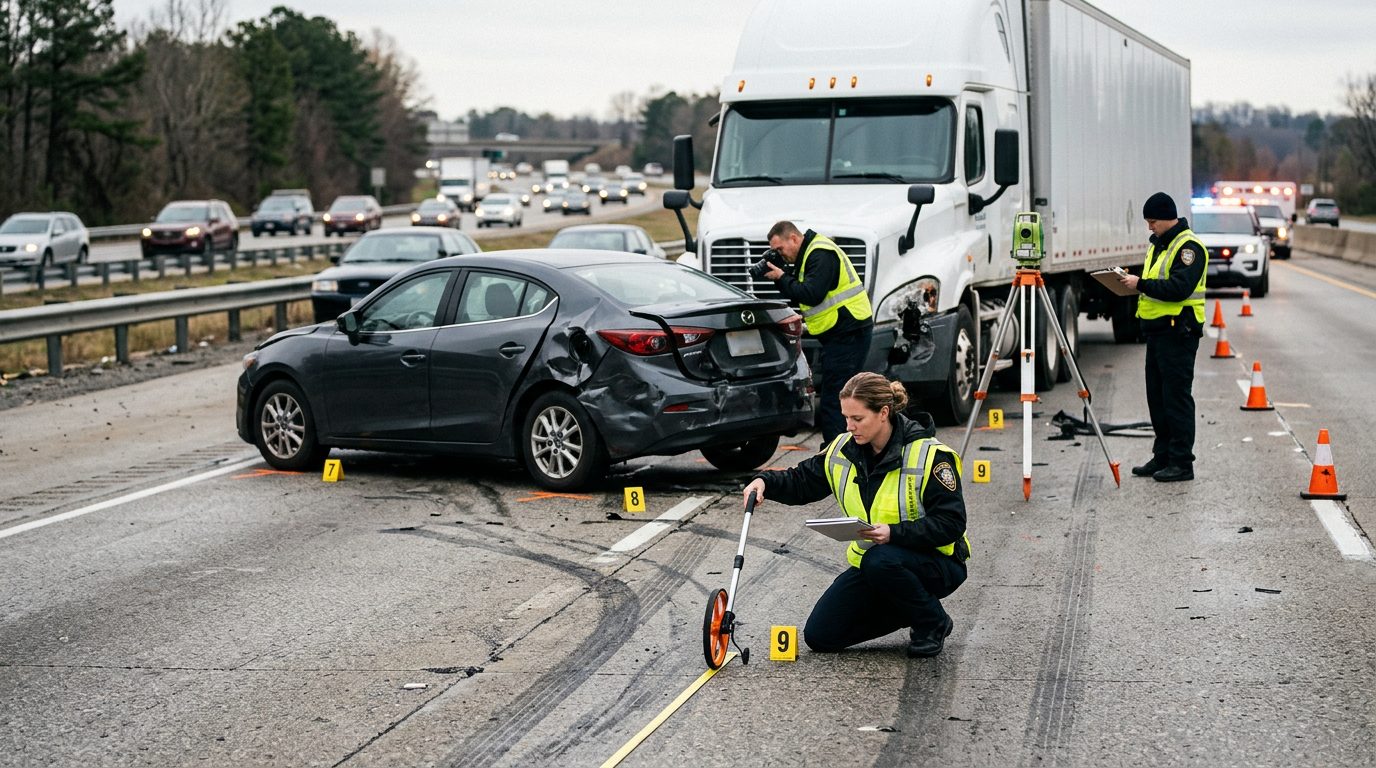
If a car or truck crash caused your spinal cord injury, you may have a legal claim to cover the substantial costs of lifelong care and recovery—reach out to discuss your situation. Talk it through with our team — the first case evaluation is free, confidential, and carries no obligation.
Is There a Way to Repair the Spinal Cord After an Injury?
The spinal cord has limited natural healing ability compared to other body tissues. Nerve fibers don’t regenerate the way skin or bone does, which is why spinal cord injury recovery is challenging.
Current medical focus. Today’s standard care focuses on preventing further damage (through immobilization and surgery if needed), managing inflammation, and maximizing the function that remains through rehabilitation. These steps can help improve outcomes.
Emerging treatments. Research into stem cell therapy, nerve regeneration techniques, and electrical stimulation shows promise in clinical trials. However, these are not yet standard care, and claims about unproven treatments should be viewed carefully. Talk to your medical team about what’s appropriate and available for your injury.
Rehabilitation is the cornerstone. Physical therapy, occupational therapy, and psychological support help your nervous system adapt and regain as much function as possible. Early and intensive rehabilitation often leads to better long-term outcomes.
Do People With Spinal Cord Injuries Ever Walk Again?
Whether someone walks again depends on injury severity and location. Some people with incomplete injuries regain partial or full walking ability. Others use mobility aids or wheelchairs—which is also a form of recovery and independence.
The first 6 to 12 months matter most. Most significant recovery occurs in the first year following injury, though improvement can continue for years with ongoing therapy. During this time, the body adapts, swelling decreases, and rehabilitation helps the nervous system relearn movement.
Mobility takes many forms. Recovery doesn’t require walking. Many people with spinal cord injuries regain independence through adaptive equipment, wheelchairs, and modified routines. What matters is regaining the ability to do the things that matter to you.
What Is the Life Expectancy After a Spinal Cord Injury?
Life expectancy after spinal cord injury has improved significantly with modern medical care. Many people with spinal cord injuries live full, productive lives.
Longevity depends on injury level, age at injury, overall health, and access to quality medical care. Secondary complications—infections, pressure sores, respiratory issues—can be managed with proper monitoring and care. This is why ongoing medical support and rehabilitation are so important.
The financial reality of long-term care is substantial. Lifetime costs for a traumatic spinal cord injury can be substantial, depending on severity and age at injury. These figures underscore why legal support to cover accident-related injuries is so important.
What Are the Newest Treatments for Spinal Cord Injury?
Research continues into regenerative medicine and new rehabilitation techniques. Epidural electrical stimulation and rehabilitation robotics show promise in early studies. However, recovery still depends most on intensive rehabilitation and medical management.
Always discuss new or experimental treatments with your medical team. They can tell you what’s appropriate, what’s proven, and what’s still being studied for your specific injury.
The Role of Rehabilitation in Recovery
Rehabilitation is the most important factor in recovery outcomes after spinal cord injury.
Physical therapy rebuilds strength and retrains movement. Occupational therapy helps you regain independence in daily activities. Psychological support addresses the emotional weight of injury and helps you adapt to life changes. Early, intensive rehabilitation—starting in the hospital and continuing for months or years—leads to better outcomes.
Neuroplasticity, the brain’s ability to form new neural connections, is central to recovery. Repeated practice and therapy help the nervous system reroute signals and regain function. This is why consistency and long-term commitment to rehabilitation matter so much.
Not sure what your next step is?
Talk it through with our team — the first case evaluation is free, confidential, and carries no obligation.
Factors That Influence Recovery Outcomes
Several factors shape how much function you may regain:
- Injury completeness: Incomplete injuries generally recover better than complete injuries.
- Injury level: Lower spinal cord injuries often allow more function than higher injuries.
- Age and health: Younger people and those in good overall health often recover better.
- Access to care: Quality medical care and rehabilitation services are essential.
- Support systems: Family, friends, and mental health resources help sustain recovery efforts.
- Time since injury: Most significant recovery occurs in the first year, but gains can continue for years.
When a Spinal Cord Injury Results From an Accident
If your spinal cord injury resulted from a car crash, truck accident, or another person’s negligence, you may have legal options to recover compensation.
In Virginia, a personal-injury lawsuit must generally be filed within two years after the injury accrues. This deadline is important—don’t wait.
The costs of spinal cord injury care are substantial. Medical bills, rehabilitation, lost wages, home modifications, and ongoing care expenses add up quickly. A legal claim can help cover these costs and support your recovery and long-term independence.
Understanding your legal rights is an important part of moving forward. If you were injured in an accident caused by someone else’s negligence, you may have a claim.
Frequently Asked Questions
How long does spinal cord injury recovery take?
Most significant recovery occurs in the first 6 to 12 months, but improvement can continue for years with intensive rehabilitation and therapy.
What’s the difference between complete and incomplete spinal cord injuries?
Complete injuries sever all nerve pathways at the injury level; incomplete injuries leave some pathways intact, allowing better recovery potential through rehabilitation.
Can physical therapy help with spinal cord injury recovery?
Yes—physical therapy, occupational therapy, and psychological support are the cornerstones of recovery and help maximize function and independence.
What if my spinal cord injury was caused by a car accident?
You may have a legal claim to recover compensation for medical expenses, rehabilitation, lost wages, and long-term care costs. Virginia law generally allows two years to file.
If your spinal cord injury resulted from a car or truck accident in Virginia, Correll Law Firm focuses on helping people and families navigate the financial and legal challenges of catastrophic injuries.
If you’re researching your options or wondering whether you have a claim, reach out for a free case evaluation to discuss your situation and what comes next.
No attorney’s fee unless we win. Clients may remain responsible for costs accrued in the case.
This content is educational and does not constitute legal advice. Spinal cord injury recovery is complex and varies by individual. Always consult with your medical team about treatment options and with a lawyer about your legal rights.
Related practice areas
- Spinal Cord Injury Claims from Car and Truck Accidents in Virginia
- Spinal Cord Injury Symptoms: What to Watch For