
Car Accidents | Winchester, Harrisonburg and Virginia
Four Proofs That Shape a Virginia Car Accident Claim
Duty of care, breach of duty, causation and damages, explained in plain language by Correll Law Firm for people hurt in crashes across the Shenandoah Valley and Virginia.
Published October 21, 2026
Understanding the Four Elements of Negligence
The four proofs of negligence are duty of care, breach of duty, causation, and damages. Most personal injury claims, including car accidents, truck accidents, and catastrophic injuries, follow this framework. If you’re reading this after a serious crash, the legal language can feel heavy. This page explains each part in plain words.
Virginia courts describe the test the same way. To establish actionable negligence, the injured person must show a legal duty, a breach of that duty, and proximate causation resulting in damage (Atrium Unit Owners Ass’n v. King). Each element needs real evidence behind it. The sections below show what each one means and how it plays out in serious injury cases.
Not sure what your next step is?
Talk it through with Correll Law Firm — we can walk you through how a situation like yours is usually handled and what your options are.
Element 1: Duty of Care
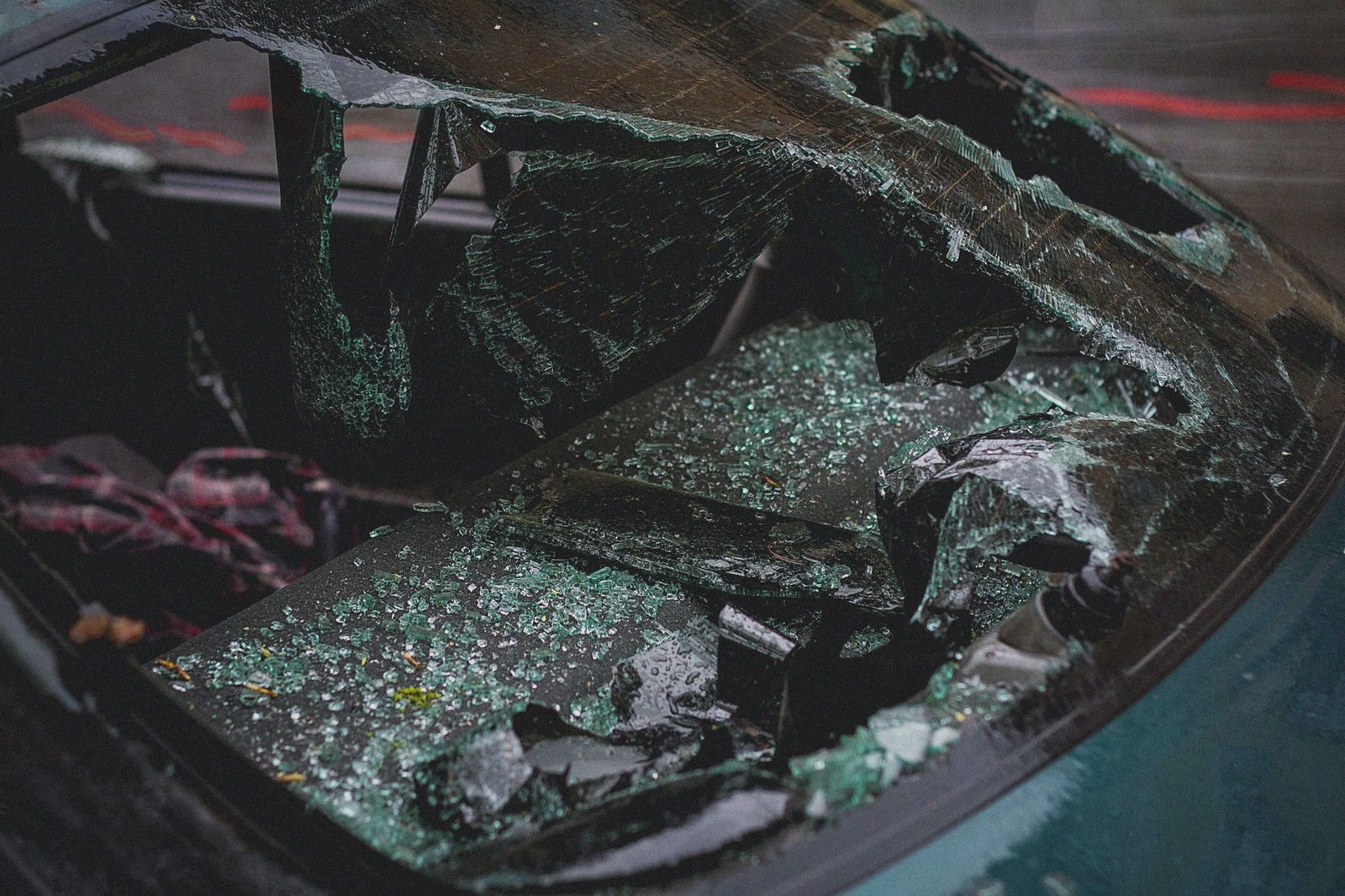
That means obeying traffic laws, watching the road, and driving at a speed that fits the conditions.
Commercial drivers and trucking companies face stricter rules. Federal regulations say that when an FMCSA rule sets a higher standard of care than state law, the federal rule must be followed (49 C.F.R. § 392.2). A loaded truck is very heavy, so a driver’s mistake can cause severe harm.
In most driving cases, the duty itself is not the hard part. The harder questions usually involve what the driver did wrong and what caused the injury.
Element 2: Breach of Duty
A breach of duty happens when a person fails to meet the care the duty requires. In car crashes, that often means speeding, running a red light, or driving while distracted.
Virginia law does not require a driver to see everything. The duty to keep a proper lookout is a duty to look with reasonable care and to heed what a reasonable lookout would have revealed (Burroughs v. Keffer). That difference often matters when a driver says, “I never saw them.”
Truck cases add specific rules to check. Federal limits say a driver may not drive after 14 consecutive hours that begin when the driver comes on duty after 10 consecutive hours off duty. Within that window, the driver may drive 11 hours in total (49 C.F.R. § 395.3). Carriers must also keep parts and accessories in safe operating condition at all times (49 C.F.R. § 396.3). A rule violation can support a finding of breach, but the facts must still connect it to the crash.
Element 3: Causation
Causation means the breach actually caused the injury. Virginia courts use the idea of proximate cause. A proximate cause is the act or omission that, in natural and continuous sequence, unbroken by an efficient intervening cause, produces the event, and without which the event would not have occurred (Ford Motor Co. v. Boomer). In Ford Motor Co. v. Boomer, the court wrote: “The proximate cause of an event is that act or omission which, in natural and continuous sequence, unbroken by an efficient intervening cause, produces that event, and without which that event would not have occurred.”
Put simply, did the breach set off the chain of events that led to the injury? In a simple car crash, that link is often direct. In a truck crash, several factors may play a role, such as poor maintenance, a tired driver, or a missed inspection. Each one must be tied to the crash and to the injury.
Brain and spinal cord injuries raise a special challenge. Medical records, imaging, and treatment notes help show how the crash caused the harm. Without them, linking the injury to the crash becomes much harder.
Element 4: Damages
Damages are the actual losses the injury caused. Common losses include medical bills, lost wages, and future care needs. Harm must be real and provable. Fault alone does not create a claim if no harm resulted.
Lost income follows a specific rule. Provable damages for loss of income are not reduced because the injured person received reimbursement from another source. That reimbursement also cannot be admitted into evidence (Va. Code § 8.01-35).
In catastrophic cases, losses can continue for years. A spinal cord or brain injury may require ongoing medical care, equipment, and help at home. Proof often comes from medical records, pay records, and reports from treating providers that describe current and expected needs.
How the Four Elements Work Together
As stated in The Atrium Unit Owners Ass’n v. King, “To establish actionable negligence, King had the burden to show the existence of a legal duty, a breach of the duty, and proximate causation resulting in damage.” If the other party was careless but no one was hurt, there is no damage to recover.
Virginia follows contributory negligence: if you are found even partly at fault, you may be barred from recovering, with limited exceptions (Contributory negligence bars recovery in Virginia). Talk to a lawyer about your facts.
In serious injury cases, the biggest challenge is usually not duty, which is often clear. It is gathering enough evidence of breach, causation, and the full extent of damages. That is why records matter from the start.
Not sure what your next step is?
Talk it through with Correll Law Firm — we can walk you through how a situation like yours is usually handled and what your options are.
Negligence in Virginia Car and Truck Accidents
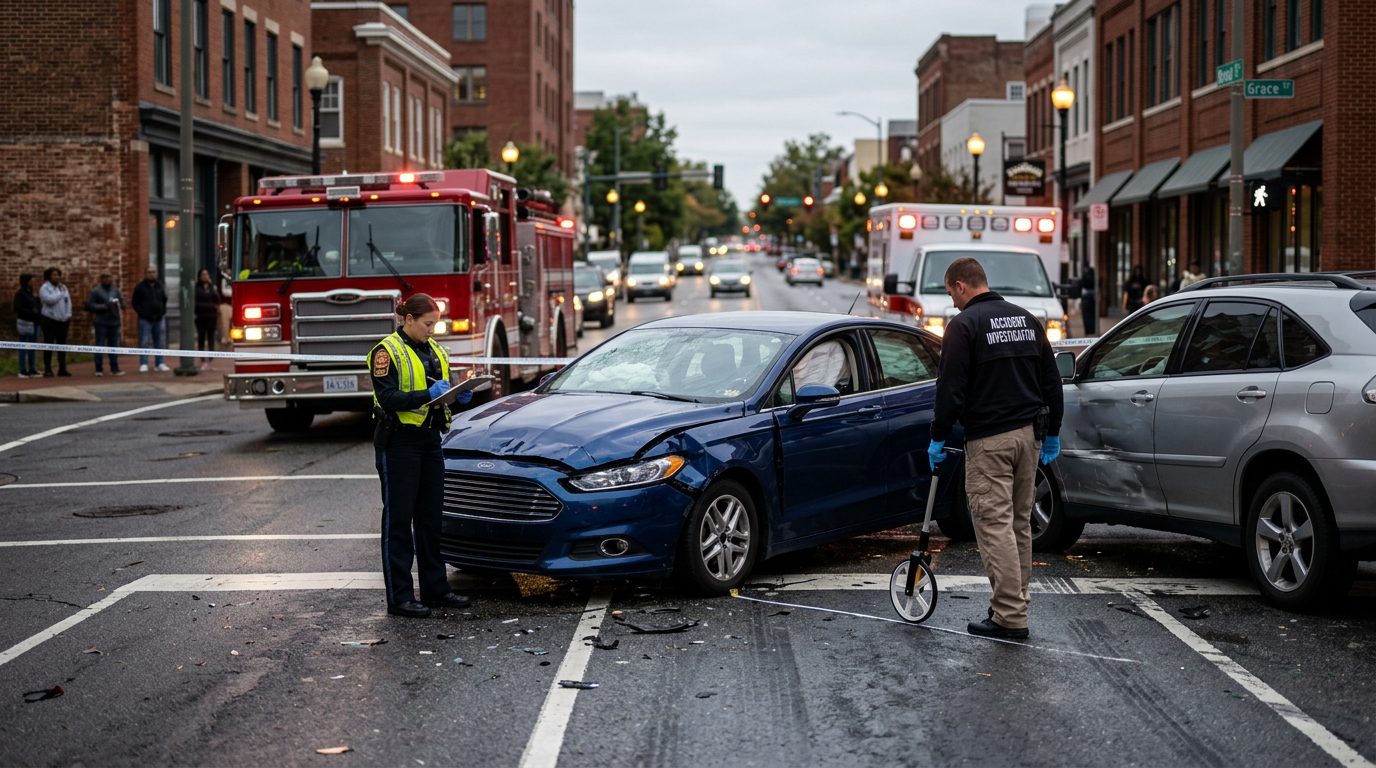
In Virginia car and truck cases, the four elements are usually shown through crash reports, witness statements, vehicle damage, and medical records. Virginia requires a driver involved in a crash with injury or death to stop and report it to police immediately (Va. Code §§ 46.2-371, 46.2-894). The two-year period is the deadline to file a lawsuit, not to report a crash.
A police report made at the scene often records facts that bear on breach and causation. In truck cases, federal rules require carriers to keep inspection and maintenance records, so those records can become important evidence (49 C.F.R. § 396.3).
Correll Law Firm, which has locations in Winchester and Harrisonburg, handles car and truck accident claims for people from the Shenandoah Valley to Richmond and Henrico County.
When You May Have Questions About Negligence
The four proofs of negligence help show whether a claim can move forward. How they apply depends on the facts of each crash, so every case turns on its own details.
What are the four proofs of negligence?
They are duty of care, breach of duty, causation, and damages. In The Atrium Unit Owners Ass’n v. King, the court wrote: “To establish actionable negligence, King had the burden to show the existence of a legal duty, a breach of the duty, and proximate causation resulting in damage.”
Can more than one driver be responsible for one crash? The answer depends on the facts of each crash.
How long do I have to file a lawsuit in Virginia?
Virginia generally allows two years from the date of injury to file a personal injury lawsuit (Va. Code § 8.01-243(A)); the clock runs from the date of injury, not the date of discovery, with narrow exceptions. Some claims carry notice requirements that run out sooner.