

Car Accidents | Winchester, Harrisonburg and the Shenandoah Valley
Headaches, Fog or Mood Changes Weeks After a Crash? Know What a Brain Injury Can Look Like
Published November 23, 2026
You were in a car crash and felt mostly fine at first. Now headaches, fogginess or mood changes have started, and you want to know why.
After a car crash, it can be hard to tell whether a headache or trouble concentrating is worth a closer look. This guide explains what to watch for after a car crash and how Virginia’s time limits work.
Why Brain Injury Symptoms Can Appear Weeks After a Crash
Brain injury symptoms can appear weeks after a crash because the injury does not always show itself at the scene. A concussion involves a trauma-induced change in mental status. That change can happen with or without loss of consciousness.
A collision can injure the brain in two ways. In a coup injury, the brain strikes the skull at the point of impact. In a contrecoup injury, it strikes the skull on the opposite side.
Tiredness, nerves and a sore neck are normal after a crash. That makes it easy to wait and see. Early changes often get blamed on stress, poor sleep or the shock of the crash. That delay can push back the medical visit that would have recorded the injury early.
If you're still noticing changes after a crash, you don't have to sort it out alone. The firm offers a free case evaluation to talk through your situation. Talk it through with Correll Law Firm — we can walk you through how a situation like yours is usually handled and what your options are.
Common Delayed Symptoms to Watch For
The delayed symptoms to watch for include headaches, dizziness, light sensitivity and trouble thinking clearly. Focus on anything new since the crash, or anything that gets worse over time.
Physical changes people commonly describe include:
- Headaches that keep coming back
- Dizziness or feeling unsteady
- Sensitivity to light or noise
- Nausea
- Sleep changes, such as sleeping much more or much less
Cognitive changes include difficulty concentrating, slower thinking, trouble remembering recent events, and trouble following conversations or multi-step tasks.
Symptoms often come and go. Track them by date. Write down what you felt, when it began, how long it lasted, and what made it better or worse. A written record gives a medical provider more to work with than memory alone.
New or worsening problems call for prompt medical evaluation. The Brain Injury Association of America advises monitoring symptoms and reporting new or worsening problems to health care professionals.
How a Brain Injury Can Affect Emotional Regulation
Emotional control is one area where changes can appear after a crash, and the person may not notice them at first. Sudden irritability, quick frustration, anxiety, or tearfulness that seems out of proportion are common examples people describe.
Family members may see these changes before the injured person does. A spouse, parent or close friend might notice that a usually patient person snaps at small things. Or a calm person cries over routine news. Describe what you see in plain words, with dates. For example: “He cried over a delayed text, which he never did before.”
Stress after a crash can cause similar feelings. That overlap is one reason a medical evaluation helps sort out the cause. A provider can look at the whole picture, including sleep, headaches and memory, rather than one symptom alone.
What Are the Effects of Brain Damage on Human Behavior?
Changes in attention, judgment and impulse control are among the areas a medical provider may check after a head injury. These changes often show up first in daily life.
Watch for these patterns:
- Work performance that slips, such as missed deadlines or mistakes on routine tasks
- Less confidence behind the wheel, or hesitation in traffic
- Trouble keeping up with a normal daily routine
- Acting on impulse, such as making purchases or decisions without thinking them through
These changes are easy to explain away. Someone may say the person is just stressed. A written log helps separate a real pattern from a bad day. For each entry, note the date, the activity, what happened, and who else noticed. That record gives your medical provider a clearer picture.
Is a Traumatic Brain Injury Permanent?
No one can say in advance whether a traumatic brain injury will be permanent for a particular person. Recovery varies, and the answer depends on the facts of the injury and the person’s medical course.
Symptoms that last for weeks or months, or that get worse, are worth bringing to a medical provider’s attention.
A medical team is the right source for an individual outlook because it knows the person’s history and symptoms. The firm cannot predict any one person’s recovery, and no lawyer or doctor can promise a specific result.
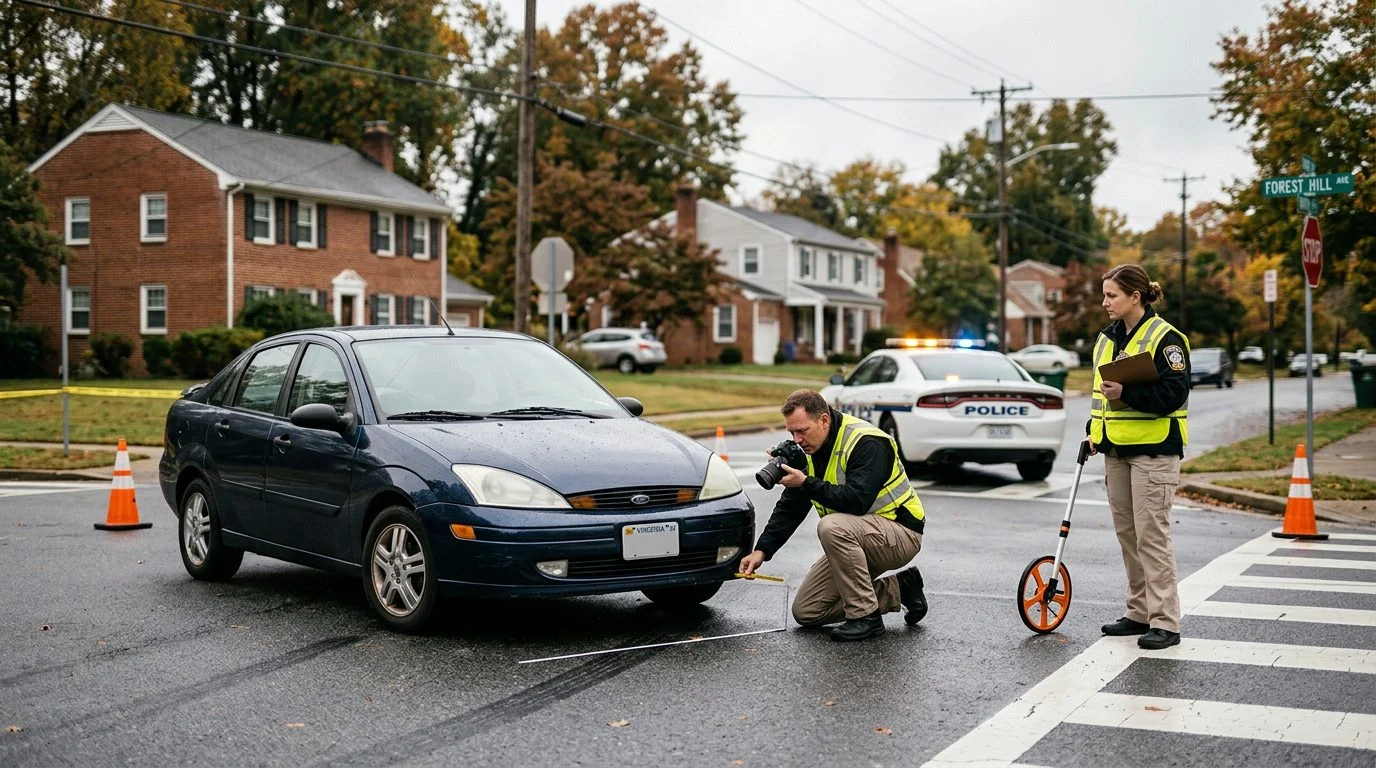
Why a Delayed Diagnosis Matters
A delayed diagnosis means care can start later than it could have. Symptoms may also go unexplained or get dismissed as aging, stress or a bad week.
A delay can make it harder to connect later symptoms to the crash. Medical records made close to the crash help show when symptoms began.
Get a prompt medical evaluation even when symptoms seem mild. Bring the date and place of the crash, your symptom log, a list of medicines, and the names of people who noticed changes. For the broader picture, read the firm’s guide to traumatic brain injury after car and truck crashes.
Not sure what your next step is?
Talk it through with Correll Law Firm — we can walk you through how a situation like yours is usually handled and what your options are.
Coping With a Brain Injury Day to Day
Coping starts with following your medical provider’s instructions and pacing your daily activity. Small routines also help, because they cut down on the number of decisions you have to make.
Practical steps include:
- Keeping a regular sleep schedule, even on weekends
- Taking breaks during reading, screen time or busy tasks, especially when headaches flare
- Using written lists, a calendar and phone reminders for memory and concentration
- Scheduling demanding tasks for the time of day when you feel your best
Tell employers, family and friends what you’re dealing with. People who know can adjust expectations, help with errands, and watch for changes. A medical provider can recommend therapies that fit your symptoms, so bring your questions to each visit.
Statements, Insurance and Time Limits After a Crash
Virginia requires a driver involved in a crash with injury or death to stop and report it to police immediately (Va. Code §§ 46.2-371, 46.2-894).
An insurance representative may contact you while you’re still recovering and ask for a statement. Symptoms can change from day to day, so describe what you feel today and say that it may change. You may wish to talk with a lawyer before giving a recorded statement about your symptoms.
Virginia generally allows two years from the date of injury to file a personal injury lawsuit (Va. Code § 8.01-243(A)); the clock runs from the date of injury, not the date of discovery, with narrow exceptions.
Symptoms that appear later do not, on their own, change when the clock starts, as Va. Code § 8.01-230 explains. Some claims also carry notice requirements that run out sooner. You may wish to talk with a lawyer about the deadlines in your situation.
Related Concerns After a Low-Speed or Stressful Crash
A crash that looked minor can still injure the brain. Collisions can injure the brain through coup or contrecoup impact, so symptoms deserve attention even when the car damage seemed small.
Anxiety, flashbacks or trouble driving after a crash are also concerns to raise with a medical provider. Emotional and brain symptoms can happen together, and both deserve medical attention.
Keep a dated log. Report new or worsening symptoms to a medical provider. Remember that the filing clock generally starts on the date of injury.
Frequently Asked Questions
Can brain injury symptoms show up days after a car accident?
Yes. Symptoms can be delayed, and they may be masked during an emergency room exam.
Can you have a brain injury without hitting your head?
Yes. A concussion can occur with or without loss of consciousness, and a collision can injure the brain through coup or contrecoup impact.
Should you see a doctor after a car crash if you feel fine?
Feeling fine right after a crash does not settle the question. Symptoms can be delayed, so a medical evaluation is a sensible step.
Is a traumatic brain injury permanent?
No one can say in advance. Recovery varies, so a medical provider is the right source for an individual outlook.