
Car Accidents | Shenandoah Valley and Richmond
Police Reports and Insurance Claims After a Virginia Car Crash
A calm, organized way to handle the paperwork that follows a crash, and how the firm works with people who are dealing with it.
Where the firm works
2
Offices in Winchester and Harrisonburg
Virginia
Car, truck and wrongful death matters
Published November 9, 2026
After a crash, it’s natural to wonder whether your insurance claim needs a police report. Short answer: insurers want the facts of the crash, and a police report is one record they may ask for.
This page explains what Virginia requires drivers to do, what a police report contains, and what to do if one is missing or delayed. It covers car and commercial truck crashes for people across the Shenandoah Valley, Richmond, and Henrico County.
Insurers need the facts of the crash, and a police report is one document they may request
A claim rests on three basic questions: how the crash happened, who was involved, and what injuries followed. The insurer needs answers to all three before it can review the claim. Missing details can slow a claim down, so gaps are worth filling early.
A police report is one record insurers may ask for, along with your own account, photos, and medical records.
Whether a particular insurer insists on a police report depends on the facts and on that company’s claim process. The simplest way to know is to ask the adjuster, in writing, what it needs. If your injuries are serious, the firm’s page on traumatic brain injury from car and truck crashes covers the medical side of those claims.
If a crash left you or someone you love hurt, you may have a claim, and the firm is glad to talk through your facts. Talk it through with Correll Law Firm — we can walk you through how a situation like yours is usually handled and what your options are.
Virginia requires drivers to report certain crashes to police
The reporting duty runs to police, not to the insurer. Virginia requires a driver involved in a crash with injury or death to stop and report it to police immediately (Va. Code §§ 46.2-371, 46.2-894).
Under § 46.2-894, a driver involved in an accident in which a person is killed or injured, or in which an attended vehicle or other attended property is damaged, must immediately stop as close to the scene as possible without obstructing traffic. The driver must also give reasonable help to an injured person, including getting medical care when it is clearly needed or requested. When injuries prevent that, the driver must report as soon as reasonably possible.
The Virginia State Bar guide for young drivers describes these same duties in plain language.
A police report records the scene, and truck crashes add more records
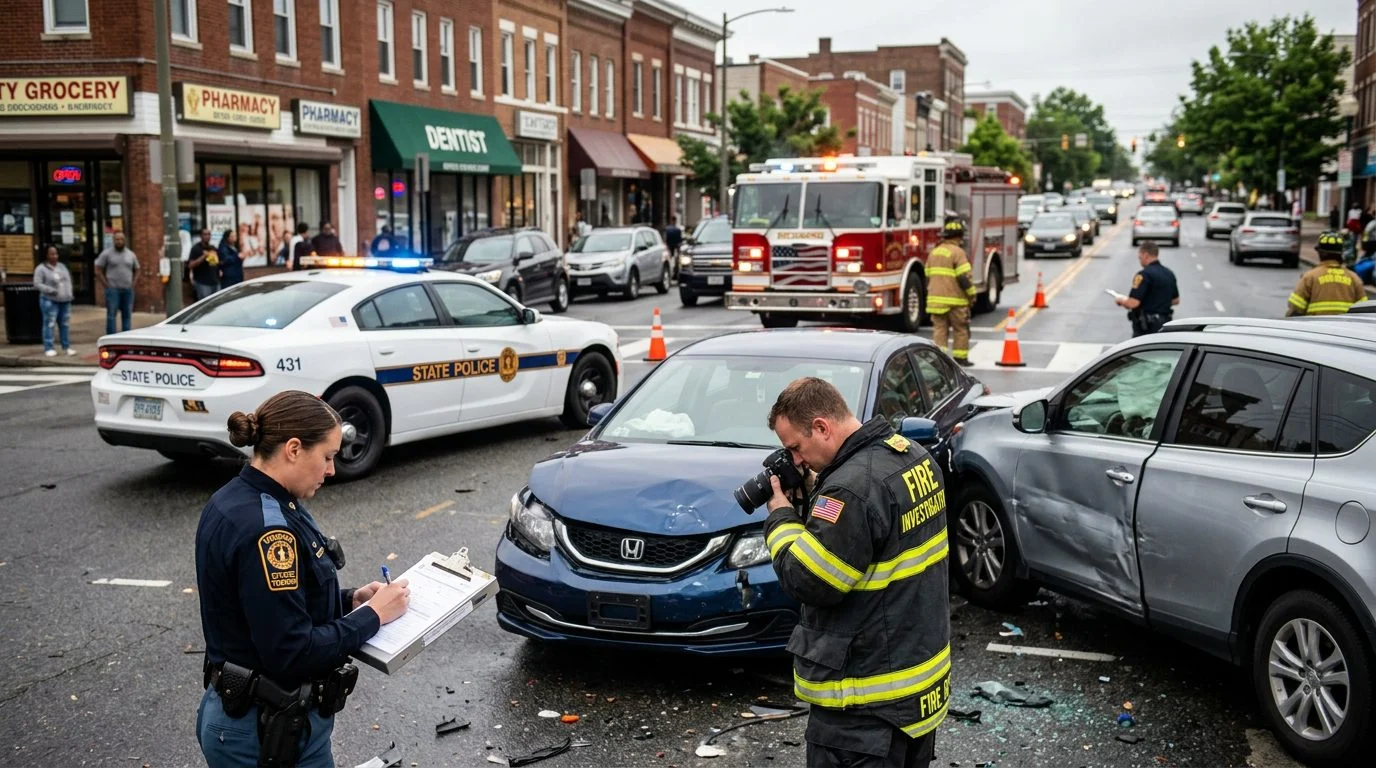
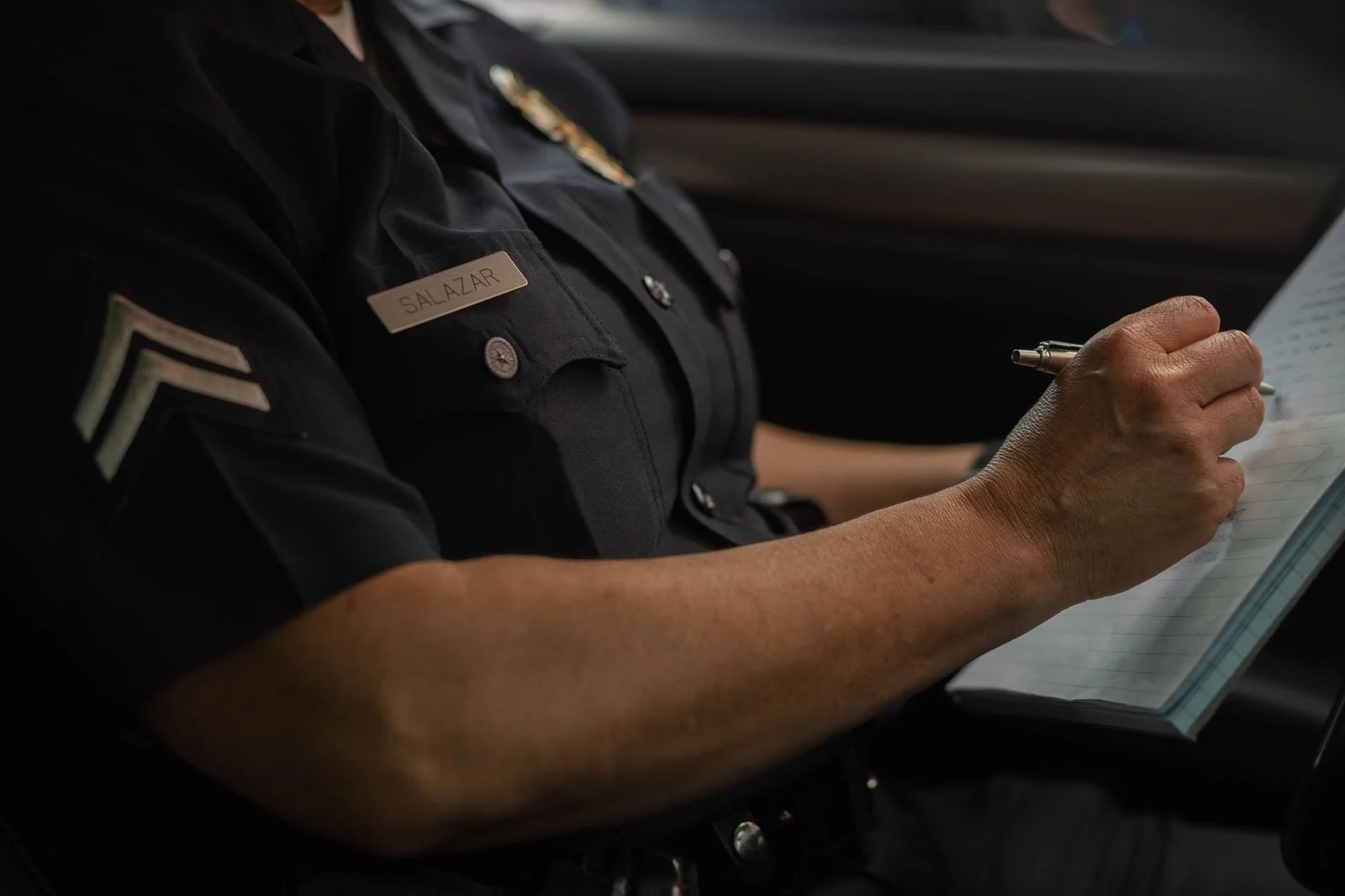
A police report is the officer’s written record of what was documented at the scene. It usually covers the date, time, and location, the vehicles and drivers, passengers and witnesses, and the officer’s observations. Insurers compare it with the claimant’s account, photos, and records to see whether the pieces fit together.
The report is not the only source of information. Witness statements, photos, and medical records can describe the crash too, and an insurer may weigh them alongside the report.
Commercial truck crashes often involve more parties and more paperwork. Several parties can be involved: the driver, the employer or carrier, and sometimes others. With more parties and records, the information gathered at the scene becomes more important to keep organized.
What to do when there is no report or it is delayed
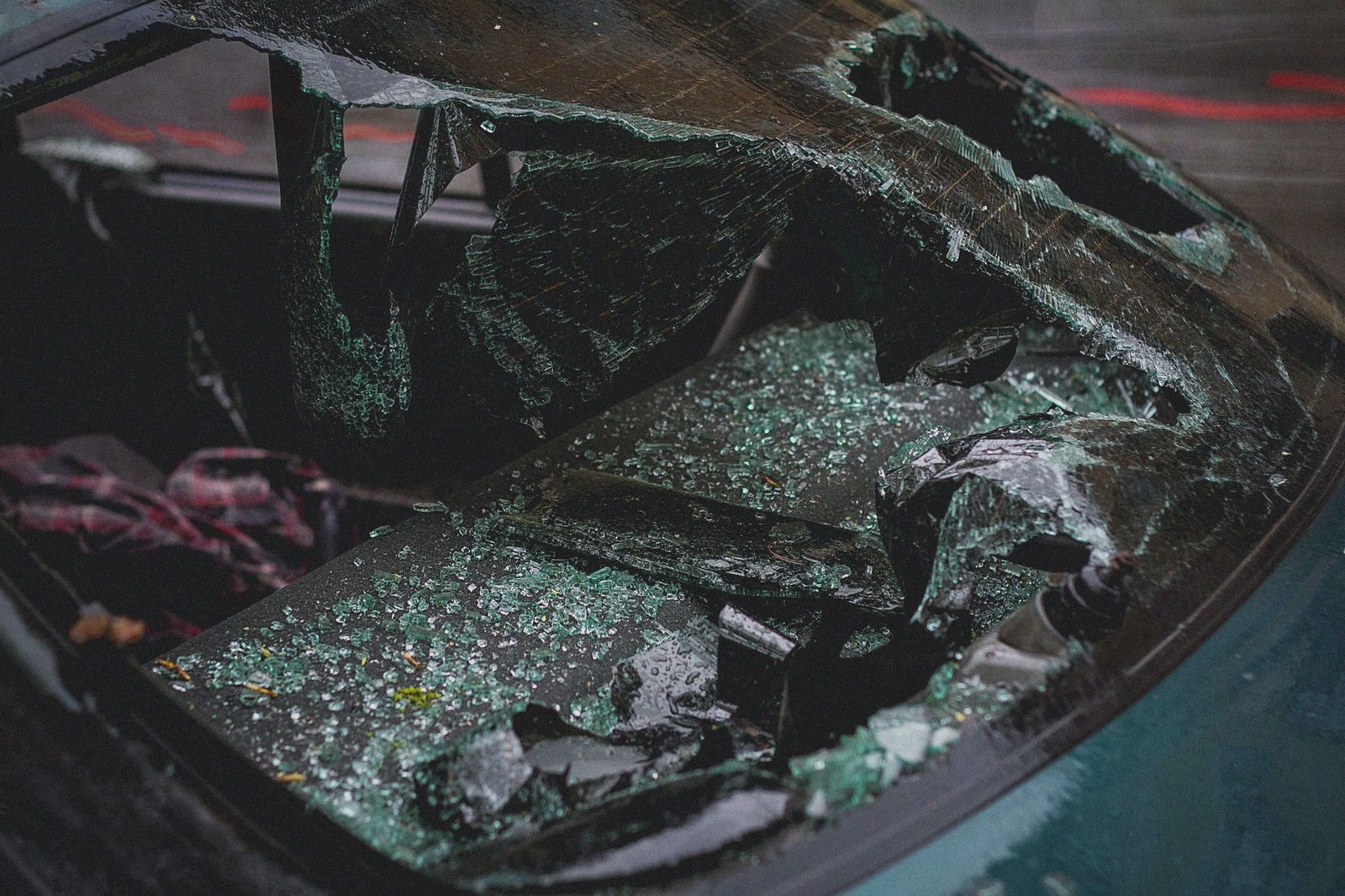
A missing or delayed report does not necessarily end a claim, but it makes other evidence more important. Write down names and contact details for any witnesses. Photograph the vehicles, the roadway, and visible injuries. Write your own account of what happened while it is fresh.
Keep every medical record, bill, and note of time missed from work. These support a claim whether or not a report exists.
Virginia generally allows two years from the date of injury to file a personal injury lawsuit (Va. Code § 8.01-243(A)); the clock runs from the date of injury, not the date of discovery, with narrow exceptions. The lawsuit statute is at Va. Code § 8.01-243, and the accrual rule is at Va. Code § 8.01-230.
Some claims carry notice requirements that run out sooner, so check the timing of any insurance notice early.
A report can describe the crash differently than you remember
If the report differs from your memory, note the disagreement in writing as soon as you can. Write down what you remember before you read the report closely, so the two accounts stay separate. Then note where they differ.
Keep copies of everything you send the insurer. A person who believes a report is wrong may wish to ask the reporting agency how to request a correction.
Virginia follows contributory negligence: if you are found even partly at fault, you may be barred from recovering, with limited exceptions. Talk to a lawyer about your facts.
The firm’s related page on fault in Virginia crash claims explains how fault comes up in a claim.
Ask the insurer in writing what it needs
Ask the insurer, in writing, for a complete list of the documents it needs to evaluate your claim. Include a direct question about whether it requires a police report. Policy wording and claim procedures vary, so the written answer and the actual policy language are the most reliable guide.
Keep a log of every call, email, and letter, with dates, names, and what was said. Before giving a recorded statement or signing a release, you may wish to take time to understand your rights. The next steps in a claim turn on the specifics of each crash.
Frequently asked questions
What if the police never came to the scene?
Write down what you saw, and collect witness details and photos as soon as you can. Then ask the reporting agency whether a report was filed.
Should I get the insurer’s requirements in writing?
Yes. A written list shows exactly what the insurer needs and gives you a record of the request.
Can a police report be wrong?
It can be. Note the differences in writing, keep copies of what you send, and ask the reporting agency how to request a correction.