
Brain Injury Claims in Virginia
Drunk Driver Brain Injury Claim in Virginia After a Crash
A plain-language guide for injured people and families across the Shenandoah Valley, Richmond and Henrico County.
Published November 20, 2026
A crash with a drunk driver can leave you or someone you love with a brain injury and many hard questions. A drunk driver brain injury claim in Virginia is a civil claim against the driver whose conduct caused the crash. It rests on the crash record, the medical record and Virginia’s rules for fault and damages.
This guide walks through how such a claim usually comes together. It covers the crash report, the proof, fault, punitive damages, wrongful death and the filing clock, each under Virginia law.
What a Brain Injury Claim After a Drunk Driver Crash Involves
An injured person may bring a negligence claim against the driver whose conduct caused the crash. Virginia makes it unlawful to drive with a blood alcohol concentration of 0.08 percent or more, or while under the influence of alcohol to a degree that impairs safe driving (Va. Code § 18.2-266). That statute is the starting point for the impaired-driver question.
Traumatic brain injury means damage or changes in brain function caused by an external force. Motor vehicle accidents can cause it, according to the Virginia brain injury services page. The medical record often builds over time, starting in the emergency room and continuing through follow-up care.
The firm handles car accidents, truck accidents, commercial vehicle accidents, traumatic brain injury and catastrophic injuries. It serves people from the Shenandoah Valley to Richmond and Henrico County. The firm’s offices are in Winchester and Harrisonburg. For the wider picture, read the traumatic brain injury guide for car and truck crashes.
If a drunk driver's crash left you or someone you love with a brain injury, you may have a claim, and the firm is glad to talk with you about your situation. Talk it through with Correll Law Firm — we can walk you through how a situation like yours is usually handled and what your options are.

Why the Crash Report Matters
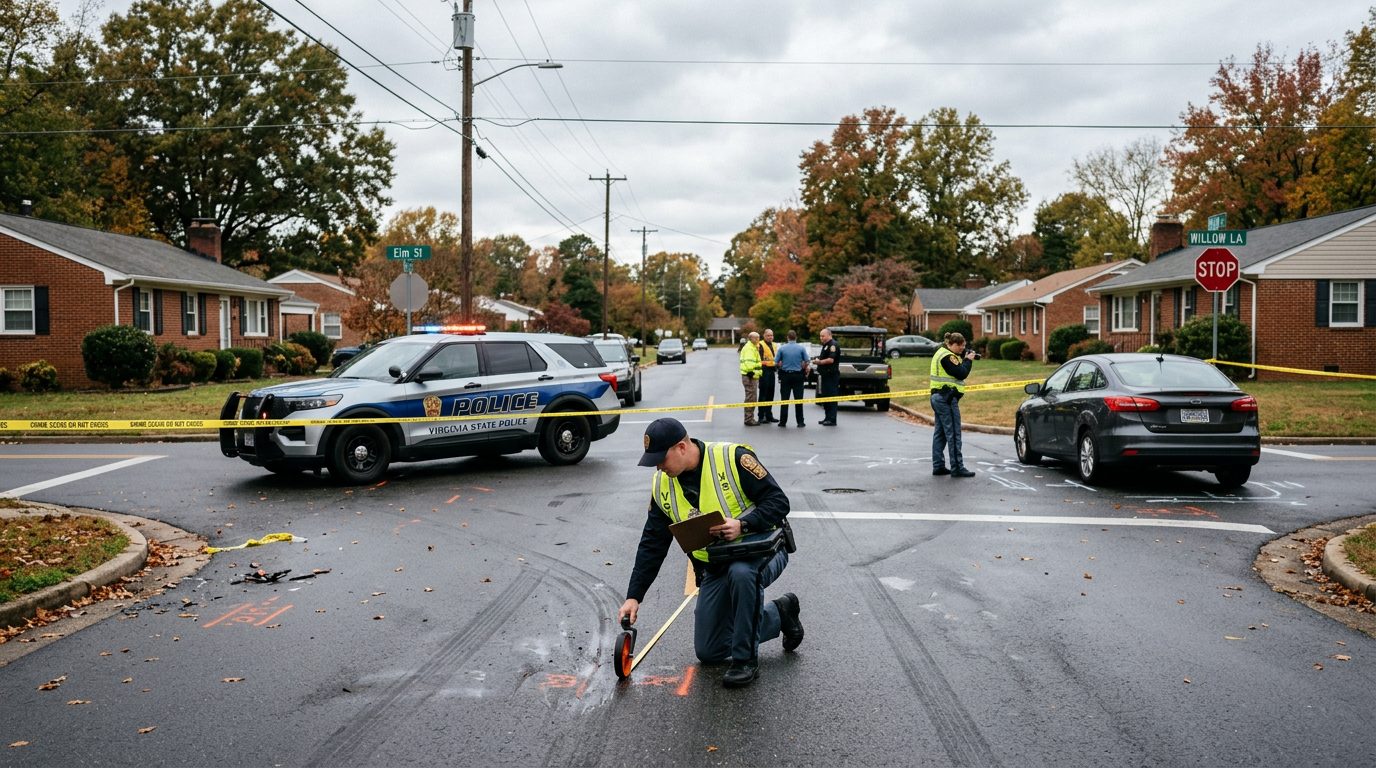
A police crash report is a key official record of what happened on the road. Virginia requires a driver involved in a crash with injury or death to stop and report it to police immediately (Va. Code §§ 46.2-371, 46.2-894).
Reporting happens right after the crash. Filing a lawsuit happens later.
A report can record the location, the vehicles, the people involved and what officers observed, including any signs of impairment. Those details often become the starting point for the rest of the claim. Learn how to get a copy in the guide to requesting a police crash report.
Proving the Other Driver Caused the Crash
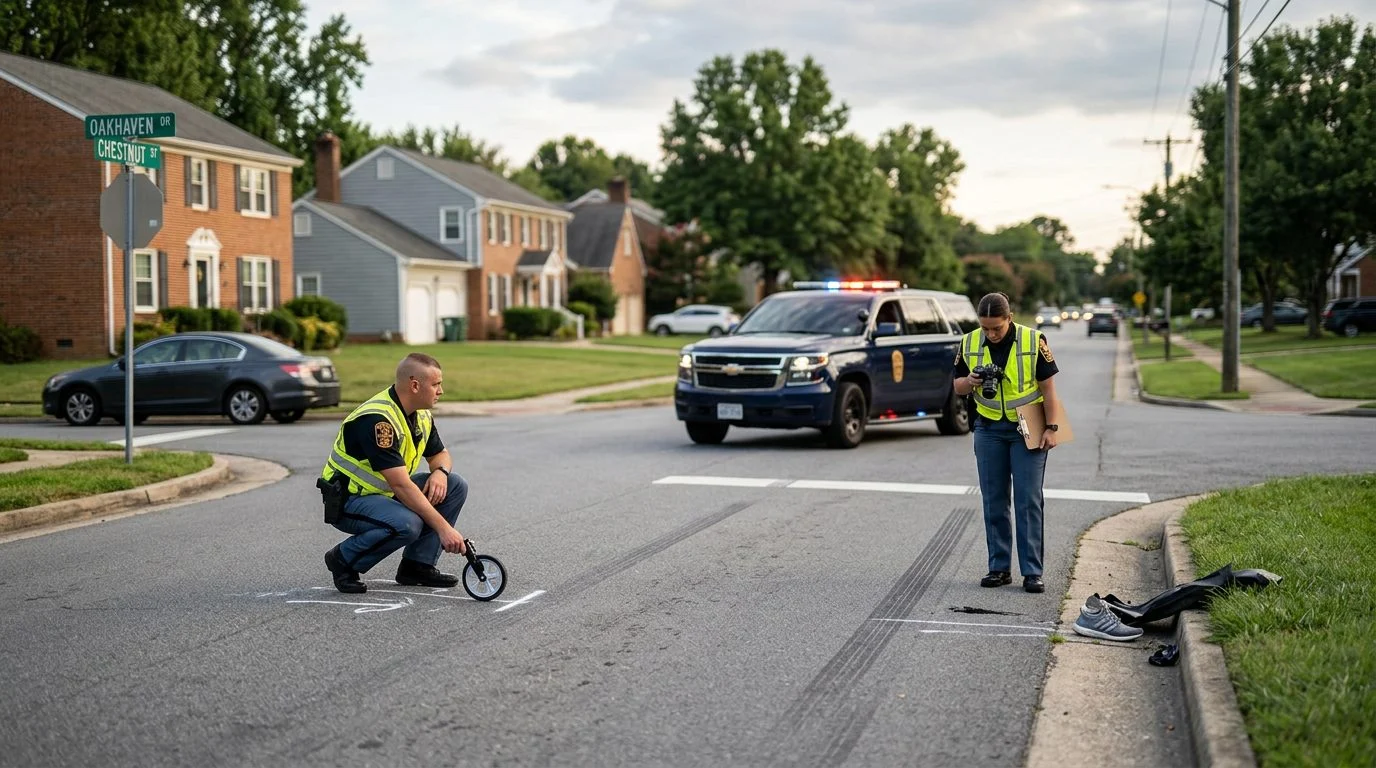
The claim has to tie the driver’s conduct to the crash and to the brain injury. Several kinds of evidence usually do that work. The crash report, witness statements, scene and vehicle evidence, and any record of impairment testing all help show how the crash happened.
The medical side matters just as much. Emergency room records, imaging, neurological evaluations and notes on ongoing symptoms such as headaches, memory problems, or changes in mood and concentration help link the injury to the crash. Under the Virginia brain injury services page, a doctor makes the diagnosis.
Sometimes more than one party contributes to a crash.
Medical professionals may help explain the injury as the case develops. Their role depends on the particular records and symptoms in each case.
When the Injured Person Was Also Partly at Fault
Virginia follows contributory negligence: if you are found even partly at fault, you may be barred from recovering, with limited exceptions. Talk to a lawyer about your facts.
Impaired-driver crashes often raise this question when the injured person’s own driving is questioned. How the rule applies depends on the facts of the crash.
Punitive Damages When the Drunk Driving Was Willful or Reckless
Virginia allows punitive damages for actual malice, or for willful or wanton conduct or recklessness showing a conscious disregard for the safety of others, capped at $350,000 (Va. Code § 8.01-38.1).
Under Va. Code § 8.01-44.5, in actions for personal injury or death arising from the operation of a motor vehicle, the finder of fact may, in its discretion, award punitive damages if the evidence proves that the defendant acted with malice toward the plaintiff or that the defendant’s conduct was so willful or wanton as to show a conscious disregard for the rights of others. Conduct is deemed to meet that standard when the evidence proves the driver had a blood alcohol concentration of 0.15 percent or more, knew or should have known the driving would be impaired, and the intoxication was a proximate cause of the injury or death. The jury must find that the conduct met this standard, and the evidence in each crash decides that question.
When the Crash Causes a Death: Wrongful Death Claims
A Virginia wrongful death action is filed by the decedent’s personal representative within two years of the death (Va. Code §§ 8.01-50(C), 8.01-244(B)), on behalf of the family members the statute protects. Under § 8.01-50, the action is brought by and in the name of the decedent’s personal representative, except that a fetal death action is brought by the natural mother, or if she dies or is under a disability, by the administrator of her estate, her guardian, or her personal representative.
Virginia law keeps the at-fault party liable even when the injury leads to death (Va. Code § 8.01-50). Recovery is then distributed under Va. Code § 8.01-53, which names beneficiaries in a set order, starting with a surviving spouse and children.
Virginia wrongful death damages cover the family’s sorrow, mental anguish and loss of the decedent’s companionship, guidance and care; lost income and services; medical expenses from the injury; funeral expenses; and, for willful or wanton conduct, punitive damages (Va. Code § 8.01-52).
A brain injury that later causes death can move a claim from a personal injury action into a wrongful death action. The timing and the type of claim both matter.
Not sure what your next step is?
Talk it through with Correll Law Firm — we can walk you through how a situation like yours is usually handled and what your options are.
Filing Deadlines and Notice Requirements
Virginia generally allows two years from the date of injury to file a personal injury lawsuit (Va. Code § 8.01-243(A)); the clock runs from the date of injury, not the date of discovery, with narrow exceptions.
Some claims carry notice requirements that run out sooner. The two-year period applies unless otherwise provided in the statute or by another statute, so timing matters.
In short, the steps that usually shape these claims are gathering the crash report, building the medical record, identifying every party whose conduct may have contributed, and tracking the deadlines above.
Frequently asked questions
Can you sue someone who hit your car while drunk in Virginia?
Yes. An injured person may bring a negligence claim against the impaired driver whose conduct caused the crash.
Does the crash report decide who was at fault?
No. The report is one piece of evidence and works alongside witness accounts and other proof.