
Traumatic Brain Injury | Harrisonburg
Legal Help After a Traumatic Brain Injury
Serious head injuries from car and truck crashes demand immediate medical care and legal guidance. Correll Law Firm helps people in Harrisonburg and across the Shenandoah Valley understand their rights.
Published October 02, 2026
Traumatic Brain Injury in Harrisonburg: Legal Help After a Crash
A traumatic brain injury (TBI) from a car or truck accident can upend your life in seconds. Even injuries that seem mild at first often cause serious, lasting problems—memory loss, difficulty concentrating, mood changes, and physical symptoms that may not show up for hours or days. If you or a family member has suffered a TBI in Harrisonburg or anywhere in the Shenandoah Valley, you need to understand both your medical needs and your legal rights. Correll Law Firm represents people dealing with catastrophic brain injuries from crashes, and we serve the Harrisonburg area from our nearby offices.
If you’re dealing with a traumatic brain injury from a crash in Harrisonburg or the Shenandoah Valley, you don’t have to sort out your options alone. Talk it through with our team — the first case evaluation is free, confidential, and carries no obligation.
Traumatic Brain Injury After a Crash in Harrisonburg
A traumatic brain injury happens when a sudden impact or jolt to the head disrupts how your brain normally works. In car and truck accidents, TBI commonly results from your head striking the steering wheel, dashboard, window, or the force of the crash itself jolting your brain inside your skull. Even at moderate speeds, the forces involved can cause serious injury.
According to the National Institute of Neurological Disorders and Stroke, common TBI symptoms include headache, confusion, dizziness, nausea, sensitivity to light and sound, memory problems, and difficulty concentrating. The key thing to know: not all symptoms appear right away. Some develop over hours or days. This is why medical evaluation after any head impact is critical, even if you feel okay in the immediate aftermath.
The difference between a mild and severe TBI isn’t always obvious at the scene. What matters is that even mild TBIs can result in serious long-term effects. Cognitive impairment, mood changes, and physical symptoms can persist for months or years, affecting your ability to work, care for your family, and enjoy the life you had before the accident.
Why You May Need a Lawyer After a Brain Injury Accident
Insurance companies often drastically underestimate what a TBI actually costs. They may offer a quick settlement that covers immediate hospital bills but ignores the real picture: rehabilitation, ongoing therapy, lost wages, and long-term support services add up to hundreds of thousands of dollars over a lifetime.
Insurers sometimes treat a TBI claim as minor when the ER report notes only a “mild concussion.” But months later, the person may be unable to return to work, need cognitive rehabilitation, and face long-term symptoms, which is why it matters to understand the full extent of an injury before resolving a claim.
Liability questions in multi-vehicle or commercial truck accidents can also be complex. Was the truck driver fatigued? Did the other driver run a red light? Was road construction inadequately marked? These facts matter enormously—they determine who is responsible and what you can recover. Insurance adjusters have financial incentives to shift blame away from their policyholder. You need someone investigating the facts on your behalf.
Virginia law generally gives you two years from the date of injury to file a personal injury lawsuit, unless otherwise provided by statute; for example, a person who was a minor or incapacitated when the claim arose may bring it within the limitation period after that disability is removed. Acting promptly protects your right to pursue damages for medical bills, rehabilitation, lost income, pain and suffering, and ongoing care needs.
What Correll Law Firm Does for Harrisonburg TBI Clients
We represent people in Harrisonburg and throughout the Shenandoah Valley who have suffered serious brain injuries in car and truck accidents. Our offices are in Winchester and Harrisonburg, so we serve your community directly.
Here’s what we do:
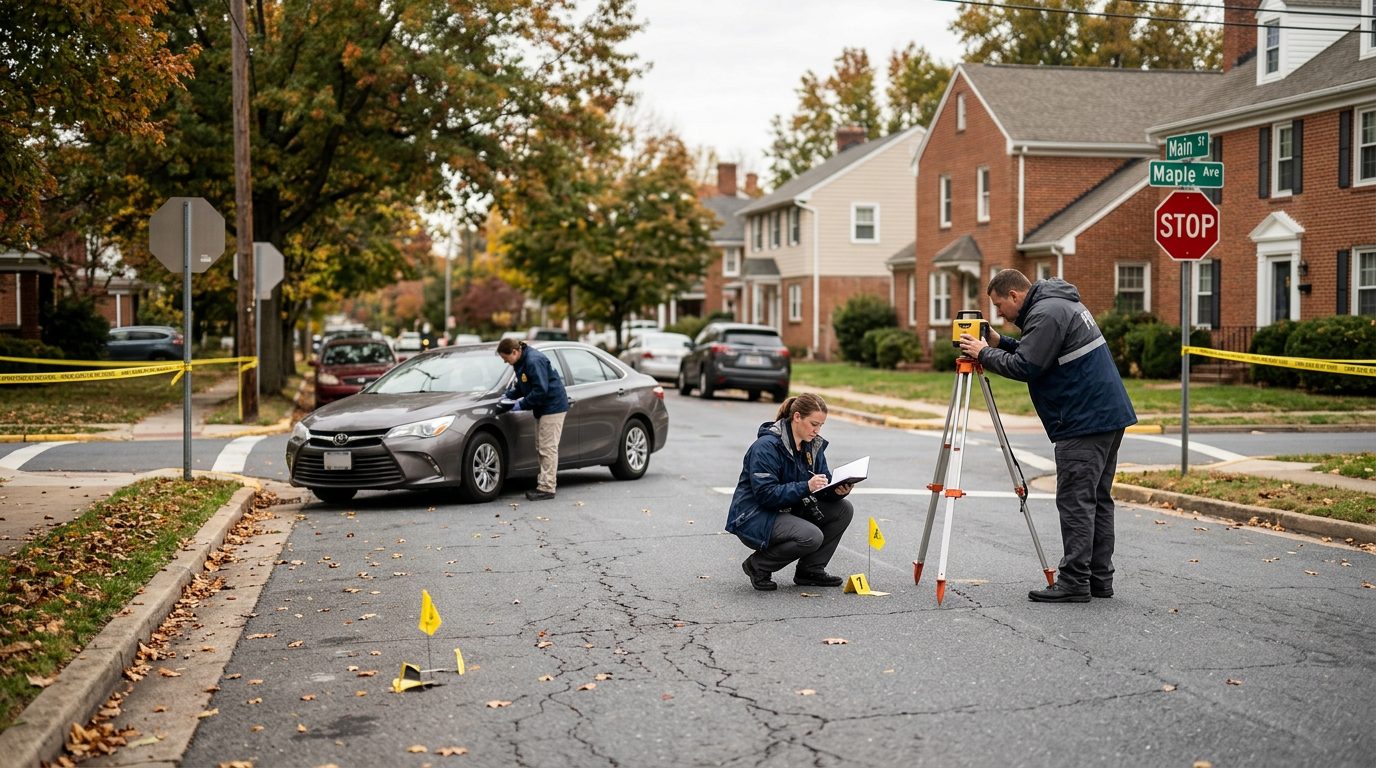
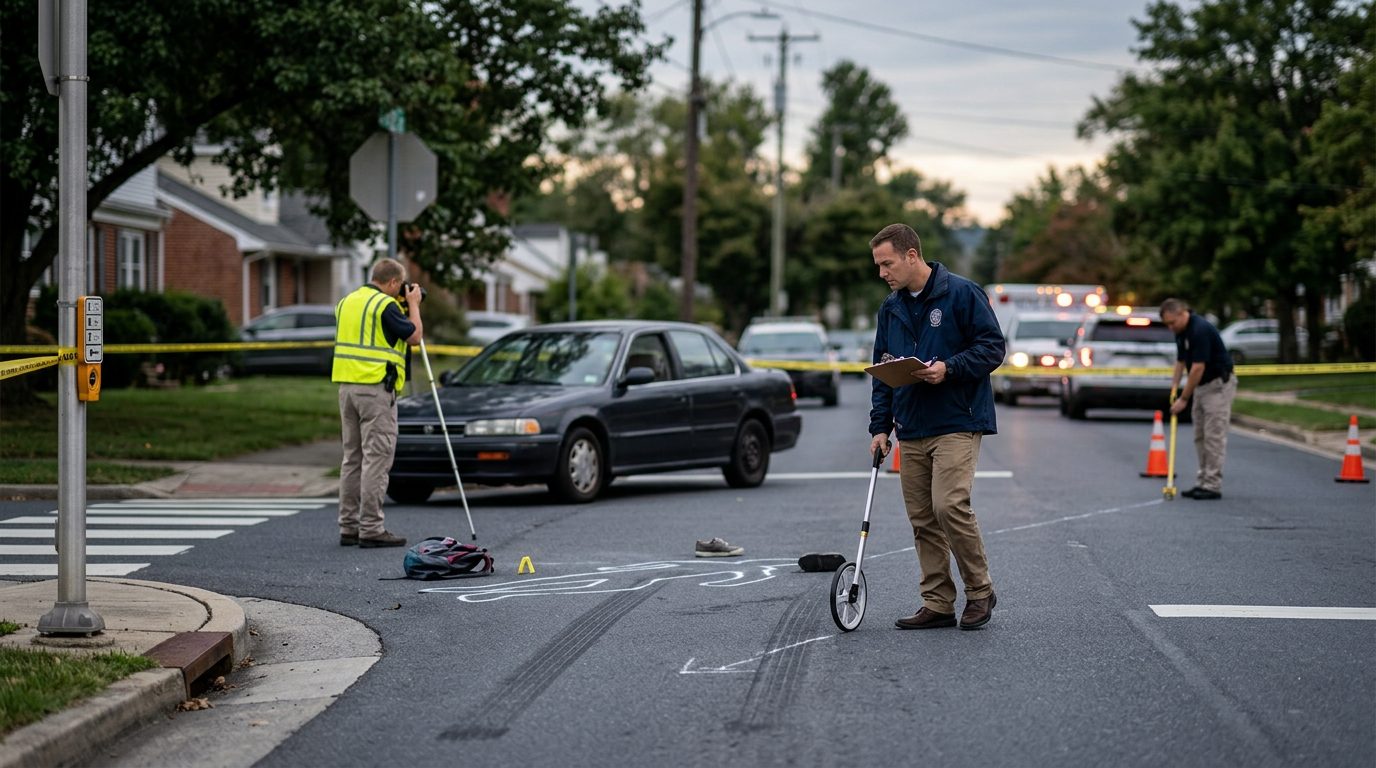
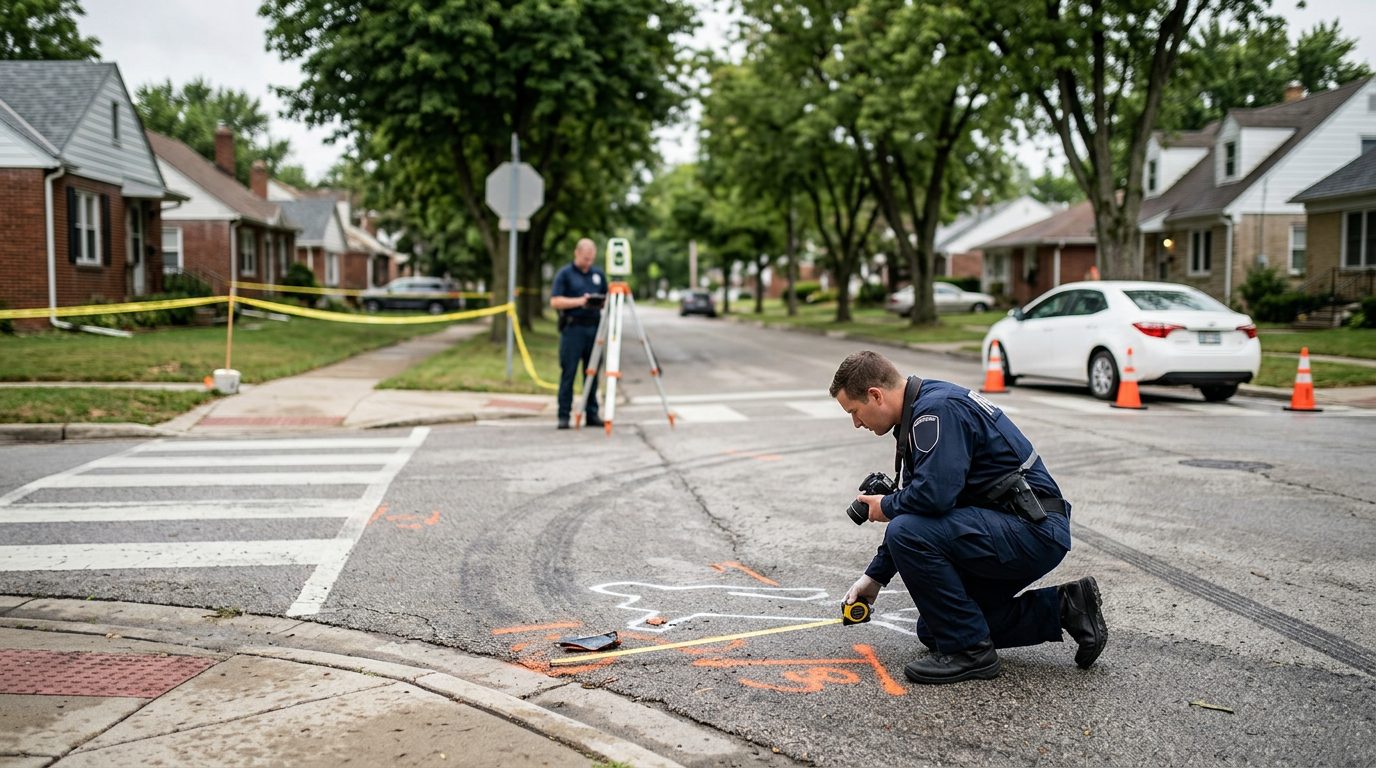
Investigate how the accident happened. We gather police reports, witness statements, photos, and vehicle data. We reconstruct the crash to establish who is responsible.
Document the full scope of your injury. We work with medical professionals—neurologists, rehabilitation specialists, neuropsychologists—to show how the TBI has affected your cognitive function, memory, mood, and ability to work and live independently.
Negotiate with insurance companies. We present the medical evidence and demand fair compensation. Most cases resolve through negotiation, but we’re prepared to take your case to trial if the insurer refuses to offer what you deserve.
Protect your long-term interests. We think about your future. What will your care look like in five years? Ten years? We fight for compensation that reflects the true, lifetime cost of your injury.
Not sure what your next step is?
Talk it through with our team — the first case evaluation is free, confidential, and carries no obligation.
The Road to Recovery and Legal Action
Immediately after a head injury in a crash, seek medical care—even if you feel fine. Tell the doctor about any head impact, no matter how minor it seemed. Get a written report. This documentation is essential later.
Preserve evidence: take photos of vehicle damage, the accident scene, and any visible injuries. Write down what you remember while it’s fresh. Get contact information from witnesses. Don’t discuss fault or your injuries with the other driver’s insurance company without legal counsel.
Recovery from TBI is often a long process. You may need emergency care, hospitalization, imaging (CT or MRI), rehabilitation, physical therapy, occupational therapy, speech therapy, and neuropsychological evaluation. Each of these creates a medical record that proves the severity of your injury and its impact on your life.
Your rehabilitation and ongoing treatment directly factor into your claim. The more thorough your medical documentation, the stronger your case for fair compensation. This is why acting quickly matters: early medical evaluation and legal representation ensure nothing falls through the cracks.
Local Resources and Support in Harrisonburg
You don’t face recovery alone. Brain Injury Connections of the Shenandoah Valley provides community-based services including case management, community support, behavior support consultation, and advocacy. They understand the Shenandoah Valley and the specific challenges people here face after a brain injury.
Virginia’s Division of Rehabilitative Services (DARS) offers brain injury services and resources to support your recovery and reintegration into work and community life. These organizations complement the legal work we do—they help you heal, and we help you recover the compensation you need to pay for that healing.
Understanding Virginia’s Negligence Rule
Virginia follows a rule called pure contributory negligence. This means that if your own negligence contributed to the accident, it can affect your claim, and how depends on the specific facts of your case. This is a strict rule, and it’s why the facts matter so much. We investigate thoroughly to show that the other driver—not you—caused the crash.
Have questions about what happened?
Ask our team directly. The first conversation is free, confidential, and there is no obligation to continue.
Frequently Asked Questions
What should I do immediately after a head injury in a crash?
Seek medical care right away, even if you feel okay. Tell the doctor about any head impact. Get a written report, preserve evidence, and avoid discussing the accident with the other driver’s insurance company.
How long do I have to file a lawsuit for a brain injury in Virginia?
You generally have two years from the date of injury to file a personal injury lawsuit (Va. Code § 8.01-243). After that deadline, your claim is barred.
Can I recover damages if I was partially at fault for the accident?
Virginia’s contributory negligence rule is strict, and how it applies depends on the specific facts of each case (Contributory negligence bars recovery in Virginia). This is why establishing the other driver’s liability is crucial.
What costs are involved in a brain injury claim?
Medical bills, rehabilitation, lost wages, and ongoing care add up quickly. Insurance companies often underestimate these costs. A lawyer helps you pursue compensation that reflects the true, lifetime expense of your injury.
What if the accident involved a commercial truck?
Commercial truck accidents often involve additional liability issues—federal safety regulations, driver fatigue, maintenance records, and company policies. We investigate these thoroughly.
If you’re dealing with a traumatic brain injury from a crash in Harrisonburg or the Shenandoah Valley, it can help to talk with someone about what happened. You don’t have to navigate this alone. Schedule a free case evaluation with Correll Law Firm to discuss what happened, understand your rights, and learn what comes next.
Seek Medical Care First
After any head impact in a crash, get medical attention right away—even if you feel okay at first. Traumatic brain injuries can develop over hours or days. Tell your doctor about the impact and keep all medical records.
What Happens After a Head Injury in a Crash
Immediate Steps
Seek medical evaluation promptly. Document the crash scene if safe. Avoid discussing details with the other driver's insurance company. Preserve evidence like photos, witness contact information, and the police report.
Medical Documentation
Get written medical records from your initial visit and all follow-up care. Brain injuries often require imaging, neurological testing, and ongoing treatment. These records are vital to understanding your injury and your claim.
Your Legal Rights
In Virginia, you generally have two years from the date of injury to file a lawsuit (Va. Code § 8.01-243). The at-fault driver may be responsible for compensating you for medical bills, lost wages, pain and suffering, and other damages. An attorney can help you understand your options.
Why You Need Legal Guidance
Insurance companies often undervalue brain injury claims. An attorney can investigate the crash, gather medical evidence, and advocate for fair compensation while you focus on recovery.
Why Choose Correll Law Firm
Local Representation in Harrisonburg
We have an office in Harrisonburg and serve people throughout the Shenandoah Valley, Richmond, and Henrico County. You can meet with us locally.
Focused on Serious Injuries
We focus exclusively on car accidents, truck accidents, catastrophic injuries, and wrongful death. We understand the complexity of traumatic brain injury claims.
No Fees Unless There Is a Recovery
No attorney’s fee unless we win. Clients may remain responsible for costs accrued in the case.
Free Case Evaluation
Call us for a free case evaluation. We'll listen to what happened, explain your rights, and discuss next steps with no obligation.
Ready to Discuss Your Case?
Related practice areas
- Traumatic Brain Injury from Car and Truck Accidents: Legal Help in Virginia
- Traumatic Brain Injury in Virginia
- Traumatic Brain Injury in Front Royal: Legal Help & Recovery