
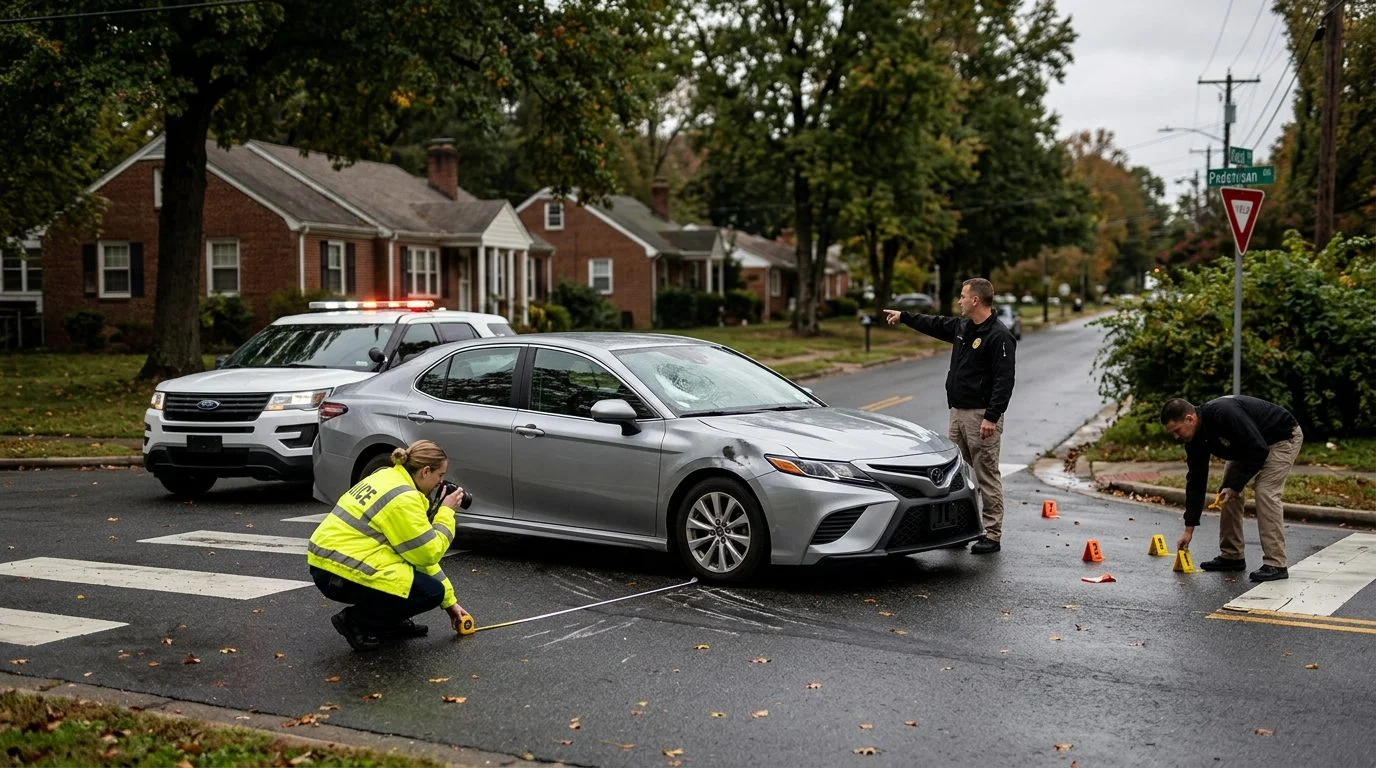
Car Accidents | Winchester and Harrisonburg
Symptoms to Note After a Brain Injury and Crash-Related PTSD
Changes in mood, sleep and memory can follow a serious crash long after the physical injuries begin to heal. Knowing what to watch for can help you describe them to your doctors.
Published November 23, 2026
After a serious crash, your mood, memory, sleep or focus may change. Those changes can come from a brain injury, from trauma, or from both.
A dated, factual symptom record helps a clinician sort out what you’re experiencing.
How PTSD and brain injury can occur together after a crash
A serious crash can cause a physical brain injury and a psychological trauma response at the same time. Vehicle crashes can cause moderate to severe traumatic brain injuries along with other bodily injuries. Those injuries can affect physical abilities, relationships, home life, work and recovery.
PTSD, or post-traumatic stress disorder, is a condition that can follow a frightening or life-threatening event. A crash often fits that description. Not everyone hurt in a crash develops PTSD, and a crash with few visible injuries can still be frightening.
Only a clinician can diagnose PTSD or a brain injury. How these conditions show up depends on the facts of each person’s injury and history. Many people notice symptoms days or weeks after the crash, when the shock wears off. That delay can happen, and it’s worth noting in your records. Both conditions can be present at once, so a clinician may look at both together.
If changes in your mood, memory or sleep began after a crash, you don't have to sort them out alone. The firm is glad to talk through your situation. Talk it through with Correll Law Firm — we can walk you through how a situation like yours is usually handled and what your options are.

Core PTSD symptom groups to note
PTSD symptoms generally fall into four groups: intrusive memories, avoidance, changes in thinking and mood, and changes in alertness and reactions.
Intrusive symptoms include unwanted memories of the crash, nightmares, and strong distress when reminded of driving or traffic noise.
Avoidance means steering clear of driving, certain roads, vehicles, or talk about the crash. Avoidance can make daily life smaller over time.
Changes in thinking and mood can include persistent negative beliefs about yourself or others, feeling detached from people, or being unable to recall important parts of the crash.
Changes in alertness and reactions include being easily startled, feeling on edge, irritability, trouble sleeping, and trouble concentrating.
Clinicians use the diagnostic criteria in DSM-5-TR, published by the American Psychiatric Association. A clinician looks at how long symptoms last and how much they get in the way of daily life. These groups also overlap with brain injury symptoms, covered next.
Brain injury symptoms that overlap with PTSD
Many brain injury symptoms look like PTSD symptoms, and that overlap makes both harder to sort out.
Common brain injury and post-concussion symptoms include headaches, dizziness, fatigue, slowed thinking, memory gaps, sensitivity to light or noise, and mood swings.
Trouble sleeping, irritability, poor concentration and low energy can come from either source. That’s why a single symptom rarely tells the full story.
A clinician may use neurological testing and a detailed history to separate brain-related symptoms from trauma-related ones. Bring a written timeline to that visit. It gives the clinician a starting point. Note which symptoms began at the crash, which started later, and which got worse.
Don’t try to decide the cause on your own. Let the clinician make that call. A common mistake is waiting to mention symptoms until they feel severe. Mention them early, even if they feel small, so the history is complete.
Signs of trauma in adults
Signs of trauma in adults often appear as changes from how a person functioned before the crash.
Watch for withdrawal from family, friends or work, emotional numbness, sudden anger, strong startle reactions, and changes in appetite or alcohol use.
Signs can show up right away, or they can build over weeks or months. Many people minimize them, saying they’re fine or that it will pass.
The most useful question is whether a change is new. Compare how you handled work, driving, sleep and family before the crash with how you handle them now. A change that is new, lasting and getting in the way of daily life deserves a closer look from a clinician.
Family members often notice changes first. Write down their observations alongside your own notes. Be honest, even about things that feel embarrassing, such as crying in the car or drinking more than usual. Honest notes are more useful than notes that try to sound better or worse than the facts.
Can symptoms or new health problems appear later?
Yes. Some symptoms can start or change months or years after a crash.
Raise any new change with a doctor. Don’t assume it’s only emotional. Stress and brain injury can both affect mood, but a new physical symptom still needs medical review.
Some warning signs need emergency care right away. These include sudden weakness or numbness on one side of the body, slurred speech, sudden vision loss, sudden confusion, and a severe headache. Don’t wait for a scheduled appointment.
Tell the emergency team about the crash, any head impact, and any loss of consciousness you remember. Write those details in your log if you can.
Keep following up even when symptoms seem to fade. Changes that come and go are still worth recording. Your records from the first medical visits matter here, since they show what was reported and when.
Coping with brain injury and processing trauma
Daily routines can make symptoms easier to manage while you work with your care team.
Keep a regular sleep schedule, even on days you feel tired. Pace activity so you rest before you run out of energy, not after.
If headaches flare, cut back on screens and bright or noisy spaces. Keep a simple daily routine for meals, medicine and appointments.
Trauma-focused counseling and other mental health treatment are options a licensed clinician can discuss with you. A treatment plan should fit your medical history, including any medicines you already take.
Family and friends can help by learning the symptoms, noticing changes, and encouraging follow-up appointments. Driving someone to an appointment is a practical help.
Coping steps don’t replace medical care. They work alongside it. Stay connected with people you trust, even when it feels like too much. If you have thoughts of harming yourself, tell someone and get help right away.
Not sure what your next step is?
Talk it through with Correll Law Firm — we can walk you through how a situation like yours is usually handled and what your options are.
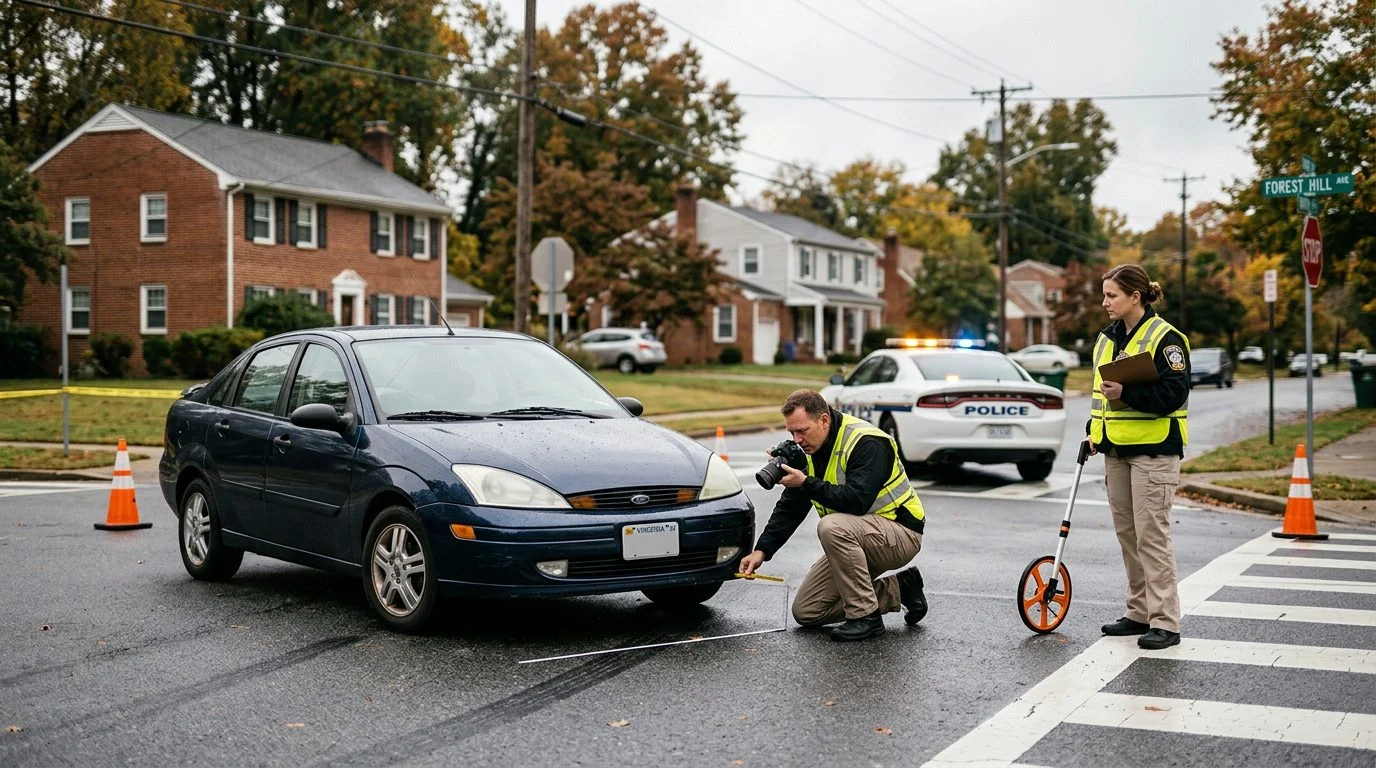
How to document mental health symptoms after a crash
A dated symptom log is a simple, useful record. For each entry, write the date, what you noticed, how long it lasted, and what seemed to trigger it. Add how it affected work, driving, sleep and family life.
Keep every medical record, appointment summary, and prescription list. Keep a copy of the crash report too. Note which clinician said what, and when.
Virginia requires a driver involved in a crash with injury or death to stop and report it to police immediately (Va. Code § 46.2-371; Va. Code § 46.2-894). Write down the police report number and keep it with your other records.
Clear, factual, consistent notes are easier for a clinician to use. They can also help anyone reviewing the events later. The firm’s offices are in Winchester and Harrisonburg. It represents people hurt in car and truck crashes, including serious brain injuries, from the Shenandoah Valley to Richmond and Henrico County.
Can a car crash cause PTSD even if the injury seemed minor?
Yes, a frightening crash can lead to PTSD symptoms even when physical injuries looked minor. A clinician can evaluate that.
When do PTSD symptoms start after a car accident?
They can begin right away or build over weeks or months. A dated log makes the timing clear.
What should I write down about my mood and memory?
Write the date, what you noticed, how long it lasted, what set it off, and how it affected your work, driving and sleep.