
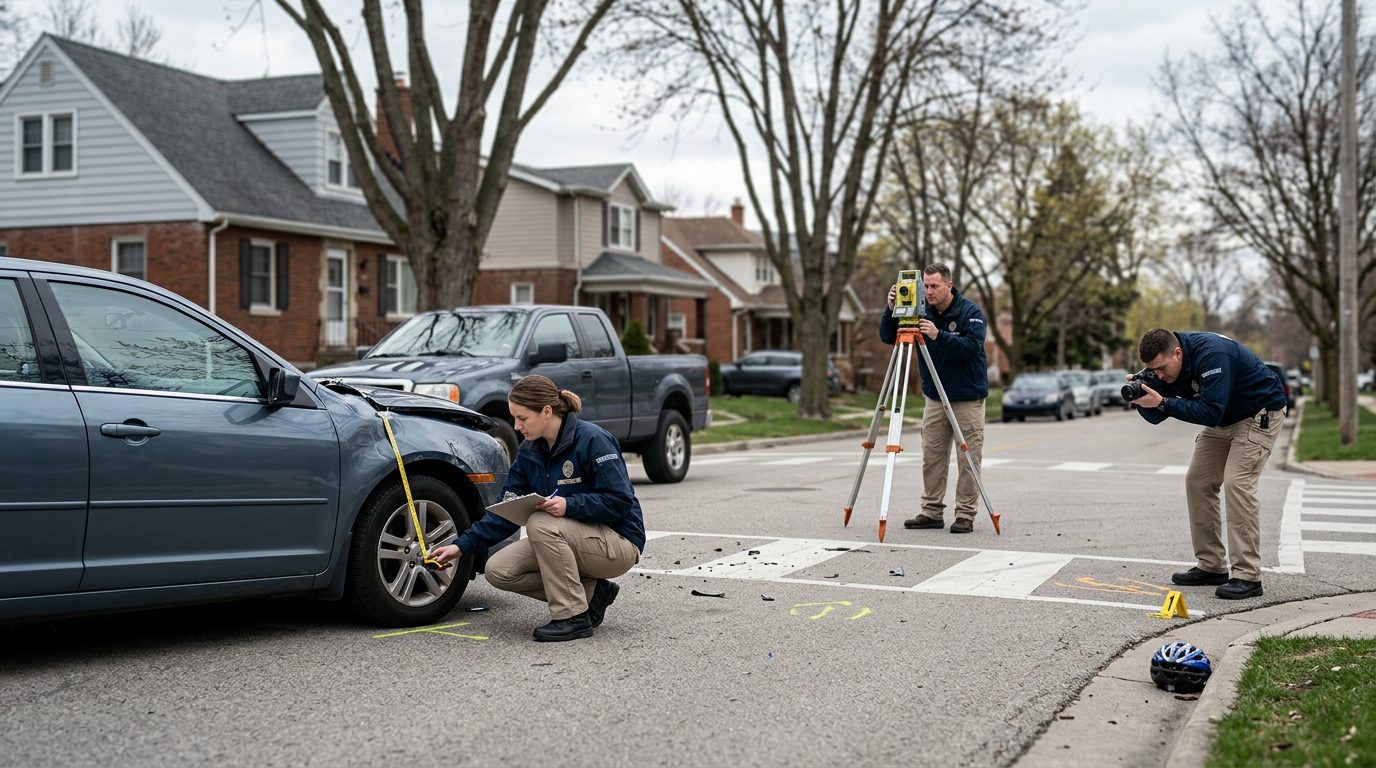
Traumatic Brain Injury
TBI from a Car or Truck Accident in Winchester
Recovery takes months or years. You need medical care, support, and legal representation to hold the at-fault driver accountable.
Published October 02, 2026
Traumatic Brain Injury from a Car or Truck Accident in Winchester
A traumatic brain injury (TBI) occurs when a sudden impact or jolt damages brain function. In a car or truck accident, that impact can happen in an instant—but recovery takes months or years. If you’ve suffered a TBI in Winchester or the Shenandoah Valley, you need to understand what’s happening to your body and brain, what recovery looks like, and how to secure the resources you’ll need. You also need legal representation to hold the at-fault driver or company accountable.

If you've suffered a traumatic brain injury in a car or truck accident, reach out as soon as you're able. Talk it through with our team — the first case evaluation is free, confidential, and carries no obligation.
What Happens After a Traumatic Brain Injury in a Winchester Accident
A TBI happens when your head strikes an object, or an object strikes your head, with enough force to damage how your brain works. Symptoms may appear immediately—a headache, dizziness, or confusion right after the crash. Other times, they develop over hours or days as swelling builds inside the skull.
Common early signs include headache, confusion, memory problems, dizziness, and sensitivity to light or noise. You might feel drowsy, have trouble concentrating, or experience mood changes. Severity ranges from mild concussion (which still requires medical attention) to severe injury with lasting effects on movement, speech, or consciousness.
Even if you feel “okay” after an accident, seek medical evaluation right away. Many TBI symptoms are invisible at first. A doctor can order imaging—CT scan or MRI—to rule out bleeding or swelling. Early diagnosis and treatment reduce the risk of complications and create a medical record that documents your injury from the start.
Can TBI Affect You Years Later?
Yes. Many people assume a concussion is a one-time event, but the brain’s injury can have lasting ripples.
Post-concussion syndrome causes symptoms to persist for weeks to months after injury. Headaches, memory trouble, difficulty concentrating, and mood changes linger long after the accident. Some people experience delayed complications—cognitive decline, mood shifts, or new neurological symptoms—months or even years after the crash.
The risk grows if you’ve had multiple TBIs. Each injury compounds the brain’s vulnerability. Long-term effects may include persistent headaches, sleep disruption, difficulty with attention and memory, anxiety, depression, and changes in personality or behavior.
This is why ongoing medical monitoring and careful documentation matter. Your doctor’s records show the injury’s full scope—not just the acute phase, but the months and years of recovery. That documentation is essential when building your case for compensation.
What Are the Treatment Options for Traumatic Brain Injury?
Treatment depends on the severity of your injury and unfolds in stages.
Acute care happens in the hospital. Doctors monitor you, order imaging, and may prescribe medication to reduce brain swelling. You might spend hours or days under observation to catch any complications early.
Rehabilitation is where most recovery happens. Physical therapy helps you regain strength and balance. Occupational therapy teaches you how to manage daily tasks—dressing, cooking, working—as your brain heals. Speech therapy addresses communication or swallowing problems. Cognitive rehabilitation focuses on memory, attention, problem-solving, and executive function—the skills that let you think, plan, and work.
Mental health support is crucial. Depression, anxiety, and behavioral changes are common after TBI. Counseling and sometimes medication help you process the emotional weight of your injury and adapt to changes in your life.
Long-term care may include ongoing therapy, medication management, lifestyle adjustments, and support services. Some people need accommodations at work or school. Others benefit from support groups or family counseling.
All of this costs money. Medical bills, therapy sessions, lost wages while you recover—they add up fast. Documenting every treatment, every therapy session, every specialist visit builds the evidence of your injury’s true impact. That’s what allows us to fight for compensation that actually covers your care.
Not sure what your next step is?
Talk it through with our team — the first case evaluation is free, confidential, and carries no obligation.
Recovery and Life After a Brain Injury
Recovery timelines vary widely. Some people improve quickly; others need months or years. There’s no single “normal” after a TBI.
Neuroplasticity—the brain’s ability to rewire and adapt after injury—is why rehabilitation works. Your brain can form new pathways, compensate for damaged areas, and rebuild function. But that process takes time, repetition, and often professional guidance.
Returning to work or school may require accommodations: flexible hours, a quieter workspace, breaks for fatigue, modified duties. Your employer or school may need to adjust expectations while your brain heals. Some people return full-time quickly; others work part-time or take a leave of absence.
Family and caregiver support plays a major role in recovery. Your loved ones help you manage daily tasks, attend therapy, stay motivated, and navigate the emotional challenges of brain injury.
Quality of life often changes after TBI. Your work capacity, relationships, independence, and sense of self may shift. That’s not something insurance companies always account for. A law firm that understands TBI knows how to quantify those changes and fight for your right to recover.
What Not to Say to Someone with a Brain Injury
If you’re recovering from TBI, you’ll hear comments that sting. Understanding them helps you—and helps your family and friends understand what you’re going through.
Avoid minimizing: “It’s just a concussion” or “You’ll be fine” dismiss real, variable effects. TBI is serious, and recovery is individual.
Don’t rush healing: “When will you be back to normal?” puts unhelpful pressure on your recovery. There’s no timeline you can control.
Avoid blame: “You should have been more careful” adds emotional burden when you’re already struggling.
Don’t assume invisibility means no injury. Brain injuries are often not visible. You might look fine while struggling with memory, focus, mood, or fatigue.
Understanding TBI helps family, friends, and employers support your recovery instead of adding stress.
How Long After TBI Can You Drink Alcohol?
Most doctors recommend waiting until full recovery before resuming alcohol use—and for many people, that means months or longer.
Alcohol slows healing and can worsen cognitive and mood symptoms. Your post-TBI brain is more sensitive to alcohol than before. You may feel drunk faster, experience worse hangovers, or have stronger mood swings.
Many TBI treatments—pain relievers, sleep aids, mood stabilizers, anti-seizure medications—interact dangerously with alcohol. Mixing them can reduce medication effectiveness, cause dangerous side effects, or trigger new symptoms.
Always consult your doctor before resuming alcohol consumption. They know your specific injury, your medications, and your recovery progress. Their guidance is the only safe standard.
Why You Need Legal Representation After a TBI from a Car or Truck Accident
Medical bills, rehabilitation costs, and lost wages add up quickly after a brain injury. Insurance companies often underestimate the long-term impact. They may offer a settlement that covers a few months of therapy—not the years of care and support you actually need.
In Virginia, you generally have two years from the date of injury to file a personal-injury lawsuit. Virginia law can pause that period in certain situations—for example, when the injured person is a minor or incapacitated, or while a related criminal prosecution is pending—but missing the deadline that applies to you can mean losing your right to pursue compensation.
Virginia also follows pure contributory negligence: if your own actions contributed to the accident in any degree, you may recover nothing—with narrow exceptions (Contributory negligence bars recovery in Virginia). This rule makes skilled legal representation essential. Your attorney must build a case that clearly shows the other driver or company was at fault, not you.
Documenting the full scope of your injury—immediate and long-term—requires careful case building. You need medical records, expert testimony, rehabilitation documentation, and evidence of lost earning capacity. A law firm that understands TBI can work with medical experts to show the true cost of your injury.
You deserve compensation for past and future medical care, lost wages, lost earning capacity, and pain and suffering. A law firm that fights for people with catastrophic injuries knows how to pursue that compensation.

Have questions about what happened?
Ask our team directly. The first conversation is free, confidential, and there is no obligation to continue.
Correll Law Firm Serves Winchester and the Shenandoah Valley
Correll Law Firm has offices in Winchester and Harrisonburg. We represent people seriously hurt in car and truck accidents across the region—from Winchester to Richmond and Henrico County.
We handle catastrophic injuries, including traumatic brain injury and spinal cord injury. We work with medical experts to document the full impact of your injury. We pursue fair compensation so you can focus on recovery, not worry about how you’ll pay for the care you need.
If a car or truck accident left you or a loved one with a brain injury, you may have a claim for the full cost of your recovery—medical care, lost wages, and ongoing support. Call or schedule your free case evaluation with Correll Law Firm today.
What We Handle for TBI Victims
Car Accident TBI Claims
We represent people injured in passenger vehicle crashes across Winchester, the Shenandoah Valley, and beyond.
Truck Accident TBI Claims
Commercial truck collisions often cause severe brain injuries. We pursue claims against drivers, trucking companies, and their insurers.
Ongoing Support for Recovery
We work with medical providers and life-care planners to document the full scope of your injury and long-term needs.
Accountability & Fair Compensation
We build a case to hold the at-fault party responsible and secure resources for your medical care, lost wages, and quality of life.
Act Quickly
Evidence from a crash scene can disappear, and memory fades. If you've suffered a traumatic brain injury in a car or truck accident, reach out as soon as you're able. Early steps protect your claim and your recovery.
Why TBI Cases Require Legal Guidance
Brain Injuries Aren't Always Obvious at First
Symptoms may emerge hours or days after the crash. Insurance adjusters may downplay your injury. We document the full medical picture to prove the harm.
Recovery Is Long and Costly
Rehabilitation, therapy, medications, and ongoing care add up. We calculate the true cost of your recovery—not just immediate medical bills.
You Need Someone Focused on Your Case
While you heal, we handle negotiations with insurers, gather evidence, and prepare your claim so you can focus on getting better.
Correll Law Firm Serves the Shenandoah Valley and Beyond
With offices in Winchester and Harrisonburg, we represent TBI victims throughout the region, including Richmond and Henrico County.