
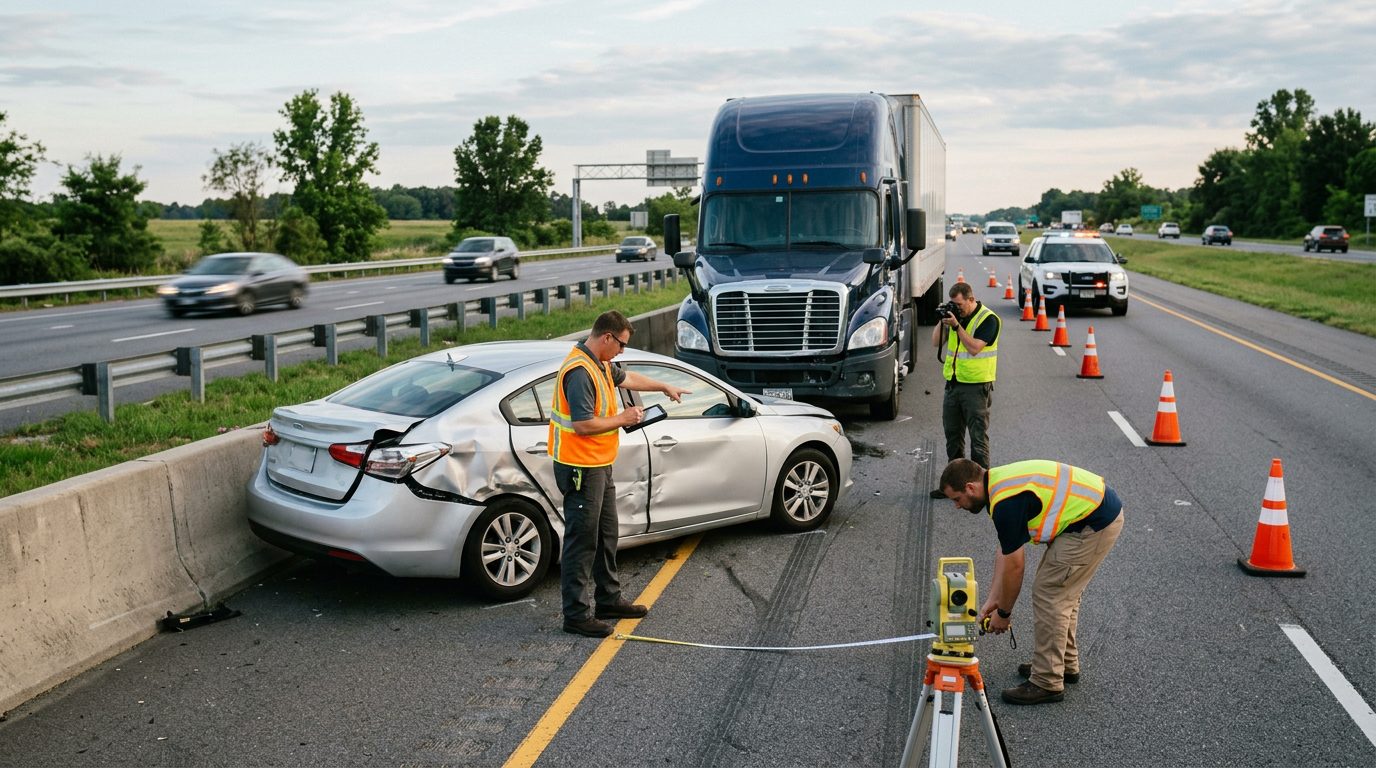
Virginia Spine Injury Guide
What Is a Chance Fracture of the Spine?
A plain-language guide to this spinal fracture pattern, how medical sources describe it, and when a crash injury may be worth discussing with a lawyer.
Where Correll Law Firm works
Virginia
Serving the Shenandoah Valley, Richmond and Henrico County
Published October 16, 2026
What Is a Chance Fracture of the Spine?
What is a chance fracture of the spine? It is a spinal fracture that medical sources describe as a flexion-distraction injury, meaning the spine is bent forward and pulled apart at the same time. This page explains the term in plain language, how medical writing describes it, and what to ask a treating doctor. It also covers when a spine injury after a crash may be worth discussing with a lawyer. This is general information, not medical advice.
Not sure what your next step is?
Talk it through with Correll Law Firm — we can walk you through how a situation like yours is usually handled and what your options are.
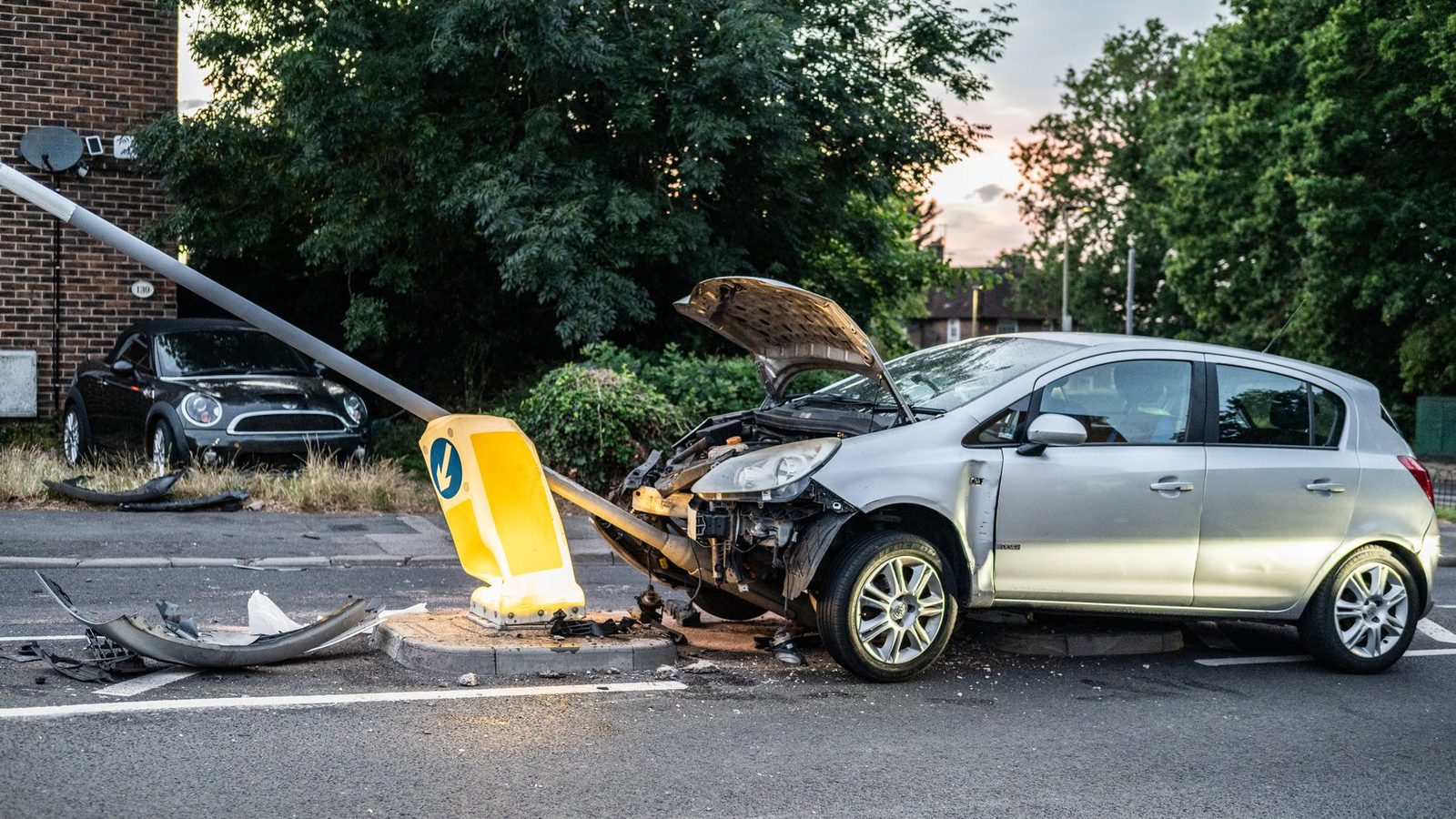
Understanding this spine injury pattern
The Radiopaedia Chance fracture article describes it as a spinal lesion caused by a flexion-distraction injury pattern.
The name traces back to Chance, who is cited as describing the pattern in 1948. A 1984 PubMed-indexed article credits that work and describes the fracture as induced by a flexion-distraction mechanism.
The term names a pattern seen on imaging. It does not describe one set of symptoms, and the treating team interprets findings for each person. Reading the term in a report is a good reason to ask the treating team what it means for you.
Crash-related injuries are the focus here because the firm’s work includes spine injuries after car and commercial truck crashes. For a broader view, read the firm’s guide to wrongful death claims arising from car and truck accidents.
How does a chance fracture happen?
Medical sources reviewed for this page do not give a verified rate for how often crashes cause this injury, so this page makes no frequency claim.
When you describe your crash to a doctor, be specific. Note how you were seated, which way you were moving, and where the belt sat across your body. Those details help the treating team understand the forces involved. Write them down soon after the crash, while you still remember them clearly.
This page does not explain fault or what happened in any particular crash. Those questions depend on the facts and on the records that exist.
Where do chance fractures occur, and how are they described?
A 2004 AJR study of the upper thoracic spine describes the Chance fracture there as a severe injury with a characteristic fracture pattern.
Doctors also use location terms when they describe a spine injury. The terms come from your own imaging, so the treating team’s explanation is the one that counts. Ask which terms apply to your scans and what each one means for you.
You may also see other fracture names in reports, such as burst fracture.
What symptoms can a chance fracture cause?
Symptoms depend on the person and the injury, so this page does not give a symptom checklist. A list could be read as a diagnosis, and no verified source on this page supports a standard set of symptoms.
Any new numbness, weakness, or trouble walking should be raised with a medical provider promptly. The treating team can say which changes need urgent review.
Keep a simple written log of symptoms, with dates and what changed. Bring it to each appointment so the team can see the pattern over time.
Symptom timing also varies. This page does not give a timeline for when symptoms appear, and general online timelines may not match your own situation, so ask your treating providers what to expect.
If a head injury happened in the same crash, a separate guide on mild concussion symptoms covers that injury.
How do doctors diagnose a chance fracture?
Radiology sources present it through scans, such as the Radiopaedia imaging case cited above.
Scans are read by a clinician, and this page cannot read them for you. Bring copies of your imaging reports to the treating team and ask what each finding means for your care.
Not sure what your next step is?
Talk it through with Correll Law Firm — we can walk you through how a situation like yours is usually handled and what your options are.
What recovery questions should go to the medical team?
Questions about recovery, sleep, and daily activity belong with the treating medical team. Outcomes can differ from one person to the next.
This page does not give a recovery timeline, a prognosis, or advice on sleep position, because no verified source on this page supports those points.
Before an appointment, write down your questions. Useful ones include what the imaging shows, what activity limits apply, which symptoms need a call back, and who will handle follow-up care.
Bring a family member or friend if you wish. Ask the team to write down any restrictions or instructions, so you have them in one place.
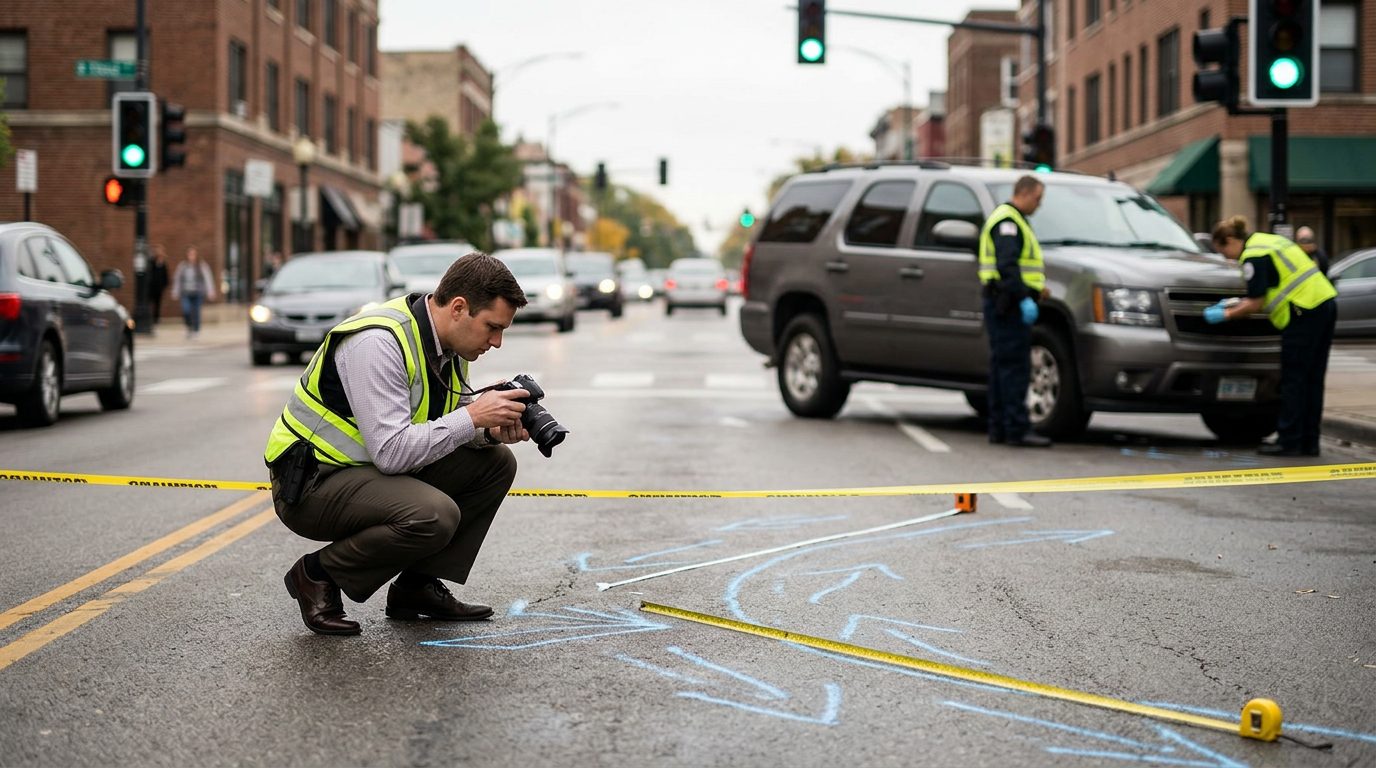
When might a crash-related spine injury be worth discussing with a lawyer?
A spine injury after a car or commercial truck crash may be worth discussing with a lawyer. That may be true when you were hurt yourself, when a family member was hurt, or when a loved one died after a crash involving a spinal fracture. Whether a claim exists depends on the facts, and a lawyer may review them with you.
Crashes involving commercial vehicles raise their own questions about who was responsible. A lawyer may review those questions with you as part of the facts.
Virginia generally allows two years from the date of injury to file a personal injury lawsuit (Va. Code § 8.01-243(A)); the clock runs from the date of injury, not the date of discovery, with narrow exceptions.
A Virginia wrongful death action is filed by the decedent’s personal representative within two years of the death (Va. Code §§ 8.01-50(C), 8.01-244(B)), on behalf of the family members the statute protects.
The firm’s offices are in Winchester and Harrisonburg, and it serves people from the Shenandoah Valley, Richmond and Henrico County. Readers in Henrico County can also see the firm’s page on car accident cases in Henrico County.
Quick answers
Should I see a doctor about a suspected spine fracture?
A medical provider can evaluate a suspected spine injury. This page cannot diagnose one.
Does every crash-related spine injury lead to a lawsuit?
Not necessarily. Whether any claim exists depends on the facts, and a lawyer may review them with you.
Does this article give recovery timelines?
No. Timelines and prognoses belong with the treating medical team.