
Wrongful Death | Virginia
Wrongful Death from Catastrophic Brain Injury in Virginia
When a crash causes a fatal brain injury, your family may have legal rights. Learn what you need to know about wrongful death claims in Virginia.
Published October 04, 2026
Wrongful Death from Catastrophic Brain Injury in Virginia: What Families Should Know
When a catastrophic brain injury from a crash results in death, your family may have a legal right to bring a wrongful death claim under Virginia law. This guide explains what wrongful death means, who can file, what damages are available, and the steps you need to take to protect your rights.
If you've lost someone to a catastrophic brain injury from a crash, you're facing an overwhelming situation—and you may have legal options. Many families in your position reach out to understand what comes next and what they may be entitled to recover. Talk it through with our team — the first case evaluation is free, confidential, and carries no obligation.
Understanding Wrongful Death in Virginia
Wrongful death occurs when someone dies as a result of another person’s negligence or wrongful act. In the context of a catastrophic brain injury from a crash, a wrongful death claim arises when the injury was severe enough to cause death—either immediately or weeks or months after the accident.
Unlike a personal injury claim brought by the injured person, a wrongful death claim is brought by surviving family members on behalf of the deceased. Virginia law provides that the claim is brought by and in the name of the deceased’s personal representative, and it also sets out what damages can be recovered. The claim seeks to compensate the family for their loss and to hold the responsible party accountable.
How Catastrophic Brain Injuries Lead to Wrongful Death
Traumatic brain injury (TBI) from a crash can range from moderate to severe. A catastrophic brain injury may cause death immediately at the scene, or it may result in death days, weeks, or even months after the accident due to complications.
Common fatal brain injuries include diffuse axonal injury (widespread tearing of nerve fibers), severe contusions (bruising of brain tissue), and epidural hematoma (bleeding between the brain and skull). These injuries can cause massive swelling, bleeding, or irreversible damage. Even if the initial injury doesn’t kill immediately, medical complications—such as infection, organ failure, respiratory failure, or seizures—can develop and become fatal.
For a wrongful death claim to apply, the injury itself must be the reason for death. This is why medical records and expert testimony are often critical in these cases.
Who Can File a Wrongful Death Claim in Virginia
Not everyone can bring a wrongful death claim. Under Virginia law, the claim is brought by the deceased’s personal representative. Any recovery goes to the family members the law names as beneficiaries, such as:
- The spouse of the deceased
- The children of the deceased
- The parents of the deceased (if there is no spouse or children)
- Other dependents or heirs, in limited circumstances
The claim is brought by the personal representative for the surviving family members the law names as beneficiaries, and any distribution to them is free from the deceased’s debts and liabilities. If multiple family members are eligible, they may all have a stake in the recovery. An attorney can help you determine whether you have standing to bring a claim and how recovery might be distributed.
What Damages Can Families Recover
Wrongful death claims in Virginia can include several types of compensation, but there can be but one recovery for the same injury:
- Medical expenses incurred before death
- Lost wages and earning capacity the deceased would have earned
- Loss of companionship, comfort, and society experienced by surviving family members
- Funeral and burial expenses
- Punitive damages for willful or wanton conduct or a conscious disregard for others’ safety (capped at $350,000 in Virginia)
Each case is unique. The damages available depend on the specific facts—the deceased’s age, earning potential, the severity of the injury, medical expenses incurred, and the strength of the negligence case. There is no standard formula or average settlement amount.
The Two-Year Filing Deadline
Time is critical in wrongful death cases. Virginia law generally allows two years from the date of death to file a wrongful death lawsuit. This deadline is called the statute of limitations.
There are exceptions to this rule in certain circumstances, but waiting until the last moment can create legal complications and limit your options. Acting quickly allows your attorney to preserve evidence, interview witnesses while their memories are fresh, and investigate the crash thoroughly. Missing the deadline can mean losing your right to recover entirely.
Not sure what your next step is?
Talk it through with our team — the first case evaluation is free, confidential, and carries no obligation.
Establishing Negligence in a Wrongful Death Crash
To win a wrongful death claim, your family must prove that the other party was negligent. Negligence means the other driver or party owed a duty of care, breached that duty, and caused the death.
In car accidents and truck crashes, negligence can include speeding or driving too fast for conditions, distracted driving (texting, phone use, eating), impaired driving (alcohol or drugs), reckless driving or aggressive behavior, failure to maintain the vehicle, and running red lights or stop signs. In commercial truck accidents, negligence may also involve violations of federal trucking regulations, poor vehicle maintenance, or pressure on drivers to exceed safe hours of service.
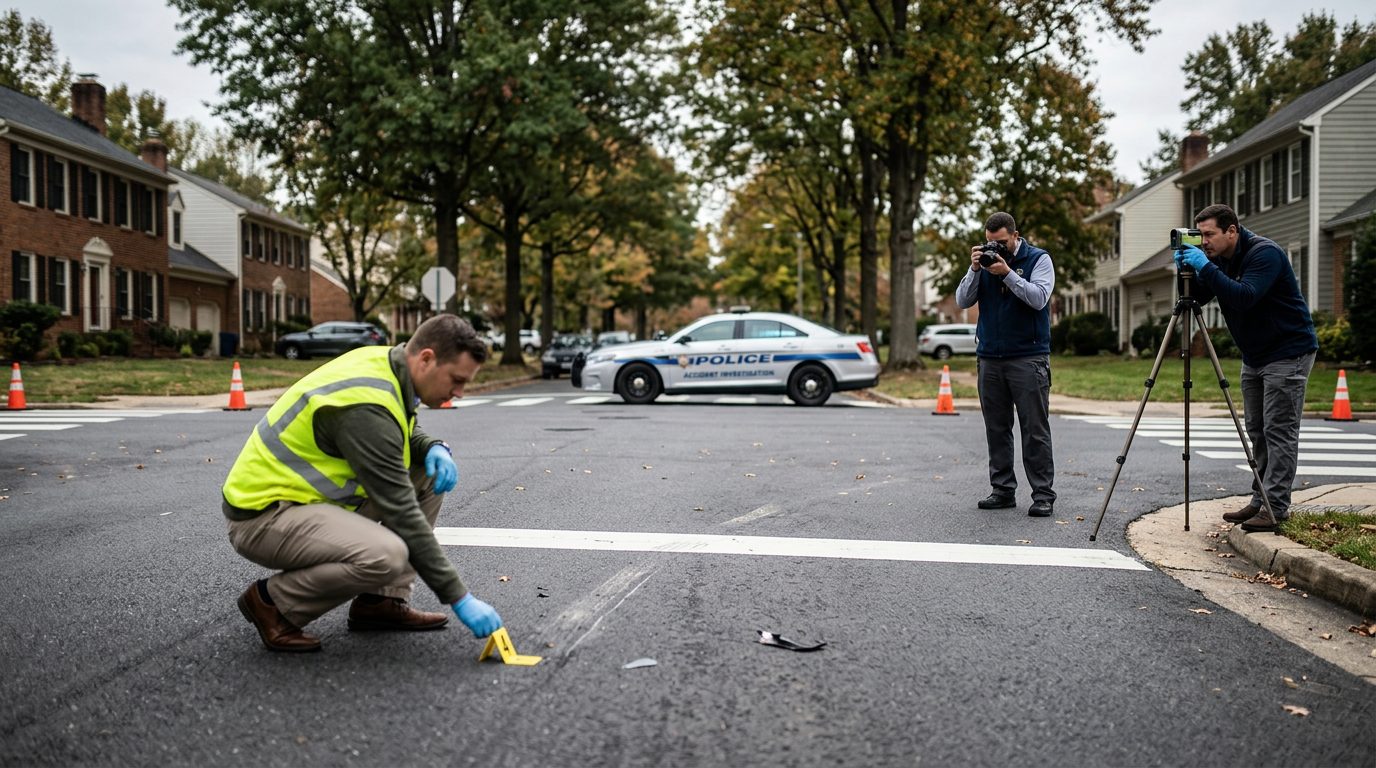
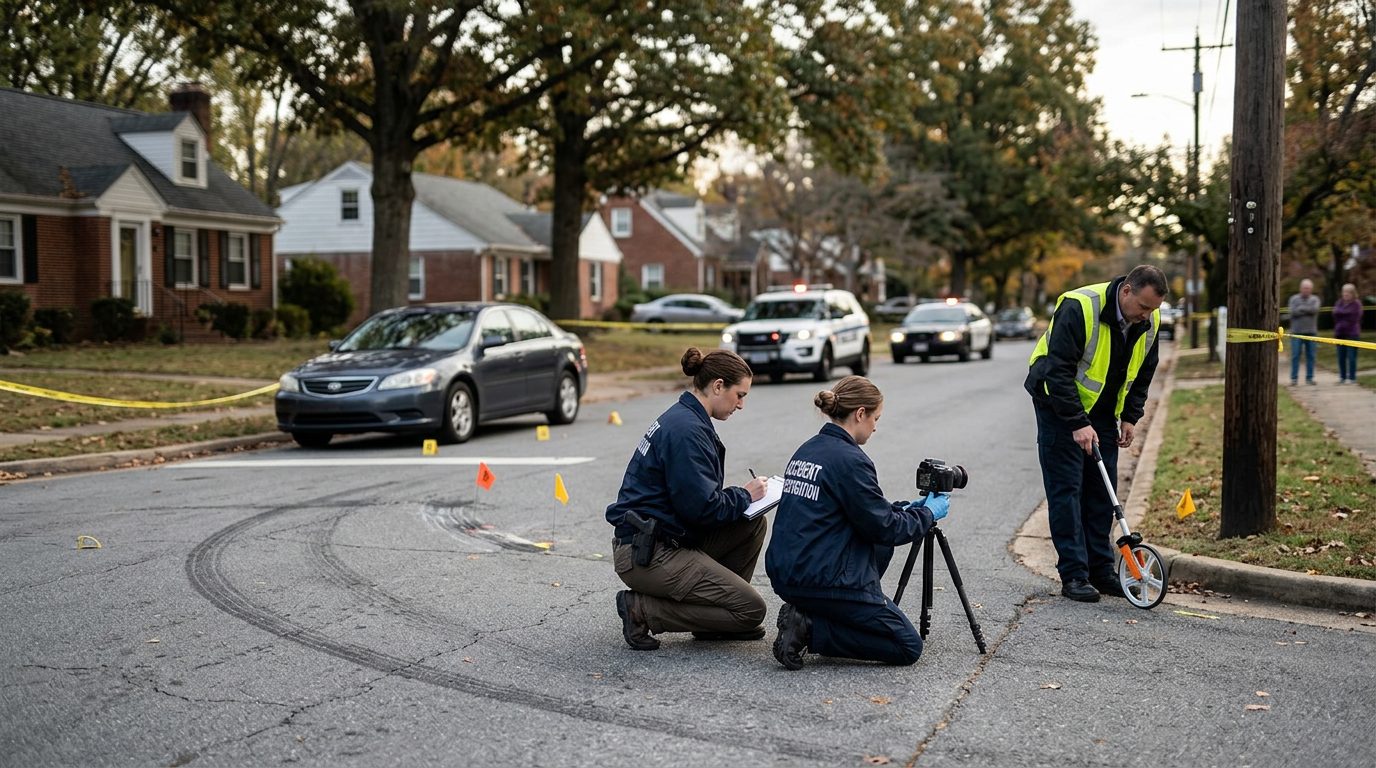
Evidence in these cases typically includes police reports, witness statements, medical records, accident scene photographs, vehicle damage analysis, and expert testimony from accident reconstruction specialists or medical experts.
What Happens in a Wrongful Death Case
After a wrongful death claim is filed, the case typically follows this path:
Investigation and evidence gathering. Your attorney investigates the crash, collects police reports, medical records, and witness statements. Your attorney may hire experts to reconstruct the accident or evaluate the injury.
Discovery. Both sides exchange information, including documents, photographs, written questions (interrogatories), and answers.
Settlement negotiations. Many cases settle before trial. Your attorney will negotiate with the defendant’s insurance company or lawyer to reach a fair resolution.
Trial. If the case does not settle, it proceeds to court. A judge or jury will hear evidence, determine whether the defendant was negligent, and decide what damages should be awarded.
The entire process can take months or years, depending on case complexity, the court’s schedule, and whether the case is contested.
The Role of a Personal Injury Attorney
An experienced attorney handles the legal process so your family can focus on grieving and healing. Your attorney will:
- Investigate the crash and gather evidence
- Communicate with insurance companies and the defendant’s lawyers
- Negotiate settlements or prepare the case for trial
- Ensure you understand your rights and available options
- Handle all legal paperwork and court filings
- Represent your family’s interests throughout the process
Attorneys understand Virginia law, know how to value cases, and can advocate effectively for your family.

Correll Law Firm Handles Wrongful Death Claims
Correll Law Firm has recovered millions of dollars for injured Virginians and their families. We handle wrongful death claims arising from catastrophic brain injuries and other serious injuries caused by car crashes, truck accidents, and commercial vehicle accidents. Our offices are located in Winchester and Harrisonburg, and we serve families throughout the Shenandoah Valley, Richmond, Henrico County, and beyond.
If you’ve lost someone to a catastrophic brain injury from a crash in Virginia, you’re navigating an incredibly difficult time. Many families in your situation reach out to understand what legal options may be available to them. If you’d like to discuss your case and learn what your family’s rights are, we’re here to listen.
No attorney’s fee unless we win. Clients may remain responsible for costs accrued in the case.
Related practice areas
- Wrongful Death Claims from Car and Truck Accidents in Virginia