
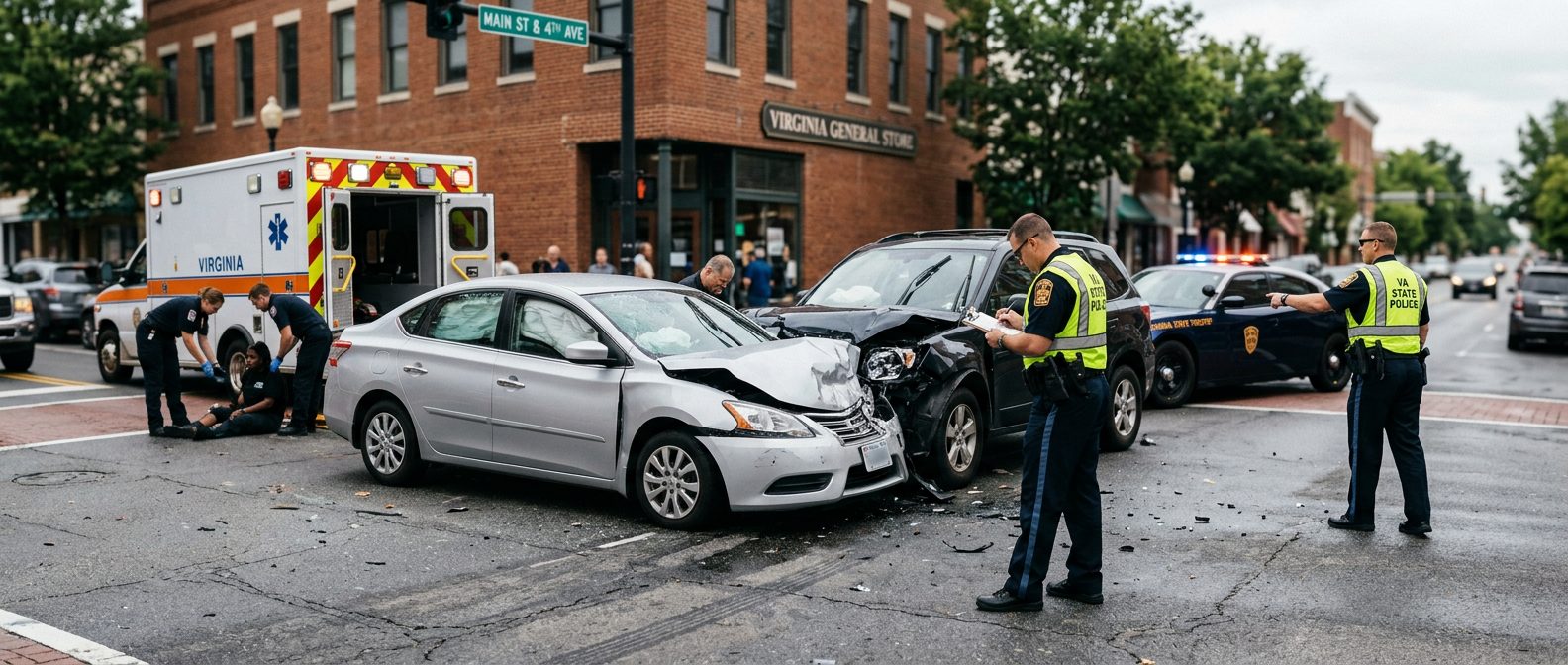
Car Accident Injury
Broken Bone from a Car Accident? We Can Help.
Serious fractures deserve serious representation. Correll Law Firm handles broken bone claims across the Shenandoah Valley, Richmond, and beyond.
Published October 02, 2026
Can You Sue for a Broken Bone from a Car Accident?
Yes. If someone else’s negligence caused your broken bone in a car accident, Virginia law allows you to pursue a claim for damages. Broken bones and fractures are serious injuries, and they’re compensable under Virginia personal injury law. The key question isn’t whether you can sue—it’s whether the other driver was negligent and whether you can prove it. This guide explains what broken bone claims cover, how negligence works, what to expect, and how to move forward.
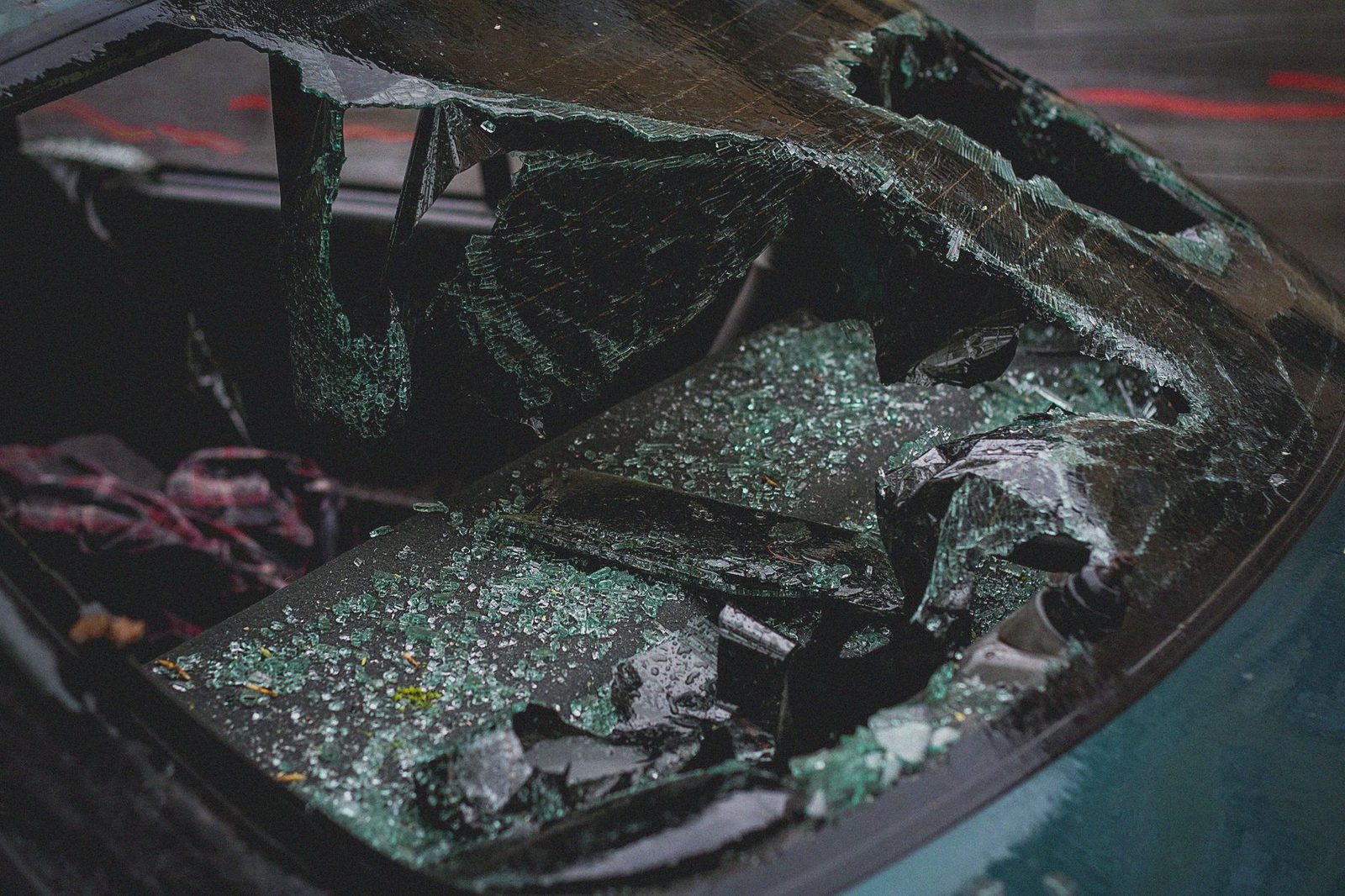
If you have suffered a broken bone or fracture in a car accident caused by someone else's negligence, you may have a claim. Talk it through with our team — the first case evaluation is free, confidential, and carries no obligation.
Yes, You Can Sue for a Broken Bone from a Car Accident
You have the legal right to pursue a claim if someone else’s negligence caused your broken bone. Virginia is a fault-based state: the driver responsible for the accident is liable for your injuries. Broken bones are among the most common serious injuries in car accidents, and courts and insurance companies regularly compensate them.
The foundation of your claim is negligence. Every driver owes you a duty of care—they must follow traffic laws, drive attentively, and avoid reckless behavior. When another driver breaches that duty through speeding, distracted driving, running a red light, or other careless conduct, and that breach causes your accident and your injury, you have grounds for a claim.
What Broken Bone Claims Cover
A successful broken bone claim recovers damages across several categories:
Medical Expenses – Emergency care, ambulance transport, and hospital admission – Diagnostic imaging (X-rays, CT scans, MRI) – Surgery and anesthesia – Hospital stays and inpatient rehabilitation – Physical therapy and ongoing treatment – Medications and medical devices (casts, braces, crutches) – Future medical care related to the fracture
Lost Wages and Income – Wages or salary lost while you recovered – Income lost if you couldn’t work during treatment or rehabilitation – Reduced earning capacity if the injury causes permanent disability
Pain and Suffering – Compensation for physical pain during recovery – Emotional distress and anxiety related to the injury – Reduced quality of life and lost enjoyment of activities – Sleep disruption and other non-economic harm
Permanent Disability or Disfigurement – Lasting functional limitations from the fracture – Scarring or visible deformity – Chronic pain or complications – Need for assistive devices or ongoing care
Property Damage – Vehicle repair or replacement costs (separate from injury damages)
The total value of your claim depends on the severity of your fracture, the type and length of treatment, your recovery time, whether you suffer permanent effects, and the full documentation of your medical bills and lost income.
How Negligence Works in Broken Bone Car Accidents
To win a broken bone claim, you must prove four elements:
1. Duty of Care Every driver on Virginia roads owes you a duty of care. This is automatic and doesn’t require proof.
2. Breach of Duty You must show the other driver breached that duty through negligent or reckless conduct. Examples include: – Speeding or driving too fast for conditions – Distracted driving (texting, phone use, eating) – Running a red light or stop sign – Failing to yield the right of way – Driving under the influence – Aggressive or reckless maneuvers – Failing to maintain their vehicle
3. Causation You must prove the driver’s breach directly caused your accident and your broken bone. This means showing a clear link between their negligence and your injury.
4. Damages You must document your injury and losses: medical records, bills, imaging, treatment notes, lost wage statements, and evidence of your pain and disability.
Virginia’s Pure Contributory Negligence Rule
Virginia follows contributory negligence: if you are found even partly at fault, you may be barred from recovering, with limited exceptions (Contributory negligence bars recovery in Virginia). Talk to a lawyer about your facts. It’s one of the harshest rules in the country, which is why proving the other driver’s negligence—and your own lack of fault—is critical.
Types of Broken Bones and Fractures in Car Accidents
Car accidents produce a wide range of fractures, depending on the direction and force of impact:
- Arm and wrist fractures: Common from bracing against the steering wheel or dashboard during impact.
- Leg and ankle fractures: Result from dashboard impact, pedal entrapment, or crushing injuries.
- Rib fractures: Caused by seat belt or steering wheel impact; serious if they puncture the lungs or cause internal bleeding.
- Pelvis fractures: Severe injuries often requiring surgery, extended hospitalization, and months of recovery.
- Collarbone and shoulder fractures: From direct impact or seat belt force during sudden deceleration.
- Spinal fractures: Can cause catastrophic injury and permanent neurological damage; require immediate emergency care.
- Facial and jaw fractures: From airbag deployment, impact with interior surfaces, or ejection.
Each type carries different recovery timelines and long-term effects. Some fractures heal within weeks; others require months or years of rehabilitation.
If you've been injured in a car or truck accident, reach out to us right away. Talk it through with our team — the first case evaluation is free, confidential, and carries no obligation.
What Happens After a Broken Bone Car Accident: The Claim Process
Step 1: Seek Immediate Medical Care Get emergency treatment right away. Document your injury and all treatment from day one. Medical records are the foundation of your claim.
Step 2: Report the Accident Call police and obtain a copy of the accident report. The report documents the other driver’s conduct and often includes fault findings.
Step 3: Gather Evidence – Photograph vehicle damage, the accident scene, and your visible injuries – Collect witness contact information – Get the other driver’s name, phone number, address, insurance details, and license plate – Note road and weather conditions, traffic signals, and any violations you observed
Step 4: Notify the Insurance Company Report your injury claim to the at-fault driver’s insurance company. Provide basic information but don’t give a recorded statement without legal advice.
Step 5: Keep Detailed Records Document everything: – All medical bills and receipts – Treatment notes and imaging reports – Proof of lost wages (pay stubs, employer letter) – Prescription receipts – Travel costs for medical appointments – Correspondence with insurance adjusters
Step 6: Consult a Personal Injury Attorney An attorney can evaluate your claim, handle insurance negotiations, and protect your rights. Most broken bone claims settle, but if the insurance company refuses a fair offer, your attorney can file suit.
Step 7: Settlement Negotiation or Litigation Your attorney will demand a settlement. If the insurance company makes a reasonable offer, you may settle. If not, your case proceeds to trial, where a jury decides liability and damages.
How Much Is a Broken Bone Settlement Worth?
Settlement amounts vary widely. There is no standard formula or average that applies to all broken bone claims.
Factors That Increase Settlement Value – Surgery required to repair the fracture – Multiple fractures or complex breaks – Long recovery period (months or years) – Permanent disability or functional limitation – High medical bills and ongoing treatment costs – Significant lost wages – Documented pain and suffering
Factors That Decrease Settlement Value – Simple, non-surgical fracture – Quick healing (weeks, not months) – Minimal treatment – Low medical costs – Little or no lost income – No permanent effects
Virginia courts consider both economic damages (medical bills, lost wages) and non-economic damages (pain, suffering, reduced quality of life). An attorney can review your medical records, bills, lost wage documentation, and the specific facts of your accident to estimate what your claim may be worth.
Common Questions About Broken Bone Car Accident Claims
Do I have to have surgery for my claim to be worth something?
No. Non-surgical fractures can still result in significant claims if they cause prolonged pain, disability, lost wages, or permanent effects. Surgery doesn’t automatically mean a higher settlement.
What if I was partially at fault for the accident?
Virginia’s pure contributory negligence rule means that if you’re found even partially at fault, you cannot recover damages (Contributory negligence bars recovery in Virginia). This is why proving the other driver’s negligence is critical.
How long do I have to file a broken bone claim in Virginia?
Unless another provision or statute says otherwise, a personal injury lawsuit must generally be brought within two years after the cause of action accrues, per Va. Code § 8.01-243. Don’t wait; evidence fades and witnesses become harder to locate.
What if the other driver doesn’t have insurance?
You may pursue a claim through your own uninsured motorist coverage, or file suit directly against the driver. An attorney can advise you on your best options.
Will my case go to trial?
Most broken bone claims settle before trial. However, if the insurance company refuses a fair offer, your case may proceed to court. Your attorney will advise you on the best path forward.
Why Correll Law Firm Handles Broken Bone Car Accident Claims
We represent people throughout the Shenandoah Valley, Richmond, and Henrico County who have suffered serious injuries in car accidents. We handle broken bone and fracture claims, injuries that can carry a serious medical, financial, and personal impact.
We work with medical providers and economists to document the full cost of your injury and recovery. We negotiate directly with insurance companies and are prepared to file suit if a fair settlement is not offered. We handle all aspects of your claim so you can focus on healing.

Not sure what your next step is?
Talk it through with our team — the first case evaluation is free, confidential, and carries no obligation.
Next Steps: Schedule Your Free Case Evaluation
If you have suffered a broken bone or fracture in a car accident caused by someone else’s negligence, you may have a claim. The first step is to discuss your situation with an attorney who understands Virginia law and car accident injuries.
Correll Law Firm offers a free case evaluation to review your accident, your injuries, and your options. There is no obligation, and we can answer your questions about what your claim may cover and what to expect next.
Why Choose Correll Law Firm
Focused on Serious Injuries
We handle catastrophic injuries, traumatic brain injuries, spinal cord injuries, and wrongful death cases alongside broken bone claims from car and truck accidents.
Local Presence, Regional Reach
Our offices in Winchester and Harrisonburg serve clients throughout the Shenandoah Valley, Richmond, and Henrico County.
No Upfront Fees
No attorney’s fee unless we win. Clients may remain responsible for costs accrued in the case.
Direct Communication
We listen to your story and explain your options clearly, in plain language, so you understand what comes next.
Common Questions About Broken Bone Claims
Do I need surgery for my claim to have value?
No. Fractures treated without surgery can still result in significant claims if they cause prolonged pain, disability, lost wages, or lasting effects. The nature of your injury and its impact on your life matter more than the type of treatment.
What damages can I recover?
Broken bone claims may include medical expenses, lost wages, pain and suffering, and other losses tied to your injury. The value depends on the specifics of your case, your recovery, and the circumstances of the accident.
How long do I have to file a claim?
Virginia law sets deadlines for filing injury claims. Time is important. Contact us as soon as possible so we can review your case and explain your options before any deadline passes.
What if the other driver's insurance denies my claim?
Denials happen. We know how to challenge them, gather evidence, and pursue your claim through negotiation or court if necessary. You don't have to accept a denial as final.
Act Quickly
Broken bone injuries require prompt medical attention and legal action. Delays can affect your recovery, your evidence, and your ability to pursue a claim. If you've been injured in a car or truck accident, reach out to us right away.
Ready to Discuss Your Case?
Related practice areas
- Car Accident Lawyer in Virginia: Serious Injury & Wrongful Death Claims