
Virginia Car Accident Claims
How Fault Is Looked At After a Virginia Car Accident
A plain-language guide to the police report, the physical evidence and the witness accounts that shape the fault question after a crash.
Published November 2, 2026
How Is Fault Determined in a Car Accident in Virginia?
Fault in a car accident in Virginia is decided by comparing each driver’s actions with the evidence from the crash. Police reports, physical evidence, witness accounts and insurance reviews all feed into that decision. No single document ends the question on its own.
This guide explains each step in plain language. It covers the duty to report a crash, what a police report can show, the evidence that tests each driver’s story, and how Virginia’s partial-fault rule and filing deadline can shape the outcome. Drivers and families from the Shenandoah Valley to Richmond and Henrico County face these same Virginia rules.
If you were hurt in a Virginia crash and have questions about who may be responsible, the firm is glad to talk through your situation with you. Talk it through with Correll Law Firm — we can walk you through how a situation like yours is usually handled and what your options are.
What fault means after a car accident in Virginia
Fault is the question of who caused the crash. It is separate from how much an injured person’s losses are worth. Those are two different questions, and they are answered with different evidence.
Fault is usually argued through negligence. The question is whether the driver’s actions, or failure to act, played a part in causing the collision.
Virginia courts use a proximate cause test. A proximate cause is an act or omission that, in a natural and continuous sequence, produces the injury. Without that act, the injury would not have happened. The Supreme Court of Virginia’s opinion in Ford Motor Co. v. Boomer states this test.
Most crashes involve several factors at once. Speed, following distance, signals, weather and other traffic can all matter. Because of that, fault is often examined driver by driver.
More than one driver can share responsibility.
Drivers often describe the same crash differently. That is why fault is tested against physical facts, not memory alone. The firm represents people seriously hurt in crashes across the Shenandoah Valley and in Richmond and Henrico County. For the wider picture, the firm’s Virginia car accident overview covers the full claims process.
The duty to stop and report the crash
Virginia requires a driver involved in a crash with injury or death to stop and report it to police immediately (Va. Code §§ 46.2-371, 46.2-894). This duty applies even when the driver feels unhurt or the damage looks minor.
Reasonable help for anyone hurt is required too, including medical care when treatment is needed. Va. Code § 46.2-894 sets out these duties.
Prompt reporting also helps build a record. Officers note where vehicles came to rest, what drivers said at the scene, and which injuries were visible. Those details are hard to rebuild later.
Keep two dates separate. The two-year period discussed below is generally the deadline to file a personal injury lawsuit (Va. Code § 8.01-243), unless that section or another statute provides otherwise. It is not a deadline to report a crash.
What the police crash report can and cannot show
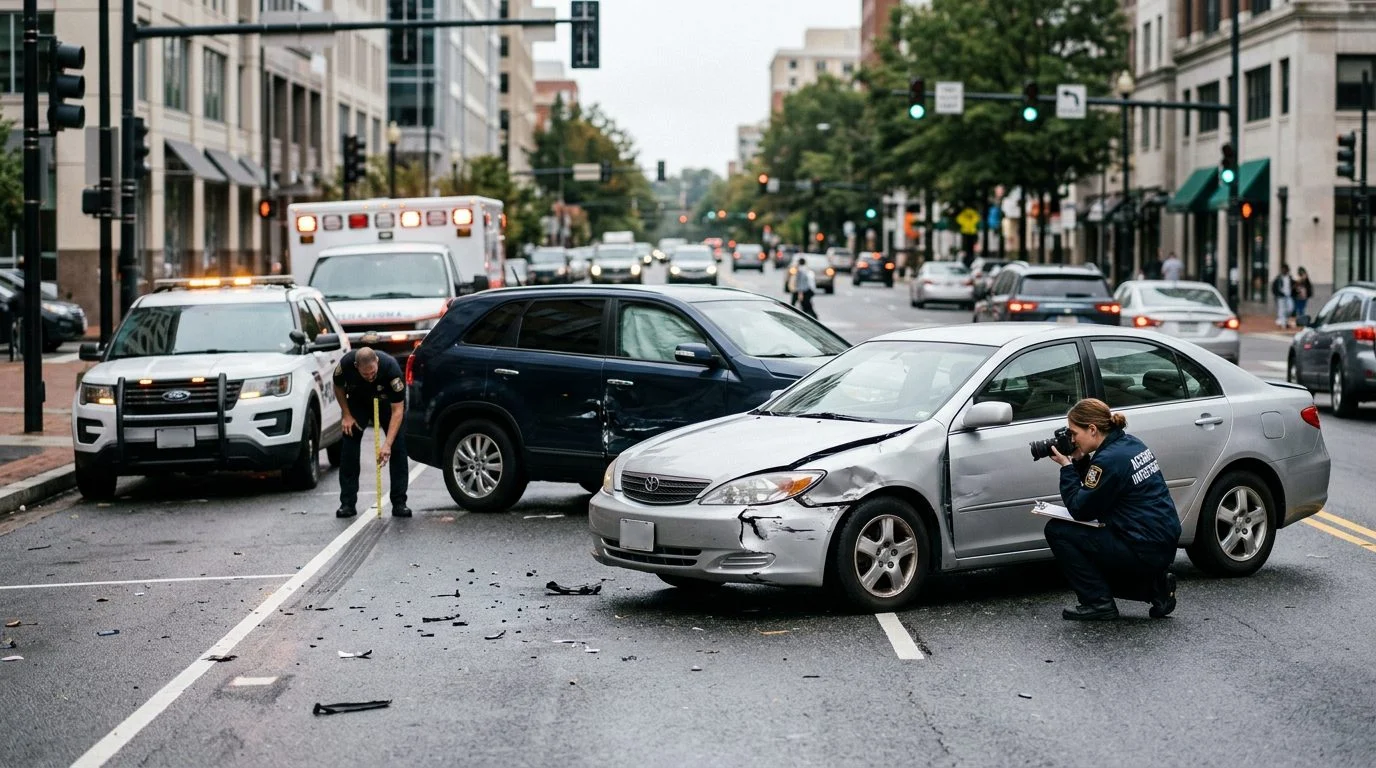
A police crash report records what the officer found at the scene. It is useful evidence, but it is not a court ruling on fault.
Most reports list the date, time and location. They also describe vehicle positions, driver and witness information, and the officer’s observations. Many reports note any citations issued.
A citation issued at the scene is one factor among others. It does not, by itself, settle who was at fault. Other evidence can point to a different conclusion.
Read the report closely once you get a copy. Check for factual errors such as wrong lanes, wrong times, or the wrong vehicle make or color. Errors like these are easier to correct early, while details are still fresh. Write down each correction and keep a copy of the original.
Physical evidence and witness accounts
Physical evidence and witness accounts test each driver’s version of events. Which evidence matters most depends on the facts of the crash.
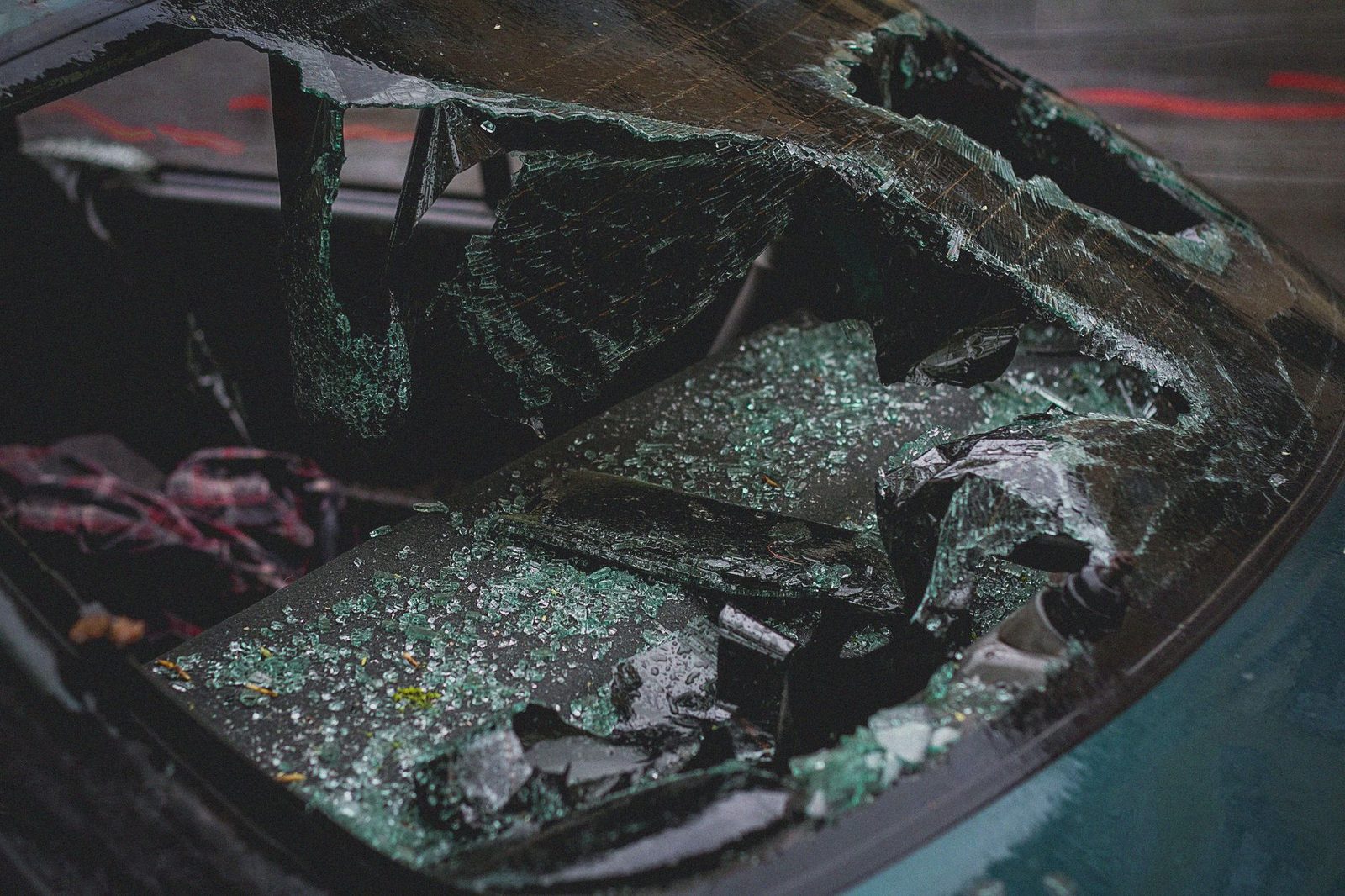
Physical evidence includes vehicle damage patterns, final rest positions, skid or gouge marks, and debris fields. Roadway features such as signals, signs and lane markings also matter. These details show where and how the vehicles moved.
Electronic evidence can also exist. Dashboard camera footage, nearby business or traffic cameras, and vehicle event data may record the crash. Footage can be recorded over, so how quickly the evidence is preserved affects whether it is still available.
Independent witnesses can offer a view that neither driver controls. Their accounts are usually weighed against each driver’s own story. Memories can change over time, so early written statements are useful.
In a commercial vehicle crash, company records may also matter. Maintenance files, driver logs and dispatch communications can bear on how the crash happened. These records often need to be requested and preserved quickly.
How partial fault affects an injury claim
Virginia follows contributory negligence: if you are found even partly at fault, you may be barred from recovering, with limited exceptions. Talk to a lawyer about your facts.
This is why the fault analysis matters so much. Small details, such as a missed signal or a late lane change, can change the result. Timing, visibility and each driver’s choices should be reviewed closely.
Not sure what your next step is?
Talk it through with Correll Law Firm — we can walk you through how a situation like yours is usually handled and what your options are.
Insurance company determinations versus a court’s decision
An insurance company’s view of fault is a business position, not a court ruling. It is not the final word on who caused the crash.
Adjusters review police reports, photos, medical records and driver statements. They then form their own view of who caused the crash and how to respond to the claim.
An early adjuster view can change as more evidence comes in. It can also differ from what a court later finds.
Virginia’s insurance rules separate different types of coverage.
Injured people often keep their own records. These include crash details, medical treatment, and time missed from work. These records help show the facts, whatever the insurer’s early view.
If a claim is not resolved, a court decides the disputed facts about fault. The strength of the evidence is tested in that process.
Timing: the filing deadline and why early steps matter
Virginia generally allows two years from the date of injury to file a personal injury lawsuit (Va. Code § 8.01-243(A)); the clock runs from the date of injury, not the date of discovery, with narrow exceptions. The accrual rule appears in Va. Code § 8.01-230.
Some claims carry shorter notice requirements. Va. Code § 8.01-243(A) provides that, unless another section or statute otherwise provides, every action for personal injuries must be brought within two years after the cause of action accrues (Va. Code § 8.01-243).
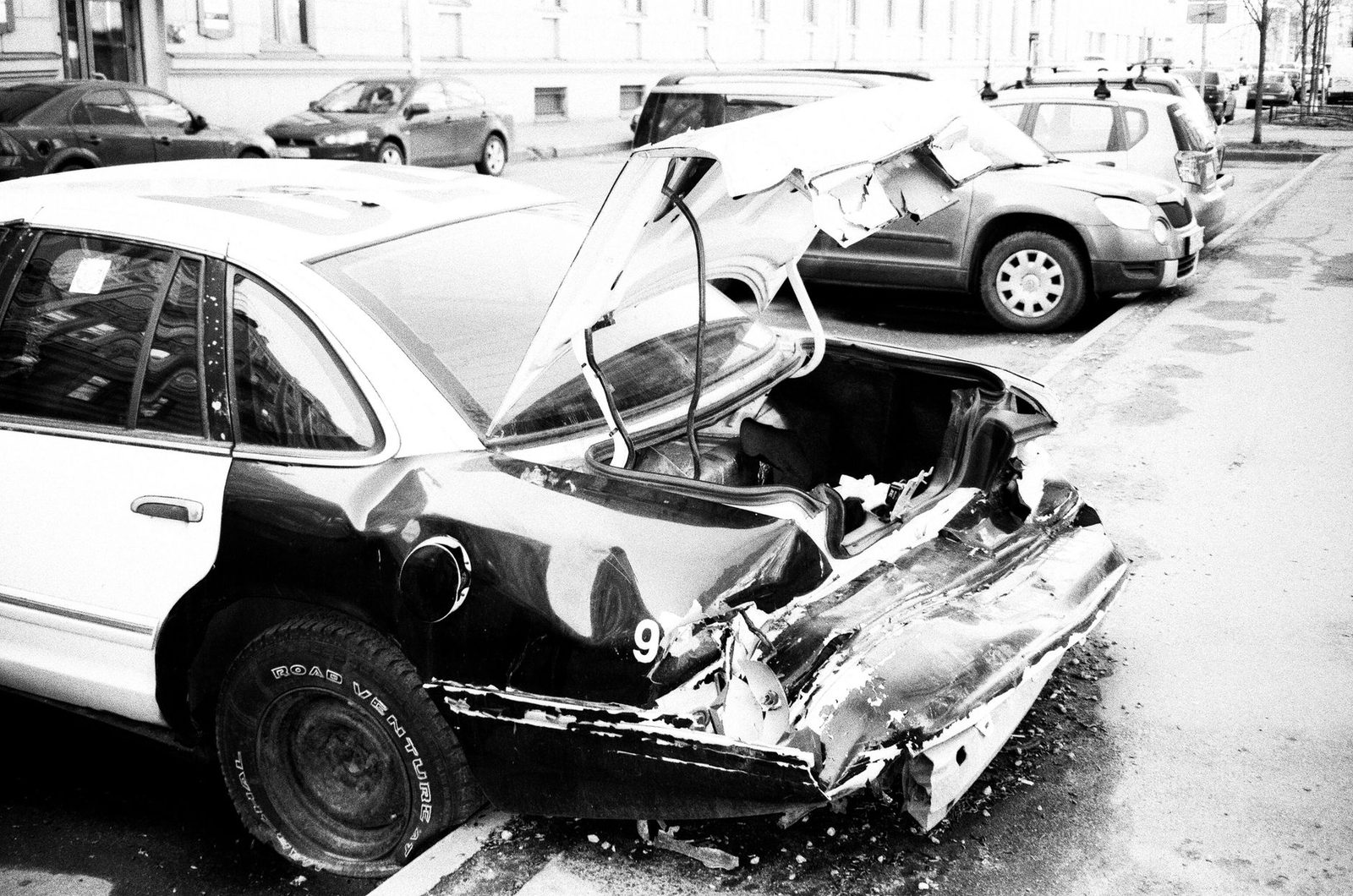
Time also affects evidence. Memories fade, cameras record over footage, and damaged vehicles are repaired or sold. Acting early helps keep what shows how the crash happened.
Knowing how fault is determined in a car accident in Virginia makes the next steps clearer. The basic steps are to report the crash, get the police report, preserve evidence, and track the filing deadline.