

Commercial Vehicle Accidents & Catastrophic Injuries
When a Truck Crash Changes Everything
Correll Law Firm represents people across Virginia who have suffered catastrophic injuries in commercial vehicle accidents. We handle your case while you focus on recovery.
Serving the Shenandoah Valley and Beyond
2 Offices
Winchester & Harrisonburg
Millions
Correll Law Firm has recovered millions of dollars for injured Virginians and their families
Virginia
Serving Shenandoah Valley to Richmond & Henrico County
Published October 04, 2026
Catastrophic Injuries from Commercial Vehicle Accidents: What You Need to Know
A catastrophic injury from a commercial vehicle accident permanently changes a person’s life—their mobility, independence, earning power, and daily functioning. If you or a family member has suffered such an injury in Virginia, understanding what qualifies as catastrophic, why these cases are different, and what to expect can help you make informed decisions about your next steps.
If you or a family member suffered a serious injury in a commercial vehicle accident, you can reach out to Correll Law Firm to understand your options. Talk it through with our team — the first case evaluation is free, confidential, and carries no obligation.
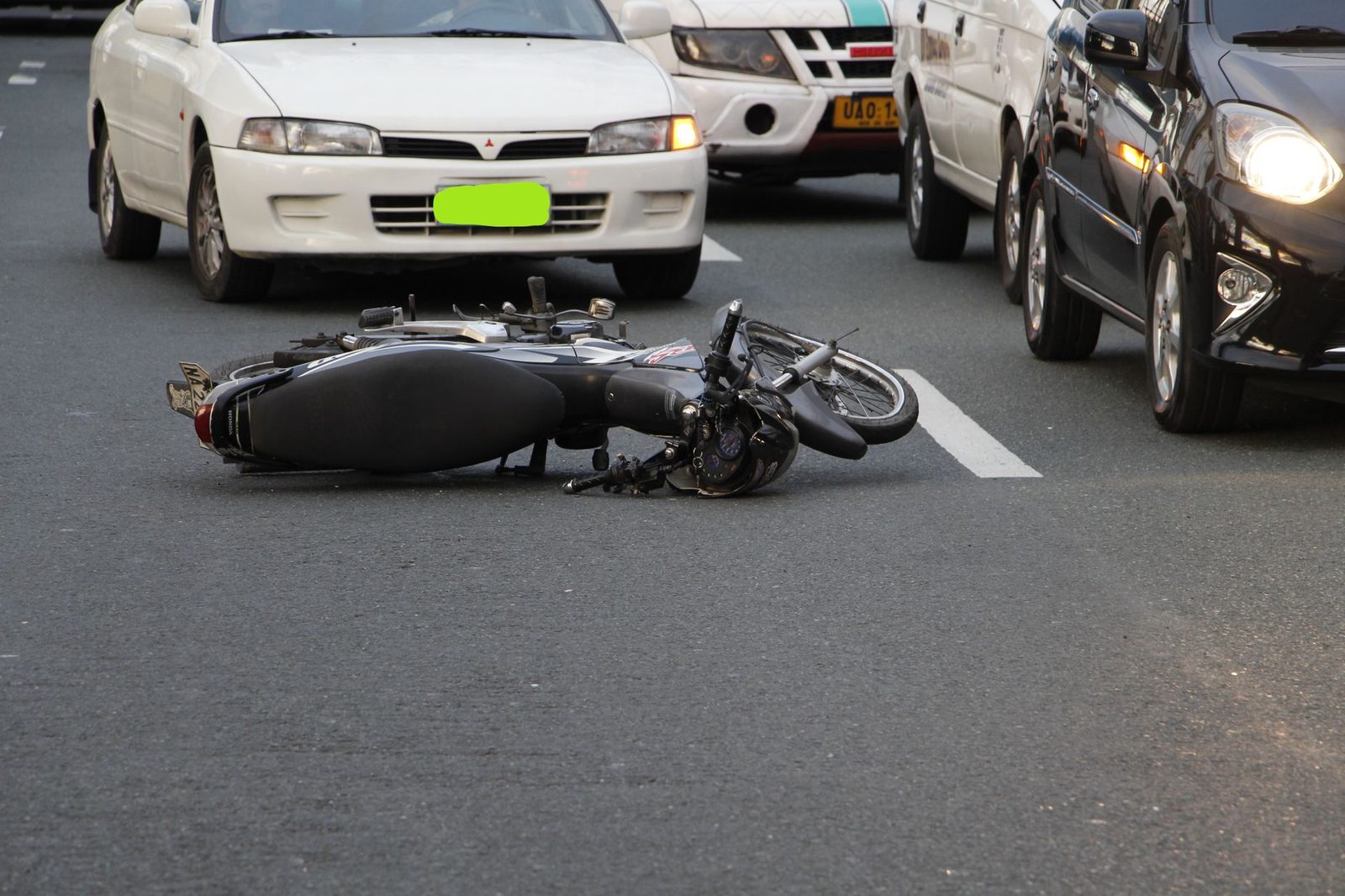
What Qualifies as a Catastrophic Injury from a Commercial Vehicle Accident?
Catastrophic injuries are those that cause permanent, life-altering damage—not just broken bones that heal or cuts that scar over. They fundamentally alter how a person lives and works.
Common catastrophic injuries from commercial vehicle accidents include:
- Traumatic brain injury (TBI): damage to the brain that causes cognitive, behavioral, or physical changes—memory loss, difficulty concentrating, personality changes, or loss of motor control
- Spinal cord injury (SCI): damage to the spine resulting in partial or complete paralysis, loss of sensation, or permanent loss of function
- Severe burns: extensive burns requiring skin grafts, causing scarring, mobility loss, and chronic pain
- Amputation: loss of a limb or digits due to crush injury or severing
- Organ damage: injury to the heart, lungs, liver, or kidneys requiring ongoing medical management or transplant
- Multiple fractures: breaks in multiple bones that heal poorly, causing chronic pain or permanent disability
- Crush injuries: severe compression damage that causes compartment syndrome, tissue death, or systemic complications
Commercial vehicles—tractor-trailers, delivery trucks, garbage trucks, cement mixers, and other vehicles over 10,000 pounds—cause catastrophic injuries because of their size, weight, speed, cargo, blind spots, and the fatigue often affecting drivers. A collision between a passenger car and a fully loaded commercial truck is inherently unequal.
For more detail on specific injury types, see our guides to traumatic brain injury and spinal cord injury.
Why Commercial Vehicle Accidents Are Different from Car Accidents
Commercial vehicle accident claims are far more complex than typical car accidents. Here’s why:
Multiple liable parties. A single commercial vehicle accident may involve the driver, the driver’s employer or carrier, a maintenance contractor, the company that loaded the cargo, the vehicle manufacturer, or a combination of these. Each may carry separate insurance, and each may have contributed to the crash through negligence or regulatory violation.
Federal regulations create evidence of negligence. Commercial drivers and carriers must comply with Federal Motor Carrier Safety Administration (FMCSA) rules. Violations of hours-of-service limits (49 CFR § 395.3)—which cap driving at 11 hours within a 14-hour window and 60 or 70 hours per week—are evidence of negligence. So are violations of maintenance standards, driver qualification requirements, and safety protocols. A lawyer who knows these rules can identify violations that prove liability.
Insurance is more complex. Commercial policies often carry higher limits than personal auto insurance, and carriers may have umbrella coverage. Understanding what insurance applies and how much is available requires investigation.
Evidence is time-sensitive and must be preserved. Black box data from the truck, electronic logging device (ELD) records, maintenance logs, dispatch records, and driver qualification files can disappear or be destroyed. The sooner a lawyer sends a preservation notice, the better. In catastrophic injury cases handled by Correll Law Firm, evidence preservation is a priority from day one.
Employer liability is real. Carriers and employers can be held liable not just for the driver’s negligence but also for negligent hiring or retention, negligent entrustment, pressure to meet unrealistic deadlines, or failure to maintain the vehicle.
Is It Worth Pursuing a Claim After a Commercial Vehicle Accident?
This question comes up often, and it deserves an honest answer.
Catastrophic injuries carry lifelong costs. Medical care, rehabilitation, assistive devices, home modifications, lost wages, and ongoing care from attendants or family members add up quickly. A person with a spinal cord injury or severe traumatic brain injury may need decades of treatment and support. These costs form the foundation of a claim’s value.
Commercial defendants have resources. Unlike a typical car accident with an individual driver and a standard insurance policy, commercial carriers carry substantial insurance and have legal teams. They have resources to defend themselves.
Virginia follows contributory negligence: if you are found even partly at fault, you may be barred from recovering, with limited exceptions. Talk to a lawyer about your facts. Virginia follows a rule called contributory negligence: if you were partly at fault for the accident, the outcome depends on the specific facts of your case (Contributory negligence bars recovery in Virginia). You should not assume you cannot recover if you had any role in the accident. Talk to a lawyer about your facts.
Vehicle damage is separate from injury. Minor damage to your vehicle does not mean your injury claim is minor. A person can suffer catastrophic injuries even if the vehicles involved did not collide at high speed or with visible damage. Conversely, a totaled vehicle does not guarantee a large injury settlement. These are separate questions.
Early legal review protects your rights. The sooner you consult a lawyer, the sooner evidence can be preserved, witnesses can be interviewed, and the investigation can begin. Delay increases the risk that crucial evidence will be lost.
What Happens After a Commercial Vehicle Accident: The Process
Understanding the process can help you know what to expect.
Immediate steps. Seek medical attention first. Request a police report and obtain a copy. Take photos of the accident scene, vehicle damage, and any visible injuries. Collect the names and contact information of witnesses, the commercial vehicle driver, the company name, the driver’s employer, and the insurance information visible on the truck.
Investigation. Correll Law Firm gathers medical records, obtains accident reconstruction analysis, reviews federal and state regulatory violations, requests maintenance and inspection records, and obtains the driver’s qualification file and history. This phase can take weeks or months.
Demand and negotiation. Your attorney presents the evidence to the defendant’s insurance company and legal team, along with a demand for compensation. Negotiations may take weeks or months.
Litigation, if necessary. If the defendant will not offer fair compensation, your attorney files a lawsuit. Discovery (the exchange of evidence) begins, expert testimony is prepared, and the case moves toward trial. Most cases settle before trial, but Correll Law Firm is prepared to litigate.
Timeline. How long a catastrophic injury case takes depends on the facts, including the complexity of liability, the severity of injury, and the defendant’s willingness to negotiate.
Fees and costs. No attorney’s fee unless we win. Clients may remain responsible for costs accrued in the case.
Types of Damages in Catastrophic Injury Cases
Damages are the money a court or insurance settlement awards to compensate you for your losses. In catastrophic injury cases, damages typically include:
- Medical expenses: past medical bills, surgery, hospitalization, rehabilitation, therapy, assistive devices (wheelchairs, walkers, communication devices), and future medical care
- Lost wages and earning capacity: income you lost while recovering and the reduction in future earning power due to your injury
- Pain and suffering: compensation for physical pain, emotional distress, loss of enjoyment of life, and reduced quality of life
- Home and vehicle modification: costs to make your home accessible (ramps, widened doorways, accessible bathrooms) and to modify vehicles for your use
- Care and assistance: cost of in-home care, personal attendants, nursing, or family members’ lost income if they become your caregiver
- Punitive damages: for willful or wanton conduct, Virginia law allows punitive damages capped at $350,000 total (Va. Code § 8.01-38.1)
Not sure what your next step is?
Talk it through with our team — the first case evaluation is free, confidential, and carries no obligation.
Common Questions About Commercial Vehicle Accident Claims
Q: What should I tell an injury lawyer, and what should I avoid?
A: Be honest with your lawyer about all facts—your medical history, pre-existing conditions, prior injuries, and your own actions in the accident. Lawyers are bound by confidentiality and attorney-client privilege; what you tell them is protected. Avoid posting about the accident or your injuries on social media, and do not sign documents or give statements to the defendant’s insurance company without your attorney present.
Q: How long do I have to file a claim in Virginia?
A: Generally, you have two years from when the cause of action accrues (Va. Code § 8.01-243(A)), but some claims carry notice requirements that run out sooner. Do not wait—delay risks losing your right to sue and allows evidence to disappear.
Q: What if I was partly at fault for the accident?
A: Do not assume you cannot recover if you had any role in the accident. Discuss your specific facts with a lawyer.
Q: Will my case go to trial?
A: Most cases settle before trial, but Correll Law Firm is prepared to litigate if the defendant will not offer fair compensation for your injuries.
Q: What if the commercial driver was an independent contractor?
A: Liability may still attach to the company that hired or dispatched the driver. This requires investigation into the relationship, control, and hiring practices.
Why Correll Law Firm Handles Commercial Vehicle Catastrophic Injury Cases
Correll Law Firm has recovered millions of dollars for injured Virginians and their families. The firm focuses on catastrophic injuries, traumatic brain injury, spinal cord injury, and wrongful death—not general practice. This focus means deep knowledge of the medical, legal, and regulatory issues unique to these cases.
The firm maintains offices in Winchester and Harrisonburg, serving the Shenandoah Valley, Richmond, and Henrico County.
Correll Law Firm has access to medical experts, accident reconstruction specialists, and investigators who understand federal trucking regulations and can identify violations. The firm investigates thoroughly, preserves evidence immediately, and is prepared to litigate.
No attorney’s fee unless we win. Clients may remain responsible for costs accrued in the case.
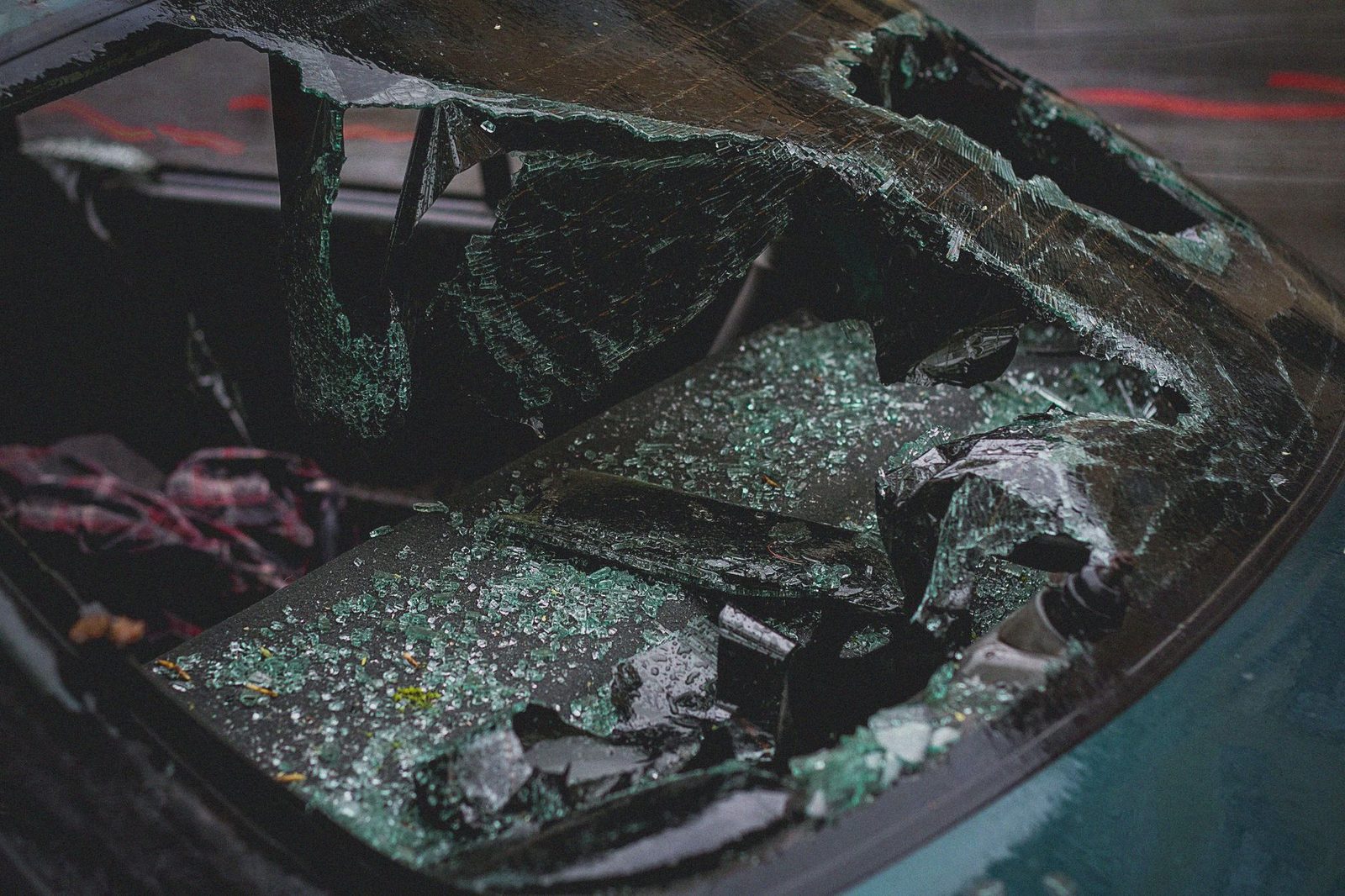
Next Steps: When to Reach Out
If you or a family member suffered a serious injury in a commercial vehicle accident, early legal review can make a real difference. Correll Law Firm offers a free case evaluation to discuss your accident, your injuries, and your options—no cost, no obligation.
The sooner you reach out, the sooner evidence can be preserved and your case can be investigated. If you’re in the Shenandoah Valley, Richmond, or Henrico County, contact Correll Law Firm today.
Correll Law Firm represents people seriously hurt in car and commercial truck crashes, catastrophic brain and spinal cord injuries, and families in wrongful death cases throughout Virginia. This content is for informational purposes and does not constitute legal advice. No attorney-client relationship is created by reading this page. Every case is unique, and the outcome of your case depends on the specific facts. Correll Law Firm does not guarantee any particular result. If you have been injured, you may wish to consult with an attorney about your rights. No attorney’s fee unless we win. Clients may remain responsible for costs accrued in the case. To schedule a free case evaluation, call Correll Law Firm or visit our contact page.
Related practice areas
- Catastrophic Injury Lawyer in Virginia | Correll Law Firm