Spinal Cord Injury Lawyer
Serious Spinal Cord Injuries Deserve Serious Representation
If you or a loved one suffered a spinal cord injury in a crash in the Shenandoah Valley, Winchester, Front Royal, Harrisonburg, or beyond, Correll Law Firm is here to help you pursue the compensation you need.
Published October 01, 2026
Spinal Cord Injury Lawyer for the Shenandoah Valley
A spinal cord injury from a car or truck accident is a life-altering event that demands both immediate medical care and swift legal action to protect your family’s financial future. The Shenandoah Valley—with its winding highways, heavy commercial traffic on I-81, and rural roads—sees its share of high-impact collisions that result in catastrophic spinal cord injuries. If you or a loved one has suffered this injury, you need a lawyer who understands the medical reality, the long-term costs, and Virginia’s strict legal deadlines.

Not sure what your next step is?
Talk it through with our team — the first case evaluation is free, confidential, and carries no obligation.
Spinal Cord Injuries in the Shenandoah Valley
Spinal cord injuries are among the most devastating consequences of serious accidents in our region. Car and truck accidents on I-81, Route 11, and local highways regularly cause the kind of high-impact trauma that damages the delicate bundle of nerves in your spine. In Winchester, Front Royal, Harrisonburg, and surrounding communities, these injuries upend lives—affecting mobility, independence, earning capacity, and family relationships in ways that extend far beyond the initial hospital stay.
The Shenandoah Valley’s geography and traffic patterns create specific accident risks. Winding mountain roads, steep grades, and heavy truck traffic combine to produce rollover accidents and high-speed collisions that are particularly likely to cause spinal cord damage. When a commercial vehicle is involved, the sheer weight and force make catastrophic injury far more likely than in typical car-to-car crashes.
What Is a Spinal Cord Injury?
A spinal cord injury occurs when damage to the bundle of nerves and tissue in your spinal column disrupts the transmission of signals between your brain and the rest of your body. The spinal cord doesn’t have to be completely severed to cause severe disability—even a bruise or partial tear can permanently affect sensation, movement, and bodily functions below the injury site.
The level and severity of the injury determine the long-term effects. A higher injury (closer to the neck) typically causes more extensive paralysis than a lower injury. The distinction between complete and incomplete injuries also shapes recovery potential and lifetime care needs.
Immediate medical assessment is critical after any serious accident. Spinal cord injuries require emergency imaging, surgery, and specialized rehabilitation. But medical care alone isn’t enough—legal action must follow quickly. Virginia law sets strict deadlines (called a statute of limitations) for filing a personal injury claim. Waiting to pursue your case can cost you the right to sue entirely.
Complete vs. Incomplete Spinal Cord Injuries
The distinction matters enormously. Incomplete injuries may allow some people to regain limited movement or feeling, which can affect both treatment decisions and long-term independence. Complete injuries require lifelong care and adaptive strategies. Both demand expert medical testimony and vocational assessment to calculate lifetime costs accurately.
Levels of Spinal Cord Injury and Their Effects
The spine is divided into regions, and the location of your injury determines which parts of your body are affected.
Cervical injuries (C1–C8) affect the neck and typically result in quadriplegia—paralysis of all four limbs. A C1 or C2 injury is among the most severe, often affecting breathing and requiring a ventilator. Lower cervical injuries (C5–C8) may preserve some arm or hand function, but the person typically cannot walk.
Thoracic injuries (T1–T12) affect the mid-back and typically result in paraplegia—paralysis of the lower body and legs. People with thoracic injuries often retain arm and hand function but lose control of their legs and lower trunk.
Lumbar and sacral injuries affect the lower back. Effects vary widely, from partial leg weakness to loss of bowel and bladder control, depending on the exact location and severity.
Understanding your injury level helps you anticipate care needs, rehabilitation potential, and lifetime costs. This information is essential when calculating damages in a legal claim.
Have questions about what happened?
Ask our team directly. The first conversation is free, confidential, and there is no obligation to continue.
How Car and Truck Accidents Cause Spinal Cord Injuries
High-impact collisions create sudden deceleration and extreme force that can fracture vertebrae, dislocate the spine, or tear the spinal cord itself. In a frontal collision, your body stops abruptly while your spine continues forward—hyperextension and compression injuries result. Side-impact and rear-end collisions create different forces but are equally capable of causing severe spinal damage.
Truck accidents pose heightened risk. Commercial vehicles weigh far more than a passenger car. When a fully loaded truck collides with a car, the force is catastrophic. The truck’s height also creates a “underride” risk—a car can slide beneath the trailer, causing crushing injuries to the spine and head.
Rollover accidents, common on the Shenandoah Valley’s winding roads, cause severe compression and tearing of the spinal cord as the vehicle rotates and the occupant is thrown or crushed. These accidents often result in complete spinal cord injuries.
Establishing fault and negligence is the foundation of your claim. Was the other driver speeding, distracted, or fatigued? Did a truck driver violate federal safety regulations? Did a commercial carrier fail to maintain the vehicle? These questions determine whether you have a viable claim and against whom.
The Lifetime Impact of Spinal Cord Injury
The costs and challenges of living with a spinal cord injury extend far beyond the first hospital bill.
Medical care includes emergency surgery, hospitalization, intensive rehabilitation, ongoing specialist visits, medications, and adaptive equipment. Lifetime medical costs for spinal cord injury can reach hundreds of thousands of dollars or more, depending on the level and severity of injury.
Home and vehicle modifications are essential. Wheelchair accessibility, specialized transportation, assistive technology, and environmental controls allow independence but carry significant expense. Many homes require structural changes—ramps, widened doorways, accessible bathrooms—that cost tens of thousands of dollars.
Lost income and reduced earning capacity affect your family’s financial stability. Many people cannot return to their previous work. Even those who do often face reduced hours, lower wages, or the need for job retraining. Calculating lost lifetime earnings requires vocational expert testimony.
Emotional and psychological effects are real. Depression, anxiety, and post-traumatic stress are common. The strain on family relationships and the loss of independence create ongoing emotional burden.
Why calculating the full scope of damages requires experience and foresight: insurance companies often offer settlements far below what you will actually need over your lifetime. They rely on victims accepting quick, inadequate payouts. A lawyer experienced in catastrophic injuries ensures that every category of damage—past and future medical care, lost income, pain and suffering, loss of enjoyment of life—is properly valued.
Why You Need a Spinal Cord Injury Lawyer
Insurance companies underestimate lifetime costs. They calculate medical expenses based on incomplete information and offer settlements designed to close the file quickly, not to cover your actual needs. A spinal cord injury victim who accepts an early settlement without legal counsel often finds themselves without resources years later.
Medical and vocational experts are essential to proving the full scope of your injury and its long-term effects. Your lawyer works with specialists who can testify about your prognosis, rehabilitation potential, future medical needs, and earning capacity. This expert testimony transforms your case from a dispute about medical bills into a comprehensive picture of your lifetime needs.
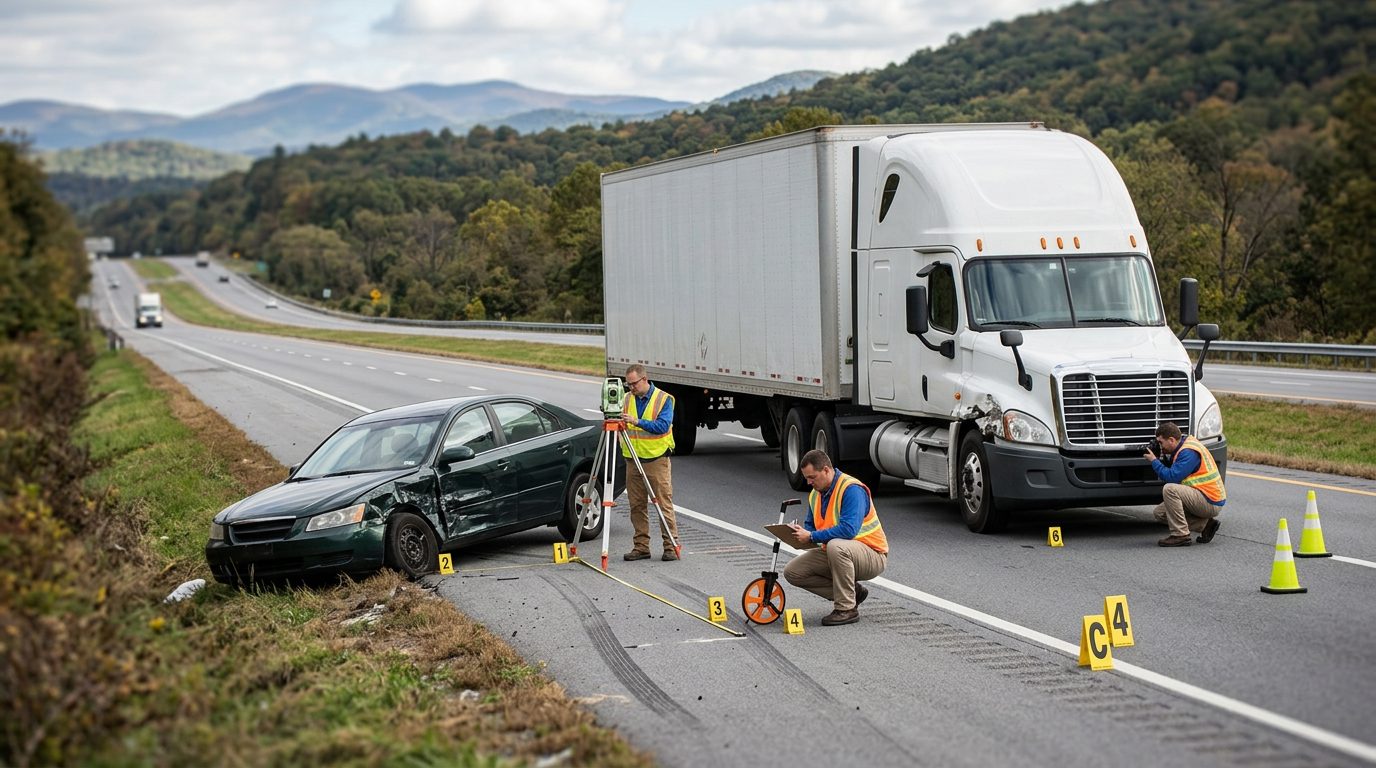
Complex liability in truck accidents requires careful investigation. Commercial vehicle cases involve multiple parties—the truck driver, the trucking company, the vehicle manufacturer, and sometimes others. Federal regulations govern truck maintenance, driver hours, and cargo securement. Violations of these rules can establish liability. A lawyer with experience in truck accidents knows how to investigate these layers of responsibility.
Virginia law sets strict deadlines for filing a personal injury claim. You typically have two years from the date of injury to file suit. This deadline cannot be extended except in rare circumstances. Waiting costs you the right to sue—the case becomes legally barred, and you lose all recourse.
Your focus should be on recovery. Medical care, rehabilitation, and family adjustment demand your energy and attention. A lawyer handles negotiations with insurance companies, gathering medical records and expert reports, investigating the accident, and managing court proceedings. This frees you to concentrate on healing.
Correll Law Firm: Serving Spinal Cord Injury Victims in the Shenandoah Valley
We have offices in Winchester and Harrisonburg. We serve clients across the Shenandoah Valley, Richmond, and Henrico County.
Correll Law Firm focuses on catastrophic injuries. We represent people with spinal cord injuries from car and truck accidents. We understand the medical complexity of these injuries and the long-term financial impact on families. We don’t handle routine fender-benders—we focus on the cases that demand in-depth knowledge and resources.
Thorough investigation is central to our approach. We work with accident reconstructionists to establish how the collision occurred and who was at fault. We consult medical experts to explain your injury, prognosis, and long-term care needs. We engage vocational specialists to calculate lost earning capacity. We build a complete, evidence-based picture of your injury and its impact.
We handle every detail of your case so you can focus on medical care and family. From the initial case evaluation through settlement or trial, we manage the legal work, communicate with insurance companies, and protect your rights. You don’t have to face this alone.

Want to know where you stand?
Tell us what happened and our team will walk you through the options available to you, at no cost.
Frequently Asked Questions
What is the difference between complete and incomplete spinal cord injuries?
Complete injuries result in total loss of function below the injury site; incomplete injuries preserve some sensation or motor function, offering potential for partial recovery.
How long do I have to file a personal injury lawsuit in Virginia?
What damages can I recover in a spinal cord injury case?
Damages may include past and future medical care, rehabilitation, adaptive equipment, home and vehicle modifications, lost income, pain and suffering, and loss of enjoyment of life—amounts determined by the specific facts of your injury and your lifetime needs.
Why do truck accidents cause more severe spinal cord injuries than car accidents?
Commercial vehicles weigh 20 to 30 times more than passenger cars, creating far greater force in a collision; the truck’s height also creates underride risks that result in crushing injuries.
Should I accept an early settlement offer from the insurance company?
Not without careful review—an early offer may come before lifetime costs and long-term care needs are known, and a lawyer can review whether an offer accounts for the full scope of your injury and future expenses.
If a car or truck accident left you or a loved one with a spinal cord injury, you’re facing lifetime medical costs and lost income—and you need an attorney who understands both the injury and Virginia’s legal deadlines. Contact Correll Law Firm for a free case evaluation. We’re here to help you understand your options.
Why Choose Correll Law Firm
Focused on Catastrophic Injuries
We focus exclusively on serious injury and wrongful death cases, including spinal cord damage. We understand the medical, financial, and personal stakes.
Local Presence, Regional Reach
With offices in Winchester and Harrisonburg, we serve clients throughout the Shenandoah Valley and beyond, including Richmond and Henrico County.
Compassionate Guidance
A spinal cord injury changes everything. We listen, answer your questions, and guide you through every step of your claim.
No Upfront Fees
No attorney’s fee unless we win. Clients may remain responsible for costs accrued in the case.
Understanding Spinal Cord Injuries
Complete vs. Incomplete Injuries
Complete spinal cord injuries result in total loss of function below the injury site. Incomplete injuries preserve some sensation or motor function, which may allow for partial recovery. Both require immediate medical care and legal guidance.
Causes in the Shenandoah Valley
Car crashes, commercial truck accidents, and other vehicle collisions are common causes of spinal cord damage. These injuries often involve significant medical expenses, ongoing care, and lost income.
Long-Term Care and Costs
Spinal cord injuries frequently require lifelong medical treatment, rehabilitation, adaptive equipment, and home modifications. A strong legal claim helps ensure those costs are covered.
Your Right to Pursue Compensation
If someone else's negligence caused your injury, you may have a claim. We investigate the crash, identify liable parties, and work to recover fair compensation for your damages.
Time Matters
Virginia law sets strict deadlines for filing personal injury lawsuits. The sooner you contact us, the sooner we can protect your rights and begin building your case.