Spinal Cord Injury Lawyer
Serious Spinal Cord Injuries Demand Serious Representation
Correll Law Firm represents people across the Shenandoah Valley and beyond who have suffered devastating spinal cord injuries in crashes and accidents. We handle catastrophic injury cases, and a spinal cord injury can affect you and your family for life.
Published October 01, 2026
Spinal Cord Injury in Winchester: Legal Help for Serious Spine Injuries
A spinal cord injury is a catastrophic event that disrupts motor and sensory function at or below the level of damage—and unlike many injuries, spinal cord damage does not fully heal in the traditional sense. If you or a family member has suffered a spinal cord injury from a car crash, truck accident, or other traumatic event in Winchester or the Shenandoah Valley, you face not only immediate medical crisis but also lifetime care costs, lost wages, and profound life changes. Legal representation is essential to ensure you recover fair compensation that reflects the true scope of your injury.

Not sure what your next step is?
Talk it through with our team — the first case evaluation is free, confidential, and carries no obligation.
Spinal Cord Injuries in Winchester: What You Need to Know
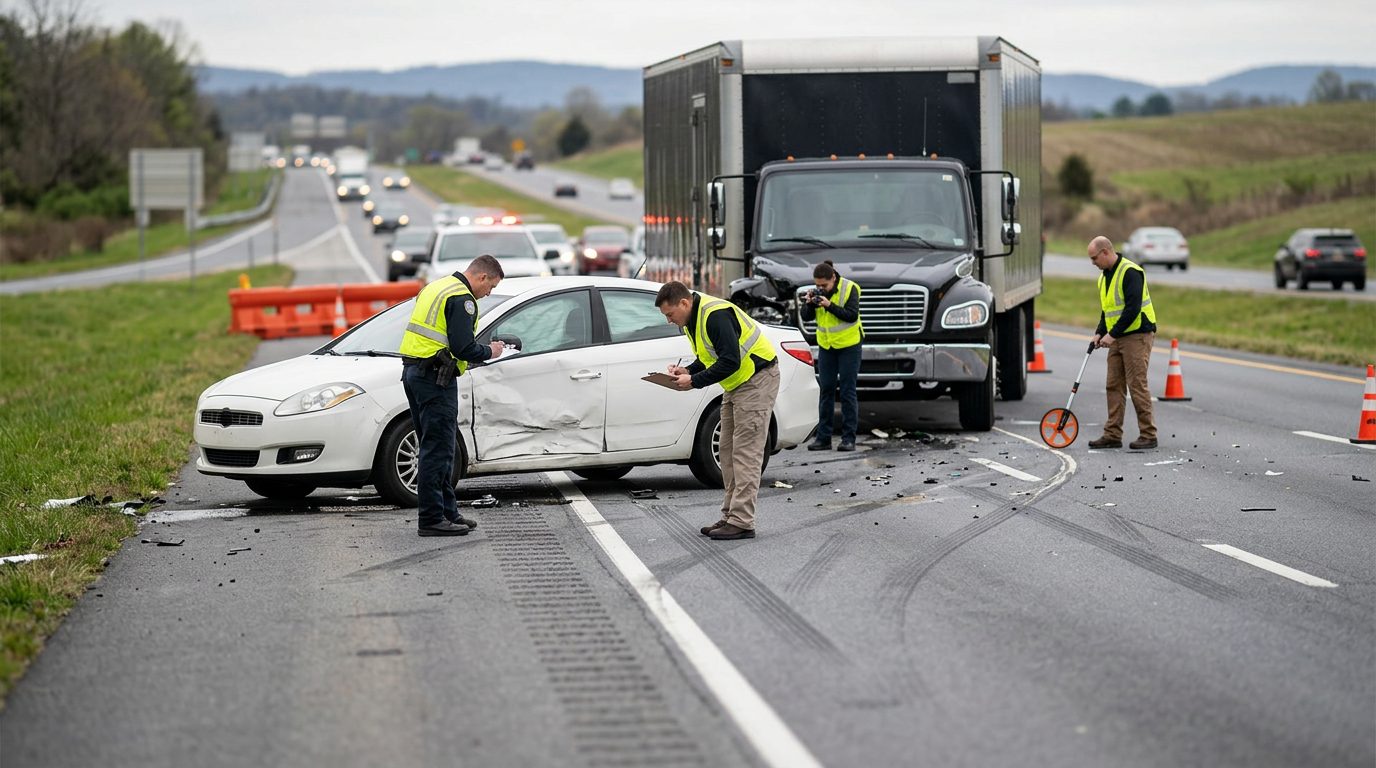
A spinal cord injury occurs when trauma damages the bundle of nerves and tissue in your spine, disrupting the signals between your brain and the rest of your body. This results in permanent loss of motor control, sensation, or both below the level of injury. Vehicle crashes are a leading cause of spinal cord injury, accounting for a significant portion of new SCI cases annually across the United States. In the Winchester area and throughout Virginia, car accidents and commercial truck collisions remain among the most common triggers of catastrophic spine injuries.
Spinal cord injuries are often described as catastrophic injuries because of their severity and the lifetime costs they can impose. The first 24 hours after a spinal cord injury are critical; early medical intervention significantly influences long-term neurological outcomes. If you are injured, seek emergency medical care immediately. Do not move or attempt to self-treat a suspected spine injury, as improper handling can worsen damage.
Common Types of Spinal Cord Injuries
Spinal cord injuries are classified by location and completeness, and each classification carries different implications for function and lifetime care.
Complete vs. Incomplete Injuries
A complete spinal cord injury results in total loss of sensory and motor function below the injury level. An incomplete injury preserves some sensory or motor function, which may offer better prospects for recovery and adaptation—though both types require lifelong medical management and support.
Cervical (Neck) Injuries
Cervical spine injuries, the highest and most severe type, often result in tetraplegia (also called quadriplegia)—paralysis affecting all four limbs and the trunk. Individuals with cervical injuries typically face the greatest functional limitations and the highest lifetime care costs.
Thoracic (Mid-Back) Injuries
Thoracic spine injuries usually cause paraplegia—paralysis of the lower body and legs. While less extensive than cervical injury, thoracic SCI still profoundly affects mobility, employment, and independence.
Lumbar (Lower-Back) Injuries
Lumbar spine injuries affect the lower back and typically result in partial or complete paralysis of the legs and loss of bladder and bowel control. Functional outcomes vary depending on injury severity and completeness.
How Long Does It Take for a Spinal Cord Injury to Heal?
The honest answer: spinal cord injuries do not fully “heal” in the way a broken bone does. The spinal cord cannot regenerate tissue the way other body parts can. Recovery instead involves neuroplasticity—the nervous system’s ability to form new connections and adapt—and rehabilitation to maximize remaining function.
The acute phase (first weeks and months) focuses on medical stabilization, preventing secondary complications, and beginning rehabilitation. During this time, swelling in the spinal cord decreases, and the extent of permanent damage becomes clearer. Most neurological recovery occurs in the first six months, though improvements can continue for years with intensive therapy.
Realistic long-term recovery involves adaptation and learning new ways to perform daily tasks. The National Spinal Cord Injury Statistical Center emphasizes that recovery is a lifelong process, not a destination. Early intervention, consistent physical and occupational therapy, and access to assistive technology significantly improve outcomes and quality of life.
Medical Treatment and Rehabilitation for Spinal Cord Injuries
Immediate emergency care includes imaging (MRI and CT scans) to assess injury severity and determine whether surgery is needed to stabilize the spine. Hospitalization focuses on preventing infection, managing pain, and beginning rehabilitation protocols.
Focused spinal cord injury rehabilitation programs in the region provide physical therapy, occupational therapy, and psychological support. These programs teach adaptive techniques for mobility, self-care, and community reintegration. Long-term care needs often include home modifications (ramps, accessible bathrooms, lift systems), assistive technology (wheelchairs, communication devices), and attendant care—personal assistance with daily activities.
Spinal cord injury can lead to secondary health complications, such as pressure sores (decubitus ulcers), urinary tract infections, chronic pain, and respiratory issues. These complications require ongoing medical management and add significantly to lifetime care expenses. Mental health support is equally critical; spinal cord injury survivors experience high rates of depression and anxiety, and psychological care must be part of comprehensive recovery planning.
Have questions about what happened?
Ask our team directly. The first conversation is free, confidential, and there is no obligation to continue.
The Effects of Spinal Cord Injuries on Victims’ Lives
The impact of spinal cord injury extends far beyond physical paralysis. Loss of sensation and motor control affects employment, independence, relationships, and emotional well-being. Many individuals lose the ability to work, resulting in permanent income loss. Home and vehicle modifications, medical equipment, and attendant care are expensive and ongoing. Families often restructure their lives to provide care and support.
Secondary health complications—pressure sores, infections, pain—require constant vigilance and medical attention. The psychological burden of adjustment, grief, and loss is profound. Lifetime care costs for spinal cord injury survivors far exceed what most people anticipate, often reaching hundreds of thousands of dollars or more.
Why Legal Representation Matters After a Spinal Cord Injury
After a catastrophic spine injury from a vehicle crash or accident, determining who is responsible is the first step toward recovery. Insurance companies and at-fault parties often underestimate the true lifetime cost of spinal cord injury care. A quick settlement offer may seem generous but typically falls far short of what you’ll actually need over decades of medical care, rehabilitation, and support.
Virginia follows contributory negligence: if you are found even partly at fault, you may be barred from recovering, with limited exceptions. Talk to a lawyer about your facts. This rule is especially important in multi-vehicle crashes and truck accidents, where liability may be complex, so an attorney should evaluate whether a narrow exception applies to your case.
Calculating fair compensation requires expert analysis: medical testimony about your injury and prognosis, vocational assessment of lost earning capacity, and detailed lifetime care cost projections. An experienced spinal cord injury attorney works with these experts to build a comprehensive case that reflects the true scope of your injury and its lifelong consequences.
Correll Law Firm: Spinal Cord Injury Representation in Winchester
Correll Law Firm represents people throughout the Shenandoah Valley, Richmond, and Henrico County who have suffered catastrophic spine injuries and paralysis from car accidents, truck crashes, and commercial vehicle collisions. We understand the medical reality of spinal cord injury and the financial burden it imposes on you and your family. We work with medical experts, vocational specialists, and life-care planners to document the true cost of your injury and build a strong case for fair compensation.
We have offices in Winchester and Harrisonburg, where Shenandoah Valley residents can meet with us. We offer a free case evaluation to discuss your specific situation, answer your questions, and explain your legal rights.
What to Do After a Spinal Cord Injury
Seek immediate medical attention. Do not delay or attempt to self-treat a suspected spine injury.
Preserve evidence. If possible, document the accident scene, gather witness contact information, and obtain a police report.
Keep medical records. Maintain detailed documentation of all treatment, imaging, rehabilitation, and medical expenses.
Avoid speaking with insurance adjusters without legal counsel present. Insurance companies are not on your side and may use your statements against you.
Contact an experienced spinal cord injury lawyer as soon as you are able. The sooner you have legal representation, the sooner we can protect your rights and begin building your case.

Want to know where you stand?
Tell us what happened and our team will walk you through the options available to you, at no cost.
Frequently Asked Questions
What is the difference between complete and incomplete spinal cord injuries?
A complete injury results in total loss of function below the injury level; an incomplete injury preserves some sensory or motor function, which may offer better prospects for adaptation.
How long does spinal cord injury recovery take?
Most neurological recovery occurs in the first six months, but recovery is a lifelong process involving adaptation, therapy, and assistive technology rather than tissue regeneration.
What causes spinal cord injuries in the Winchester area?
Vehicle crashes are the leading cause, followed by falls, workplace incidents, and sports injuries.
How much does spinal cord injury care cost?
Lifetime care costs vary widely depending on injury severity but often exceed hundreds of thousands of dollars, including medical treatment, rehabilitation, home modifications, assistive technology, and attendant care.
Can I recover compensation if I was partially at fault for the accident?
No, under Virginia’s contributory negligence rule, if your own negligence contributed to your injury in any degree, you generally cannot recover damages, though an attorney can evaluate whether a narrow exception applies.
Why do I need a lawyer for a spinal cord injury case?
Insurance companies typically underestimate the true lifetime cost of spinal cord injury. An experienced attorney can help you pursue fair compensation that reflects your injury’s full scope and long-term impact.
If a crash or accident left you or a loved one with a spinal cord injury, you likely face years of medical care and lost income. Schedule a free case evaluation with Correll Law Firm today.
Understanding Spinal Cord Injuries
Complete vs. Incomplete Injuries
A complete spinal cord injury results in total loss of function below the injury level. An incomplete injury preserves some sensory or motor function, which may offer different prospects for adaptation and recovery. Both require comprehensive legal and medical support.
Recovery and Adaptation
Most significant neurological recovery occurs in the first six months following injury, though adaptation and rehabilitation continue for years. The costs of ongoing care, therapy, equipment, and home modifications are substantial and demand thorough case evaluation.
Causes in Vehicle Crashes
Spinal cord injuries commonly result from car accidents, commercial truck collisions, and other high-impact crashes. Determining liability and securing fair compensation requires investigation into vehicle defects, driver conduct, and road conditions.
Why Legal Representation Matters
Insurance companies often underestimate the true cost of lifetime care following spinal cord injury. An experienced attorney ensures your claim reflects medical evidence, expert testimony, and the full scope of your needs.
How Correll Law Firm Approaches Your Case
Focused Practice
Our practice handles catastrophic injuries, including spinal cord damage. This concentration allows us to build deep knowledge of medical evidence, rehabilitation needs, and the financial realities of lifelong care.
Thorough Investigation
We investigate the circumstances of your crash—vehicle maintenance, driver actions, road hazards—to establish liability and build a strong foundation for your claim.
Medical Collaboration
We work with medical professionals to document the extent of your injury, prognosis, and ongoing care requirements, ensuring your case reflects the true impact on your life.
Your Recovery Comes First
We handle the legal and insurance complexities so you can focus on healing and rehabilitation. We communicate clearly and keep you informed every step of the way.
Time Matters
Spinal cord injury claims involve complex medical and legal issues that require prompt action. The sooner you consult with an attorney, the sooner we can preserve evidence, secure expert opinions, and protect your rights.
Ready to Discuss Your Case?
Related practice areas
- Spinal Cord Injury Claims from Car and Truck Accidents in Virginia
- Spinal Cord Injury Henrico County | Correll Law Firm