
Virginia Wrongful Death | Brain Injury From a Crash
When a Brain Injury From a Crash Leads to a Loss Days Later
Families in this situation often face grief and hard questions at the same time. Correll Law Firm offers this plain-language guide to the Virginia rules that usually come up first.
Published November 9, 2026
Yes. Virginia law can allow a wrongful death claim when a brain injury from a car accident leads to death days or weeks later. The claim is brought by the decedent’s personal representative, and family members share in any recovery. This page explains the general Virginia rules families ask about first. It is general education about Virginia law, not advice on any one family’s situation.
What Families Often Ask When a Brain Injury Leads to Death Days After a Crash
Families in this situation often ask who can act, who benefits, what the law covers, and when deadlines apply.
A brain injury can change a person’s condition over days or weeks. Some people spend that time in a hospital, a rehabilitation unit, or a care facility before they die. Families often face medical decisions and legal questions at the same time.
Traumatic brain injury is damage to the brain from an outside force. Brain Injury Services in Virginia notes that motor vehicle accidents can cause it and that a doctor makes the diagnosis.
The crash is where the injury began, so it stays central to any claim. The sections below follow Virginia law in order: who files, who benefits, what damages the law covers, and how deadlines work. Learning these basics early can help a family ask better questions.
Not sure what your next step is?
Talk it through with Correll Law Firm — we can walk you through how a situation like yours is usually handled and what your options are.

Who Files a Wrongful Death Action in Virginia
In Virginia, the decedent’s personal representative files the wrongful death action, not the family members themselves.
A Virginia wrongful death action is filed by the decedent’s personal representative within two years of the death (Va. Code §§ 8.01-50(C), 8.01-244(B)), on behalf of the family members the statute protects.
A personal representative is the person formally appointed to manage the estate of the person who died. Under Va. Code § 8.01-50, the case is brought in that representative’s name.
Many families are surprised to learn that the wrongful death deadline is tied to the death, not the crash. Family members do not file the case themselves. They share in what is recovered, as the next section explains.
Which Family Members the Claim Protects and How They Share
The statute protects a defined group of relatives and sets an order for who receives a share.
The first group is the surviving spouse, the decedent’s children, and the children of a deceased child (Va. Code § 8.01-53). Under Va. Code § 8.01-53(A), damages are distributed as specified in § 8.01-54 to “the surviving spouse, children of the deceased and children of any deceased child of the deceased,” and the statute includes the decedent’s parents, brothers and sisters, or other relatives who are primarily dependent on the decedent and live in the same household only under the specific conditions it sets out. Parents, brothers and sisters, and certain other relatives qualify only when the statute’s conditions are met. Va. Code § 8.01-53 reads: “only if there is a surviving spouse, children of the deceased, or children of any deceased child of the deceased, the parents of the decedent if any of such parents, within 12 months prior to the decedent’s death, regularly received support or regularly received services from the decedent for necessaries, including living expenses, food, shelter, health care expenses, or in-home assistance or care, or (ii) if there is no surviving spouse, children of the deceased, or children of any deceased child of the deceased, then to the parents, brothers and sisters of the deceased, and to any other relative who is primarily dependent on the decedent for support or services and is also a member of the.” When children of the deceased or children of a deceased child survive, parents qualify only if they regularly received support or services from the decedent in the 12 months before death; if the decedent has left both surviving spouse and parent or parents, but no child or grandchild, the award shall be distributed to the surviving spouse and such parent or parents. Va. Code § 8.01-53 reads: “only if there is a surviving spouse, children of the deceased, or children of any deceased child of the deceased, the parents of the decedent if any of such parents, within 12 months prior to the decedent’s death, regularly received support or regularly received services from the decedent for necessaries, including living expenses, food, shelter, health care expenses, or in-home assistance or care, or (ii) if there is no surviving spouse, children of the deceased, or children of any deceased child of the deceased, then to the parents, brothers and sisters of the deceased, and to any other relative who is primarily dependent on the decedent for support or services and is also a member of the.”
For this purpose, a relative is anyone related by blood, marriage, or adoption, and the statute includes a stepchild. The verdict or judgment states how the recovery is divided among the beneficiaries (Va. Code § 8.01-54).
A spouse, child, or other relative may ask how the claim relates to their own grief. The claim is built around the losses the statute lists, which the next section covers.
What Virginia Wrongful Death Damages Cover
Virginia wrongful death law sets out the losses a family may recover in a list written into the statute.
Virginia wrongful death damages cover the family’s sorrow, mental anguish and loss of the decedent’s companionship, guidance and care; lost income and services; medical expenses from the injury; funeral expenses; and, for willful or wanton conduct, punitive damages (Va. Code § 8.01-52). The statute’s list of damages is not limited to the items named, and it does not expressly include the decedent’s own suffering before death.
Punitive damages are available only if the jury or the court finds willful or wanton conduct, or recklessness showing a conscious disregard for the safety of others. They differ from the other categories because they depend on how the defendant acted.
Why a Death Days Later Still Raises Crash Questions
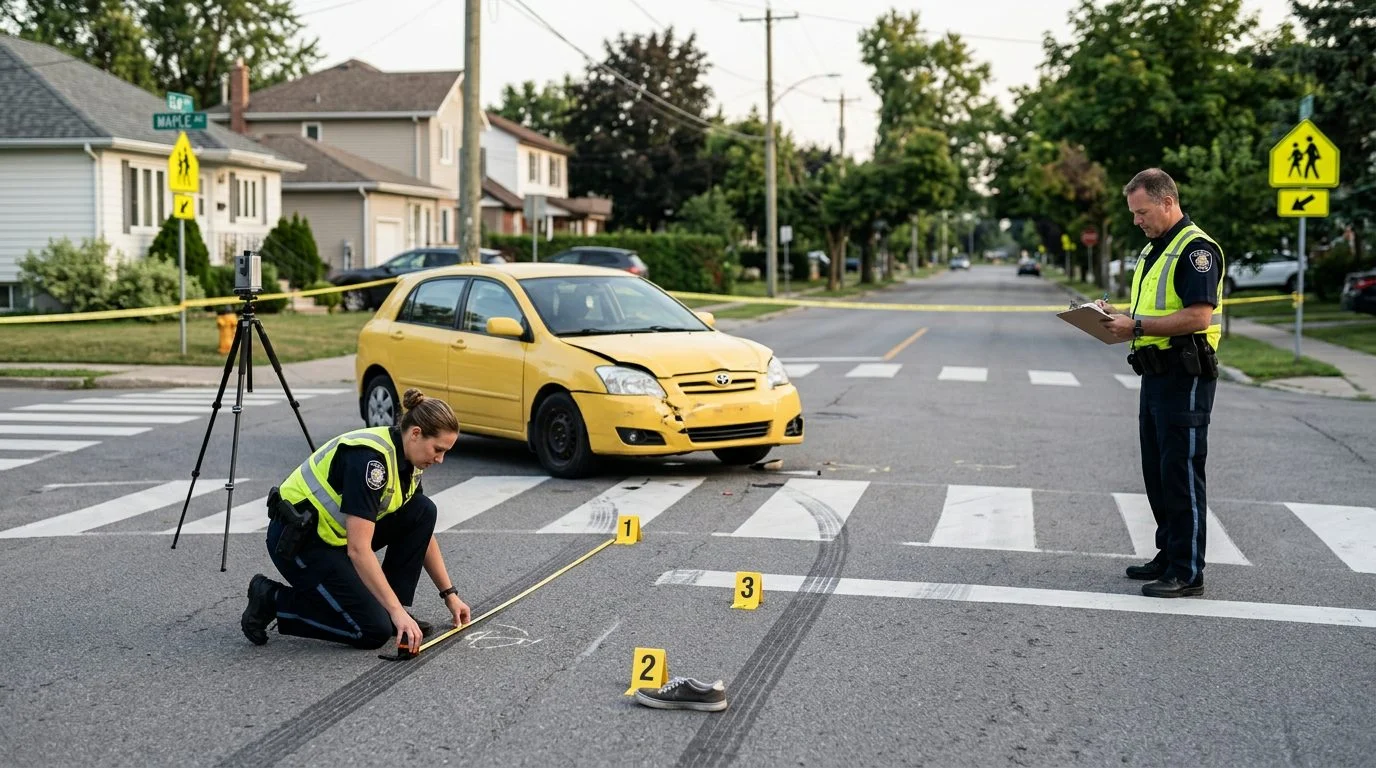
A death days later still raises questions about the crash, because the crash started the injury that led to the death.
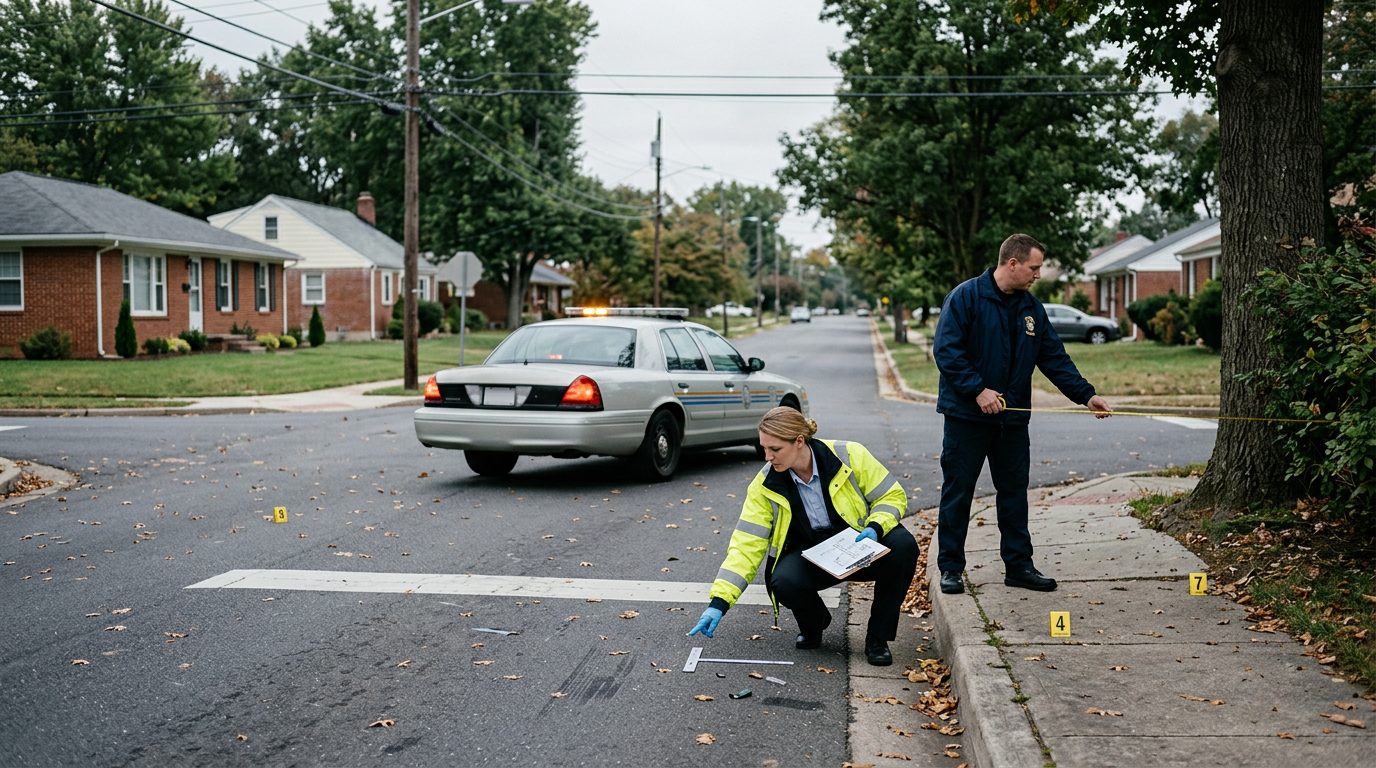
Medical records from the scene, the hospital, rehabilitation, and any care facility can show how the injury changed over time. Families often request those records early. A common mistake is letting hospital and rehabilitation paperwork scatter before anyone collects it. A dated file of discharge papers and visit notes, plus a list of each facility and doctor involved, keeps those records in order.
Virginia requires a driver involved in a crash with injury or death to stop and report it to police immediately (Va. Code §§ 46.2-371, 46.2-894). The two-year period is the deadline to file a lawsuit, not to report a crash.
Crashes involving commercial trucks can involve more parties and records, such as company records and maintenance files. What applies depends on the facts of the crash.
Timing, Records, and Questions to Bring Forward
Virginia’s general deadline for injury claims is two years, and the rules below show how timing works (Va. Code § 8.01-243).
Virginia generally allows two years from the date of injury to file a personal injury lawsuit (Va. Code § 8.01-243(A)); the clock runs from the date of injury, not the date of discovery, with narrow exceptions.
Wrongful death timing follows the death, as explained above. Some claims carry notice requirements that run out sooner, so families benefit from asking about timing early. The earlier a family organizes records and dates, the easier these questions are to answer.
Questions families often bring forward include:
- Who has been appointed to act for the person who died?
- Where are the hospital, rehabilitation, and discharge records?
- Was a police report made, and was a commercial truck involved?
- Was a county, city, or town vehicle involved?
How soon is notice due for a claim against a local government?
A negligence claim against a county, city, or town needs a written statement filed within six months after the claim accrues (Va. Code § 15.2-209). Va. Code § 15.2-209 reads: “Failure to provide such statement shall not bar a claim against any county, city, or town, provided that the attorney, chief executive, or mayor of such locality, or any insurer or entity providing coverage or indemnification of the claim, had actual knowledge of the claim, which includes the nature of the claim and the time and place at which the injury is alleged to have occurred, within six months after such cause of action accrued.” Va. Code § 15.2-209 reads: “Every claim cognizable against any county, city, or town for negligence shall be forever barred unless the claimant or his agent, attorney, or representative has filed a written statement of the nature of the claim, which includes the time and place at which the injury is alleged to have occurred, within six months after such cause of action accrued.” A missing statement does not bar the claim if the locality’s attorney, chief executive, or mayor, or its insurer, had actual knowledge of the claim within that time. Va. Code § 15.2-209 reads: “Failure to provide such statement shall not bar a claim against any county, city, or town, provided that the attorney, chief executive, or mayor of such locality, or any insurer or entity providing coverage or indemnification of the claim, had actual knowledge of the claim, which includes the nature of the claim and the time and place at which the injury is alleged to have occurred, within six months after such cause of action accrued.”