

Traumatic Brain Injury | Virginia
Hurt Without a Blow to the Head? Learn the Signs of Diffuse Axonal Injury
How a car crash can damage nerve fibers across the brain, why symptoms may appear late, and what to watch for.
Published November 6, 2026
A diffuse axonal injury is damage to nerve fibers spread across many areas of the brain at once. In a diffuse axonal injury car accident, the brain can be twisted or shaken inside the skull, and that damage can happen without a blow to the head. This page explains how it happens, why symptoms can be missed or delayed, and which Virginia deadlines may matter after a crash. Correll Law Firm handles car and truck crash cases in Virginia, so the points below focus on those situations.
What Is a Diffuse Axonal Injury?
A diffuse axonal injury is widespread damage to axons, the long nerve fibers that carry signals between brain cells. “Diffuse” means scattered. “Axonal” refers to those fibers.
Picture a bundle of electrical wires that has been stretched or torn in many places at once, not cut at one spot. Each damaged fiber can slow or block the signals it carries. That is why the effects can reach thinking, memory, balance, and mood.
Because the fibers are long, a stretch along one path can affect many functions. Medical teams also call this condition traumatic axonal injury. It falls under the wider group of traumatic brain injury. Doctors often describe it as a shearing injury, because fibers are pulled apart when tissues move at different speeds.
Not sure what your next step is?
Talk it through with Correll Law Firm — we can walk you through how a situation like yours is usually handled and what your options are.
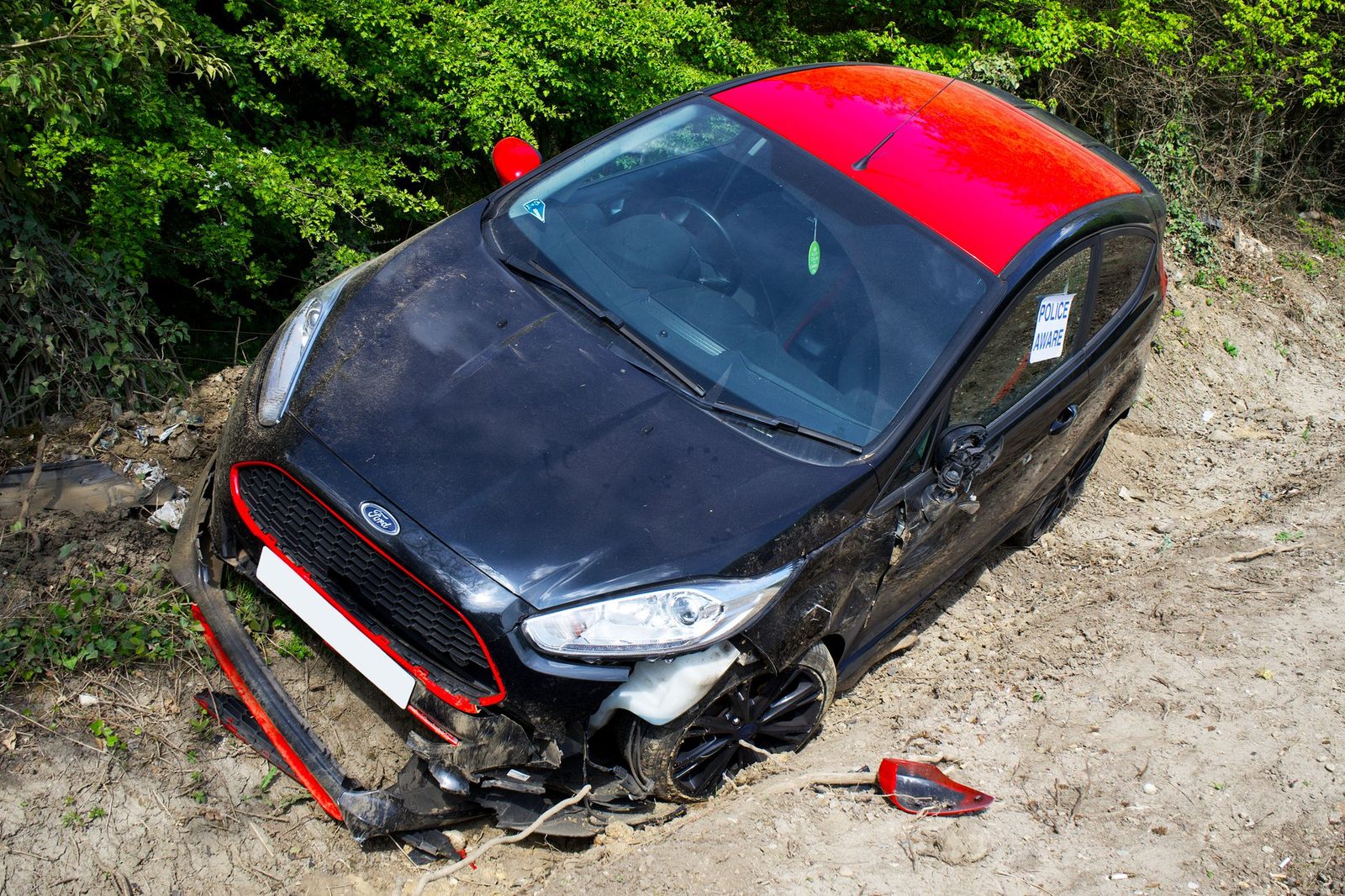
How a High-Speed Crash Causes Diffuse Axonal Injury
In a high-speed crash, fast movement alone can injure the brain, even when the skull is not broken. The brain floats in fluid inside the skull. When a vehicle stops or turns suddenly, the skull slows or spins while the brain keeps moving. That lag stretches and shears nerve fibers.
Rotation is the key mechanism. The head may twist, snap, or whip forward and back as the vehicle slows or changes direction. Crashes involving large trucks can involve big differences in weight and speed between the vehicles. Those differences can change the forces an occupant feels.
Seating position and how a person was braced also change how the body moves. How much force reaches the brain depends on the speed, the direction of impact, and how the head and body moved. Those details usually come from medical records, vehicle damage, and crash scene evidence.
Can You Have a Brain Injury Without Hitting Your Head?
Yes, a diffuse axonal injury can happen without the head striking anything. The damage comes from motion inside the skull, not from contact with a steering wheel, window, or road. A head that strikes an object causes a different kind of injury, and the two can happen together.
A person can have serious brain damage with no bruise, cut, or other visible sign on the scalp. Many people feel fine right after a crash. Some were never knocked unconscious, and some remember the crash clearly. Those facts can make the injury easy to overlook.
Side impacts and rear-end crashes can also move the head quickly, even when nothing strikes it directly. Passengers and people who were not driving can be affected, too. Doctors look for the pattern across records, not a single moment. After any serious crash, a new headache, confusion, or memory trouble deserves a medical evaluation, even without a head wound.
Signs and Symptoms of a Diffuse Axonal Injury
Common signs include confusion, memory trouble, headache, dizziness, slowed thinking, fatigue, and changes in sleep. Some people lose consciousness, and some do not. Others have a gap in memory about the crash itself.
Light or noise sensitivity, trouble focusing, and changes in balance can also appear. Some people feel tired all the time, while others feel restless and unable to rest. Sleep changes can mean too much sleep or too little. Fatigue often gets worse by the end of the day. Severity varies widely from one person to another.
Only a medical professional can evaluate symptoms and decide what they mean. Families should report every change to the care team, including changes that seem small. A short note of what changed and when can make that report clearer.
Why Symptoms Can Appear Later or Be Missed
Symptoms can appear hours or days after a crash, or they can change as swelling and pressure inside the skull shift. A person may seem alert at the scene but feel worse the next day. Early tests may not show the full extent of the damage, so later symptoms deserve attention.
Emotional changes are common after a serious crash. Irritability, anxiety, low mood, and trouble returning to routine can be part of brain injury recovery, not only a reaction to stress. Mood and personality changes can also show up in the first weeks. Family members often notice these changes before the person does.
Problems at work, at school, or behind the wheel can be an early sign that something has changed. A person who thinks symptoms are minor may skip follow-up care. A missed symptom can change when a person gets care, so reporting new changes to a medical provider matters.
How Diffuse Axonal Injury Is Detected
A standard CT scan may look normal even when nerve fibers are damaged. CT scans are often the first test after a crash. They can miss the small fiber damage that defines a diffuse axonal injury.
MRI scans, especially certain sequences, can show small areas of bleeding or nerve damage in some patients. The choice of imaging, and how the results are read, rests with the treating medical providers. Doctors also use neurological exams and memory and attention testing. They may repeat imaging if symptoms change, and some people need more than one scan over time.
A normal scan does not rule out a brain injury. A scan that shows changes also does not describe every symptom a person has. Imaging results should be read alongside the person’s symptoms and history. The full picture usually comes from the scan, the exam, the testing, and the timing of symptoms together.
Not sure what your next step is?
Talk it through with Correll Law Firm — we can walk you through how a situation like yours is usually handled and what your options are.
Recovery, Long-Term Effects, and What Survivors Often Describe
Recovery varies widely, and some people have lasting changes in memory, attention, or the speed of thinking. Some improve steadily over months. Others find certain tasks stay hard, such as multitasking, reading long text, or keeping to a schedule at work.
Changes in patience or behavior can also strain marriages, friendships, and parenting. Many people describe these shifts in daily life as the hardest part. Family members often take on new roles, such as helping with driving, reminders, and daily schedules.
Rehabilitation often includes cognitive therapy, speech therapy, occupational therapy, and a gradual return to work or school. The medical team sets each treatment plan, and each person’s course is different. Progress can come in small steps that are easy to miss without a written record. A symptom journal helps. Writing down headaches, sleep, focus problems, missed work, and appointments gives the team a clear record of progress or setbacks.
Documenting a Brain Injury After a Crash
Useful records include emergency and hospital notes, imaging results, neurological and neuropsychological testing, therapy notes, and a daily symptom log. These records show what was found, when it was found, and how it changed over time. Ask each provider for copies and keep them in one folder. A written timeline of the crash and each symptom helps the records make sense together.
Virginia requires a driver involved in a crash with injury or death to stop and report it to police immediately (Va. Code §§ 46.2-371, 46.2-894). The two-year period is the deadline to file a lawsuit, not to report a crash.
In a commercial truck crash, records about the driver’s employer matter too. Records about who employed the driver, and what the driver was doing for the company, can help show that connection.

Timing Rules in Virginia and When a Crash Is Fatal
Virginia generally allows two years from the date of injury to file a personal injury lawsuit (Va. Code § 8.01-243(A)); the clock runs from the date of injury, not the date of discovery, with narrow exceptions.
Some claims carry notice requirements that run out sooner. For negligence claims against a county, city or town, a written statement of the claim generally must be filed within six months, subject to a limited exception where the attorney, chief executive, or mayor of the locality, or an insurer or entity providing coverage or indemnification of the claim, had actual knowledge of the claim within six months, and to tolling for a claimant who was under a disability when the cause of action accrued (Va. Code § 15.2-209). Timing questions can turn on specific facts, so the rules here are a starting point, not a full answer. A person with timing questions may wish to speak with a lawyer early.
A Virginia wrongful death action is filed by the decedent’s personal representative within two years of the death (Va. Code §§ 8.01-50(C), 8.01-244(B)), on behalf of the family members the statute protects.
Family members do not file the case. They share in any recovery, and Va. Code § 8.01-53 sets out who qualifies as a beneficiary. For more on this topic, see traumatic brain injury in car and truck accidents.