
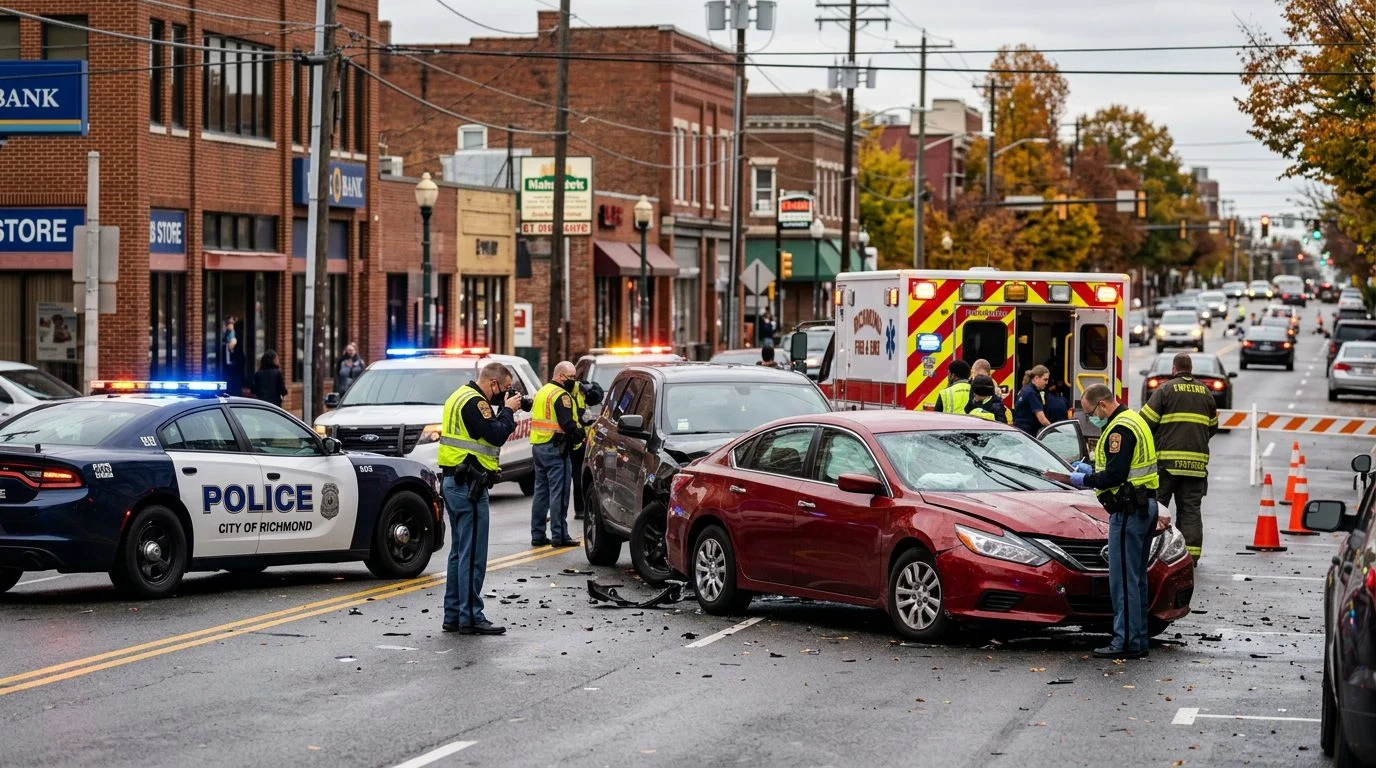
Car Accident Guidance | Virginia
Hurt in a Crash? Know When Emergency Care Can't Wait
A plain-language guide from Correll Law Firm to the warning signs that call for emergency care right away.
Published November 19, 2026
You hit your head in a car accident, and now you’re asking whether you need the ER. That’s a fair question, and many people ask it after a crash. A head impact in a crash should be medically checked, and emergency care is the right choice when a serious warning sign is present.
This guide covers the warning signs that call for emergency care now. It also explains why some symptoms show up late and what to do after a Virginia crash.
Why a Head Impact in a Crash Calls for Prompt Medical Attention
Head injuries can be hard to spot, so a medical exam matters more than how you feel. A head can strike a window, a roof pillar, the steering wheel or an airbag. That can happen even when the crash feels minor. The force behind the blow is not visible from outside the car. At the scene, you also can’t judge your own brain injury well. Adrenaline can mask pain, and many people feel fine in the first few minutes. Waiting to see if symptoms fade is a common mistake. A head injury may need care early, and waiting can delay it. Symptoms that show up over time, plus a medical exam, tell you more than how you feel right after the crash.
For an overview, read traumatic brain injury after car and truck crashes.
Should I go to the doctor if I got hit in the head?
Yes. A medical check is worth it after a head impact in a crash, even if you feel fine. Emergency care is the faster choice when warning signs appear.
Not sure what your next step is?
Talk it through with Correll Law Firm — we can walk you through how a situation like yours is usually handled and what your options are.

Warning Signs That Call for Emergency Care Right Away
Go to the emergency room now if you notice any serious warning sign after a head impact. Mayo Clinic’s concussion guidance covers the emergency warning signs that can follow a head injury. Emergency warning signs include:
- loss of consciousness, even briefly
- a seizure
- repeated vomiting
- a headache that is severe or keeps getting worse
- confusion, or drowsiness that makes the person hard to wake
- slurred speech
- weakness or numbness in the arms or legs
- pupils of different sizes
- clear fluid or blood from the nose or ears
If someone has a seizure or can’t be woken, call 911 right away. If you can’t be watched at home, or symptoms are getting worse, don’t wait. Trust what you notice. A family member who sees confusion or unusual behavior should speak up, even if the injured person says they feel fine. Young children and older adults can show different signs, so get them seen promptly after any head impact.
Is There a Four-Hour Rule for Head Injuries?
No fixed number of hours decides whether you need emergency care after a head impact. You may hear about a four-hour rule. Don’t let a clock make the call. The better question is whether symptoms are present now or starting to show up.
A person who feels fine at the scene can still develop symptoms later. A normal first hour does not rule out a problem. Symptoms can change from hour to hour, so a quiet first hour is not a clear sign of safety.
Medical staff, not a timer, decide about imaging and observation. Tell them what happened in the crash, including the impact to your head. Keep watching for changes for days after the crash, and note what you notice and when.
Trauma Centers, Urgent Care and Primary Care: Choosing the Right Setting
An emergency department is the right setting for a head injury with warning signs. Urgent care or primary care may fit a mild impact with none. An emergency department can run imaging and watch for changes over time. An urgent care clinic can be a faster option for minor problems, but it may not offer the same monitoring or imaging. A primary care visit suits follow-up care, not a fresh head injury with warning signs.
After a serious crash, emergency medical services may take you to a trauma center, a hospital set up for serious injuries. Follow their directions at the scene. Virginia EMS post-crash guidance lists clinical factors crews use after a crash, including whether a patient can give a reliable history, when deciding on spinal immobilization or neck imaging.
A skull fracture can happen without obvious signs. Imaging answers that question, not your sense of how you feel. Learn more about skull fracture and brain injury in a crash. The right setting depends on the facts of your injury and symptoms.
Why Some Head Injuries Do Not Show Up Right Away
Some head injuries cause symptoms hours or days after a crash. Swelling or bleeding inside the skull can build slowly, so the brain may change over time.
Watch for new symptoms in the days after the crash. Tell a clinician about a new or worsening headache, memory trouble, sleep changes, irritability or vision changes. Don’t wait for these to pass on their own. Driving or work can make symptoms worse, so report changes in those activities too.
For a fuller look at later symptoms, read delayed brain injury symptoms after a crash.
What should I do if a new symptom shows up later?
Get a medical check as soon as you can. Tell the clinician when the symptom started and how it has changed. A short written log of symptoms, with dates, helps the clinician track changes.
Concussion Symptoms After a Crash and Whether to Leave Them Untreated
No. Concussion symptoms should be medically evaluated, not left untreated. Common concussion symptoms include headache, dizziness, sensitivity to light or noise, trouble concentrating and fatigue. Some of these can last for weeks.
Don’t decide alone that they’re harmless. A clinician can check for a more serious injury and set a plan for your recovery. Rest and a gradual return to activity are often part of clinician guidance. The clinician sets the pace, not the calendar. Ask about a safe return to driving and work.
A common mistake is describing only the headache and leaving out dizziness, sleep trouble or trouble focusing. Tell the clinician about every change, even the small ones. Keep a note of how activities affect your symptoms, and share it. For more on symptoms that last after a crash, read symptoms that persist after a crash.
Not sure what your next step is?
Talk it through with Correll Law Firm — we can walk you through how a situation like yours is usually handled and what your options are.
Reporting the Crash and Keeping Accurate Records
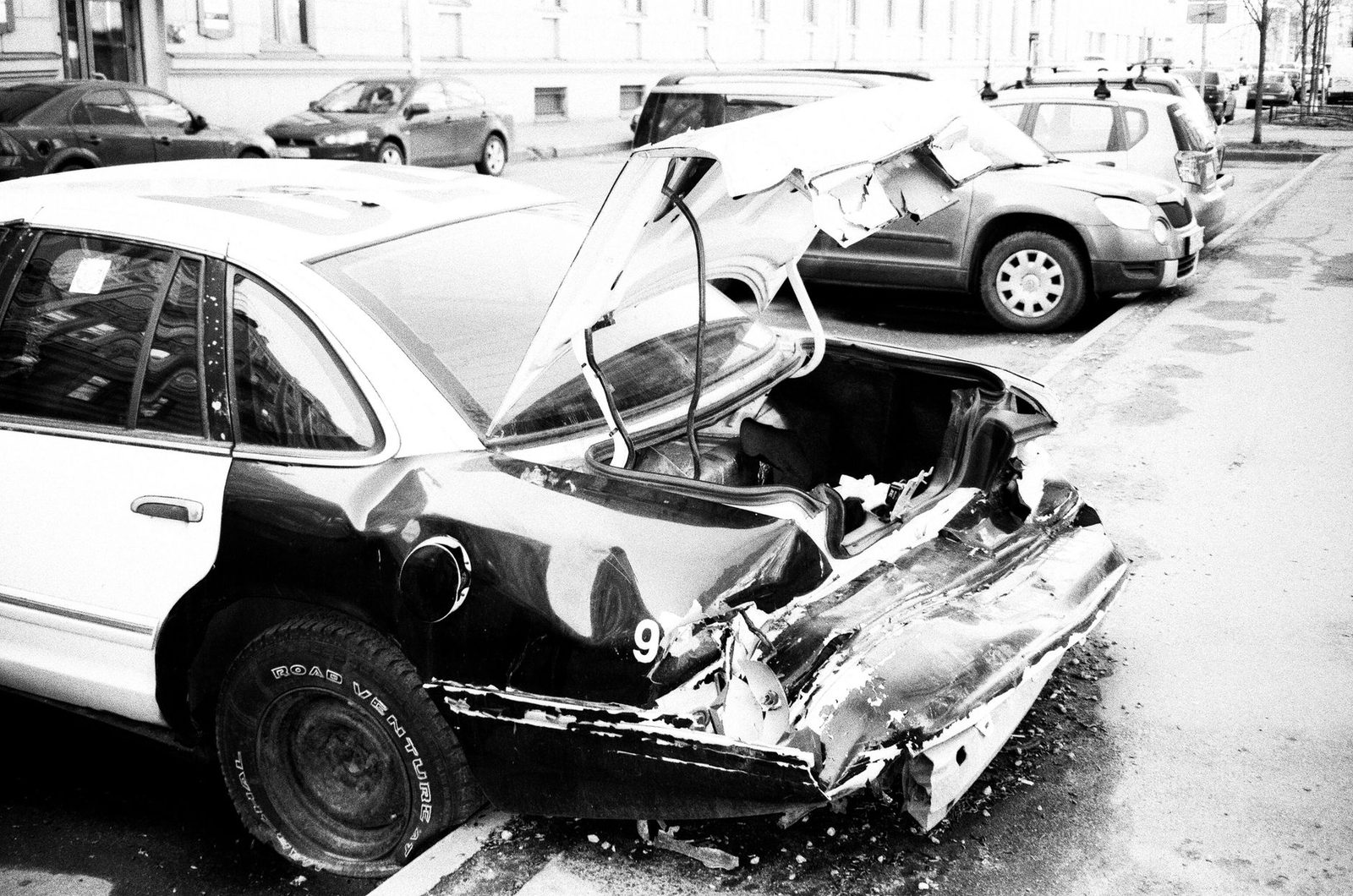
Virginia requires a driver involved in a crash with injury or death to stop and report it to police immediately (Va. Code §§ 46.2-371, 46.2-894). The duty to stop and assist is in Va. Code § 46.2-894. The immediate notice duty is also in Va. Code § 46.2-371.
Keep your records complete:
- Tell every clinician about the impact, the crash and each symptom, even minor ones.
- Take photos of the vehicles and the scene if it is safe.
- Write down witness names and the police report number.
- Keep a dated list of every visit, test and summary.
Virginia generally allows two years from the date of injury to file a personal injury lawsuit (Va. Code § 8.01-243(A)); the clock runs from the date of injury, not the date of discovery, with narrow exceptions. The rule is in Va. Code § 8.01-243. That deadline is for filing a lawsuit, not for getting medical care. Medical care should never wait on a legal deadline.