
Traumatic Brain Injury | Winchester, Virginia
Head Injury Help for Winchester and the Shenandoah Valley
Correll Law Firm represents people with serious brain injuries from car and truck crashes, and families facing a wrongful death. The firm has offices in Winchester and Harrisonburg and also represents clients from Front Royal, Richmond and Henrico County.
Published November 6, 2026
A head injury from a crash may support a personal injury claim when another person’s negligence caused it. This page explains how these claims work in Virginia, what evidence matters and which deadlines apply. For residents of Winchester and the Northern Shenandoah Valley, a head injury lawyer Winchester Virginia families may speak with can review how these rules fit their facts.
What a Head Injury Claim Covers After a Crash
Head injuries can range from mild concussions to serious brain injuries, and their effects can vary widely from person to person. A traumatic brain injury (TBI) is damage to the brain itself. The Norfolk Health Department notes that traumatic brain injuries can result from blows, jolts or penetrating head injuries. It also names motor vehicle crashes as a common cause.
Injuries range from mild, such as a concussion, to severe. Some symptoms take hours or days to appear, so a later start does not mean the injury was absent.
A driver or passenger hurt in a crash may bring a claim for their own losses. When a crash causes a death, the decedent’s personal representative may bring a wrongful death action on the family’s behalf, covered below.
If a crash left you or someone you love with a head injury, the firm can talk with you about the facts and whether a claim may be possible. Talk it through with Correll Law Firm — we can walk you through how a situation like yours is usually handled and what your options are.
How a Crash Can Cause a Brain Injury Without Head Contact
A brain can be injured even when the head never hits anything. When a vehicle stops or turns suddenly, the head and brain can move quickly inside the skull. Doctors describe this as acceleration and deceleration.
Picture a rear-end collision at a red light. The driver’s head snaps forward, then back, and strikes nothing. That fast movement alone can injure the brain.
Watch for headaches that get worse, confusion, memory gaps, sleep changes, irritability, dizziness or balance trouble. Any of these signs deserve a medical evaluation, and the visit notes become part of the record.
Types of Crashes the Firm Handles With Head Injuries
The firm handles car accidents, truck and commercial vehicle accidents, and catastrophic injury claims, which can include a head injury. Each type brings its own facts.
- Car accidents: collisions between passenger vehicles, including side-impact and rear-end crashes.
- Truck and commercial vehicle accidents: crashes involving large trucks can involve more than one party, such as a driver and a company.
- Catastrophic injuries: cases where a head injury occurs alongside other serious harm, such as a spinal cord injury.
The firm focuses on these case types.
What Evidence Shapes a Head Injury Claim
Medical records, crash records and daily-life documentation usually shape a head injury claim the most. Each answers a different question: what happened, how the injury affects the person and what care is needed.
- Medical records: emergency care, imaging, neurology, rehabilitation and follow-up visits. A steady treatment history helps show how the injury has progressed.
- Crash evidence: police reports, photos, vehicle damage and witness names. In truck cases, driver logs may matter. Federal rules require motor carriers subject to the requirements of this part, except private motor carriers of passengers (nonbusiness), to have each driver record duty status for each 24-hour period (49 C.F.R. § 395.8).
- Daily-life records: missed work, lost income, changes at home and a symptom journal.
- Outside professionals: opinions from medical or accident reconstruction professionals can help explain how the injury happened and what future care a person may need.
How the Claim Process Works, Step by Step
A head injury claim usually moves from an initial review to records, investigation, negotiation and, if needed, a lawsuit. The steps below show what to expect.
- Initial case evaluation. The firm reviews the crash facts, medical status and any letters received from insurers.
- Records. Medical records, crash reports and wage documents are gathered and organized.
- Investigation. Evidence is requested from insurers and other parties.
- Effects of the injury. Work, family life and future medical needs are reviewed. Brain injury cases can take longer because symptoms may change over time.
- Negotiation or lawsuit. Claims are negotiated with insurers. If needed, a lawsuit is filed. How long this takes depends on the facts and the parties involved.
No particular result can be promised at any step.
Deadlines, Reporting Duties and Why Timing Matters
Virginia sets deadlines for injury claims, and drivers have a duty to report certain crashes right away. The reporting duty is separate from the filing deadline.
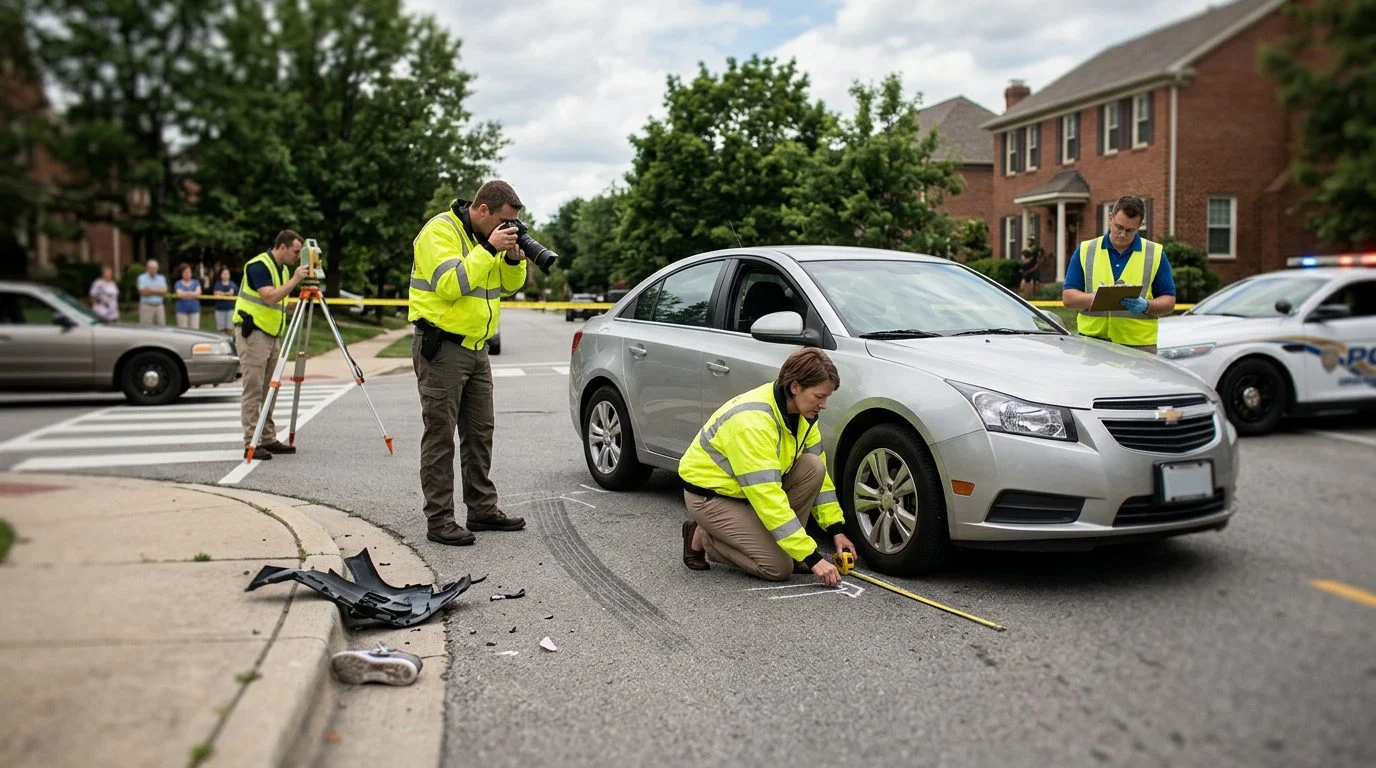
Virginia requires a driver involved in a crash with injury or death to stop and report it to police immediately (Va. Code §§ 46.2-371, 46.2-894).
Virginia generally allows two years from the date of injury to file a personal injury lawsuit (Va. Code § 8.01-243(A)); the clock runs from the date of injury, not the date of discovery, with narrow exceptions.
Some claims carry shorter notice requirements.
Early documentation of symptoms and treatment helps preserve evidence and makes timing easier to review.
Not sure what your next step is?
Talk it through with Correll Law Firm — we can walk you through how a situation like yours is usually handled and what your options are.
Where the Firm Serves People
The firm has an office in Winchester and an office in Harrisonburg. It serves clients across Virginia.
- Service area: the firm serves people across the Shenandoah Valley, including the Front Royal area, and people in Richmond and Henrico County.
- Staff: the firm has more than one lawyer, along with support staff who help organize records and communications.
- Practice areas: car accidents, truck accidents, commercial vehicle accidents, catastrophic injuries, traumatic brain injury, spinal cord injury and wrongful death.
- Approach: the firm focuses on injury claims and makes no promises about results. Each claim turns on its own facts.
Punitive damages are a separate question.
Frequently Asked Questions About Head Injury Claims
The answers below cover the questions people ask most often.
Can I still bring a claim if my symptoms started days after the crash?
Delayed symptoms can still be part of a claim. Early medical records help link them to the crash.
What if I was partly at fault?
Virginia follows contributory negligence: if you are found even partly at fault, you may be barred from recovering, with limited exceptions. Talk to a lawyer about your facts.
How is the value of a head injury claim determined?
Medical, work and daily-life facts shape each claim. No single formula applies to every case.
What if a head injury from a crash leads to death?
A Virginia wrongful death action is filed by the decedent’s personal representative within two years of the death (Va. Code §§ 8.01-50(C), 8.01-244(B)), on behalf of the family members the statute protects.
Should I speak with a head injury lawyer Winchester Virginia?
You may wish to speak with a lawyer about your facts, including the deadlines that apply. The firm has an office in Winchester and serves people from the Front Royal area.
Keeping Records After a Head Injury
Dated records from the start help show what happened and how the injury affects daily life.
- Symptom journal: dates of headaches, sleep, concentration, mood and balance changes.
- Medical documents: visit notes, imaging reports, prescriptions, therapy schedules and work leave paperwork.
- Crash details: the crash report number, photos, insurer letters and witness names.
Organized records can help a person and their family when they talk with a lawyer about their situation.