
Brain Injury Claims | Virginia
When You Can't Remember the Crash, Your Injury Still Matters
Memory gaps after a serious collision raise hard questions for injured people and their families. Here is how Virginia claims work when the crash itself is a blur.
Published November 24, 2026
Some people who were hurt in a car crash can’t remember it at all. That gap can be frightening, and it raises a hard question: does it mean a brain injury?
A memory gap can be a sign of a brain injury, but it does not show how serious the injury is. This page explains what a memory gap can mean, why brain injuries are sometimes missed early, and how a timeline can be rebuilt from records. It also covers Virginia’s reporting duty and filing deadline.
What a Memory Gap Around a Crash Can Look Like
A memory gap after a crash means the person cannot recall some or all of the collision, the moments before it, or the time just after it.
Gaps vary a lot. Some people remember the drive but not the impact. Others have no memory of the scene or the ride to the hospital. Some gaps last minutes, and others cover a longer stretch.
Doctors use specific terms for these gaps:
- Retrograde amnesia means losing memories from before the event.
- Anterograde amnesia means trouble forming new memories after the event.
- Post-traumatic amnesia is the period after a head injury when new memories do not form normally.
Each term describes a different kind of gap. The label alone does not show how serious an injury is. Medical evaluation is what sorts that out.
Not being able to remember your crash can leave many questions open, and you don't have to sort them out alone. The firm is glad to talk through your situation. Talk it through with Correll Law Firm — we can walk you through how a situation like yours is usually handled and what your options are.

How Memory Loss Connects to a Brain Injury
A brain injury can cause memory loss, even when the head shows no open wound.
The Virginia brain injury resource states that motor vehicle accidents can cause traumatic brain injury. It describes a brain injury as damage or change in brain function caused by an external force. The same resource says a brain injury diagnosis must be made by a doctor.
Common symptoms after a crash include trouble with memory, attention and thinking speed. Headaches, dizziness and sleep changes are also common. These symptoms can last days, weeks or longer, and they should be reported to a doctor, even when they seem minor.
Symptoms do not always show up right away. The Virginia Department of Health states that concussion or brain injury symptoms can be delayed for hours or days after a car accident. The same guidance says a worsening headache, repeated vomiting, increasing drowsiness, inability to wake, or loss of consciousness needs immediate emergency evaluation.
The brain injury severity levels page explains how doctors describe injuries from mild to severe.
Why Brain Injuries After a Crash Are Often Missed Early
Brain injuries after a crash are often missed early because the first signs can look like something else.
Shock and adrenaline can make a person feel fine at the scene. Neck pain and bruising draw attention away from the head. Pain medicine can cause drowsiness or fogginess, which can hide or mimic brain symptoms. A person who seems alert at the scene can still develop a brain injury that shows up in the following days.
Many people shrug off small changes. A missed word, a repeated question or trouble following a conversation can feel too minor to mention. Those details are often exactly what a provider needs to hear.
Two habits help. Tell every provider about any memory gap, confusion or change in thinking, even if it seems small. Keep a written list of symptoms with dates and times, so changes can be seen over time.
Questions to Raise With Your Medical Providers
The most useful questions ask whether a head injury was checked and what happens next.
Consider asking:
- Was a head injury evaluated at this visit?
- Was imaging considered, and if not, why not?
- Is cognitive or memory testing recommended now or later?
- Which symptoms should prompt a return visit or emergency care?
- Should a neurology evaluation be considered?
The answers matter for two reasons. They guide care, and they create a record. A first evaluation documents what the provider observed and recorded at the time. Notes made in the first days can show symptoms before anyone had a reason to focus on memory.
The reader may wish to ask for copies of medical records as they are created. That makes it easier to track what was documented and when.
Crash Reports and the Duty to Stop and Report
Virginia requires a driver involved in a crash with injury or death to stop and report it to police immediately (Va. Code §§ 46.2-371, 46.2-894).
The duty appears in Va. Code § 46.2-371 and Va. Code § 46.2-894. Section 46.2-894 also requires reasonable assistance to an injured person, including taking that person to a physician or hospital when treatment is apparent or requested. If injuries prevent a driver from reporting at the scene, the statute requires the report as soon as reasonably possible.
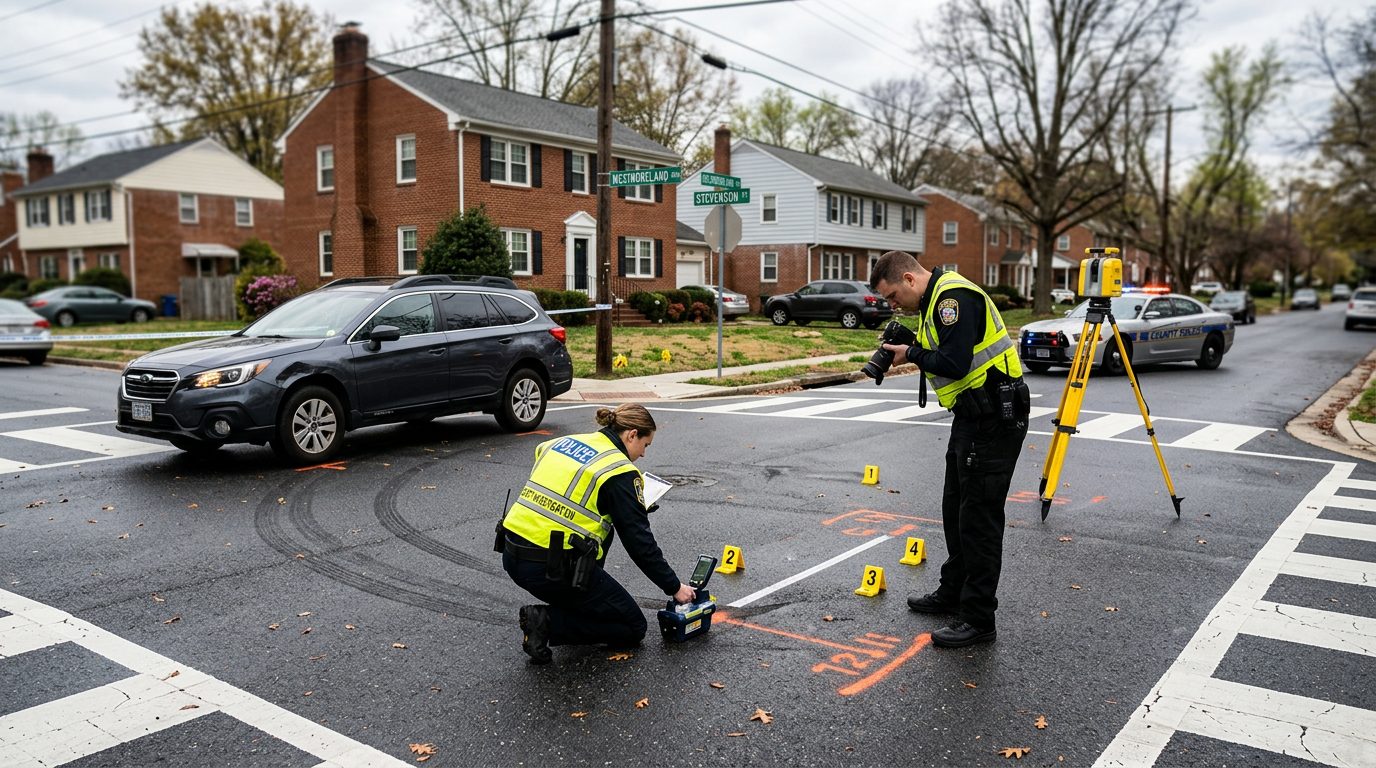
A crash report is written by the responding officer. It can record the scene, vehicle positions, statements made at the time and visible injuries. It can help fill in what the injured person cannot recall, though it does not replace medical records.
Keep the two deadlines apart. The two-year period discussed below is the deadline to file a lawsuit (Va. Code § 8.01-243). Reporting a crash and filing a lawsuit are separate steps.
Rebuilding the Timeline Without Your Own Memory
A timeline can often be rebuilt from records and physical evidence, even when the injured person cannot recall the crash.
Useful sources include:
- The police crash report
- Emergency medical services run reports
- Hospital, urgent care and follow-up records
- Photos of the vehicles, the road and the scene
- Names and contact details for witnesses, and any statements they gave
- Phone, dashcam or vehicle data, if it exists
Physical evidence matters. Vehicle damage and where the vehicles came to rest can show how the impact happened. A person who cannot recall the impact may still be able to describe what happened afterward, through records made at the time.
Writing things down helps. Record what you do remember, and note when you remembered it. Avoid filling gaps with guesses. A note that says “I don’t recall” is more accurate than a reconstruction that later changes.
Not sure what your next step is?
Talk it through with Correll Law Firm — we can walk you through how a situation like yours is usually handled and what your options are.
How Memory Problems Can Affect a Brain Injury Claim
A brain injury claim usually relies on medical proof of the injury and its effect on daily life, not only on the injured person’s memory of the crash.
Medical records carry much of that proof. They show the diagnosis, the symptoms reported over time, the tests ordered and the treatment given. Symptoms that stay consistent across visits can help show how the injury affects work, driving, sleep and relationships.
Unexplained gaps in treatment can draw questions from others involved in a claim. Regular follow-up care, documented at the time, makes the record easier to follow.
The firm represents people hurt in car and commercial truck crashes. It serves people from the Shenandoah Valley to Richmond and Henrico County, and its offices are in Winchester and Harrisonburg. Readers in the Richmond area can learn more about traumatic brain injury in Richmond. Readers with neck or back injuries alongside a head injury may find spinal cord injury compared with brain injury helpful. For a full overview, see traumatic brain injury after car and truck crashes.
Time Limits to Keep in Mind
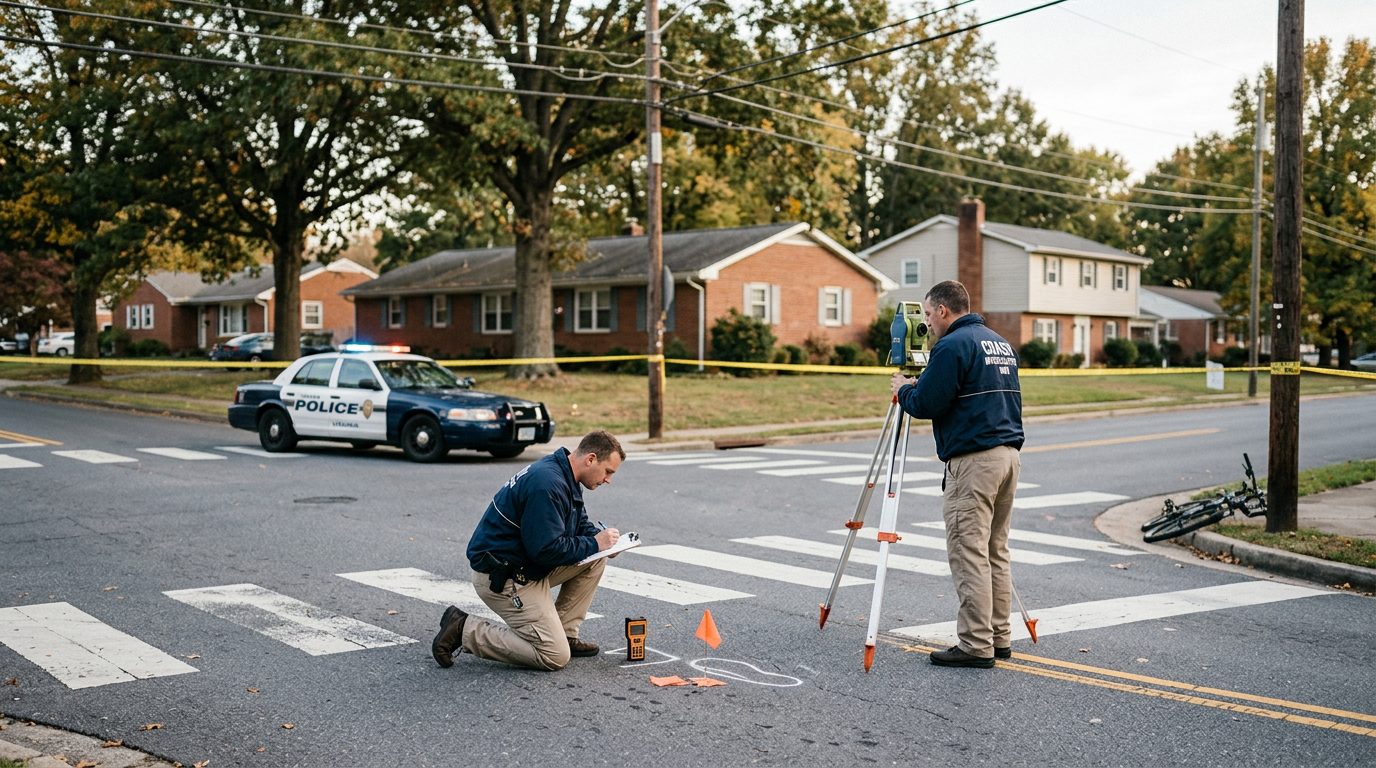
Virginia generally allows two years from the date of injury to file a personal injury lawsuit (Va. Code § 8.01-243(A)); the clock runs from the date of injury, not the date of discovery, with narrow exceptions.
The accrual rule is found in Va. Code § 8.01-230. A brain injury found weeks or months after a crash does not, by itself, move that starting point.
Some claims carry notice requirements that run out sooner.
Quick Answers
Can you have a brain injury if you don’t remember the crash?
Yes, it is possible. Only a doctor can diagnose a brain injury.
Does a police report replace medical records?
No. A police report records the scene and statements, while medical records document symptoms and diagnosis.