
Traumatic Brain Injury | Winchester, Harrisonburg and the Shenandoah Valley
A Normal CT Scan Does Not Mean Your Brain Was Not Hurt
After a car accident, a standard CT result can be reassuring but incomplete. Here is what a normal scan can and cannot show, and why your symptoms still matter.
Published October 30, 2026
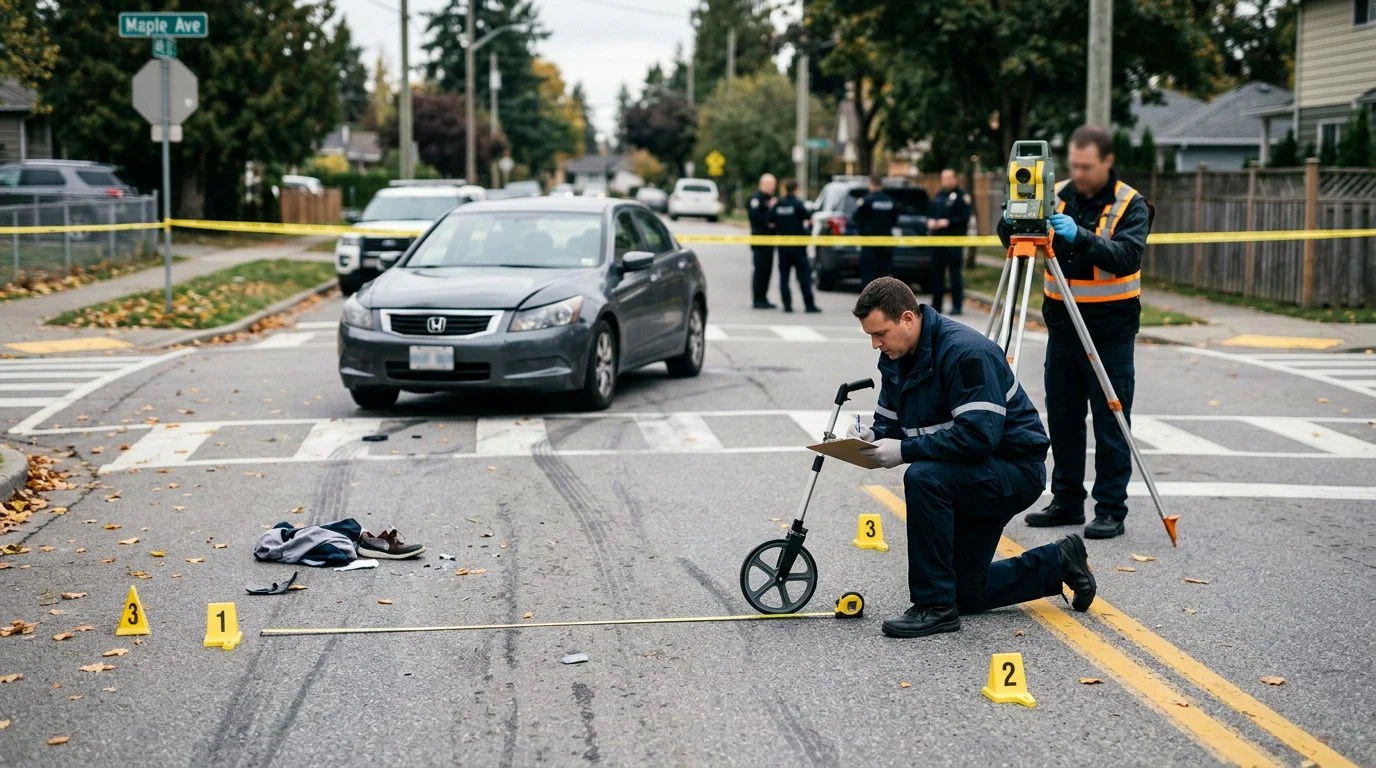
A normal CT scan does not rule out a brain injury after a car accident. A head CT is built to find urgent problems, such as bleeding, skull fractures and swelling. It is not built to catch every kind of injury to the brain. Many people ask what a normal CT scan brain injury after car accident result really means. This page explains what the scan can show, what it may miss, and what often comes next. Correll Law Firm, with locations in Winchester and Harrisonburg, represents people hurt in crashes across the Shenandoah Valley. This page is general information, not medical advice.
Why a Head CT Scan Is Usually the First Test After a Crash
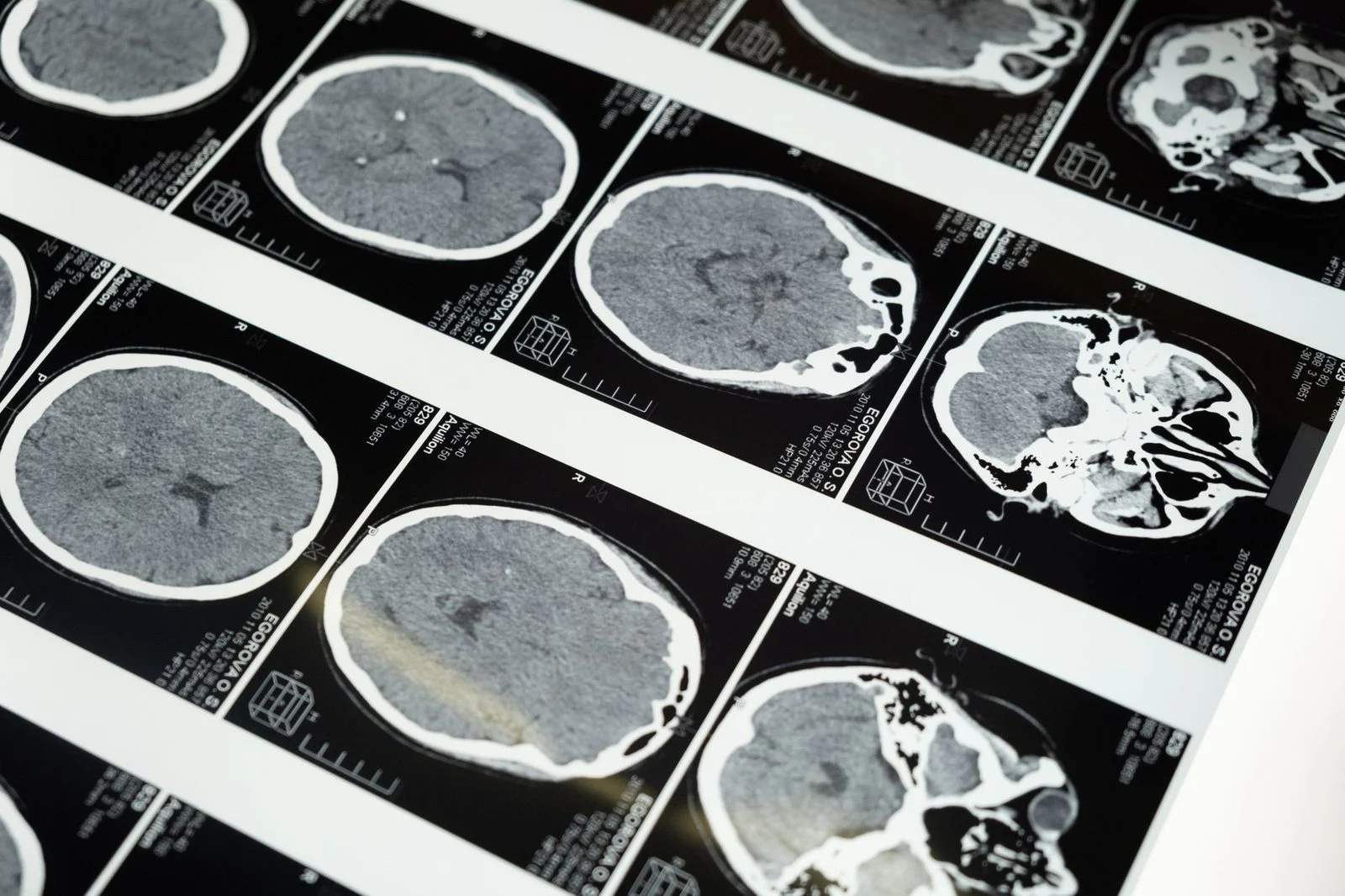
Emergency departments often use a head CT as the first imaging test after blunt head trauma. It is fast and widely available. Speed matters, because bleeding inside the skull can need treatment within hours.
The scan is aimed at urgent findings. It can show skull fractures, bleeding and signs of brain swelling. Those findings can change treatment right away, so doctors look for them first.
A CT is only one part of the picture. Doctors also check alertness, memory, speech, balance and vision. They then decide what else is needed. Virginia Brain Injury Services states that motor vehicle accidents can cause traumatic brain injury, and that a doctor must make the diagnosis.
If symptoms are still bothering you after a crash, you don't have to sort out your options alone, and the firm is glad to talk with you. Talk it through with Correll Law Firm — we can walk you through how a situation like yours is usually handled and what your options are.
What a Normal CT Result Does and Does Not Tell You
A normal CT means the scan did not show the kinds of findings it is built to show at that moment. It does not mean the brain was unaffected. A CT is a single snapshot taken at one point in time.
It is not designed to detect every type of brain injury. It also does not measure how well the brain works day to day. That difference matters. A person who hears the word “normal” may feel relieved and stop tracking symptoms.
Symptoms may develop or change after the scan is done. So one normal result does not settle the question. It is useful information, but it is not the final word.
Concussion and Other Injuries a Standard CT May Not Show
A standard CT often does not show a concussion, and a normal CT does not rule one out. A concussion is a change in how the brain works. It is usually diagnosed from symptoms and an exam, and standard imaging often looks normal.
Diffuse axonal injury is another example. It involves tiny tears in the brain’s nerve fibers, often caused by rapid twisting or shaking forces. Those tears can be too small or too spread out to show on a standard CT. Small areas of bleeding can also be missed on a first scan.
For anyone asking about a normal CT scan brain injury after car accident symptoms, the key point is simple. A normal CT does not, by itself, rule out a brain injury. The scan is one tool among several.
When MRI and Follow-Up Testing May Be Discussed
An MRI is often discussed when symptoms continue or the first scan is normal. An MRI uses magnets and radio waves instead of X-rays. It can show soft brain tissue in more detail than a CT, which is why clinicians may order it later.
Other tools are also common. A neurological exam checks reflexes, strength, balance, eye movement and coordination. Cognitive testing measures memory, attention and how quickly a person processes information. A clinician may refer a patient to a neurologist when symptoms last.
These tools help doctors understand what is going on. None of them promises a particular result. The key step is to follow the testing plan your treating clinicians recommend. Keep follow-up visits, and tell your clinician about every symptom, even ones that seem minor.
Symptoms That Can Appear Hours or Days After a Crash
Brain injury symptoms can start right away, or they can appear hours or days later. Common reports include headache, dizziness, memory or concentration problems, sleep changes, sensitivity to light or noise, mood changes and vision problems. Many people brush these off as stress or tiredness, especially while dealing with work and car repairs.
Symptoms can also come and go. Some people feel better for a day and then feel worse again. That pattern is one reason a normal scan on the day of the crash does not close the question. Keeping a record of what you notice helps your clinician see the pattern.
Some signs need emergency care right away. Seek emergency care now for a worsening headache, confusion, repeated vomiting, weakness on one side, slurred speech, a seizure, or unequal pupils. Don’t wait for a routine appointment when these signs appear.
How Medical Records and Imaging Fit Into an Injury Claim
A claim is usually built on the full medical record, not on one scan. That record can include emergency notes, imaging reports, follow-up visits and treatment plans. Each part helps show what happened and what changed afterward.
Consistent documentation matters. A dated symptom journal can show how headaches, sleep, work and family life have changed over time. A clinician’s written view on what caused the symptoms can also matter, and medical reviewers may later be asked to explain findings in plain terms.
Not sure what your next step is?
Talk it through with Correll Law Firm — we can walk you through how a situation like yours is usually handled and what your options are.
Virginia Time Limits to Keep in Mind
Virginia’s filing deadline for most injury lawsuits is set by statute. Virginia generally allows two years from the date of injury to file a personal injury lawsuit (Va. Code § 8.01-243(A)); the clock runs from the date of injury, not the date of discovery, with narrow exceptions.
Some claims carry notice requirements that run out sooner. For example, a claim against a county, city or town requires a written statement within six months under Va. Code § 15.2-209. Va. Code § 15.2-209 reads: “Failure to provide such statement shall not bar a claim against any county, city, or town, provided that the attorney, chief executive, or mayor of such locality, or any insurer or entity providing coverage or indemnification of the claim, had actual knowledge of the claim, which includes the nature of the claim and the time and place at which the injury is alleged to have occurred, within six months after such cause of action accrued.” Va. Code § 15.2-209 reads: “Every claim cognizable against any county, city, or town for negligence shall be forever barred unless the claimant or his agent, attorney, or representative has filed a written statement of the nature of the claim, which includes the time and place at which the injury is alleged to have occurred, within six months after such cause of action accrued.” The firm represents people hurt in crashes in Richmond, Henrico County, Winchester, Harrisonburg and the Shenandoah Valley.
Common Questions About Normal CT Results After a Crash
Can I have a concussion if my CT scan was normal?
Yes. A standard CT often does not show a concussion, and clinicians usually diagnose it from symptoms and exam findings.
Do I need an MRI if my CT is normal?
That depends on your symptoms and your clinician’s judgment. Your treating clinician can explain whether an MRI makes sense for you.
Should I keep a symptom diary?
A dated record of symptoms, and how they affect work and daily activities, can help track changes over time.
Related practice areas
- Traumatic Brain Injury from Car and Truck Accidents: Legal Help in Virginia
- Traumatic Brain Injury in Richmond
- Traumatic Brain Injury in Henrico County
- Personal Representative in Wrongful Death Truck Crash