

Car and Truck Crash Injuries | Winchester, Harrisonburg and the Shenandoah Valley
Hurt as a Passenger? A Brain Injury Can Still Raise Important Questions
A crash can change how you think, remember and function, and the injury may not be clear right away. Here is how passengers and their families can start to sort out their options.
Published November 22, 2026
You rode in a car or truck that crashed, and now you have headaches or trouble remembering things. Can you make a claim?
Yes, a passenger hurt in a car crash in Virginia may have a claim against the driver or company whose negligence caused it, even though the passenger was not driving. This page explains how that works and what to think about early.
What a passenger brain injury claim covers and who it is for
A passenger brain injury claim is a personal injury claim brought by someone hurt in a car or commercial truck crash who sustained a traumatic brain injury. Passengers did not drive, so the claim usually turns on how the crash happened and who caused it.
A concussion is a trauma-induced change in mental status. It can happen with or without loss of consciousness, according to the Virginia Department of Health. That same source says a collision can injure the brain through coup or contrecoup impact.
This page is for three groups: injured passengers, family members of a passenger who died, and people whose symptoms began after a crash they rode in.
The firm handles car accidents, truck accidents, commercial vehicle accidents, traumatic brain injury, catastrophic injuries and wrongful death. From its Winchester and Harrisonburg locations, the firm represents people throughout the Shenandoah Valley, Richmond and Henrico County.
If a crash left you or someone you love with brain injury symptoms, you may have a claim, and the firm is glad to talk through your facts. Talk it through with Correll Law Firm — we can walk you through how a situation like yours is usually handled and what your options are.
Who may be responsible when a passenger is hurt
A passenger’s claim may reach more than one party, so identifying each one early matters. Common crash types that involve passengers include rear-end impacts, intersection collisions, rollovers and highway crashes with large trucks.
- The driver of the vehicle the passenger was riding in, if that driver’s negligence caused the crash.
- The driver of any other vehicle involved in the collision.
- A trucking company, carrier or vehicle owner, when a commercial truck or commercial vehicle is involved.
Commercial drivers also face federal safety rules. Under 49 C.F.R. § 392.3, no driver may operate a commercial motor vehicle when fatigue, illness or another cause makes it unsafe, including when the driver is so likely to become impaired that it would be unsafe, and a carrier may not require or permit that. In a grave emergency where compliance would increase the hazard, the driver may continue to operate the vehicle to the nearest place at which that hazard is removed. Whether that rule played a role depends on the facts of the crash.
Each party’s records and insurance can differ, so early identification helps the review.
Why brain injury symptoms can show up later
Symptoms can take time to appear, so feeling fine at the scene does not end the question. Brain Injury Services notes that motor vehicle accidents can cause traumatic brain injury and that a doctor must make the diagnosis.
A medical check after any head impact is important for your health. Tell every doctor about the crash, even if it seemed minor.
Keep a simple symptom log. Write down each symptom, when it started, how often it happens and what it affects, such as work, school, driving or sleep. Delayed symptoms can make the timeline harder to explain later, so record dates as they happen.
Medical records made close in time to the crash can help show the connection between the crash and later symptoms.
What the reporting and filing deadlines are
Crash reporting and the lawsuit deadline are two separate rules. Virginia requires a driver involved in a crash with injury or death to stop and report it to police immediately (Va. Code §§ 46.2-371, 46.2-894). The duty to stop also requires reasonable help for an injured person, as set out in Va. Code § 46.2-894. Keep the crash report number if an officer gives you one.
The two-year period is the deadline to file a lawsuit, not the deadline to report a crash (Va. Code § 8.01-243).
Virginia generally allows two years from the date of injury to file a personal injury lawsuit (Va. Code § 8.01-243(A)); the clock runs from the date of injury, not the date of discovery, with narrow exceptions.
Claims against a Virginia county, city or town for negligence have a shorter notice requirement: a written statement of the nature of the claim, including the time and place of the injury, must be filed within six months (Va. Code § 15.2-209). Failure to provide that statement does not bar the claim if the attorney, chief executive or mayor of the locality, or an insurer or entity covering the claim, had actual knowledge of it within those six months, and if the claimant was under a disability when the claim arose, the tolling provisions of § 8.01-229 apply.
Useful evidence includes the crash report number, photos, medical and imaging records, your symptom log, work or school absence records and the names of witnesses.
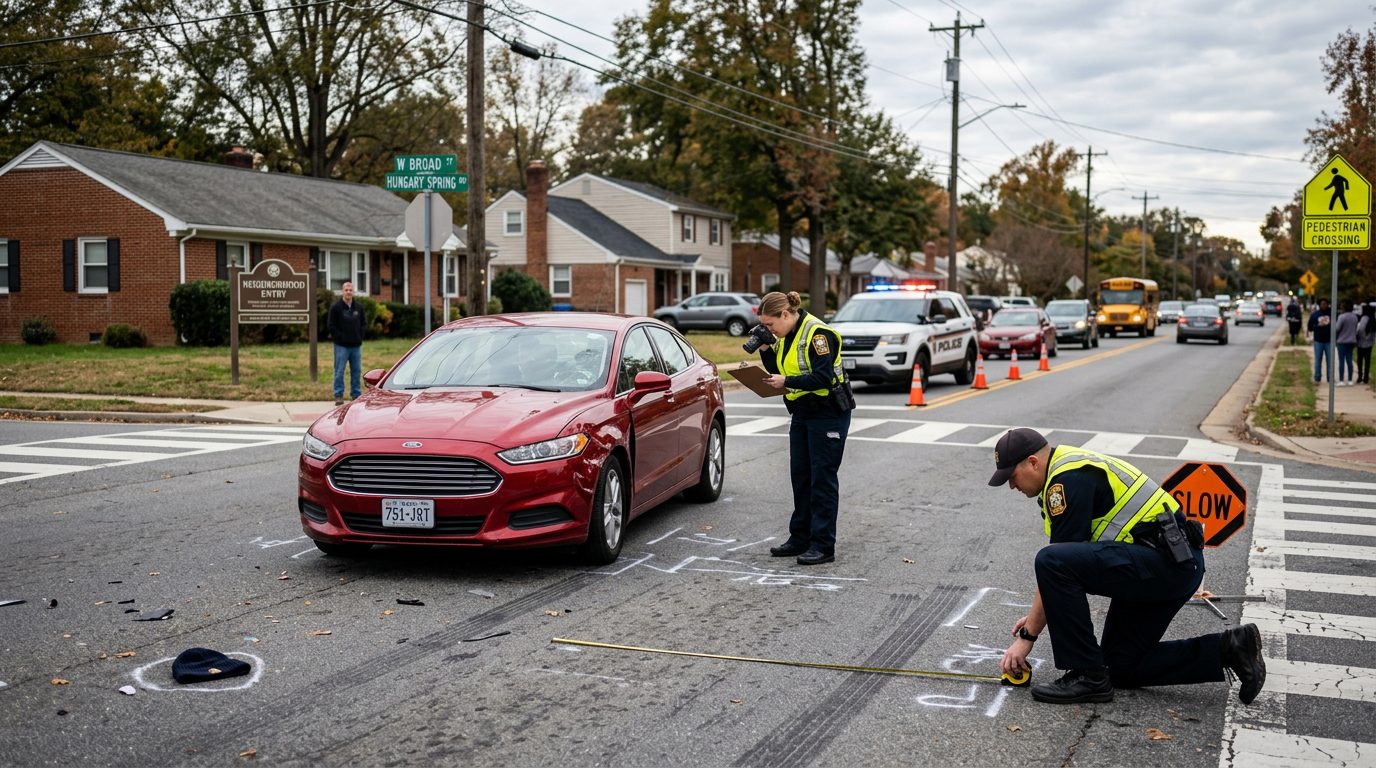
How partial fault can affect a passenger’s claim
Being partly at fault can affect a passenger’s claim in Virginia. Virginia follows contributory negligence: if you are found even partly at fault, you may be barred from recovering, with limited exceptions. Talk to a lawyer about your facts.
Seat belts come up often. Under Va. Code § 46.2-1094, a violation of the seat belt requirement shall not constitute negligence, be considered in mitigation of damages, be admissible in evidence, or be the subject of comment by counsel in a damages action arising from motor vehicle operation, ownership, or maintenance. The requirement applies to drivers and to persons at least 18 years of age occupying a seat in a vehicle equipped or required to have a safety belt system, subject to listed exemptions, such as for taxicab drivers and passengers.
Think about what you knew about the driver’s condition and what you were doing at the moment of impact. Those details matter to the review.
How the claim process works, step by step
A passenger brain injury claim usually moves through review, records, medical documentation, insurer notice and, if needed, a lawsuit. Here is the typical path:
- Review the crash facts, your injuries and any treatment so far.
- Gather records, including the police crash report and medical and imaging records. If a commercial carrier is involved, vehicle and trucking records may be needed too.
- Document the brain injury through follow-up care and any tests a doctor orders, along with your symptom log.
- Identify each responsible party and its insurance, and give notice of the claim where a rule requires it.
- Negotiate with insurers. If a fair resolution is not reached, a lawsuit can be filed within the Virginia deadline.
Keep copies of everything you receive, including letters from insurers. Each stage can take a different amount of time, based on the course of the injury and the number of parties.
Not sure what your next step is?
Talk it through with Correll Law Firm — we can walk you through how a situation like yours is usually handled and what your options are.
Frequently asked questions
Can a passenger make a claim against the other driver?
Possibly. A passenger may have a claim against any driver or company whose negligence caused the crash.
Can symptoms that appear later still support a claim?
Medical records can connect later symptoms to the crash.
Should a passenger wait for symptoms to settle before acting?
No. Some claims carry shorter notice rules, so the timeline should not wait for symptoms to settle.
What if a passenger died in the crash?
A Virginia wrongful death action is filed by the decedent’s personal representative within two years of the death (Va. Code §§ 8.01-50(C), 8.01-244(B)), on behalf of the family members the statute protects.
Does a truck crash change the claim?
A truck crash can add more parties and more records, so the review is usually broader.