
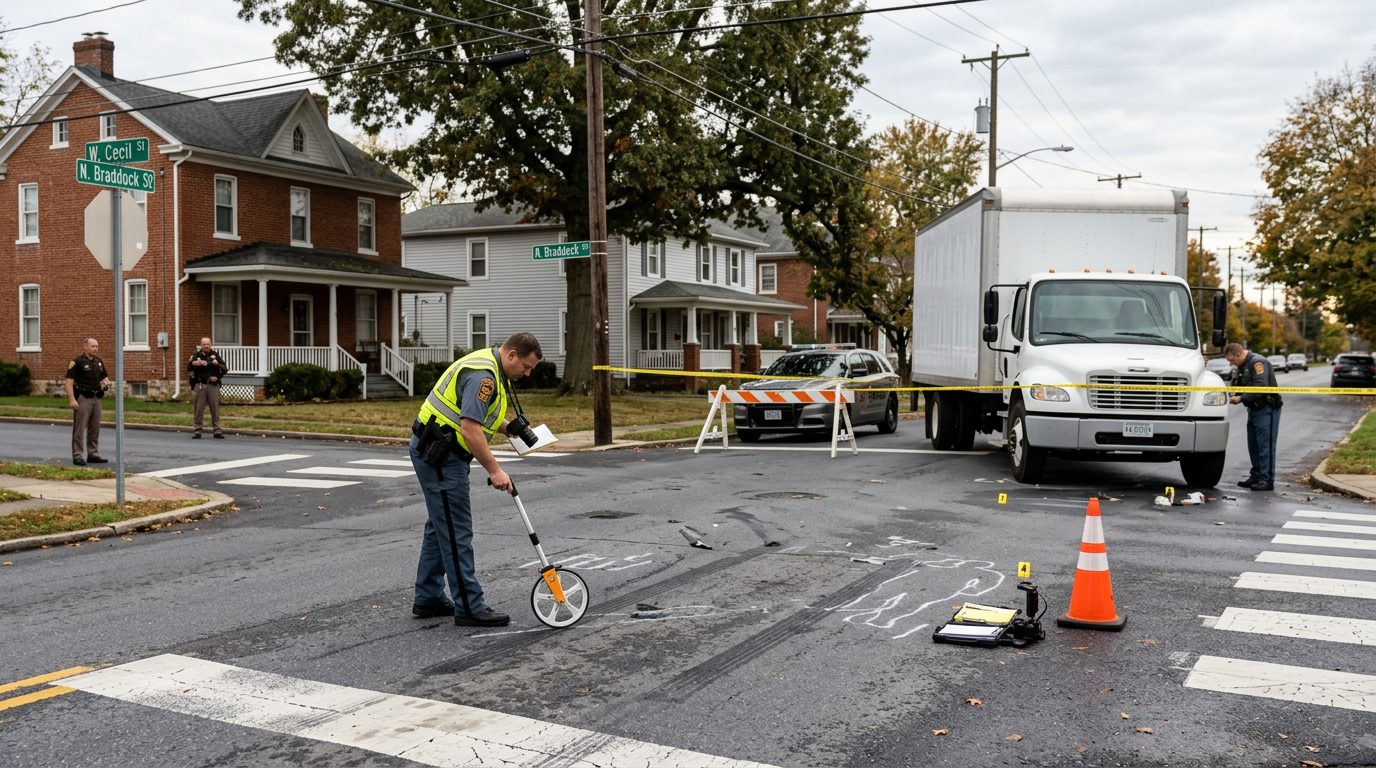
Brain Injury | Pedestrian Crashes | Virginia
A Truck Strike on a Pedestrian Can Change Everything, Including the Brain
Brain injuries from these crashes can be hard to see at first. Here is how the injury, the records and the family's questions fit together.
Published November 17, 2026
Being hit by a truck while walking can cause a serious brain injury, and the weeks after the crash are often confusing. If you or a family member was struck as a pedestrian, a Virginia claim may be possible when another driver’s negligence caused the crash and the injury. Deadlines and fault rules can decide whether a claim moves forward, so it helps to learn the basics early.
What a Pedestrian Brain Injury Claim After a Truck Crash Covers
A pedestrian brain injury claim asks the people responsible for a crash to answer for the harm it caused. This page is written for three groups:
- A pedestrian hit by a truck or commercial vehicle who may have a brain injury.
- A family member of a pedestrian who died in the crash.
- Anyone trying to understand what a Virginia claim involves and what to do first.
Truck and commercial vehicle crashes often involve more parties than a crash between two cars. The driver, the company that owns or operates the truck, and others may each have a role.
Some crashes involve a driver who leaves the scene. The rules change in that situation, and the sections below explain how.
If a truck struck you or someone you love while walking, you may have a claim, and the firm offers a free case evaluation to talk through your options. Talk it through with Correll Law Firm — we can walk you through how a situation like yours is usually handled and what your options are.
How Brain Injuries Happen and Show Up After a Pedestrian Crash
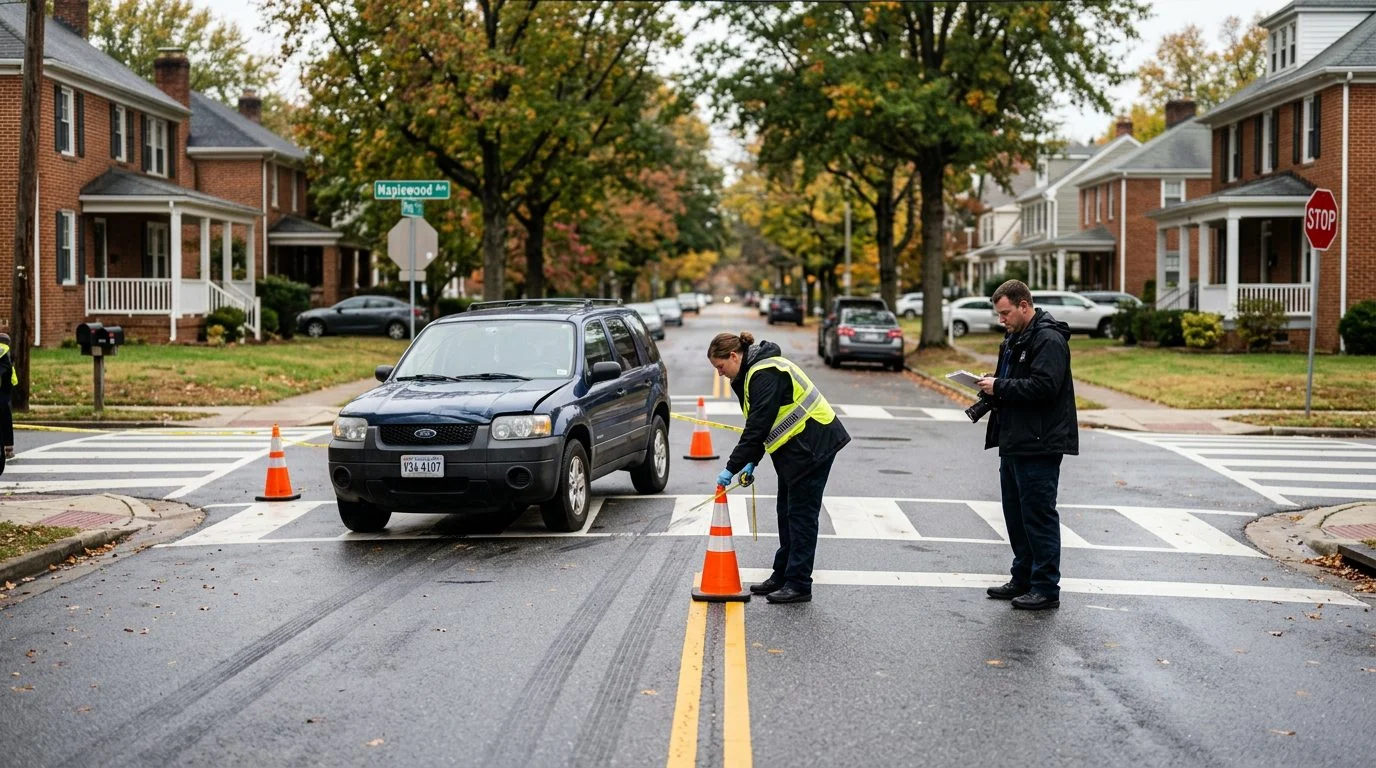
A pedestrian’s brain can be injured when the head strikes the truck, the pavement or another object during the impact or fall. According to the ACL traumatic brain injury overview, automobile crashes can cause traumatic brain injuries.
Doctors describe these injuries as mild or moderate-to-severe, which helps guide treatment. Symptoms may appear days after the crash. Common signs include headaches, memory trouble, confusion, sleep changes and mood changes. A person who feels fine at the scene can still be hurt.
Brain injuries can be harder to document than a broken bone. Proof usually comes from medical records, testing and a treatment history that tracks symptoms over time. What that proof shows depends on the facts of each case.
Reporting the Crash and Protecting Your Claim Early
Virginia requires a driver involved in a crash with injury or death to stop and report it to police immediately (Va. Code §§ 46.2-371, 46.2-894).
The two-year period is the deadline to file a lawsuit, not a deadline to report a crash (Va. Code § 8.01-243). Keep those two timelines separate.
A driver who leaves the scene faces more serious exposure. Under § 46.2-894, the driver must stop as close to the scene as possible and give identifying information. The driver must also give reasonable help to an injured person. A violation that results in injury or death is a Class 5 felony.
Early medical evaluation matters. It protects your health and creates a record of symptoms. Keep every follow-up appointment, even when symptoms seem to ease. Be careful with a recorded statement to an insurance adjuster. Say what you know, and do not guess about speed, timing or distance.
Who Can Bring a Claim and What Damages Cover
An injured pedestrian can bring a claim for the injury itself. When a pedestrian dies, a wrongful death claim is brought by and in the name of the personal representative of the deceased person.
The injury claim focuses on the harm the injury caused. That can include medical care, missed work and changes to daily life. Brain injuries can affect memory, mood and the ability to work, so records of those changes matter.
In a death case, the family does not file the lawsuit. The decedent’s personal representative files it, as Va. Code § 8.01-50 provides. Recovery is then shared under § 8.01-53, which sets the beneficiaries by statute, starting with the surviving spouse and children of the deceased.
Virginia wrongful death damages cover the family’s sorrow, mental anguish and loss of the decedent’s companionship, guidance and care; lost income and services; medical expenses from the injury; funeral expenses; and, for willful or wanton conduct, punitive damages (Va. Code § 8.01-52).
Punitive Damages in Virginia Brain Injury Cases
Virginia allows punitive damages for actual malice, or for willful or wanton conduct or recklessness showing a conscious disregard for the safety of others, capped at $350,000 (Va. Code § 8.01-38.1).
Punitive damages may also be awarded in a personal injury or death action arising from a felony violation of § 46.2-894 (§ 8.01-44.5:1).
Punitive damages focus on the defendant’s conduct, not on the size of the injured person’s losses such as medical bills. The jury must find that the conduct met this standard.
Deadlines and Partial Fault
Virginia generally allows two years from the date of injury to file a personal injury lawsuit (Va. Code § 8.01-243(A)); the clock runs from the date of injury, not the date of discovery, with narrow exceptions.
Some claims carry notice requirements that run out sooner. Reviewing timing early can prevent a missed step.
Virginia follows contributory negligence: if you are found even partly at fault, you may be barred from recovering, with limited exceptions. Talk to a lawyer about your facts.
A Virginia wrongful death action is filed by the decedent’s personal representative within two years of the death (Va. Code §§ 8.01-50(C), 8.01-244(B)), on behalf of the family members the statute protects.
Not sure what your next step is?
Talk it through with Correll Law Firm — we can walk you through how a situation like yours is usually handled and what your options are.
What the Claim Process Looks Like Step by Step
A pedestrian claim usually moves through four stages: gathering records, documenting the injury, investigating the crash, and then a demand, negotiation or a lawsuit.
- Gathering: Collect the crash report if one exists, medical records, and the names of witnesses and everyone involved.
- Documenting: Track follow-up visits, symptoms, medications and missed work in writing, with dates.
- Investigating: Identify who owned and operated the truck. Proximate cause means an act or omission that, in natural and continuous sequence, produces the injury, as Ford Motor Co. v. Boomer describes.
- Resolving: The firm may send a demand to the insurer and negotiate. If a resolution is not reached, filing suit may follow. Timing varies from claim to claim.
Why the Firm Handles These Cases
The firm handles car accidents, truck accidents, commercial vehicle accidents, catastrophic injuries, traumatic brain injury and wrongful death.
The firm serves people from the Shenandoah Valley, Richmond and Henrico County. Clients can reach the firm from those areas, and the firm’s offices are in Winchester and Harrisonburg only.
The firm has support staff, including assistants and office staff, who help keep files and records organized.
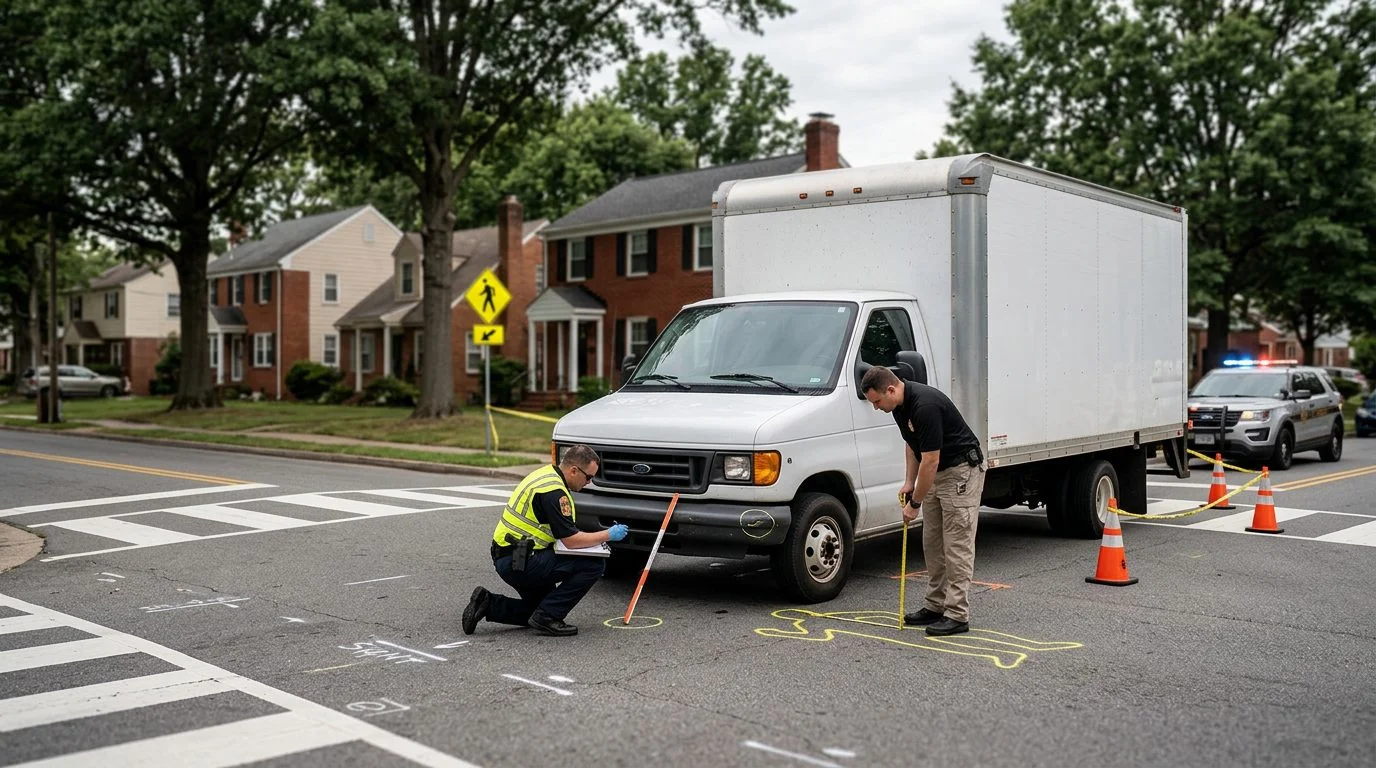
Frequently Asked Questions About Pedestrian Brain Injury Claims
Can a brain injury appear days after a pedestrian crash?
Yes. Symptoms can appear later, so follow-up care and records matter.
Is a hit-and-run crash handled differently?
The reporting duty applies to every driver in an injury crash.
Should a pedestrian talk to a Virginia lawyer early?
You may wish to talk with a Virginia lawyer early, because deadlines and fault rules can decide a claim.