

Car Accidents | Winchester, Harrisonburg and the Shenandoah Valley
Symptoms That Appear Weeks After a Car Accident Deserve Attention
Headaches, memory trouble and dizziness can surface days or weeks after a crash. Here is what to watch for and why it matters to your recovery.
Published November 2, 2026
Post concussion symptoms weeks after a car accident can begin even when the crash seemed minor. Headaches, dizziness, trouble concentrating and irritability can start days or weeks later. The Virginia Department of Health describes a concussion as a trauma-induced change in mental status that may occur with or without loss of consciousness. This guide explains why symptoms can be delayed, which signs need emergency care, and how to describe symptoms to a medical provider. It also covers how to keep a record that shows change over time.
Why Concussion Symptoms Can Show Up Weeks After a Crash
Brain-related symptoms can appear well after the crash itself. Many people feel stiff and sore at first, then notice headaches or foggy thinking days later.
The Virginia Department of Health explains that a collision can injure the brain through coup or contrecoup impact. In that case, the brain strikes the skull on the side of impact or on the opposite side. That movement can happen even when there is no obvious wound.
Symptoms often change as normal life resumes. Work, school, errands and driving place new demands on attention and energy. A person may feel fine while resting, then struggle to focus after a full workday.
Adrenaline after a crash can also mask early signs. A busy schedule can push them aside. A delay does not mean the symptoms are unrelated to the crash. Timing is one part of the picture that medical providers review. For an overview of brain injuries from car and truck crashes, read the traumatic brain injury overview.
Not sure what your next step is?
Talk it through with Correll Law Firm — we can walk you through how a situation like yours is usually handled and what your options are.

Common Post-Concussion Symptoms That Can Continue or Begin Later
Post-concussion symptoms usually fall into three groups: physical, thinking, and mood or sleep. Many people have symptoms from more than one group at the same time.
Physical symptoms include a headache that won’t go away, dizziness, balance problems, and sensitivity to light or noise. Fatigue is also common.
Thinking symptoms include trouble concentrating, slower thinking and memory gaps. A person may reread the same paragraph or lose track of a conversation.
Mood and sleep symptoms include irritability, anxiety, low mood and changes in sleep. Some people sleep far more than usual. Others struggle to fall asleep at all.
Symptoms often come and go. They may get worse after screen time, exercise, stress or poor sleep. Some people notice a symptom for the first time when they return to work, school or a familiar task like driving.
These symptoms describe a general pattern. They are not a diagnosis, and a list like this cannot confirm a concussion on its own.
Warning Signs That Need Emergency Medical Care
Certain signs call for emergency care right away, not a later appointment. Seek emergency care without delay if any of these appear:
- A severe headache or one that keeps getting worse
- Repeated vomiting
- A seizure
- Confusion, or unusual drowsiness that is hard to wake
- Slurred speech
- Weakness or numbness in an arm or leg
- One pupil larger than the other
- Trouble staying awake
These signs can appear after a delay, even when a person seemed fine for days. Don’t wait for a scheduled appointment if they start.
Tell emergency staff about the crash and about any blow to the head, even if the injury seemed minor at the time. An accurate history helps staff decide what to check first. Family members should know these signs too, since a relative may notice changes before the injured person does.
How Post-Concussion Symptoms Can Overlap With Neck Injuries
Neck injuries and concussions often happen together in rear-end and side-impact crashes. A sudden stop or sideways jolt can strain the neck and move the head quickly.
The two injuries can share symptoms, including headache, dizziness and neck stiffness. That overlap makes symptoms hard to sort out on your own.
A neck injury and a brain injury are different conditions. A medical evaluation is how they are told apart. It may include a physical exam and questions about symptoms.
For a side-by-side look at these two injuries after a rear-end crash, read whiplash versus brain injury. Neck pain alone does not rule out a head injury, and a head injury does not rule out neck pain.
What to Tell Your Medical Providers About Symptoms
Describe each symptom in specific terms, including when it started and what changes it. Words like “off” or “foggy” give providers less to work with than a clear description. For each symptom, say:
- What it feels like, such as a dull pressure behind the eyes or a sharp stabbing pain
- When it started and how often it happens
- How long each episode lasts
- What makes it better or worse, such as light, noise, screens or rest
Tell providers about the crash itself. Say whether your head struck the steering wheel, a window or the headrest. Say whether you lost consciousness, and whether you have gaps in your memory of the crash.
Report any symptom that changed after your first visit, and any new symptom. Mention earlier head injuries, past concussions, and conditions that affect sleep, mood or memory.
Ask which symptoms the provider is tracking. Ask whether follow-up testing or a referral makes sense. Finally, describe how symptoms affect daily life, including driving, reading, work and household tasks.
Keeping a Symptom Journal and Medical Records That Show Change Over Time
A dated symptom journal shows patterns that a single visit can miss. Write a short entry each day. Record the date, each symptom and its severity on a simple scale, possible triggers, hours of sleep, and any activities you skipped or cut short.
Over several weeks, the journal can show whether symptoms are improving, staying the same, or coming and going.
Keep every record that relates to the crash. Visit summaries, discharge papers, prescription lists and work absence notes all show how symptoms developed. Store copies in one folder, on paper or digitally. For a checklist of records to keep, see records to keep after a crash.
When symptoms last for a long time, people often need to plan for ongoing care and daily living. Those long-term needs can be described in a catastrophic brain injury claim. For background on that process, see life care plan background.
Not sure what your next step is?
Talk it through with Correll Law Firm — we can walk you through how a situation like yours is usually handled and what your options are.
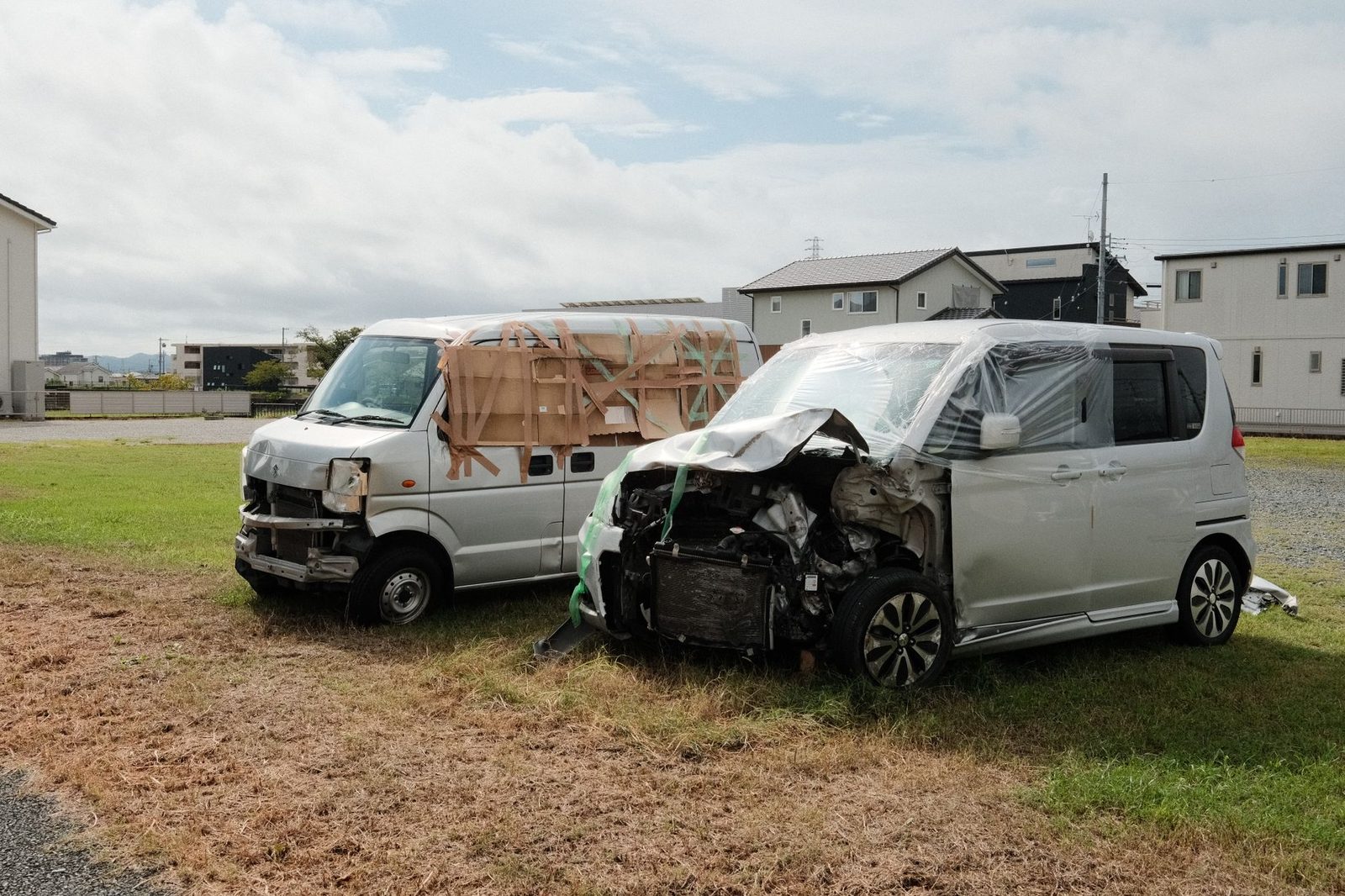
Next Steps When Symptoms Continue After a Car Accident
A medical evaluation is the way to learn what is causing ongoing symptoms and which treatment fits. Symptoms that start or persist weeks after a crash deserve attention. Emergency signs need immediate care.
Accurate descriptions and a dated record help medical providers see the full picture. Legal questions about a claim are covered on the traumatic brain injury overview page.
Virginia generally allows two years from the date of injury to file a personal injury lawsuit (Va. Code § 8.01-243(A)); the clock runs from the date of injury, not the date of discovery, with narrow exceptions (Va. Code § 8.01-244).
Frequently Asked Questions
Can concussion symptoms start days after a car accident?
Yes. Symptoms can begin days or weeks after a crash, even when the injury seemed minor at first.
Should I mention symptoms if I did not lose consciousness?
Yes, mention them anyway. A concussion may occur with or without loss of consciousness, according to the Virginia Department of Health.
How long do post-concussion symptoms last?
Recovery time varies from person to person. A dated symptom journal helps track that change over time.