
Car Accidents and Traumatic Brain Injury | Winchester, Harrisonburg and the Shenandoah Valley
Headaches, Dizziness or Fog After a Crash? Here's What to Watch For
Symptoms that appear days or weeks after a collision are easy to explain away. Knowing which ones deserve attention can help you protect your health and your options.
Published November 19, 2026
A headache or a foggy feeling after a crash is easy to brush off. Many people wonder whether these changes are normal or a sign of a brain injury.
Post-concussion symptoms are the headaches, dizziness, memory trouble and mood changes that can follow a concussion after a car accident. A concussion is a brain injury caused by a blow or sudden jolt to the head or body. Symptoms can start right away or appear days later, and most people improve over time. This guide covers what they are, when they show up, which signs need emergency care, and why a written record helps.
What a Concussion Is After a Car or Truck Crash
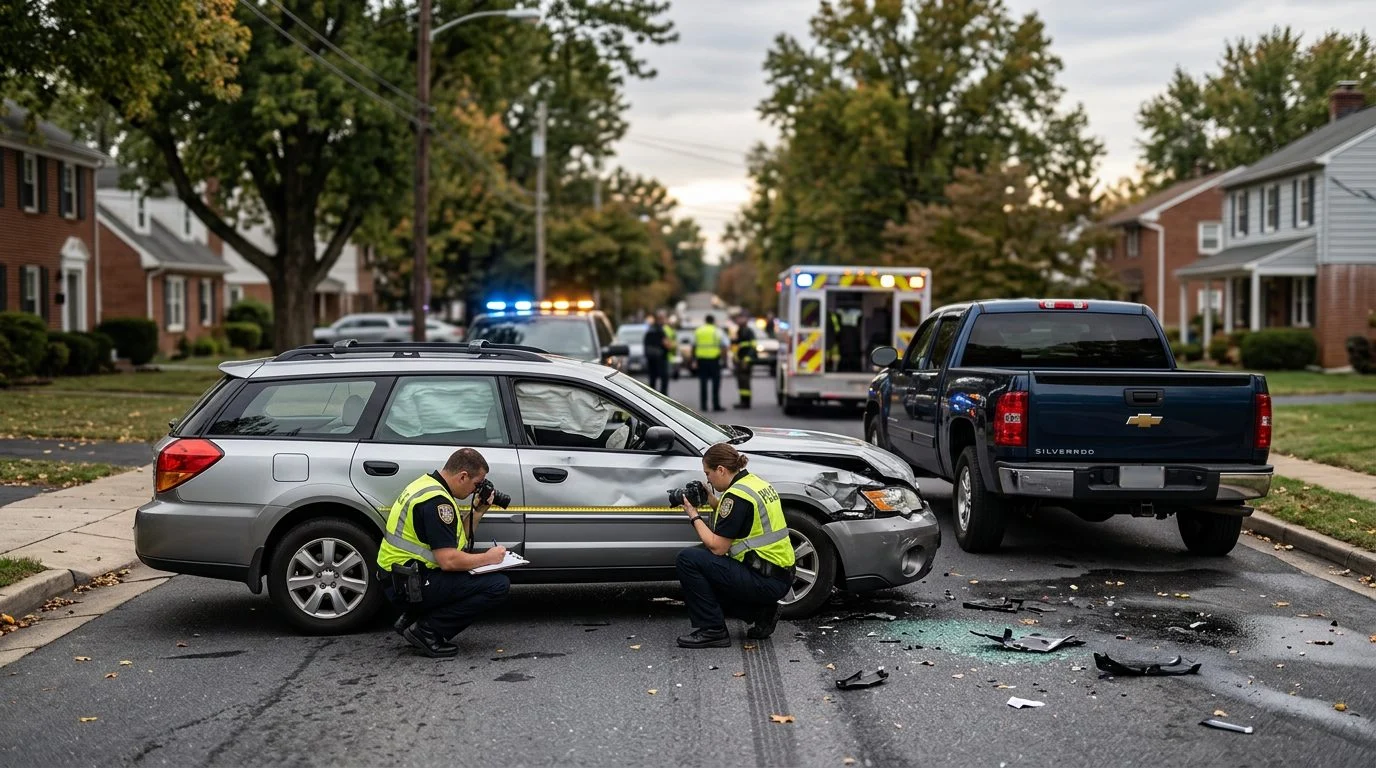
A concussion is a brain injury from a blow or a sudden jolt. In a crash, the head can strike a window, steering wheel or dashboard. The body can also be thrown hard forward and back, which can jar the brain inside the skull.
The Virginia Department of Health crash guidance describes a concussion as a trauma-induced change in mental status. It can happen with or without loss of consciousness. In a collision, the brain can be hurt by a coup injury (at the spot where the blow lands) or a contrecoup injury (on the opposite side of the brain). Because this happens inside the skull, a person may have no visible cut or bruise and still have a concussion.
That means a person can feel dazed or confused and still have a concussion, even if they never blacked out. Passengers and people in other vehicles can be hurt this way too, so anyone involved in a crash should watch for changes. Only a medical provider can diagnose a concussion. The firm handles injuries from both car and commercial truck crashes, and the medical picture in this guide applies to either kind of crash.
Not sure what your next step is?
Talk it through with Correll Law Firm — we can walk you through how a situation like yours is usually handled and what your options are.

Common Symptoms Right After the Crash
Symptoms after a concussion may include headache, dizziness, nausea and tiredness. The MedlinePlus concussion page also lists neck pain and ringing in the ears. A person may also feel dazed or not like themselves.
Neck pain can overlap with other crash injuries, which is one reason a full medical exam matters. The Mayo Clinic concussion guide reports that after a mild traumatic brain injury, headache, confusion and loss of memory, known as amnesia, are common. Ringing in the ears, called tinnitus, is on that list too.
Memory trouble can look ordinary. A person may lose track of a conversation, reread the same paragraph or forget a short errand. A common mistake is to mention only the headache to a doctor. People often leave out the ringing, the fog or the poor sleep. Tell the medical provider about every change, even the small ones.
Delayed Symptoms That Appear Days Later
Some post-concussion symptoms do not show up until hours or days after the crash. The Virginia Department of Health crash guidance covers delayed symptoms and medical care after crashes. A person may feel fine at the scene and then notice trouble concentrating, memory lapses, irritability, anxiety, low mood, sleep changes or fatigue.
These changes may first show up when a person returns to work, school or driving. Those tasks put steady demands on attention, so changes can become noticeable there. Some people notice mood or patience changes before anyone else does. Family members may see them first, so ask them to speak up.
The CDC HEADS UP concussion basics notes that symptoms are usually most severe right after the injury. A symptom that starts later is still worth reporting to a medical provider. Feeling fine at the scene does not rule out a concussion. That is one reason medical follow-up matters.
Warning Signs That Need Emergency Care
Some signs mean a person needs emergency medical care right away. The CDC HEADS UP program lists warning signs such as a headache that keeps getting worse, repeated vomiting, a seizure, slurred speech, unusual drowsiness or trouble waking up, weakness or numbness in the arms or legs, confusion that keeps increasing, and unequal pupil size.
Do not wait to see whether these signs pass. A person who cannot be woken up, or who has a seizure, needs emergency care without delay. Family members who ride with the injured person should know these signs too, so they can act quickly.
How Long Post-Concussion Symptoms Can Last
Persistent or worsening symptoms call for follow-up care. Some people develop post-concussion syndrome, a term for symptoms that last longer than the usual recovery period.
Recovery looks different for each person. How long symptoms last depends on the facts of the injury and the person’s medical care. A medical provider can advise on activity limits, school schedules and driving, so ask about those before returning to them.
Any symptom that lasts, returns or gets worse should be checked by a medical provider. Symptoms that seem to fade and then come back are worth reporting, too.
Why a Symptom and Treatment Record Matters
A dated symptom log helps doctors track recovery. It also helps the person remember details later. For each symptom, write the date, the time, how strong it felt and how it affected work, sleep, driving, reading and family life. Note good days as well as bad days, since the trend is what a provider needs to see.
Keep every medical visit, test result, prescription and work absence note. Keep copies of the crash report and any medical bills. A short checklist is in the symptom and records guide.
Start the log as soon as symptoms appear. Details are easier to recall when they are written down close to the date. A record made at the time also shows how symptoms affected a job or school schedule.
Not sure what your next step is?
Talk it through with Correll Law Firm — we can walk you through how a situation like yours is usually handled and what your options are.
Reporting the Crash and Time Limits
Reporting a crash and filing a lawsuit are separate steps with separate timing. Virginia requires a driver involved in a crash with injury or death to stop and report it to police immediately (Va. Code §§ 46.2-371, 46.2-894). The two-year period is the deadline to file a lawsuit, not to report a crash (Va. Code § 8.01-243).
Virginia generally allows two years from the date of injury to file a personal injury lawsuit (Va. Code § 8.01-243(A)); the clock runs from the date of injury, not the date of discovery, with narrow exceptions.
Write down the crash date, the place and the date of the first symptom, so the timeline stays clear.
When a Head Injury Is Part of a Larger Injury Picture
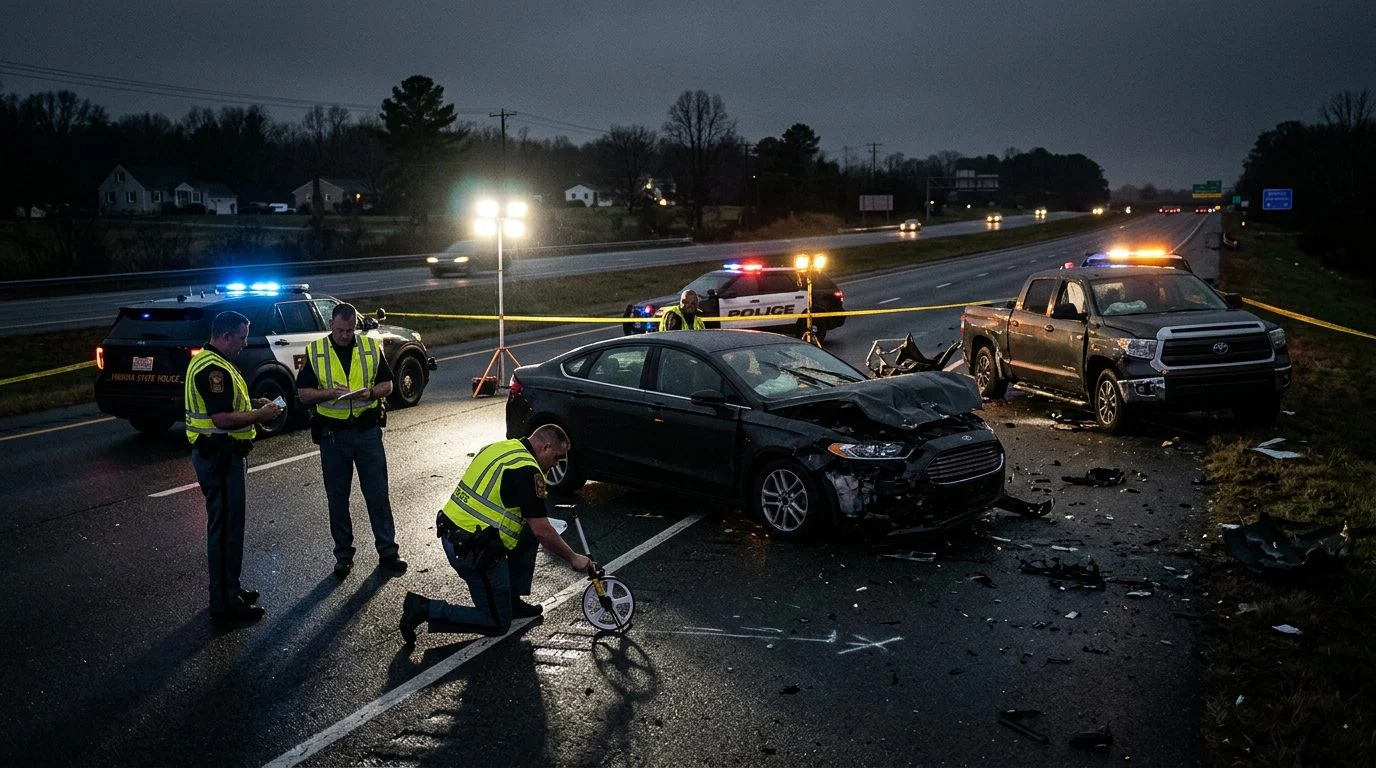
A head injury can come with other injuries. A skull fracture and brain injury combination can change how symptoms are evaluated, so tell the medical team about any fracture.
If a crash-related brain injury results in death, the legal path changes. A Virginia wrongful death action is filed by the decedent’s personal representative within two years of the death (Va. Code §§ 8.01-50(C), 8.01-244(B)), on behalf of the family members the statute protects. The action must be brought by the decedent’s personal representative within two years after the death (Va. Code § 8.01-244(B)), on behalf of the family members the statute protects (personal representative role in Virginia). Read more about the personal representative role in Virginia.
The firm’s offices are in Winchester and Harrisonburg. It represents people across the Shenandoah Valley, and in Richmond and Henrico County. Symptoms, records and deadlines all matter after a crash. For the wider picture, read the traumatic brain injury guide.
Frequently asked questions
Is ringing in the ears after a car accident always a sign of brain injury?
Not always, but ringing in the ears is one symptom listed for concussion, so tell a medical provider about it. See the Mayo Clinic concussion guide.
How soon should post-concussion symptoms be checked?
Any new, worsening or lasting symptom should be checked by a medical provider. Warning signs need emergency care right away.