
Brain Injury · Virginia
Can a Low-Speed Crash Cause a Brain Injury?
A bump at a parking-lot pace can still shake the brain. Here is how these injuries show up, and why the first days matter.
Published November 21, 2026
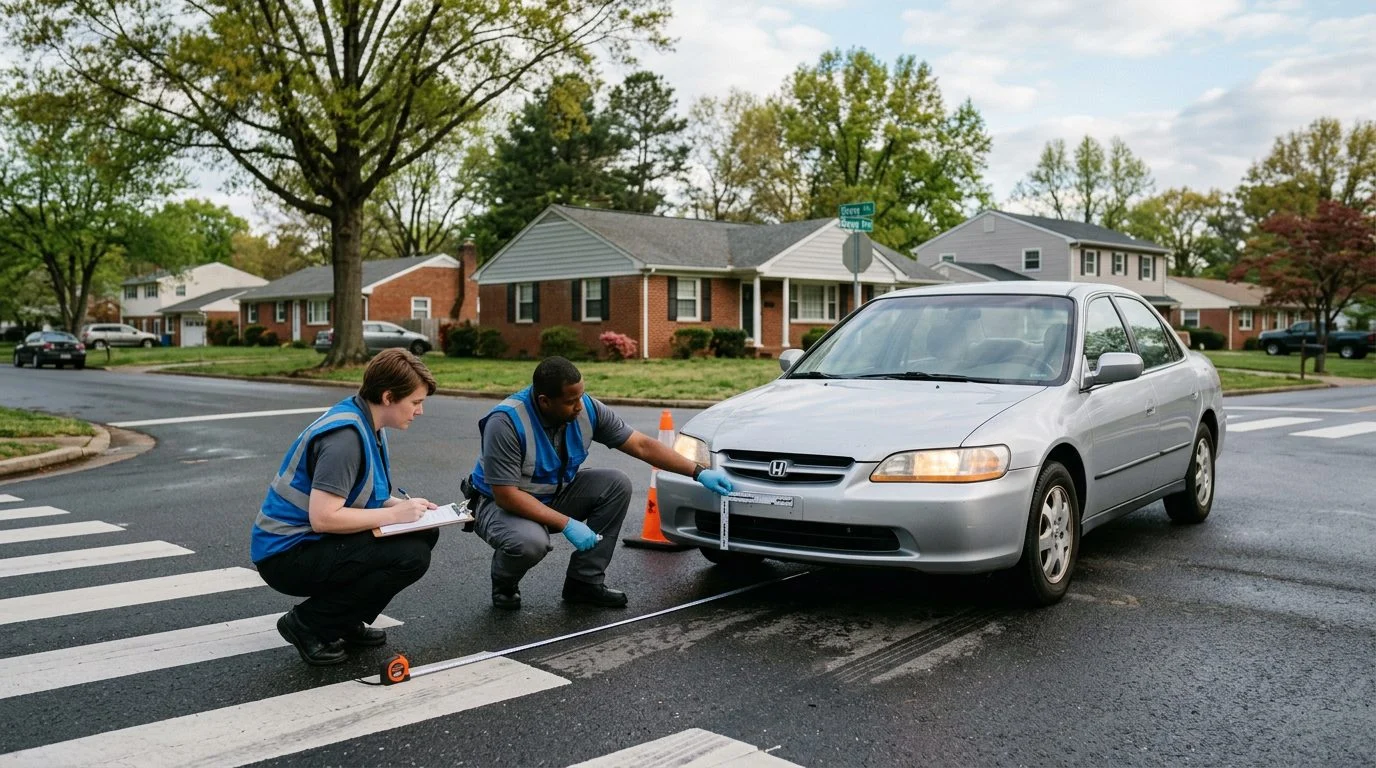
You were in a low-speed crash. You may have felt fine at first, but now you have headaches, dizziness or trouble remembering things. You’re wondering whether your brain was hurt.
Yes, a low-speed crash can cause a traumatic brain injury, even when the head never hits anything. Speed alone does not decide whether the brain is injured. How the head and body move during a crash matters just as much. This guide explains how that happens, which signs need prompt medical care, and what Virginia law requires after a crash with injury.
What Is a Traumatic Brain Injury?
A traumatic brain injury, or TBI, is an injury to the brain caused by an outside force. The Virginia Department of Health says TBIs can result from blows, jolts or penetrating head injuries. It names motor vehicle crashes as a common cause.
TBIs range from mild to severe. A concussion is a mild TBI. More serious injuries can cause longer-lasting changes in thinking, movement and mood. Many crash-related TBIs are closed head injuries, meaning the skull is not opened.
Brain injuries can be hard to see on a standard exam. That is one reason people often miss them after a crash. Symptoms do not always match how bad a crash looked. A serious crash can cause mild symptoms, and a minor-looking crash can cause a more serious injury.
A doctor makes the diagnosis after a medical exam and a review of symptoms and history. The exam looks at how the brain and nerves are working, not only at a picture of the head.
For a broader look at brain injuries from car and truck crashes, read brain injuries from car and truck crashes.
Correll Law Firm is based in Winchester, with an office in Harrisonburg. It represents people hurt in car and truck crashes across the Shenandoah Valley, Richmond and Henrico County.
Not sure what your next step is?
Talk it through with Correll Law Firm — we can walk you through how a situation like yours is usually handled and what your options are.
Can a Low-Speed Crash Cause a Brain Injury?
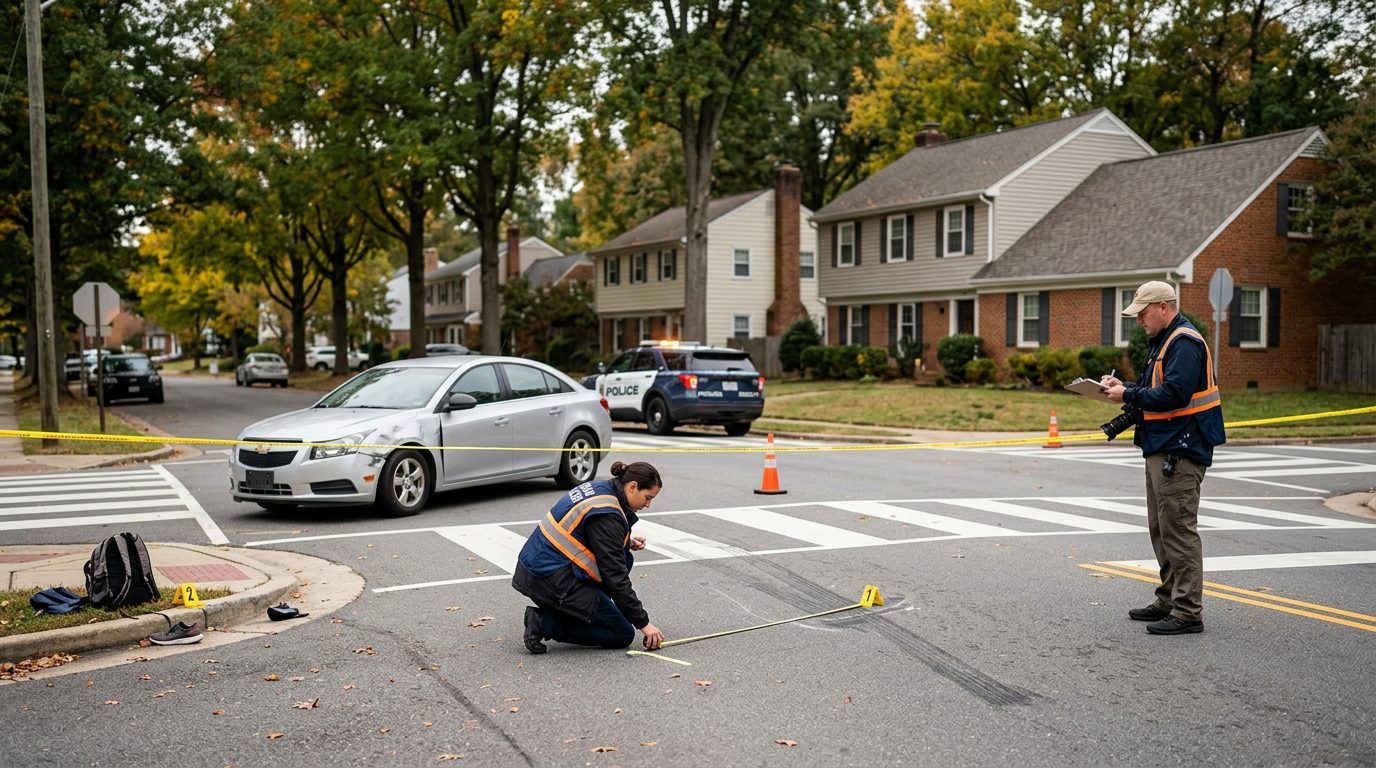
Yes. A low-speed crash can cause a TBI without any direct blow to the head.
The brain sits inside the skull, surrounded by fluid. When a vehicle stops or turns suddenly, the head and body move quickly. The brain can keep moving after the skull stops, and it can strike the inside of the skull. Doctors call this kind of movement an acceleration and deceleration injury.
The brain does not need a visible cut or bruise on the scalp to be hurt. A person can have a sore neck, no outward wound, and still have a brain injury. Force can also reach the brain through the neck and upper body when they jerk hard.
The Administration for Community Living says automobile crashes can cause traumatic brain injuries. The Brain Injury Association of America reports that vehicle crashes can cause moderate to severe brain injuries along with other bodily injuries.
Speed is only one factor. The direction of impact, whether the head was turned or braced, and the size of the vehicles can all change what the head absorbs. On busy roads such as Interstate 81 through the Shenandoah Valley, sudden braking in traffic is one way this kind of movement happens.
Why Brain Injury Symptoms Can Appear Days Later
Symptoms can appear hours or days after a crash. Feeling fine at the scene does not rule out a brain injury.
After a hit or jolt, the brain can swell and become irritated. Chemical changes in the brain can keep developing for a while, and those changes can bring symptoms into view slowly.
Many people feel sore and shaken and assume the problem is a stiff neck or stress. Soreness, stress and poor sleep can make early brain symptoms easy to overlook. Symptoms may also come and go. A headache may fade by lunch and return in the evening.
Some people notice changes in focus, patience or sleep only after they return to normal routines. Driving, reading a screen or working in a noisy office may bring symptoms out. Note when that happens.
A delay in symptoms does not mean the injury is not real. Tell your doctor about any change, even if it seems small or shows up days later. Your doctor can decide what it means.
Common Signs of a Brain Injury After a Car Crash
The common signs of a brain injury fall into three groups: thinking, body and mood.
- Thinking: confusion, trouble concentrating, slowed thinking, memory gaps and trouble finding words.
- Body: headache, dizziness or balance problems, nausea, sensitivity to light or noise, sleep changes and fatigue.
- Mood and behavior: irritability, anxiety, low mood, mood swings and personality changes that family members notice.
Family members are often the first to notice changes. A spouse, parent or friend may see a difference before the injured person does.
These signs overlap with many other conditions, including stress, poor sleep and other illnesses. Only a medical evaluation can show what is causing them. If the signs appear after a crash, a doctor can review the person’s history, the crash details and any tests to help sort out what is happening.
Warning Signs That Need Emergency Medical Care
Get emergency care right away if a head injury brings any of these signs.
- A headache that gets worse or does not go away
- Repeated vomiting
- A seizure
- Slurred speech
- Weakness or numbness in the arms or legs
- Loss of consciousness, even briefly
- Unusual confusion or agitation
- Trouble waking the person up
Do not wait to see if these signs fade. Early care gives a doctor the chance to check for serious problems. If the person is confused or dizzy, someone else should drive them.
Bring a companion to the emergency room if you can. A companion can report symptoms you may not notice, such as confusion or changes in behavior. A person with any head injury symptoms after a crash should see a doctor, even if the crash seemed minor.
How Medical Records Track a Brain Injury Over Time
Medical records show how symptoms change over time. That is why follow-up visits matter.
At each visit, a doctor can note symptoms, exam findings and the treatment plan. Those notes create a dated picture of the injury. Gaps in care can make it harder to show how symptoms changed from one visit to the next.
Imaging, such as CT or MRI scans, is one piece of the picture. It can show some injuries, but a scan may not show every symptom a person has.
Neuropsychological testing measures memory, attention and thinking speed. Results can help show how those skills are working, and a doctor can repeat the tests to compare results over time.
Keep a simple symptom journal. Write the date, what happened that day, the symptoms you noticed and how they affected driving, work, sleep or chores. Bring the journal to each appointment so your doctor sees the full picture. Keep copies of visit summaries and test results as well.
Not sure what your next step is?
Talk it through with Correll Law Firm — we can walk you through how a situation like yours is usually handled and what your options are.
What Virginia Requires After a Crash With Injury
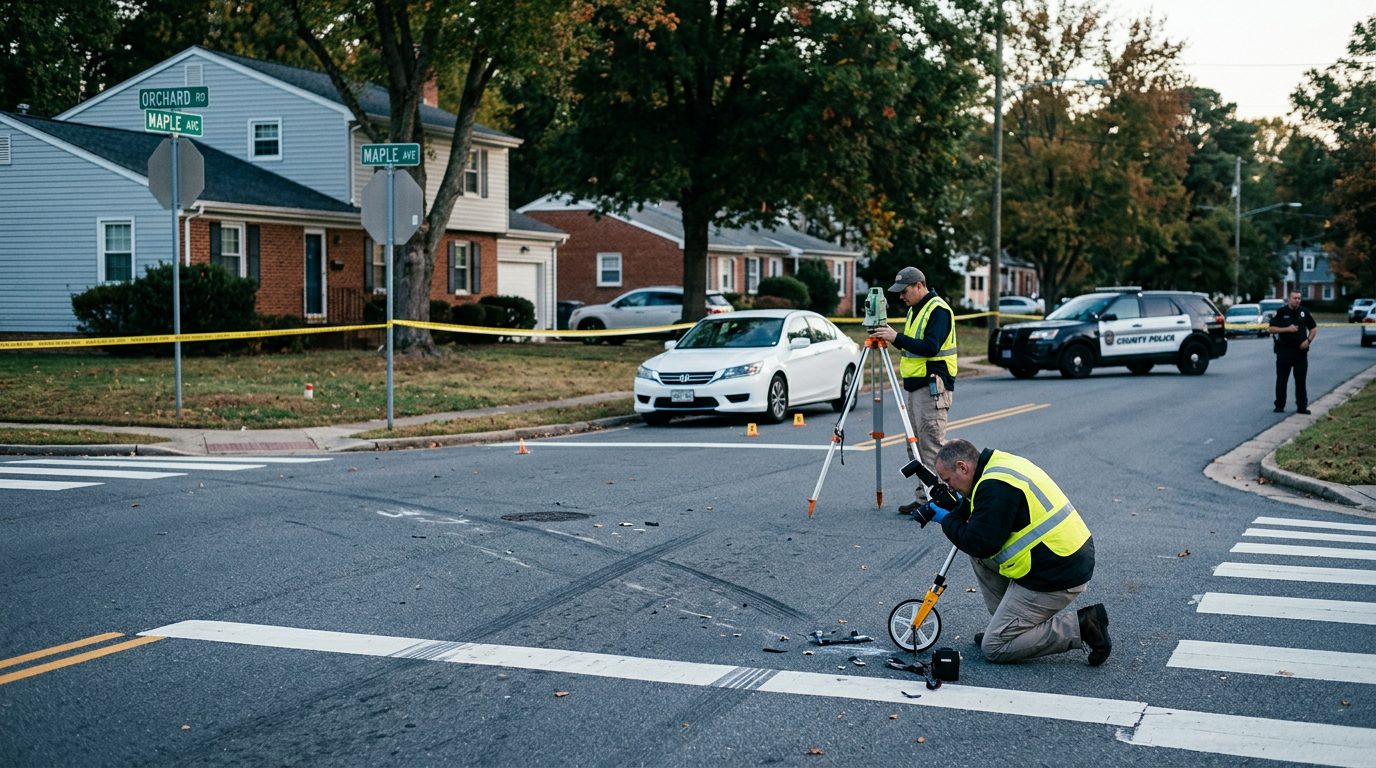
Virginia requires a driver involved in a crash with injury or death to stop and report it to police immediately (Va. Code §§ 46.2-371, 46.2-894).
Under § 46.2-894, a driver convicted of failing to stop after an injury crash can face a Class 5 felony charge.
The driver must stop as close to the scene as possible without blocking traffic. The driver must also give reasonable help to an injured person, including taking that person to a doctor or hospital when medical treatment appears necessary or is requested.
If injuries keep the driver from reporting right away, the report must be made as soon as reasonably possible.
Reporting a crash is a separate step from any lawsuit. A police report can also help document how the crash happened.
Long-Term Effects of a Traumatic Brain Injury
Recovery is different for each person. Some people improve over time, while others have symptoms that last longer.
The Brain Injury Association of America says brain injuries can affect physical abilities, relationships, home life, employment and recovery after rehabilitation.
Long-term effects a doctor may discuss include persistent headaches, memory and attention changes, sleep and mood changes, and trouble returning to work or school. Some people find that fatigue makes it harder to keep up with work or school, which can be frustrating. Family members can help by noticing changes and encouraging follow-up care.
Rehabilitation and ongoing medical care are part of recovery for many people. The right plan depends on the medical facts of each case.
Frequently Asked Questions
Does a normal CT scan rule out a brain injury after a low-speed crash?
No. A normal scan does not rule out a concussion, so symptoms and a medical exam still matter.
Can a truck accident cause a traumatic brain injury?
Yes. Crashes involving commercial trucks can cause brain injuries, just as car crashes can.
How long does recovery take?
There is no set timeline. Recovery depends on the injury and the person, so a doctor should track progress over time.