
Brain Injury | Virginia
A Low-Speed Crash Can Still Injure the Brain
Little visible damage does not always mean the head was unhurt. Here is how to recognize the warning signs and why they deserve attention.
Published November 23, 2026
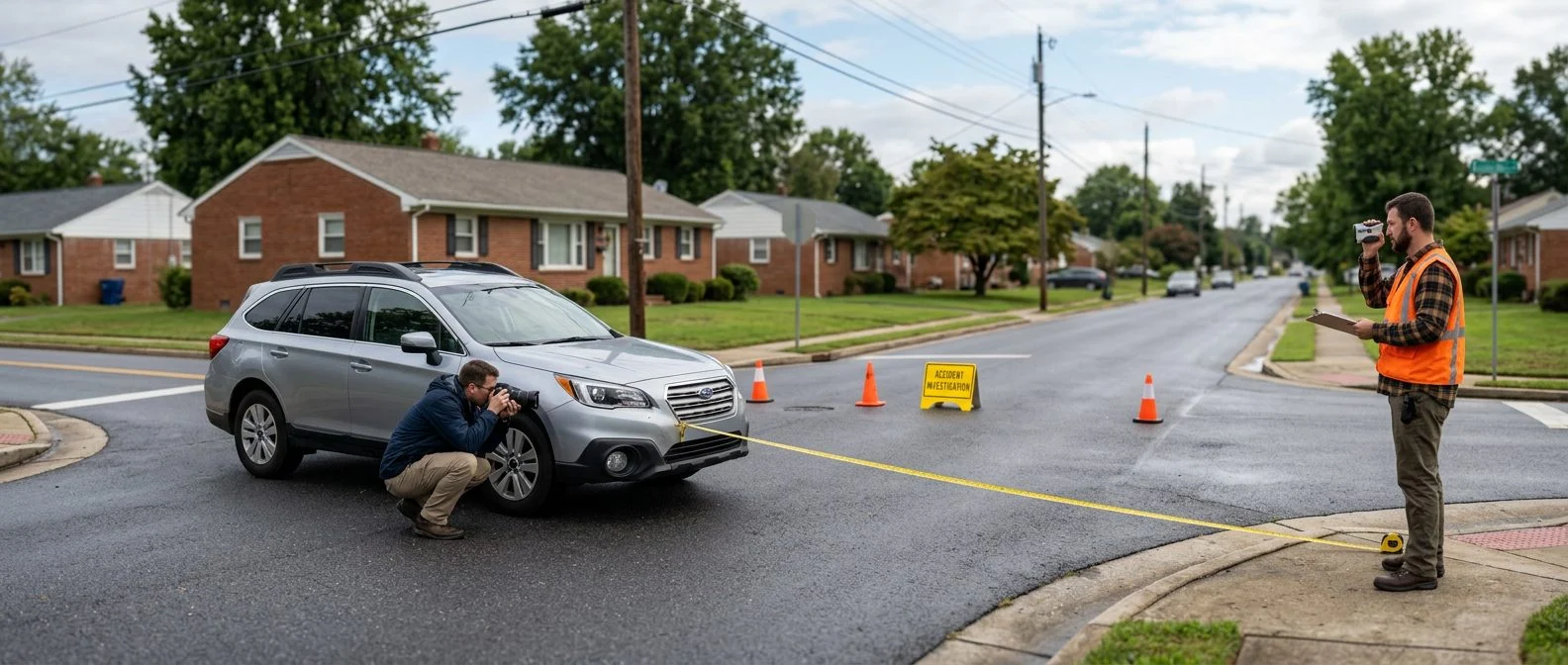
Being in a minor fender-bender can leave you shaken, and you may wonder whether your head was hurt. A low-speed crash can cause a traumatic brain injury in Virginia, even when the cars look only lightly damaged.
Symptoms may not show up right away. This page explains how the injury happens, what to watch for, and which Virginia duties and time limits may apply.
How a Low-Speed Collision Can Injure the Brain
A low-speed collision can injure the brain when the head moves suddenly and the brain shifts inside the skull. A traumatic brain injury happens when a blow, jolt or force to the head or body disrupts normal brain function.
The brain sits in fluid inside the skull. During a sudden stop, it can move forward and then snap back against the inside of the skull. Doctors call this acceleration and deceleration. It can happen even when the cars move slowly. A head can also strike a steering wheel, window or headrest, which can add a direct blow on top of that movement.
Two people in the same crash can have very different experiences, because each head and each body responds differently. Vehicle damage does not reliably show what happened to an occupant’s head. A car with a dented bumper can still be linked to a serious brain injury, and heavy damage does not always mean a head injury.
The Virginia Department of Health notes that motor vehicle crashes are a common cause of traumatic brain injury. For the full picture, read the traumatic brain injury overview.
If a minor crash left you with symptoms, you don't have to sort out what comes next alone. We can talk through your situation with you. Talk it through with Correll Law Firm — we can walk you through how a situation like yours is usually handled and what your options are.

Signs of Brain Damage After a Car Accident
Common signs include headache, dizziness, confusion, memory gaps, mood changes and trouble sleeping. Symptoms differ from person to person, and no single symptom proves or rules out a brain injury.
Symptoms often fall into four groups:
- Physical: headache, dizziness, nausea, blurred vision, or sensitivity to light or noise.
- Thinking: confusion, memory gaps, slowed thinking, or trouble concentrating.
- Emotional: irritability, mood swings, or anxiety.
- Sleep and energy: sleeping much more or less than usual, or feeling worn out.
Some signs call for emergency care right away. Seek it if you have a loss of consciousness, repeated vomiting, a headache that keeps getting worse, a seizure, pupils of unequal size, weakness, or confusion that grows. Do not wait for a routine appointment in those cases.
Sometimes the signs are subtle. A person may say they are just tired or stressed. Family members often notice changes first, such as someone who repeats questions or seems less patient than usual. Those observations are worth sharing with a provider.
Why Symptoms Can Appear Days or Weeks Later
Symptoms can appear days or weeks after a crash because the brain can react slowly to trauma. Many people feel fine at the scene. Adrenaline, shock and nerves can hide early signs, and the body may feel only sore.
Symptoms also tend to build as daily life picks up. Long hours at a screen, a return to work or school, noise, and errands can each bring on headaches or fatigue. A person may notice that tasks handled easily before now take more effort.
Here is a practical step. Keep a written log with the date, each symptom, how severe it felt, and what you were doing that day. A log gives a medical provider a clear timeline, and it helps you spot patterns you might otherwise miss.
A common mistake is writing off new headaches or fogginess as stress. That may be true, but a provider should still hear about it.
Getting a Medical Evaluation After a Minor Crash
A medical evaluation after a minor crash comes first because your health comes first. A provider can check for injury, track changes over time and recommend follow-up care. Waiting to see whether symptoms fade is risky when the head was involved.
When you see a provider, describe the crash plainly. Say how the impact happened, where your head struck, and whether you lost consciousness, even briefly. List every new symptom, including ones that seem minor, and mention changes in sleep or work. Ask what to watch for at home and when to return.
Learn more about emergency room head injury care.
A scan can come back normal even when symptoms are real. That is why the full history and the course of your symptoms matter as much as any test result. Keep appointment notes and discharge papers together. They become part of the record that tracks your symptoms over time.
Virginia Crash Reporting Duties
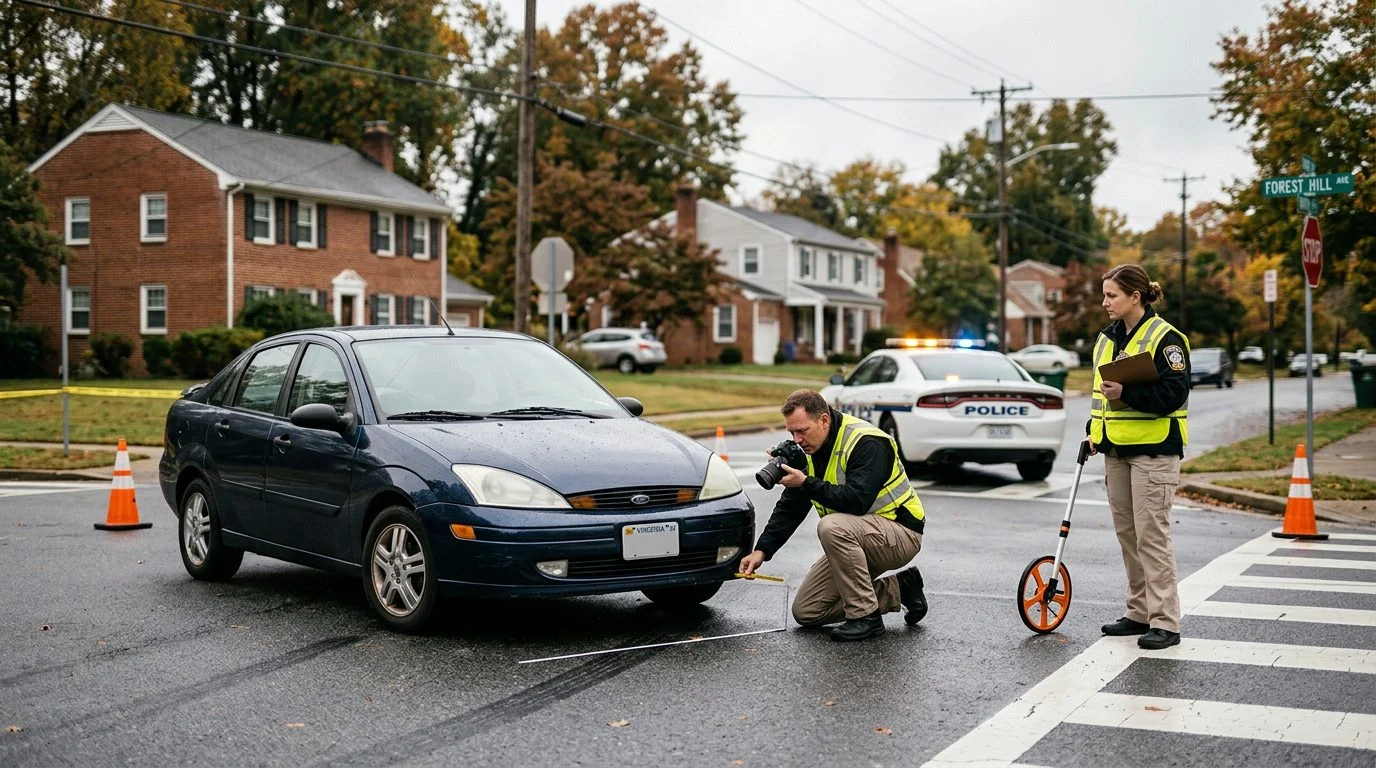
Virginia requires a driver involved in a crash with injury or death to stop and report it to police immediately (Va. Code §§ 46.2-371, 46.2-894).
A willful failure to make the required report is a Class 4 misdemeanor (Va. Code § 46.2-371).
Drivers often assume a crash without visible damage needs no report.
The two-year period discussed below is generally the deadline to file a personal injury lawsuit, unless otherwise provided in that section or by other statute (Va. Code § 8.01-243). It is not the deadline to report a crash. Tell the officer about any head impact or symptom, even if you feel fine at the scene. Officers record what they are told, and that report can matter later.
Statements to Insurers After a Low-Speed Crash
An insurance adjuster may ask for a recorded statement early, often before your symptoms are clear. You can answer what you know and say what you do not know yet.
Stick to facts you are sure of. Avoid guessing about symptoms, timing or how you felt in the moment. If a medical evaluation is still underway, say so plainly. Early answers can differ from later medical findings, so a careful account protects the record.
A common mistake is saying “I’m fine” at the scene, then describing new symptoms weeks later as if they were unrelated. Early statements can be reviewed later, so it helps to stay consistent. Keep a copy of anything you sign or send.
For more detail, see recorded statements in brain injury claims.
Not sure what your next step is?
Talk it through with Correll Law Firm — we can walk you through how a situation like yours is usually handled and what your options are.
Recovery, Daily Life and Emotional Effects
Recovery from a traumatic brain injury varies from person to person. The course depends on the injury and the person’s health, so the crash alone does not predict how someone will recover.
Daily life can change in several ways. Some people struggle to return to work or school. Others find they cannot tolerate screens or loud rooms as they once did. Simple tasks, like following a recipe or reading a long article, can feel harder than before. Relationships can strain when a loved one seems different or tires quickly.
Anxiety, poor sleep and flashbacks can also follow a crash alongside a brain injury. Those feelings are real and deserve attention from a provider, not just a wait-and-see approach. Family members may need patience too. Changes in memory or mood can feel personal, but they often come from the injury itself.
The emotional side of PTSD after a crash is covered in more detail.
Time Limits for a Virginia Injury Claim
Virginia generally allows two years from the date of injury to file a personal injury lawsuit (Va. Code § 8.01-243(A)); the clock runs from the date of injury, not the date of discovery, with narrow exceptions.
The rule comes from Va. Code § 8.01-243 and Va. Code § 8.01-230. Under § 8.01-230, the period generally starts when the injury is sustained, not when the resulting damage is discovered, except where the relief sought is solely equitable or where otherwise provided under § 8.01-233, subsection C of § 8.01-245, §§ 8.01-249, 8.01-250 or other statute.
Delayed symptoms do not move that start date. A person who feels worse weeks later still faces the same starting point for the clock. Keep the two deadlines separate in your mind: the reporting duty and the lawsuit period are different rules.
Some claims carry notice requirements that run out sooner. The dates that apply to your situation depend on the facts.
Frequently Asked Questions
Can a minor car accident cause a concussion?
Yes. A concussion is a mild form of traumatic brain injury, and it can follow a low-speed crash.
Related practice areas
- Delayed Brain Injury Symptoms Weeks After a Car Crash