

Brain Injury From a Crash | Winchester, Virginia
Medical Records to Keep After a Brain Injury From a Crash
A brain injury can affect memory, focus and daily life long after the crash. Keeping organized medical records helps you and your family track what happened. Correll Law Firm represents people hurt in car and truck crashes from the Shenandoah Valley to Richmond and Henrico County.
Published November 2, 2026
If you are asking what medical records to keep after brain injury from crash, start with every record that describes the injury. Keep them together in one dated place. Records made in the first days and weeks can show how symptoms began and changed. That matters for the person’s own care and for any claim that follows. This guide covers which records to gather, why each one matters, and how to keep them in order.
Why Records Matter After a Brain Injury From a Crash
Brain injury symptoms often change over days, weeks and months. A dated record trail shows how the injury began and how it has progressed. Without dates, a headache in week two and memory trouble in month three can look unrelated.
Many brain injuries are not obvious at the scene. The Brain Injury Association of America notes that symptoms after a car crash may be delayed or masked during an emergency-room exam. The group advises people to report new or worsening problems to their health care team.
That is why every visit matters, even a short one for headaches or poor sleep. A primary care note may be the first place a symptom is written down. Your doctors rely on the same history to plan care.
Vehicle crashes can cause moderate to severe brain injuries. According to the BIA crash injury research, these injuries can affect physical abilities, relationships, home life and work. For a broader overview, read the traumatic brain injury overview.
Not sure what your next step is?
Talk it through with Correll Law Firm — we can walk you through how a situation like yours is usually handled and what your options are.
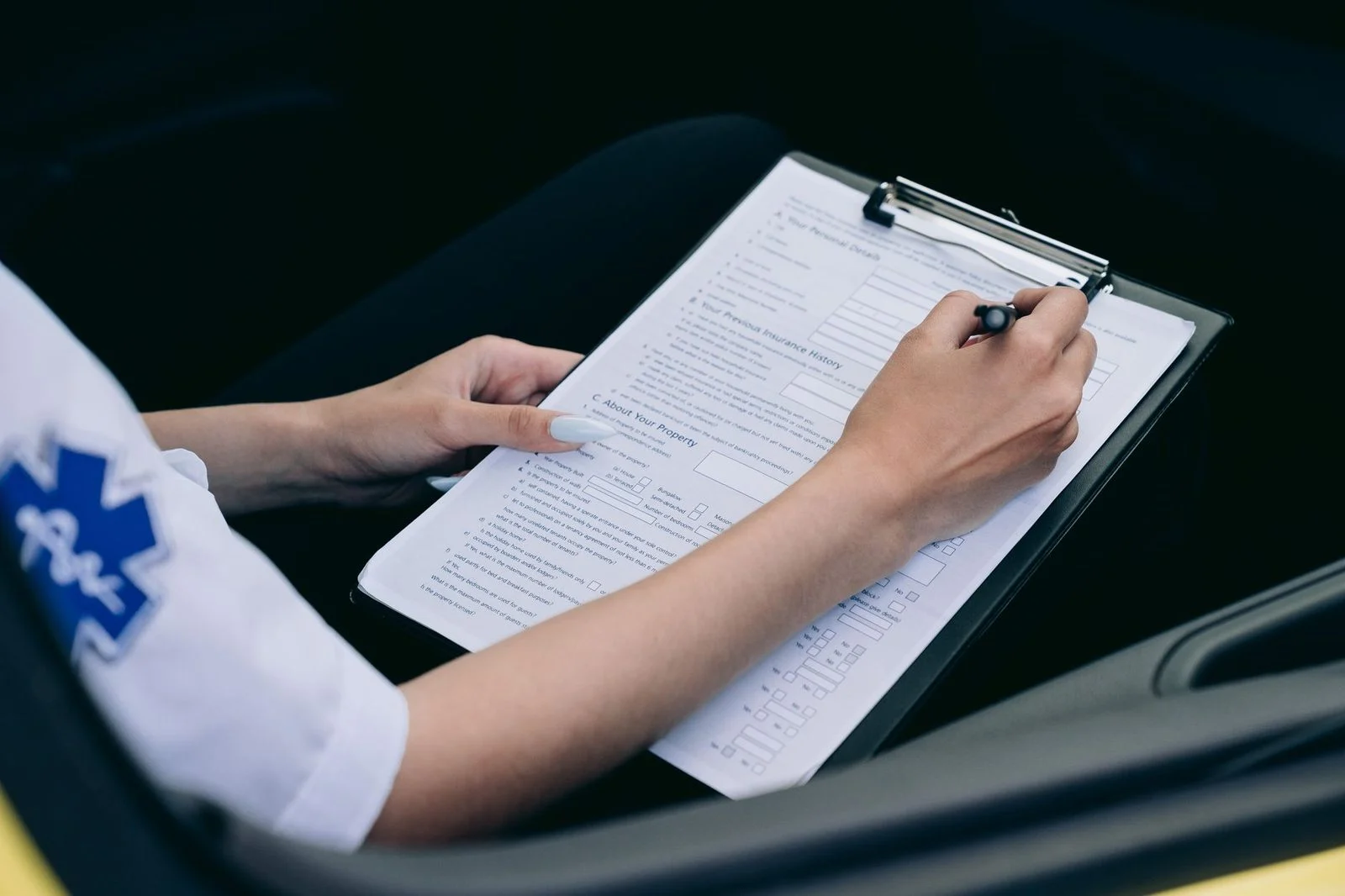
Emergency Care and Initial Records
The EMS and emergency department records are often the earliest written account of the injury. Request them first.
Ask for these records:
- The EMS run report, with scene observations, responsiveness and early symptoms.
- The emergency department chart, including triage notes and discharge instructions. Look for any head-injury warning signs listed.
- A note on whether the person was admitted, kept for observation or sent home, plus any written advice to see a follow-up doctor.
A discharge sheet that names a neurology follow-up shows the next step a doctor recommended. Many families leave hospital papers in a bag and forget them. Put them in the folder the same day.
Early records can look thin when read later. Still, they show how the injury presented at the time. Later notes can then be compared against that starting point.
Imaging and Test Results to Keep Together
Keep each imaging report with its images. A written report and the scan files are different records. Request both when they are available.
- CT and MRI reports, with the disc or portal download of the images.
- EEG results, neurological exam notes, and neuropsychological or cognitive testing reports.
- The date and ordering provider for each test.
Normal results matter too. A normal scan shows what doctors checked and when. That can help explain later symptoms, so keep those reports with the rest of the file.
Testing can happen weeks after a crash, when symptoms have changed. Ask the testing office for a copy of each report. Store original discs somewhere safe and dry, and do not write on them.
Specialist, Therapy and Follow-Up Visit Notes
Neurology and therapy notes track symptoms as they were reported over time. Ask for every visit note, not only a summary letter.
- Primary care notes that record headaches, dizziness, sleep changes, mood changes and memory problems.
- Neurology and neuropsychology evaluations and progress notes.
- Physical, occupational and speech therapy evaluations and progress notes.
- Prescription records with medication names, doses, and start and stop dates, plus pharmacy printouts.
Neck pain can happen after a rear-end crash, and it can occur along with a head injury. The notes should show what each provider examined and found. For the difference, see whiplash versus brain injury.
Note any missed or rescheduled appointment, and the reason, in the file index.
Itemized Bills, Insurance Statements and Mileage Logs
Itemized bills and insurance statements show what care was given and who handled it. Request them from every provider, facility and pharmacy.
- Itemized medical bills, with dates of service and procedure codes.
- Explanation of benefits statements from health insurers and any other insurer that handled the same care.
- A mileage log of trips to appointments, with the date, provider and miles driven.
- Receipts for equipment or home supplies a doctor recommended, each labeled with its date and purpose.
Travel to care is one of the hardest things to rebuild later. Most people do not expect how many trips add up in the first months. Writing each trip down the day it happens is far easier than reconstructing a season of appointments.
Bills also show which services were billed on which dates. Keep them with the matching visit notes so the two can be compared.
Crash Reports, Photos and Work and Daily-Life Records
Crash paperwork and daily-life records show how the injury changed work, driving and home life. Start them early, while details are fresh.
Virginia requires a driver involved in a crash with injury or death to stop and report it to police immediately (Va. Code §§ 46.2-371, 46.2-894). The driver’s duty to stop and report sets out the details. Keep the police crash report number, and a copy of the report when it is available.
- Photos of the vehicles, the scene, visible injuries and damage, each with the date taken.
- Names and contact details of any witnesses, written down at the time.
- Pay stubs, employer letters, attendance records, and notes on missed work, reduced hours or changed duties.
- A daily symptom and activity journal. Note headaches, concentration problems, sleep, fatigue and tasks that became harder.
Short entries work best. Three lines a day, written at the same time, are easier to keep up than a long entry written once a week. Readers with memory or focus problems often find this helps most. If you are asking whether you can still drive, read can I drive after a brain injury.
Not sure what your next step is?
Talk it through with Correll Law Firm — we can walk you through how a situation like yours is usually handled and what your options are.

Organizing the File and Understanding Deadlines
Use one folder, paper or digital, with an index page. Sort the records by type, then by date. The index should list each document’s date, source and type.
Keep paper copies and a digital backup. A family member can help keep the index up to date for the person who is recovering.
Deadlines matter too. Virginia generally allows two years from the date of injury to file a personal injury lawsuit (Va. Code § 8.01-243(A)); the clock runs from the date of injury, not the date of discovery, with narrow exceptions. Some claims carry notice requirements that run out sooner.
Knowing what medical records to keep after brain injury from crash is a strong first step. A family may wish to talk with a lawyer about their facts and deadlines. Records gathered early make that conversation more useful.
Frequently asked questions
What medical records to keep after brain injury from crash?
Keep EMS and emergency records, imaging reports, specialist and therapy notes, prescriptions, itemized bills and a dated symptom log.
Should I keep a normal scan result?
Yes. A normal result shows what was checked and when.
Are the scan images as important as the report?
Keep both when you can. A written report and the images are different records.
Related practice areas
- Traumatic Brain Injury in Richmond
- Life Care Plan Brain Injury Claim: Virginia Guide
- Post Concussion Symptoms Weeks After a Car Accident