
Traumatic Brain Injury | Richmond & Henrico County
Car Accident Brain Injury Claims in Richmond
If you or a loved one suffered a traumatic brain injury in a crash, Correll Law Firm helps injured Virginians and their families pursue the compensation they deserve.
Published October 03, 2026
Traumatic Brain Injury Car Accident Claims in Richmond and Henrico County
A traumatic brain injury (TBI) happens when a sudden impact or jolt to the head damages how the brain works. Car accidents are one of the leading causes of TBI in adults, and the injury can cause lasting changes in memory, concentration, mood, and physical ability—even when imaging doesn’t show obvious damage. If you’ve suffered a TBI in a car accident in Richmond or Henrico County, you may have a legal claim for medical expenses, lost income, and other damages. These cases are complex because they require medical evidence to prove the accident caused the injury and to show what long-term care will cost.
If you or a family member has suffered a traumatic brain injury in a car accident in Richmond or Henrico County, you may have a claim—and many people discover options they didn't know existed when they speak with someone who handles these cases. Talk it through with our team — the first case evaluation is free, confidential, and carries no obligation.

What Is a Traumatic Brain Injury Claim After a Car Accident?
A traumatic brain injury claim is a legal case seeking compensation for harm caused by a TBI that resulted from someone else’s negligence in a car accident. Car accidents are a leading cause of TBI in adults, and the injury can range from moderate to severe.
TBI is different from a minor head bump or concussion. While a concussion is a type of TBI, many TBIs cause more lasting damage. A TBI can result from the head striking the steering wheel, dashboard, or window—or from the brain moving violently inside the skull during sudden acceleration or deceleration. The injury may damage multiple areas of the brain and affect thinking, memory, mood, and physical function for months or years.
What makes TBI claims complex is that symptoms can be invisible on imaging, and the injury’s severity isn’t always obvious right after the accident. Neuropsychological testing, medical records, and specialist evaluation are often needed to prove the accident caused the TBI and to document how it affects your life. Insurance companies frequently underestimate TBI severity or deny that the accident caused the injury—which is why legal representation matters.
Correll Law Firm handles serious TBI cases resulting from car accidents. We do not handle minor head bumps; we focus on injuries that cause lasting cognitive, physical, or behavioral changes and require ongoing medical care or rehabilitation.
Who These Claims Are For
Traumatic brain injury claims after a car accident are for:
- People who suffered a TBI in a car accident in Richmond or Henrico County and face medical bills, lost income, and uncertainty about recovery
- Family members researching options on behalf of an injured loved one
- People whose TBI has caused lasting changes in memory, concentration, mood, personality, or physical ability
- Those facing ongoing care costs, rehabilitation, or the need for assistive devices or home modifications
- People unsure whether they have a claim or what damages might be recoverable
If you’re in any of these situations, understanding what a TBI claim covers and how the process works can help you make informed decisions about next steps.
What a Traumatic Brain Injury Claim Covers
A successful TBI claim can recover compensation for:
- Medical expenses: emergency care, imaging (CT, MRI), surgery, hospital stays, rehabilitation, neuropsychological testing, ongoing treatment, and therapy
- Lost wages: income you lost while recovering and unable to work
- Future earning capacity: if the TBI prevents you from returning to your prior job or earning at the same level
- Pain and suffering: physical pain, emotional distress, anxiety, depression, and loss of enjoyment of life
- Cognitive and behavioral changes: memory loss, difficulty concentrating, mood swings, personality shifts, and other effects on daily functioning
- Caregiver costs: expenses for family members or professional caregivers providing ongoing assistance
- Assistive devices and home modifications: equipment, technology, or home changes needed for safety and independence
Under Virginia law, punitive damages (extra damages meant to punish wrongdoing) are capped at $350,000 total. This is a legal limit that applies regardless of how serious the injury or how negligent the driver was.
How a Traumatic Brain Injury Claim Works
The process typically unfolds in these steps:
Step 1: Free Case Evaluation
You meet with an attorney to discuss the accident, your injuries, and your medical records. This is a no-pressure conversation to understand whether you have a claim and what it might involve.
Step 2: Investigation
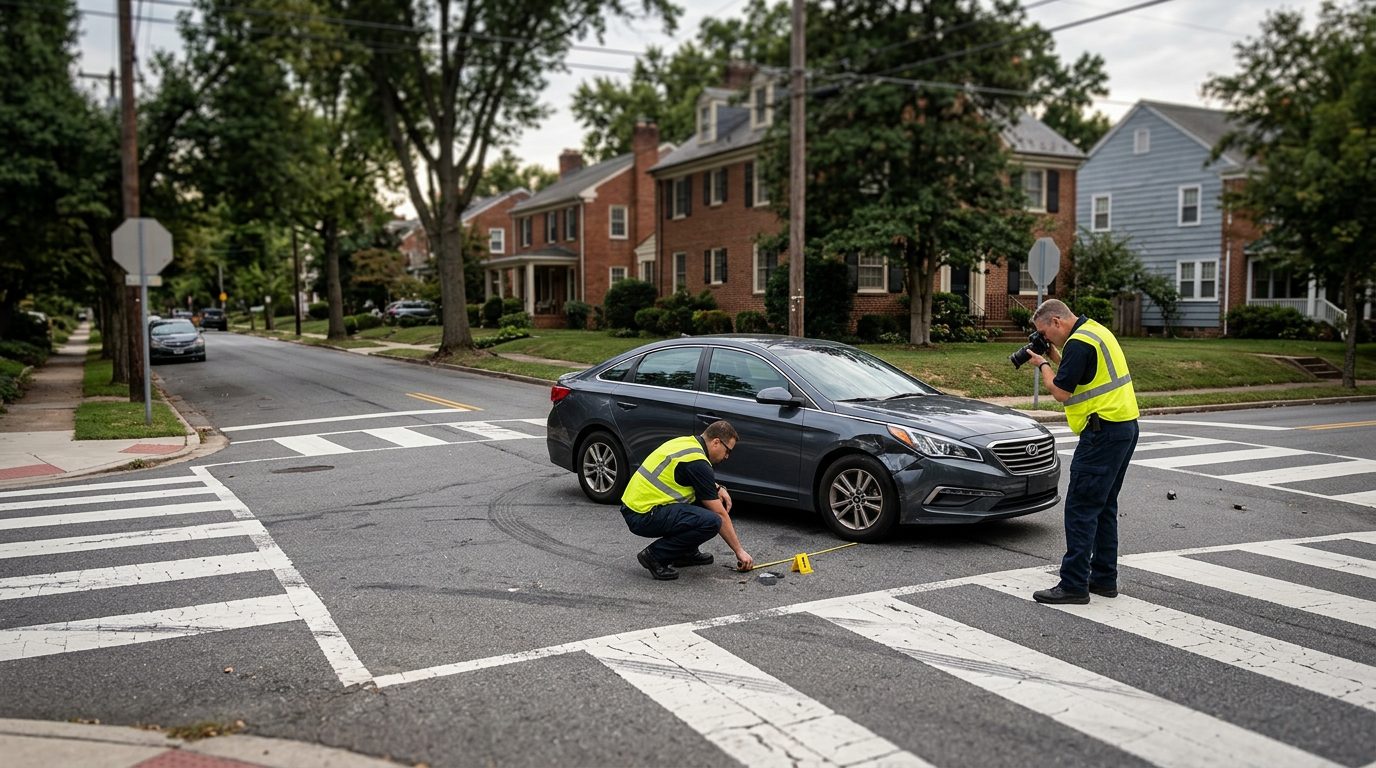
We obtain the police report, medical records, accident scene photos, witness statements, and other evidence. We work with medical professionals to establish that the accident caused your TBI.
Step 3: Medical Evaluation
We work with neurologists, neuropsychologists, or other specialists to document the injury’s severity, your current symptoms, and your likely long-term needs and costs.
Step 4: Demand and Negotiation
We present the evidence to the at-fault driver’s insurance company and negotiate a settlement. Many cases resolve at this stage.
Step 5: Litigation (If Needed)
If the insurance company will not offer fair compensation, we file a lawsuit and prepare for trial. This phase involves discovery (exchanging evidence), expert testimony, and potentially a jury trial.
Timeline: Most TBI cases take 6 to 18 months to resolve, though complex cases may take longer.
Filing Deadline: You have generally two years from the date of the accident to file a personal injury claim in Virginia. However, notice requirements may apply sooner in some cases, so it’s important to speak with a lawyer promptly.
Why Traumatic Brain Injury Claims Are Complex
TBI claims present several challenges:
- Medical causation: You must prove the accident caused the TBI, not a pre-existing condition or unrelated illness. This requires medical records, imaging, and expert testimony.
- Invisible injury: TBI symptoms can be invisible on CT or MRI scans. Insurance companies may deny the injury exists because imaging looks “normal,” even though neuropsychological testing shows real cognitive damage.
- Symptom variability: TBI symptoms vary widely from person to person and can change over time. Predicting long-term recovery is difficult.
- Long-term costs: Future medical care, rehabilitation, and lost earning capacity are hard to quantify. Life-care planners and vocational experts may be needed to estimate lifetime costs.
- Insurance resistance: Insurers often underestimate TBI severity or argue that pre-existing conditions caused the symptoms, not the accident.
- Expert testimony: Most TBI cases require testimony from neurologists, neuropsychologists, or life-care planners to establish injury severity and future damages.
Correll Law Firm handles these cases, which often involve both medical and legal hurdles. We know how to work with medical professionals, gather evidence of causation, and push back against insurance company denials.
Not sure what your next step is?
Talk it through with our team — the first case evaluation is free, confidential, and carries no obligation.
What Correll Law Firm Brings to Your Case
- Experience: We handle serious car accident TBI cases in Richmond, Henrico, and across Virginia.
- Medical network: We work with neurologists and neuropsychologists to establish that the accident caused your TBI and to document injury severity.
- Investigation: We gather accident reports, medical records, witness testimony, and scene evidence to build a strong claim.
- Negotiation: We present evidence to insurers and advocate for fair compensation.
- Litigation readiness: We are prepared to take cases to trial if settlement is not adequate.
- Offices: We have offices in Winchester and Harrisonburg, and we serve people in Richmond and Henrico County.
No attorney’s fee unless we win. Clients may remain responsible for costs accrued in the case.
Common Questions About Traumatic Brain Injury Claims
Will my TBI show up on an MRI or CT scan?
Not always. Some TBIs cause visible damage; others do not. Neuropsychological testing and medical history are often needed to document injury. Your doctor can explain what imaging shows in your specific case.
What if I was partly at fault for the accident?
Virginia follows contributory negligence: if you are found even partly at fault, you may be barred from recovering, with limited exceptions (Contributory negligence bars recovery in Virginia). Talk to a lawyer about your facts. Whether you can recover if you were partly at fault depends on the specific facts. You should talk to a lawyer about your situation.
How long does recovery from a TBI take?
Recovery varies widely. Some people recover in weeks; others experience lasting effects. Your medical team can give you a better sense of your prognosis. A lawyer can help you understand what damages to pursue based on your recovery timeline.
What if the at-fault driver has low insurance limits?
If the driver’s insurance is insufficient, other sources of recovery may exist—your own underinsured motorist coverage, the driver’s personal assets, or other parties involved. A lawyer can review your policy and the accident to identify all possible sources.
Do I have to sue to recover?
No. Many cases settle through negotiation with the insurance company. Litigation is pursued only if a fair settlement cannot be reached.
How much is my case worth?
Every TBI case is unique. Value depends on injury severity, medical evidence, lost income, future care needs, and other factors. A lawyer can review your case and discuss what similar cases have involved, but no outcome can be guaranteed.

Next Steps
If you or a family member has suffered a traumatic brain injury in a car accident in Richmond or Henrico County, you’re likely facing medical decisions, mounting bills, and uncertainty about your legal options. Reach out to Correll to talk through whether you may have a claim.
A free case evaluation is a no-pressure way to understand your options. You’ll speak with someone who handles these cases and can answer your questions about next steps, what damages might be available, and what the process looks like from here.