

Brain Injury | Virginia
Understanding Time Limits After a Brain Injury in Virginia
A plain-language guide for Shenandoah Valley and Richmond-area families weighing their options after a serious head injury.
Published November 24, 2026
A brain injury from a crash can change a family’s plans overnight, and the legal questions can feel just as urgent. Many people want to know how long they have to act. For most Virginia brain injury claims, the answer starts with a two-year clock that runs from the date of the crash.
What is the statute of limitations for filing a traumatic brain injury lawsuit in Virginia?
Virginia generally allows two years from the date of injury to file a personal injury lawsuit (Va. Code § 8.01-243(A)); the clock runs from the date of injury, not the date of discovery, with narrow exceptions.
The statute covers every action for personal injuries, whatever the theory of recovery, so the rule reaches brain injury claims too. A traumatic brain injury from a car or commercial truck crash is generally handled as a personal injury claim.
The Virginia Department of Education says a traumatic brain injury may cause cognitive, behavioral, sensory, motor, physical and speech impairments.
The Virginia statute of limitations for brain injury claims sets a filing deadline. A lawsuit filed after that deadline may not go forward, even if the injury is serious.
For an overview of these claims after a crash, read the firm’s guide to traumatic brain injury claims.
If a crash left you or a loved one with a brain injury, you may have a claim, and the firm is glad to talk through your facts with you. Talk it through with Correll Law Firm — we can walk you through how a situation like yours is usually handled and what your options are.
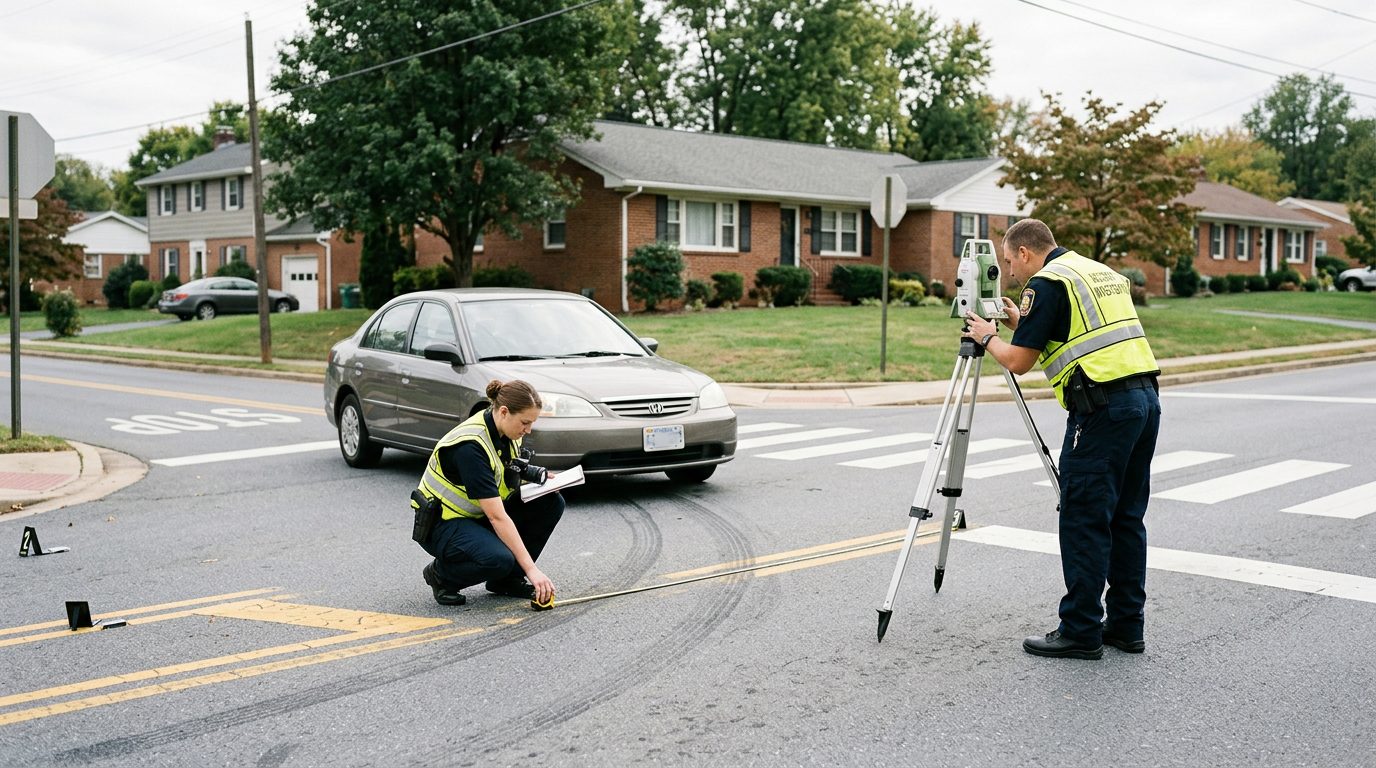
How does the date of injury affect the clock in a brain injury case?
The clock starts on the date the injury is sustained.
Brain injury symptoms can show up after the scene. The Brain Injury Association of Virginia describes common symptoms and the need for prompt professional assessment.
Picture a commuter hurt in a crash near Harrisonburg who feels mostly fine for a few weeks, then struggles to focus. The clock still started on the crash date. Under the general rule, symptoms that appear later do not restart it.
Waiting to see whether symptoms fade can use up part of the filing period without a lawsuit being filed. Medical records matter here because they show when symptoms were first reported and treated.
Exceptions exist, but how they apply depends on the facts of each injury.
What if a brain injury from a crash leads to a death?
A Virginia wrongful death action is filed by the decedent’s personal representative within two years of the death (Va. Code §§ 8.01-50(C), 8.01-244(B)), on behalf of the family members the statute protects.
A death months after a crash can move the deadline.
Virginia wrongful death damages cover the family’s sorrow, mental anguish and loss of the decedent’s companionship, guidance and care; lost income and services; medical expenses from the injury; funeral expenses; and, for willful or wanton conduct, punitive damages (Va. Code § 8.01-52).
Families dealing with a death have a lot to track at once. Keeping the death certificate and the injury’s medical records together can make the timeline easier to follow.
Do crash reporting duties affect a brain injury claim?
Reporting a crash and filing a lawsuit are separate steps with separate timing.
Virginia requires a driver involved in a crash with injury or death to stop and report it to police immediately (Va. Code §§ 46.2-371, 46.2-894).
The two-year period is the deadline to file a lawsuit, not to report a crash (Va. Code § 8.01-243).
A driver who is badly hurt may be unable to report at the scene.
A police report and early medical records both help show what happened and when. Gathering those records early keeps the timeline clear.
What other timing and fault rules can affect a brain injury claim?
Some claims carry shorter notice requirements than the two-year period. A written statement of a claim against a county, city or town for negligence must be filed within six months after the claim accrues, and it must include the time and place at which the injury is alleged to have occurred, under Va. Code § 15.2-209. If the claimant was under a disability when the claim accrued, the tolling provisions of § 8.01-229 apply. Failure to file it does not bar the claim if the locality’s attorney, chief executive, or mayor, or any insurer or entity covering the claim, had actual knowledge of the claim within those six months.
A crash involving a county, city or town vehicle may raise that shorter deadline, so the date of injury matters for those claims as well.
Virginia follows contributory negligence: if you are found even partly at fault, you may be barred from recovering, with limited exceptions. Talk to a lawyer about your facts.

Where does the firm handle traumatic brain injury cases?
The firm is based in Winchester, Virginia, and has an office in Harrisonburg. It handles car accident, truck accident, commercial vehicle, catastrophic injury, traumatic brain injury, spinal cord injury and wrongful death matters.
The firm represents people from the Shenandoah Valley to Richmond and Henrico County. It also serves people throughout the northern Shenandoah Valley.
Pages for Richmond and Henrico County cover those areas.
Each of these matters follows its own timing, so the date of injury, any date of death and any notice deadline all matter.