
Wrongful Death
What Happens If Someone Dies in a Car Accident in Virginia
When a fatal crash occurs, families face both criminal investigation and the option to pursue a civil wrongful death claim. Understanding the process helps protect your family's rights during an overwhelming time.
Published October 04, 2026
When a person dies in a car accident, two separate legal processes unfold: a criminal investigation by law enforcement and the Commonwealth’s Attorney, and a civil wrongful death claim brought for the family against the at-fault driver. Understanding what happens in each process can help you protect your family’s rights and navigate an overwhelming time.
Immediate Steps After a Fatal Car Accident
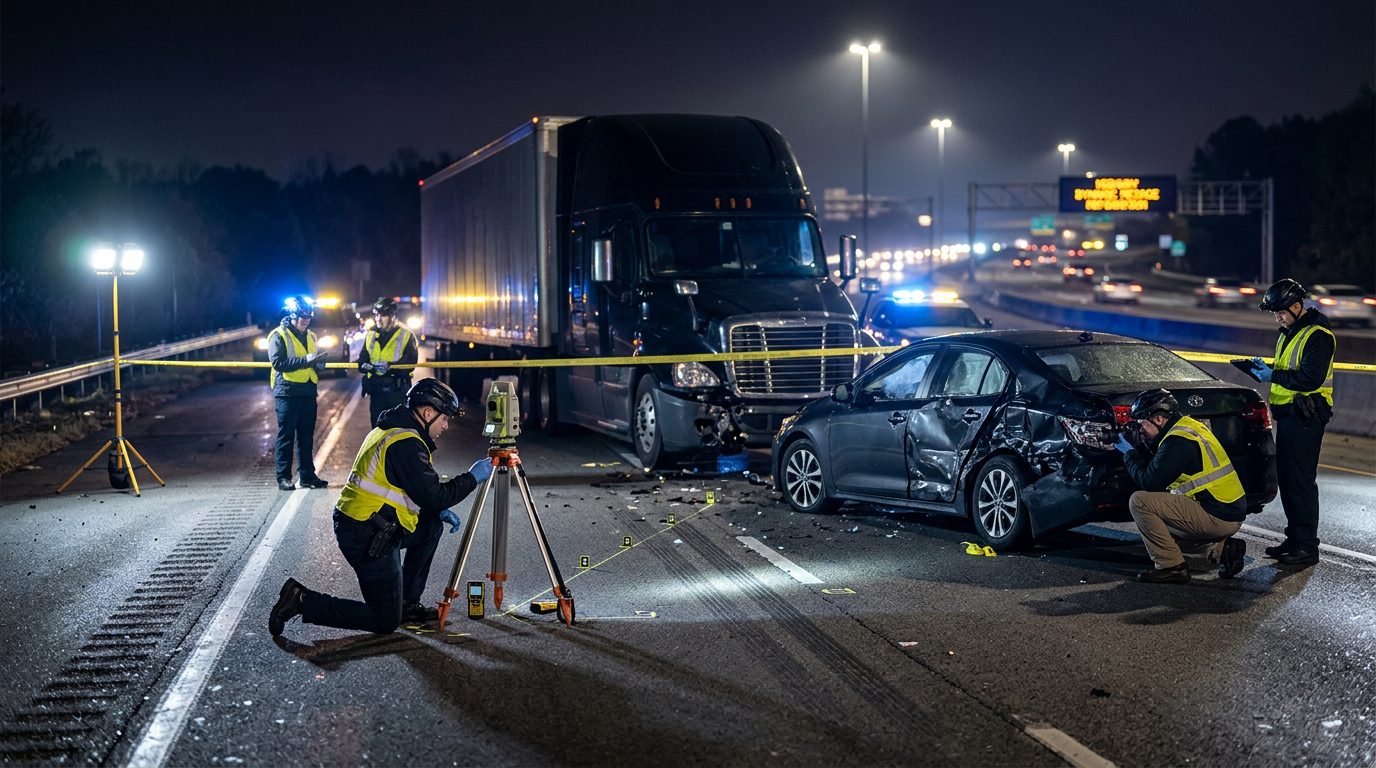
The first hours after a fatal crash involve emergency response, police investigation, and notification of family members. Law enforcement will arrive at the scene, document the crash, and begin gathering evidence. A medical examiner or coroner will be called to determine the official cause of death and examine the body. Police will create a detailed accident report that becomes crucial evidence in both criminal and civil proceedings. Next of kin will be notified by law enforcement, typically before any public announcement. During this time, it’s important to preserve evidence—photos of the scene, vehicle damage, road conditions, and witness contact information—as soon as it’s safe to do so.
If a loved one died in a car accident in Virginia, you’re likely facing overwhelming decisions about both criminal and legal proceedings.
Criminal Investigation and Potential Charges
A fatal car accident triggers a criminal investigation separate from any civil lawsuit. Police will examine the crash scene, interview witnesses, review traffic camera footage if available, and test for impairment or mechanical failure. The Commonwealth’s Attorney will review the evidence to determine whether criminal charges should be filed.
The type of charge depends on the circumstances. If the driver was reckless or negligent, they may face reckless driving charges. If alcohol or drugs were involved, DUI-related charges may apply. The Commonwealth’s Attorney weighs factors like speed, impairment, traffic violations, and whether the driver fled the scene.
Criminal fault and civil liability are separate. A driver may be convicted of a crime and also found liable in a civil wrongful death lawsuit—or acquitted criminally and still be found liable civilly.
Do You Go to Jail If Someone Dies in a Car Accident You Caused?
Criminal consequences depend entirely on the circumstances and the driver’s conduct. A reckless driving conviction may result in jail time, fines, and license suspension. Courts consider factors like the driver’s speed, whether they were impaired, whether they had prior violations, and whether they attempted to help the victim or fled the scene.
However, criminal charges are not automatic. If the accident resulted from a simple mistake with no recklessness or impairment, criminal charges may not be filed. That doesn’t mean the family has no recourse—they may still pursue a civil wrongful death claim.
Civil Wrongful Death Claims in Virginia
A Virginia wrongful death action is filed by the decedent’s personal representative within two years of the death (Va. Code §§ 8.01-50(C), 8.01-244(B)), on behalf of the family members the statute protects. This is a separate proceeding from any criminal case. In Virginia, a wrongful death claim is brought against the at-fault driver; under Va. Code § 8.01-50, an action may be maintained against the driver’s insurer if a judgment against the driver is returned unsatisfied.
Each case is unique, and damages depend on the specific facts, the deceased’s age and earning capacity, and the nature of family relationships.
This deadline is strict, and there are limited exceptions.
Who Can File a Wrongful Death Lawsuit in Virginia?
Not everyone may file a wrongful death claim. If multiple family members wish to pursue the claim together, they typically work with one attorney to coordinate the lawsuit.
The Wrongful Death Lawsuit Process
A wrongful death lawsuit follows the civil court process. The family’s attorney files a complaint against the at-fault driver. Both sides then exchange evidence in a process called discovery—documents, photos, witness statements, and expert reports. During discovery, the defendant’s insurance company may make a settlement offer. Many wrongful death cases settle before trial, allowing families to avoid prolonged litigation.
If settlement negotiations fail, the case goes to trial. Trials can take weeks or months, depending on court schedules and the complexity of the case.
Not sure what your next step is?
Correll Law Firm handles wrongful death claims arising from Virginia car accidents.
Insurance and Financial Implications
When a fatal accident occurs, the at-fault driver’s liability insurance typically covers damages up to the policy limits. Virginia’s minimum liability insurance requirement is $50,000 bodily injury to one person, $100,000 to two or more persons, and $25,000 property damage. However, serious fatal accidents often result in damages far exceeding these minimums.
If the at-fault driver is uninsured or underinsured, the family may look to their own uninsured or underinsured motorist coverage. This coverage can be critical when the defendant’s insurance is insufficient. Families should review their own policy to understand what coverage is available.
In Virginia, punitive damages in wrongful death cases are capped at $350,000 total.
Emotional and Practical Support After a Fatal Accident
Beyond the legal process, families need emotional and practical support. Grief counseling and mental health services can help family members process the loss. Victim advocacy programs in Virginia offer support and guidance through the criminal justice process.
Practically, families must arrange funeral services, notify employers and financial institutions, and manage the deceased’s affairs. An attorney can help coordinate these steps with the legal process and ensure nothing is overlooked that might affect the family’s claim.
Next Steps for Families in Virginia
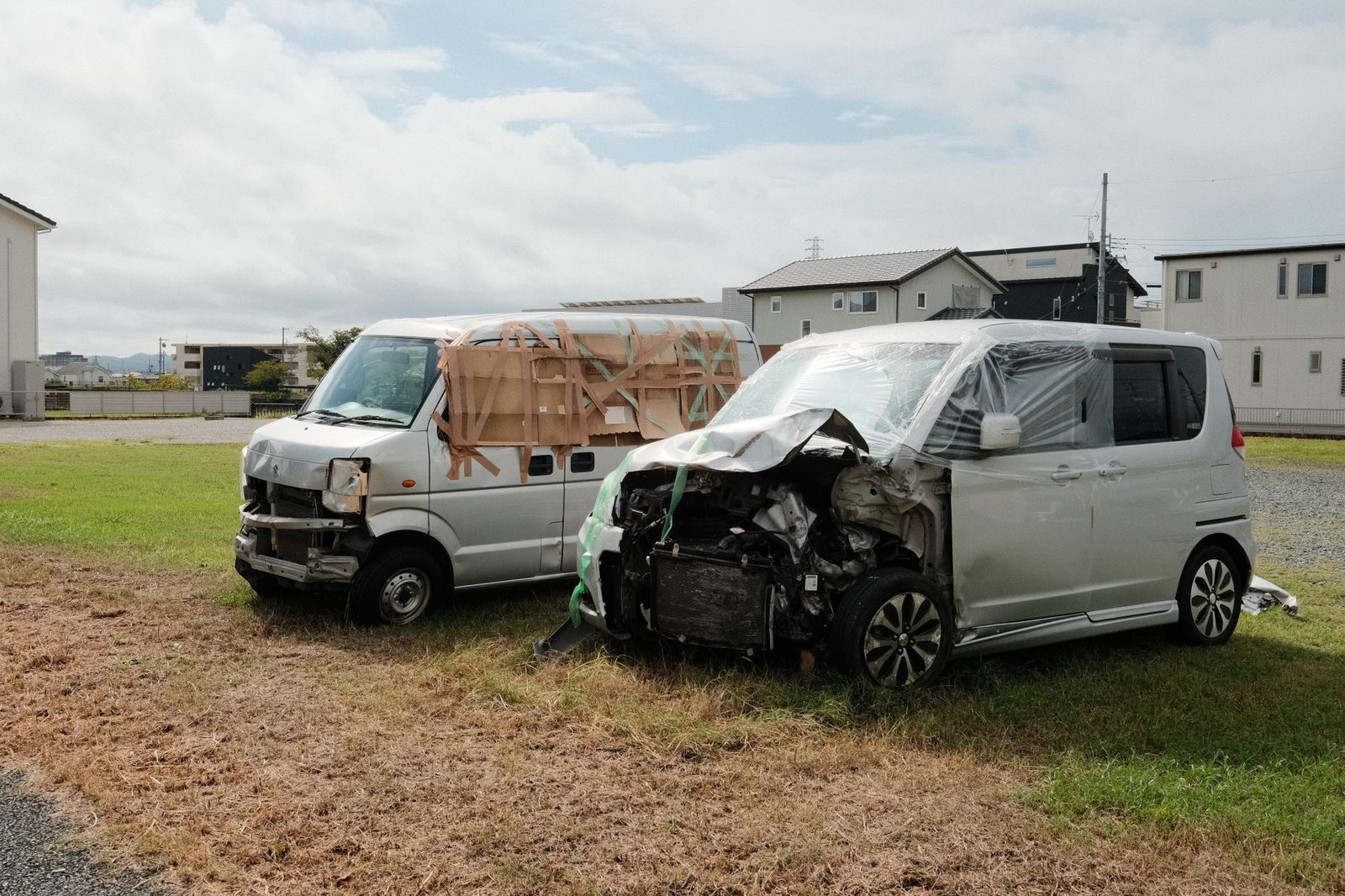
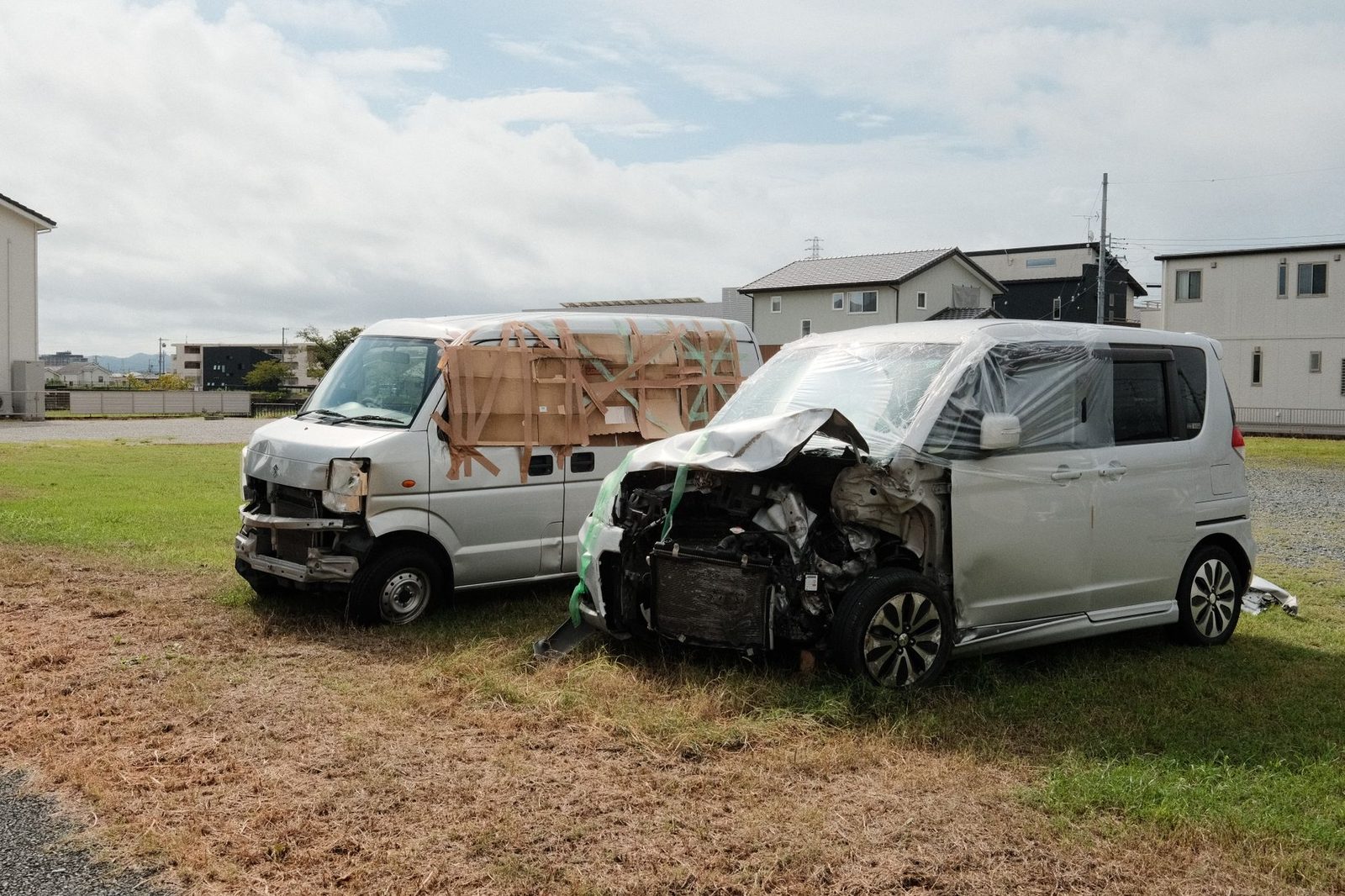
If a loved one has died in a car accident in Virginia, the first step is to gather and preserve evidence. Take photos of the accident scene, vehicle damage, and road conditions. Collect witness contact information. Request a copy of the police report from law enforcement. Keep all medical records, funeral expenses, and financial documents related to the death.
The second step is to consult with an attorney who handles wrongful death claims in Virginia. An early consultation gives you a chance to ask questions and learn about the steps ahead. Your attorney will review the facts, explain your options, and guide you through both the criminal and civil processes.
If a loved one died in a car accident in Virginia, you’re likely facing overwhelming decisions about both criminal and legal proceedings. Many families in your situation reach out to understand their rights and what to expect next. Schedule a free case evaluation with Correll Law Firm to discuss your family’s situation and learn how we can help.
Related practice areas
- Traumatic Brain Injury from Car and Truck Accidents: Legal Help in Virginia
- Traumatic Brain Injury Claim After a Car Accident in Richmond and Henrico County
- Signs of Brain Trauma After a Car Accident