
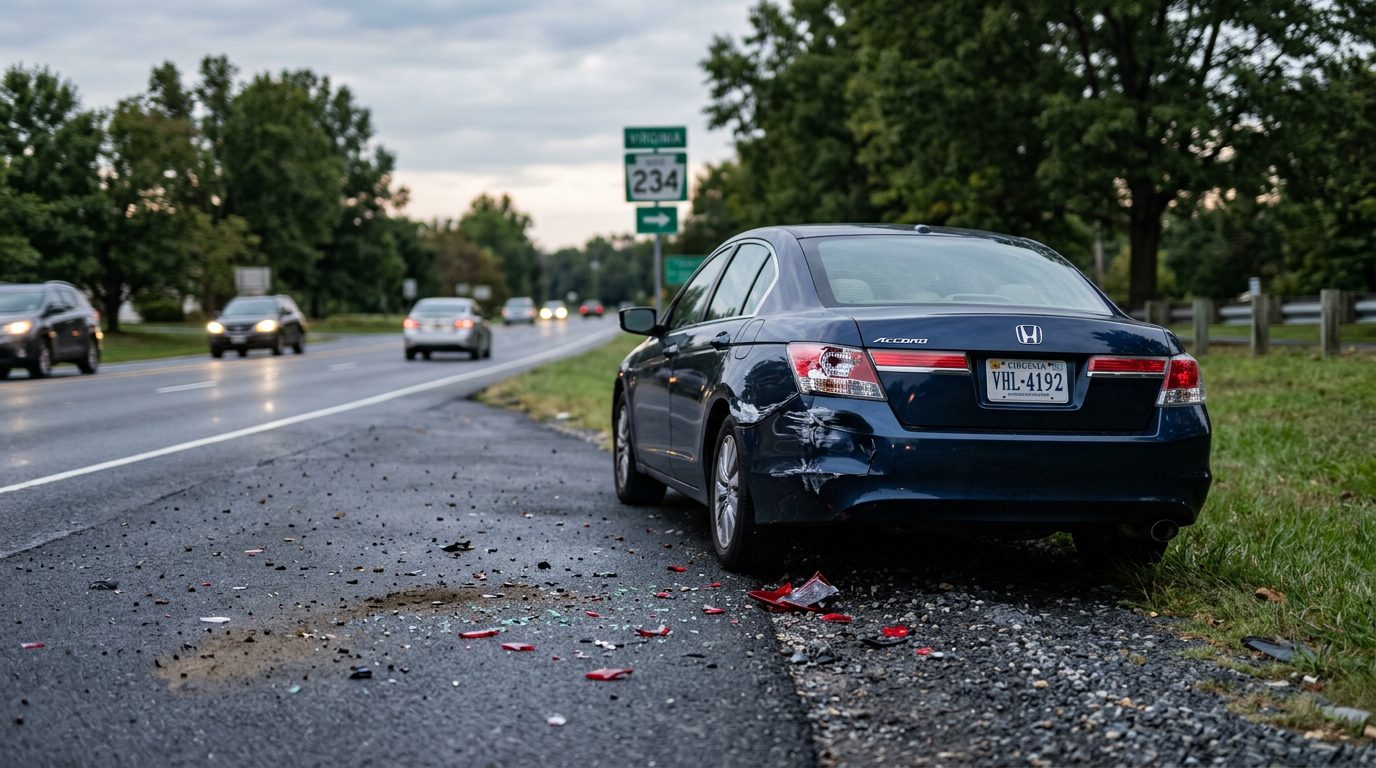
When the Other Driver Leaves the Scene, Proof Gets Harder
Correll Law Firm focuses on car and truck crash claims for people across the Shenandoah Valley, Richmond and Henrico County. Here is what can make a hit-and-run claim difficult to prove.
Published October 22, 2026
Is it hard to prove a hit and run? Often, yes. The biggest obstacle is that the driver who left the scene may not be known. Without a name, plate number or insurer, it can be hard to show who caused the crash. This page walks through the practical hurdles in Virginia, the records that may matter, and the deadlines a reader should know about.
Why hit-and-run crashes can be harder to pursue
A hit-and-run crash is one where the driver leaves the scene instead of stopping. When that driver is not identified, the first question is who is responsible, and how to show it. Most of the other issues follow from that gap.
In practice, the work tends to fall into four areas. These are identifying the other vehicle, gathering information about the crash, understanding which insurance may apply, and keeping track of deadlines. Each area can be harder when the other driver is gone. The usual sources of information, such as the other driver’s statement or insurer, may be missing.
A crash victim may also be injured, shaken or in treatment. That person may not remember details like the vehicle’s color or direction of travel. For that reason, the police report and medical records can be important later. The firm’s car accident and truck accident pages give more background on those types of crashes in Virginia.
Not sure what your next step is?
Talk it through with Correll Law Firm — we can walk you through how a situation like yours is usually handled and what your options are.

The duty to stop and report the crash
Virginia requires a driver involved in a crash with injury or death to stop and report it to police immediately (Va. Code §§ 46.2-371, 46.2-894). The statutes are at Va. Code § 46.2-371 and Va. Code § 46.2-894.
The reporting statute, § 46.2-371, requires the driver of any vehicle involved in any accident resulting in injury to or death of any person to immediately give notice of the accident to a law-enforcement officer. Section 46.2-371 requires the driver of any vehicle involved in any accident resulting in injury to or death of any person to immediately give notice of the accident to a law-enforcement officer, while § 46.2-894 covers taking the person to a physician, surgeon or hospital when medical treatment is apparent or requested.
Reporting the crash is a separate duty from filing a lawsuit. A crash report number from the police is worth keeping. The Virginia DMV crash reporting information explains how to obtain or report crash information.
Evidence that may matter in a hit-and-run claim
The evidence that may matter is the record of what happened at the scene and afterward. Start with the police report number, then gather whatever else is available.
- Photos of the scene and both vehicles. These can show damage, positions and road conditions.
- Debris and paint transfer. Pieces left behind may help identify the other vehicle’s make, model or color.
- Witness names and contact details. A witness may have seen the vehicle, the driver or the direction it went.
- Nearby surveillance video. Video from a business or home may show the other vehicle, if it still exists.
- Medical records. These document the injury and the treatment that followed.
Medical records and crash details may be reviewed together to address that link.
Gaps in information, such as a missing plate number, may be reviewed with a lawyer. A lawyer can look at what is available and what is still unknown.
Insurance questions when the other driver cannot be found
Insurance may be a central question when the at-fault driver is unknown. Start with your own policy terms, including any uninsured motorist coverage. The statute at Va. Code § 38.2-2206 addresses actions brought against an unknown owner or operator, known as John Doe actions.
The Virginia State Corporation Commission’s auto insurance consumer guide also discusses uninsured motorist coverage and state financial-responsibility requirements. Reading the coverage section of your policy is a practical first step.
Whether and when to notify your insurer is a separate question. It is worth reviewing alongside the policy terms. Keep copies of any insurance letters and claim numbers in one place. Those records can help when the facts are reviewed later.
Deadlines for a lawsuit and wrongful death claims
Virginia generally gives two years to file an injury lawsuit. Virginia generally allows two years from the date of injury to file a personal injury lawsuit (Va. Code § 8.01-243(A)); the clock runs from the date of injury, not the date of discovery, with narrow exceptions. The statute is at Va. Code § 8.01-243.
Some claims carry notice requirements that may run out sooner.
If a person was killed, the rules are different. A Virginia wrongful death action is filed by the decedent’s personal representative within two years of the death (Va. Code §§ 8.01-50(C), 8.01-244(B)), on behalf of the family members the statute protects. The statutes are at Va. Code § 8.01-244 and Va. Code § 8.01-50.
Family members generally do not file the action themselves: under Va. Code § 8.01-244, a wrongful death action under § 8.01-50 is brought by the personal representative of the decedent within two years after the death of the injured person. They share in any recovery. Va. Code § 8.01-53 sets out who may share, starting with the surviving spouse and the children of the deceased.
When it may be worth talking with a lawyer
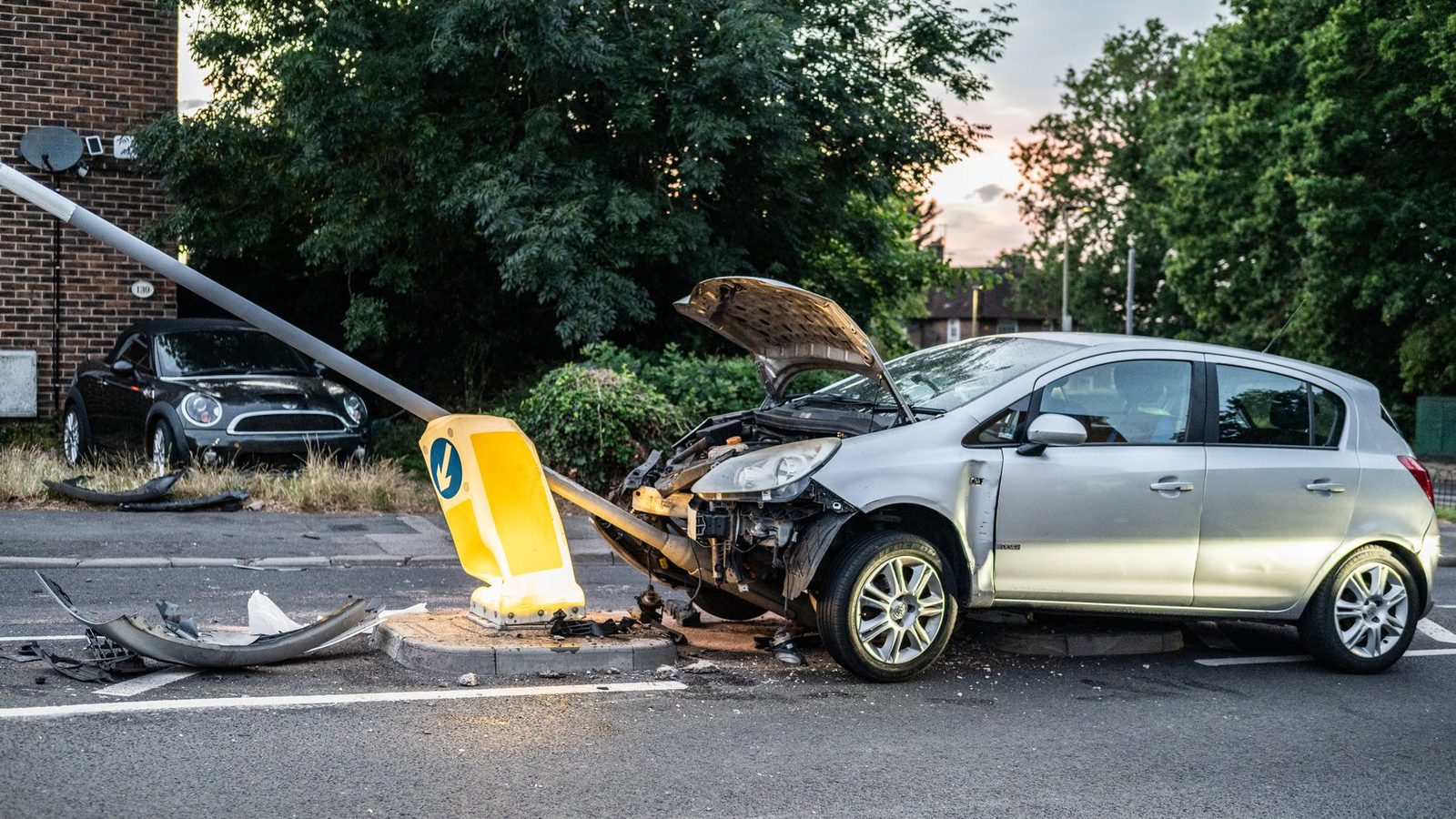
You may wish to speak with a lawyer if a hit-and-run has left you or a family member injured, with missing facts or insurance questions. Many readers are researching while hurt, or on behalf of someone else.
A lawyer may help you understand which facts and documents matter for your situation. That can include the police report, photos, medical records and your policy terms. Each of these pieces can shape the picture of what happened.
Correll Law Firm handles car accident, truck accident, commercial vehicle, catastrophic injury, traumatic brain injury, spinal cord injury and wrongful death matters. The firm’s offices are in Winchester and Harrisonburg, and it represents people from the Shenandoah Valley to Richmond and Henrico County.
Related practice areas
- Truck Accident Lawyer in Virginia | Correll Law Firm
- Broken C7 Vertebra After a Virginia Car Crash