
Car Accidents | Shenandoah Valley and Richmond
Virginia Car Accident Evidence Checklist: What to Gather
After a crash, the details you record early can matter later. This checklist covers what to collect at the scene, what to save afterward, and what to bring when you speak with the firm.
Published October 21, 2026
What This Car Accident Evidence Checklist Covers and Who It Helps
The short answer: keep clear proof of what happened, who was involved, and how the crash affected you. A good car accident evidence checklist Virginia readers can use covers scene photos, crash reports, witness details, medical records, pay records, and personal notes.
In a Virginia crash, evidence is any record, image, statement, or document that shows what happened. It also shows what the crash did to the people involved.
This guide is for drivers and passengers who were hurt. It is also for family members handling paperwork after a serious injury or a death. Many readers are gathering information for someone else, often in the first days after a crash.
Every crash is different. No single item decides how a matter turns out. This list is general education, not legal advice about your facts.
The guide is written for people in Winchester, Harrisonburg, the Shenandoah Valley, Richmond, Henrico County, and across Virginia.
If a crash has left you or someone you love hurt, you do not have to sort through the paperwork alone; the firm is ready to talk through your situation. Talk it through with Correll Law Firm — we can walk you through how a situation like yours is usually handled and what your options are.
Scene and Vehicle Evidence to Gather
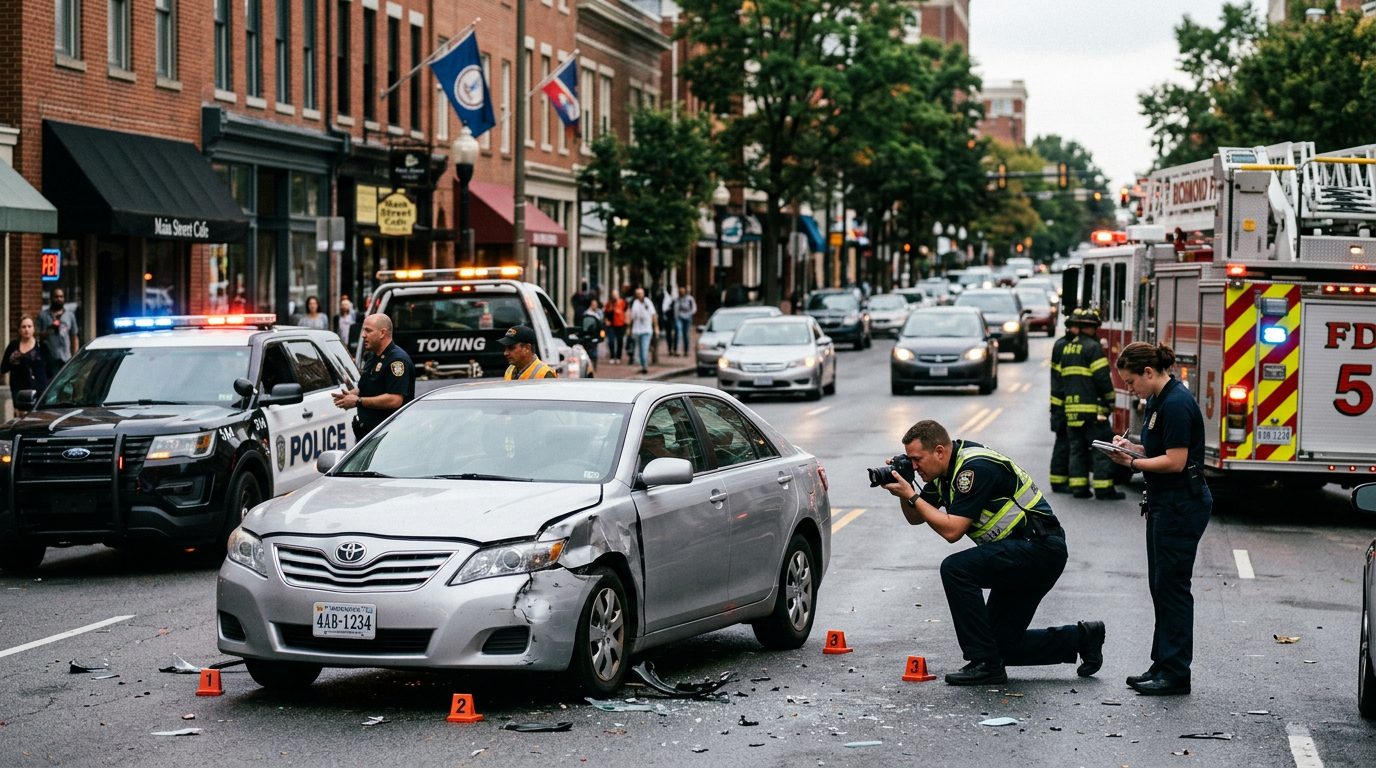
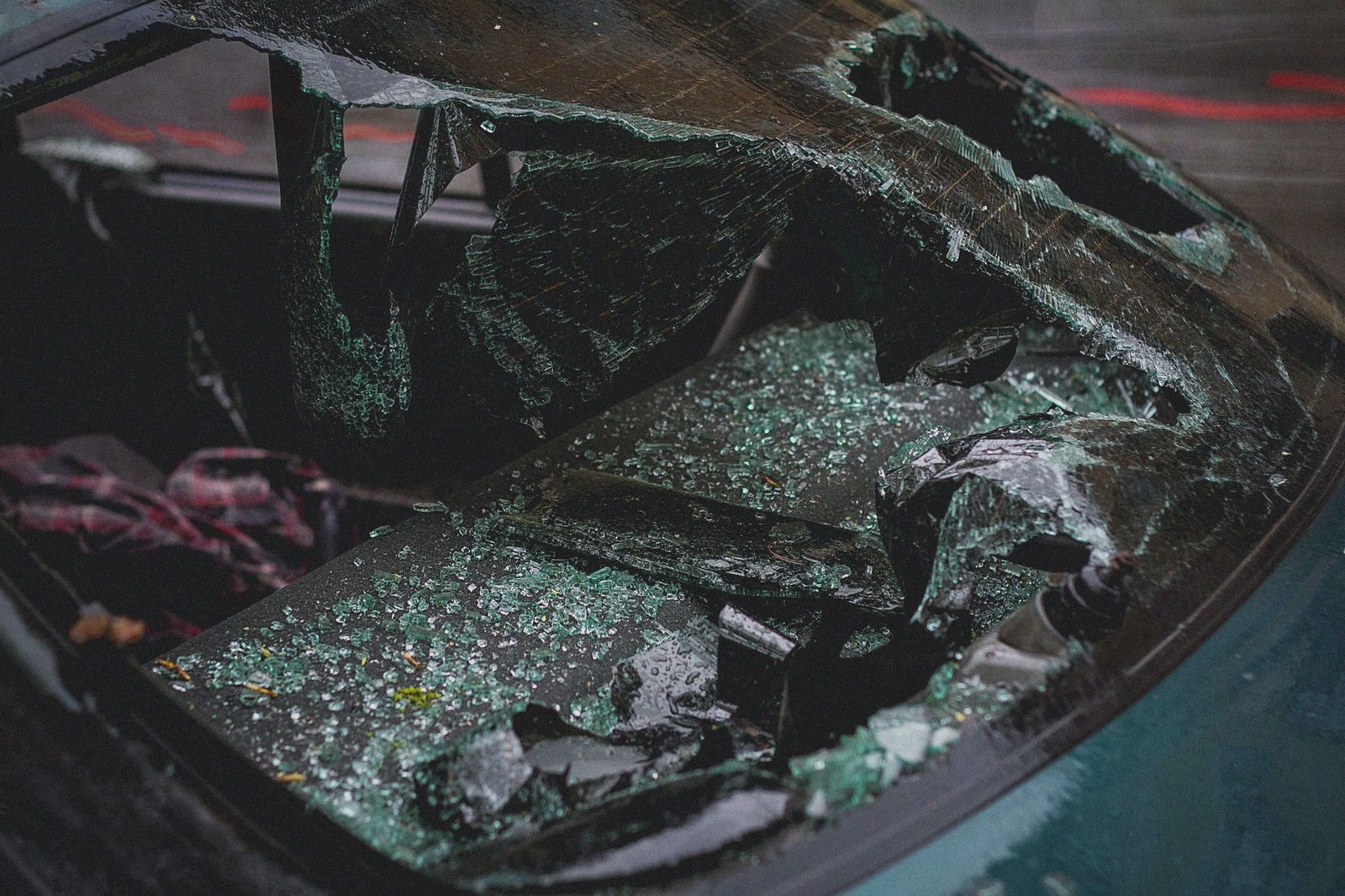
Scene evidence shows where the vehicles ended up, what was damaged, and what the road looked like at the time.
Take photos and video as soon as it is safe. Capture:
- Vehicle positions and damage to every vehicle
- Skid marks, traffic signals, and signs
- Weather and road conditions
- Visible injuries
Photos of signs, sightlines, and vehicle positions can help show what a driver had the chance to see.
Witnesses move and forget details. Write down their names, phone numbers, and addresses early. Note whether a witness already spoke with police.
Record the other driver’s name, license number, insurer, policy number, and vehicle registration details.
Keep repair estimates, photos of damage before repairs, and tow or storage receipts.
Dash camera, business, and traffic camera footage can show what happened. Ask for it quickly, because many systems record over older video.
For truck and commercial vehicle crashes, note the company name, the DOT number on the truck, and the carrier’s markings.
The Crash Report and Virginia’s Reporting Duty
A police crash report is the official written record of a crash. It is often the first document people ask about.
Virginia requires a driver involved in a crash with injury or death to stop and report it to police immediately (Va. Code §§ 46.2-371, 46.2-894).
The Virginia State Police says the Virginia DMV keeps official records of reportable crashes.
Citations and tickets are separate from the crash report. Keep copies of everything you receive.
Read the report for errors, such as wrong names, plate numbers, or the order of events. If you find one, ask for a correction and keep a copy of your request.
Medical, Work, and Expense Records to Collect
Medical and work records show what injuries were treated and how the crash changed your daily life and your job.
Collect these items:
- Emergency room, urgent care, and hospital records
- Imaging reports, follow-up notes, and discharge instructions
- Itemized treatment records sorted by date of service
- Pay stubs, W-2 forms, tax returns, and a letter from your employer about missed work
- Receipts for prescriptions, medical equipment, and rides to appointments
For a traumatic brain injury or spinal cord injury, ask your providers to keep complete records. Those include neurology, therapy, and rehabilitation notes. Your doctors make treatment decisions. Your records show what they recorded.
Gaps in care can be hard to explain later. Tell your providers about every symptom, even small ones, and keep every appointment summary.
Keeping a Personal Evidence Journal and Contacting Witnesses
A personal journal records how the injury affects you day to day, in your own words.
Write a dated entry most days. Note pain, sleep, tasks you cannot do, missed work, and family duties you have had to change. Describe what happened, not what you guess.
Record every medical appointment, missed workday, and call with an insurance adjuster. Include the date, the person’s name, and what was said.
Details fade over time. Notes made close to the events are usually more complete than memories months later.
Save emails, texts, and letters about the crash, the vehicles, or the injury in one folder.
Keep your witness list current. Update addresses and phone numbers as they change.
Be careful with social media posts about the crash. Others may read them later, and they can be hard to explain out of context.
A complete, organized file helps anyone who later reviews the facts. No single item decides how a matter turns out.
Frequently Asked Questions About Car Accident Evidence
What should I do first after a crash?
Check everyone for injuries and call 911 if anyone is hurt. Then gather evidence when it is safe to do so.
What photos matter most at a crash scene?
Take wide shots of the whole scene, close-ups of damage, and any injuries you can see. Take them before vehicles are moved, if it is safe.
Where can I get a Virginia police crash report?
What if the other driver left the scene?
Report the crash to police as soon as you can.
How long do I have to file a lawsuit?
Virginia generally allows two years from the date of injury to file a personal injury lawsuit (Va. Code § 8.01-243(A)); the clock runs from the date of injury, not the date of discovery, with narrow exceptions. Some claims carry notice requirements that run out sooner.
Do I need evidence for a wrongful death claim?
A Virginia wrongful death action is filed by the decedent’s personal representative within two years of the death (Va. Code §§ 8.01-50(C), 8.01-244(B)), on behalf of the family members the statute protects. Many of the same items apply, including the crash report, photos, and medical records.
Should I talk to my insurance company?
Keep your answers factual, and say only what you know. You may wish to talk with a lawyer before giving a recorded statement.
Not sure what your next step is?
Talk it through with Correll Law Firm — we can walk you through how a situation like yours is usually handled and what your options are.

Reviewing Your Evidence
The firm handles car accidents, truck accidents, commercial vehicle accidents, catastrophic injuries, traumatic brain injury, spinal cord injury, and wrongful death.
The firm’s offices are in Winchester and Harrisonburg. It serves people who live or were hurt in the Shenandoah Valley, Richmond, Henrico County, and elsewhere across Virginia.
A lawyer at the firm can review the facts and documents you bring. The lawyer can then explain how Virginia law may apply to your situation.
Early records help any review. Memories and paperwork change over time, so gathering items soon after a crash gives the most complete picture.
Related practice areas
- Wrongful Death Claims from Car and Truck Accidents in Virginia
- Fatal Car Accident Attorney Shenandoah Valley
- Traumatic Brain Injury Lawyer in Virginia: Crash Help