

Catastrophic Injuries | Shenandoah Valley and Richmond
How Do You Know If Someone Is Paralyzed? Signs to Know
Plain-language signs of a spinal cord injury or paralysis, why speed matters, and how to recognize when emergency care is needed.
Do not move someone who may have a spinal injury
If a person has been hurt in a crash or a fall and may have a spinal injury, call 911 right away. Keep them still and do not move them unless they are in immediate danger, such as fire or traffic.
Warning signs to watch for
Cannot move an arm or leg
The person may be unable to move one or more limbs, or a limb may move less than normal or not at all.
Numbness or loss of feeling
Loss of feeling in the hands, feet, legs, or the body below the point of injury can be a sign of spinal cord damage.
Neck or back pain after an impact
Pain, pressure, or tenderness along the neck or spine after a crash or fall needs prompt medical attention, even if the person seems to be moving.
Changes in bladder or bowel control
Sudden loss of control over bladder or bowel function can be a sign of a serious spinal injury.
Common types of paralysis
Paraplegia
Loss of movement and often feeling in the legs and lower body, usually from an injury to the lower part of the spinal cord.
Quadriplegia
Loss of movement and often feeling in the arms, legs and torso, usually from an injury in the neck area of the spine.
Complete or incomplete injury
A complete injury cuts off movement and sensation below the injury. An incomplete injury leaves some function, and doctors monitor how it changes over time.
Hemiplegia
Paralysis on one side of the body. It is often linked to a brain injury or stroke rather than to the spinal cord.
Published October 21, 2026
How do you know if someone is paralyzed? Start with one question: can they move the body part when you ask them to? If a person cannot move an arm, leg, hand or face on request, paralysis may be the cause. Sudden loss of movement is a medical emergency, so call 911 or go to the nearest emergency department right away. The sections below explain the common signs, how paralysis differs from weakness, and how doctors check for it.
What paralysis means
Paralysis is the loss of voluntary movement in one or more parts of the body. Voluntary means you choose to move the part. Feeling may also be lost, or it may stay normal.
Movement starts in the brain. Signals travel down the spinal cord, through nerves, and into muscles. Damage anywhere along that path can stop a muscle from responding, even when the muscle itself is healthy. Think of a cut wire: the message to move never arrives.
Paralysis is a symptom, not a diagnosis by itself. It points to an underlying problem, such as a spinal cord injury, a brain injury, a stroke or a nerve disorder. In a crash, a spinal cord or brain injury can cause paralysis. Finding the cause matters, because it shapes treatment and what comes next.
Paralysis can affect one limb, one side, or the whole body below a certain level. The pattern is often the first clue doctors use. Timing matters too, since doctors record when the loss began and whether it is changing.
If a crash or injury has left someone you love unable to move, you may have a claim, and the firm can talk through the facts with you. Talk it through with Correll Law Firm — we can walk you through how a situation like yours is usually handled and what your options are.
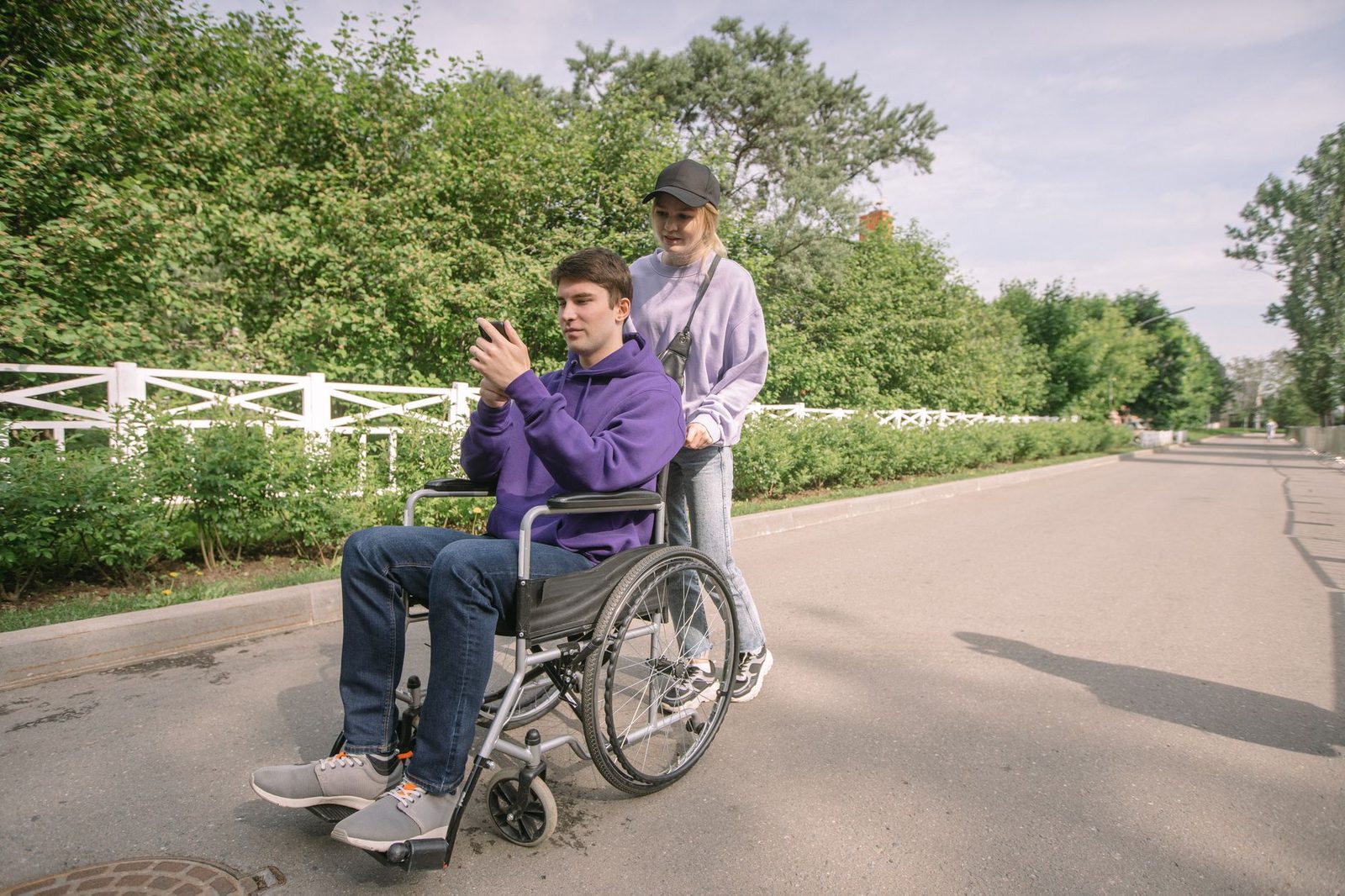
Signs you can notice right away
Sudden loss of movement or feeling is an emergency. Call 911 or go to the nearest emergency department now, even if the signs seem to come and go.
Watch for these signs:
- The person cannot move an arm, leg, hand or face when asked, on one side or both.
- One arm or leg hangs limply or does not bear weight, compared with the other side.
- Numbness, tingling or loss of feeling in part of the body.
- Loss of bladder or bowel control, which can be a warning sign of spinal cord involvement.
Bystanders can help. Note what you saw, when it started, and whether it is getting worse. Those details help emergency staff decide what to test first. Do not wait to see whether the problem passes on its own.
Weakness versus paralysis
Telling weakness from paralysis is a key step in answering how do you know if someone is paralyzed. Weakness means a muscle still moves, but with less force than usual. Paralysis means the muscle cannot be moved on command at all.
Partial paralysis sits between the two. Some movement or feeling remains, so the person may move a finger, twitch a toe or lift a limb only slightly. A partial loss can still be serious and still needs a medical exam.
Pain can make this hard to judge. A person in severe pain may hold still even when nerves and muscles still work. Only a medical exam can separate pain from true loss of function. Doctors look for the difference, so describe exactly what you saw and let clinicians test it.
One-sided paralysis and right-hand symptoms
Loss of movement on one side of the body is called hemiplegia. Loss in a single limb is called monoplegia. Both can follow a stroke or a brain injury, and the side affected helps doctors narrow down the problem.
Right hand paralysis can look like a dropped grip, trouble with buttons, writing or holding a cup, numbness in the fingers, or a weak wrist. Ask the person to make a fist and squeeze your fingers. If the change came on suddenly, get emergency care.
A crash can cause a traumatic brain injury, and brain injuries can bring one-sided weakness. Symptoms like these can be easy to miss in the first hours, so note any change in how the person uses one side of the body.
Paraplegia, quadriplegia and where the injury sits
Paraplegia means paralysis of the legs and lower body. Quadriplegia, also called tetraplegia, means paralysis of the arms, legs and trunk. The level of the injury on the spinal cord is the main factor in which type a person has.
A higher injury on the spinal cord usually affects more of the body. An injury can be complete, meaning no movement or feeling below the injury, or incomplete, meaning some function remains. Doctors sort these terms out during the exam, not from the scene.
Daily life varies widely. Some people use wheelchairs, braces or adapted equipment, and some need help with everyday tasks. The needs depend on the level and type of injury and on the person. For more on these injuries, see the firm’s spinal cord injury page.
How doctors confirm paralysis
Doctors confirm paralysis with a neurological exam, then add imaging and nerve tests when needed. The exam checks strength in each muscle group, reflexes, feeling and muscle tone. This is how a clinician works out how do you know if someone is paralyzed, step by step.
Imaging such as a CT scan or MRI shows the brain, spine and nerves. Nerve conduction studies and electromyography, or EMG, test how nerves and muscles respond to signals. Each test shows one part of the picture, and they take time.
Early findings can change. Swelling after an injury can hide signs for a while, and symptoms often shift over hours or days. Keep notes of what you saw at the scene. After a crash, the Virginia Department of Motor Vehicles explains how to request a police crash report, which can help document how the injury happened.
Not sure what your next step is?
Talk it through with Correll Law Firm — we can walk you through how a situation like yours is usually handled and what your options are.

Can paralysis improve, and what affects it
Recovery depends on the cause, the location and severity of the injury, and how quickly treatment starts. Some stroke-related weakness improves over time. Spinal cord injuries vary widely, and some people regain some movement or feeling while others do not.
Traumatic brain injury recovery often involves rehabilitation across several stages. The Model Systems Knowledge Translation Center describes how people with TBI may receive multidisciplinary rehabilitation across emergency, acute and post-acute stages.
Timing matters too. Virginia generally allows two years from the date of injury to file a personal injury lawsuit (Va. Code § 8.01-243(A)); the clock runs from the date of injury, not the date of discovery, with narrow exceptions. Keep the medical records together, since they show the first exam and later changes.
Frequently asked questions
Can a person with paralysis still feel things?
Yes. Some people keep feeling while they lose movement, and others lose both.
Is paraplegia reversible?
Some people regain function and others do not. The answer depends on the injury.
Can stroke cause permanent paralysis?
Yes, a stroke can leave lasting paralysis in some people. Any sudden one-sided weakness still needs emergency care.
Related practice areas
- Wrongful Death Claims from Car and Truck Accidents in Virginia
- Chiropractic Treatment After Car Accident in Virginia