
Car Accidents in Virginia
What Is Your Car Accident Case Worth in Virginia?
No website can give you a reliable figure. Here is what shapes the value of a crash claim, and how the firm can review the facts of yours.
Where the firm works
Winchester
Office in Winchester, Virginia
Harrisonburg
Office in Harrisonburg, Virginia
Virginia
Serving clients from the Shenandoah Valley to Richmond and Henrico County
Published October 21, 2026
If you’re asking how much is my car accident case worth in Virginia, the short answer is that no web page can give a reliable dollar figure. Each claim turns on its own facts. This guide explains what shapes the value of a claim, so you know what to gather and what a lawyer may review. Drivers across the Shenandoah Valley and in Henrico County face these same questions after a crash.
Why There Is No Fixed Number for a Virginia Car Accident Claim
A web page cannot give a fair value for your specific crash. Online calculators and average settlement charts ask a few questions and return a number. That number does not reflect your medical records, your work history, or how the crash happened. Think of a calculator’s number as a guess built on someone else’s crash. Instead, the value of a claim rests on four main factors: who was at fault, the injuries, the documented losses, and how the insurance company responds. Each factor has its own facts. None of them reduces to a standard figure.
If your crash left you with ongoing injuries or an insurance offer you're unsure about, you may have a claim worth reviewing with the firm. Talk it through with Correll Law Firm — we can walk you through how a situation like yours is usually handled and what your options are.
Who Was at Fault and Why It Matters
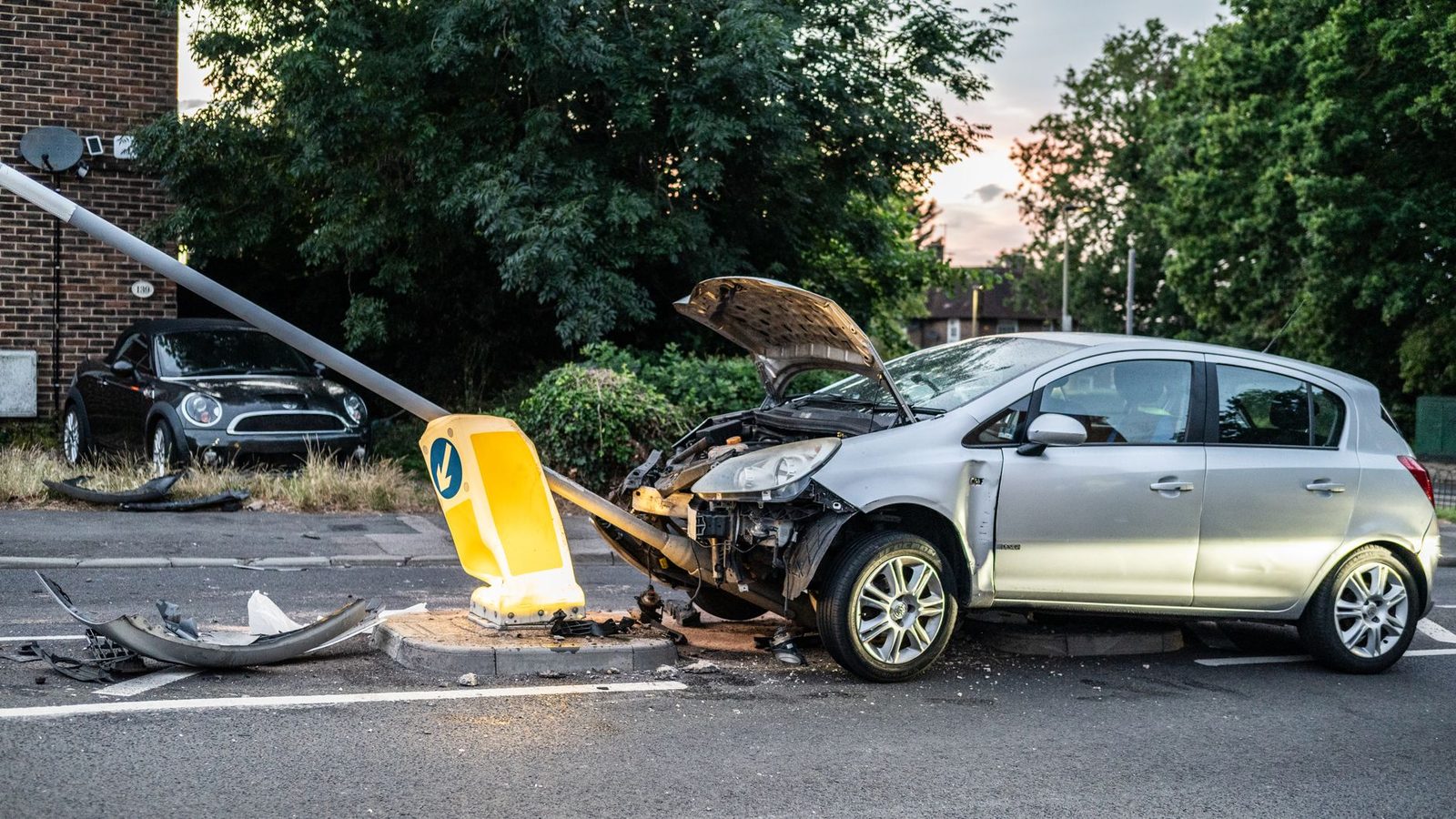
Fault is a central question in most car accident claims. Virginia courts ask whether a driver’s act or omission was a proximate cause of the injury. A proximate cause is an act or omission that, in natural and continuous sequence, unbroken by an efficient intervening cause, produces the injury, and without which it would not have occurred. There can be more than one. (Ford Motor Co. v. Boomer)
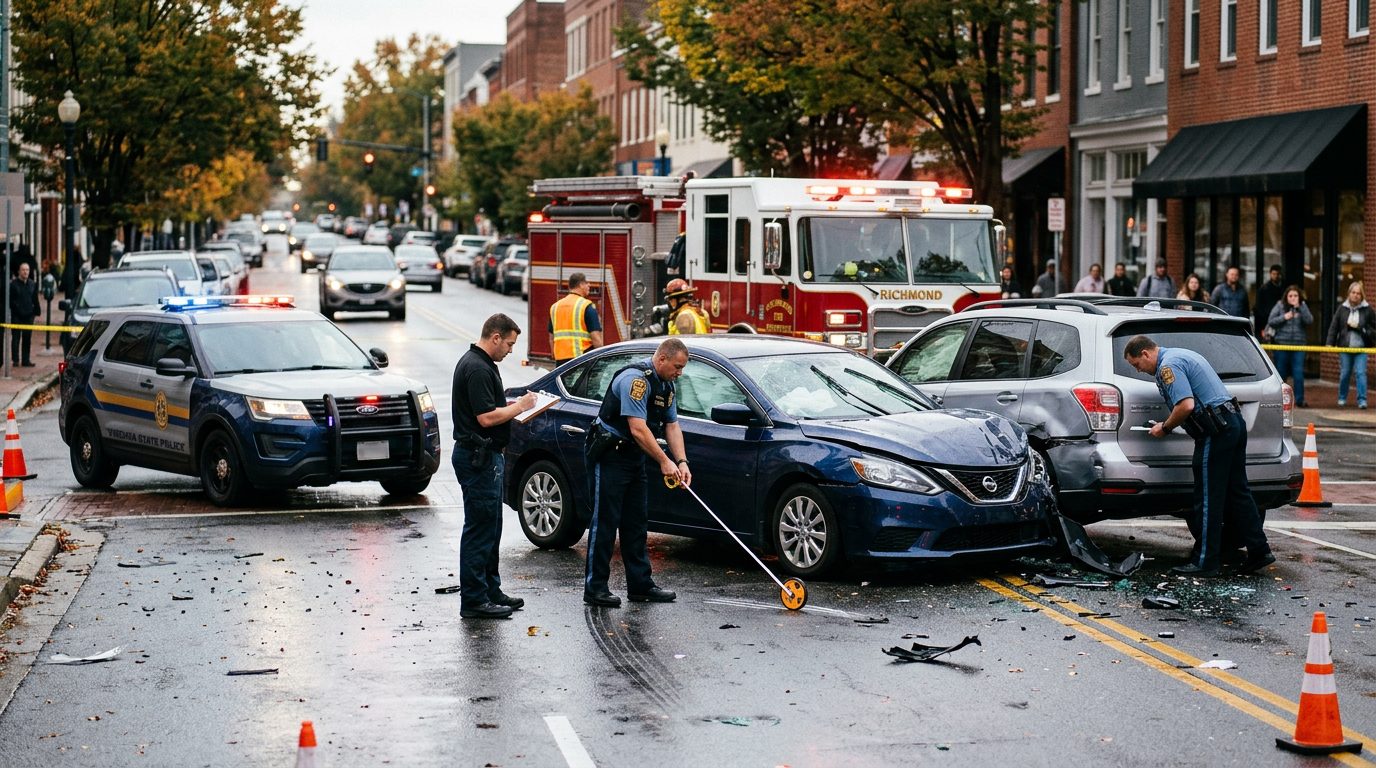
The evidence often includes the police report, photos of vehicle positions and damage, witness statements, and any video. A lawyer may review that evidence to see how the crash happened. Virginia follows contributory negligence: if you are found even partly at fault, you may be barred from recovering, with limited exceptions (Contributory negligence bars recovery in Virginia). Talk to a lawyer about your facts.
Virginia requires a driver involved in a crash with injury or death to stop and report it to police immediately (Va. Code §§ 46.2-371, 46.2-894). The two-year period discussed below is the deadline to file a lawsuit, not the deadline to report a crash.
Injuries and the Medical Record
Your medical records are the main way an injury is documented in a claim. They show what you reported, what providers found, and what care you received. A lawyer may review those records alongside the treatment you’ve had and the notes your providers wrote.
Keep copies of every record, bill, and discharge paper you receive. Follow the care your providers recommend and keep your appointments. If you have questions about your treatment, ask your provider directly.
Write down how the injury affects your daily life, such as sleep, work, driving, or household tasks. Note the date you first noticed each change. A gap in care is easier to explain when the reason is written down at the time. A simple, dated log can help a lawyer understand your story as it unfolded.
Lost Income, Repair Bills, and Other Economic Losses
Documented money losses are part of what a lawyer may review in a claim. These include medical bills, time missed from work, and damage to your vehicle. Each one needs paperwork to back it up.
For lost pay, save your pay stubs, your work schedule from before the crash, and a letter from your employer showing missed shifts. For your vehicle, keep the repair estimate or total-loss valuation, the photos, and any rental receipts. For medical bills, keep every statement and every explanation of what remains owed.
Which of these losses can be included in a claim is a question of Virginia law and the facts. A lawyer may review that question with you. Avoid guessing at totals when you speak with an insurer. Bring the paperwork instead, so the records make the case for each loss.
Low-Speed Crashes in Shopping Center and Store Parking Lots
Whether a parking lot crash leads to a claim turns on the facts of that collision. A low speed does not decide the question on its own. Lots at shopping centers and stores have backing cars, moving carts, and drivers searching for a space. Questions of fault in these lots can be harder to sort out.
Write down who was moving, who had the right of way in the lane, and whether a store employee or another driver was involved. Note the exact spot, the time, and the lighting. Photos of both vehicles and the layout of the lot can help a lawyer review how the collision happened.
An injury after a low-speed impact still needs proof. Get checked by a medical provider if you feel hurt, even if the pain seems mild at first. Let the records show how the injury began.
If your crash happened in a shopping center lot in Winchester or Henrico County, the same questions apply.
Insurance Offers and Reviewing Them Against the Facts
An insurance company may reach you and make an offer. Whether that offer fits your facts is a question a lawyer may help review. An offer may arrive before your treatment is finished or before you know the full extent of your losses. That timing is one reason to review it carefully.
Keep a record of every call, letter, email, and offer. Write down the date, the person’s name, and what was said. Save every written offer in one folder.
Before you sign anything, read it closely. Ask what it covers and what it releases. If a document is unclear, bring it to your own review rather than deciding on the spot.
Not sure what your next step is?
Talk it through with Correll Law Firm — we can walk you through how a situation like yours is usually handled and what your options are.
Time Limits for Filing a Lawsuit
The lawsuit deadline is the date to watch most closely. Virginia generally allows two years from the date of injury to file a personal injury lawsuit (Va. Code § 8.01-243(A)); the clock runs from the date of injury, not the date of discovery, with narrow exceptions.
Some claims have shorter notice steps. A negligence claim against a county, city, or town is forever barred unless a written statement of the claim, including the time and place of the injury, is filed within six months after the cause of action accrued, but a missing statement does not bar the claim if the locality’s attorney, chief executive, or mayor, or an insurer or entity covering the claim, had actual knowledge of the claim within that same six-month period, and if the claimant was under a disability when the cause of action accrued, the tolling provisions of § 8.01-229 apply (Va. Code § 15.2-209). If a county, city, or town vehicle was involved in your crash, that six-month rule may matter.
Check the dates early for your own situation.

When It May Be Worth Discussing Your Situation With a Lawyer
You may wish to talk with a lawyer if your crash left injuries that still affect your life. Other signs include disputed fault, an insurance offer you’re unsure about, missed work, or a crash that involved a commercial truck. A truck crash can involve more than one party, such as the driver and the company that operates the truck.
That point can matter when more than one party may share responsibility.
A crash that caused a death follows different rules. A Virginia wrongful death action is filed by the decedent’s personal representative within two years of the death (Va. Code §§ 8.01-50(C), 8.01-244(B)), on behalf of the family members the statute protects.
A lawyer may review the facts of your crash and explain how these rules apply to your situation.
Common Questions
Can a website tell me my car accident case value?
No. A web page cannot give a reliable figure, because the value depends on the facts of your specific crash.
Can a shopping center parking lot crash lead to a claim?
It can, depending on who was at fault and what the records show. A lawyer may review those facts.
What should I keep after a crash?
Keep your medical records, bills, repair estimates, pay records, photos, and every insurance letter.