
Wrongful Death | Virginia
Investigating a Fatal Car or Truck Accident: What Your Family Should Know
When a loved one dies in a crash, understanding how the investigation works and what evidence matters can help guide your family through a wrongful death claim.
Published October 04, 2026
Investigating a Fatal Car or Truck Accident: Wrongful Death in Virginia
When a loved one dies in a car or truck accident in Virginia, an investigation unfolds to determine what happened and who was responsible. Understanding how that process works—what evidence is gathered, who collects it, and why it matters to your family’s claim—can help you navigate the path forward during an impossibly difficult time.
If you've lost a loved one in a fatal car or truck accident in Virginia, you're facing an overwhelming situation—and many families in your position reach out to understand what happens next and what their rights are. Talk it through with our team — the first case evaluation is free, confidential, and carries no obligation.
What Happens Immediately After a Fatal Car or Truck Accident
Police and emergency responders arrive at the scene within minutes of a fatal accident. Officers secure the area, document initial conditions, and begin gathering information. This immediate phase sets the foundation for everything that follows.
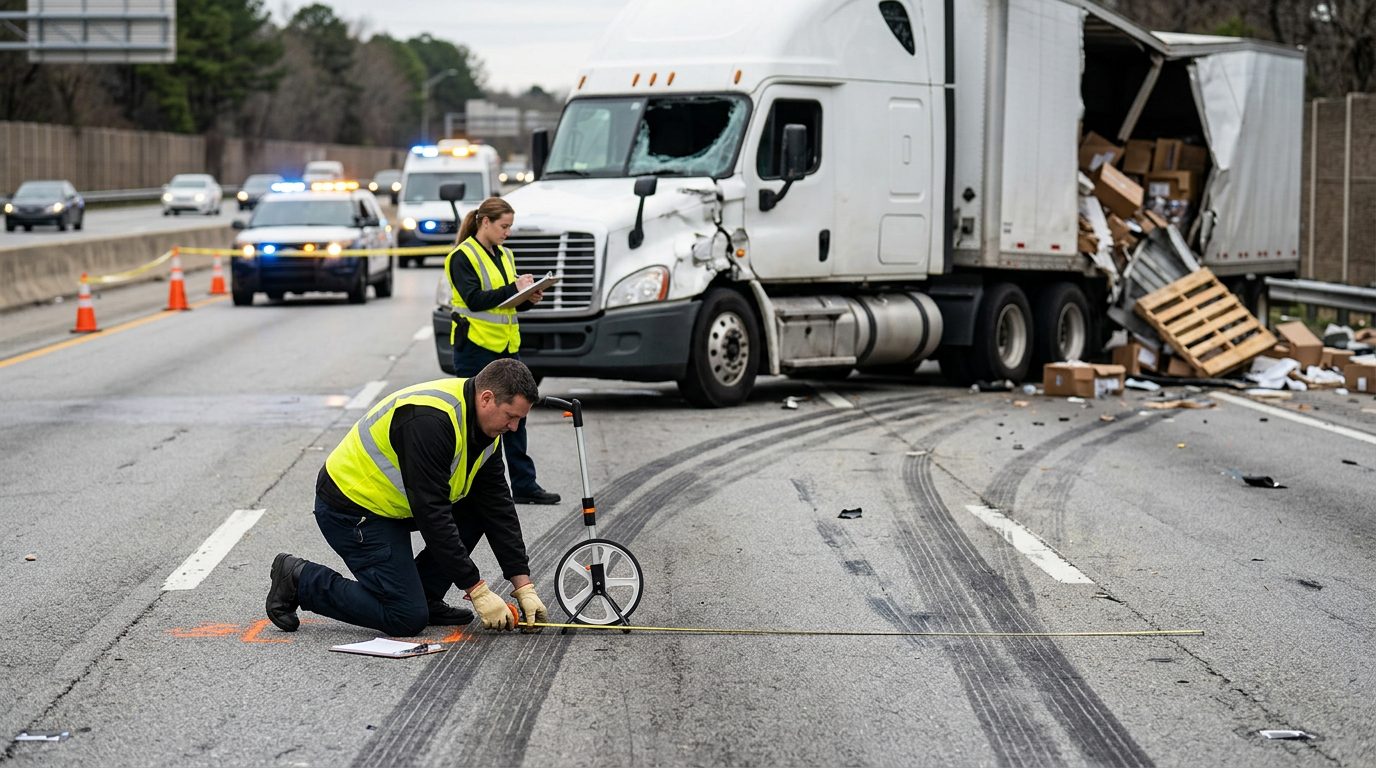
At the scene, responders photograph and measure vehicle positions, damage patterns, skid marks, and road conditions. They note traffic signals, weather, lighting, and visibility. Witness statements are recorded, and contact information is collected. The medical examiner or coroner is called to the scene to begin the process of determining cause of death. A police report is filed; Virginia law opens it to inspection by people involved or injured in the crash and their attorneys, among others, and it can become central evidence in a wrongful death investigation.
The speed and thoroughness of this initial documentation matter enormously. Scene conditions change. Vehicles are towed. Witnesses move away or forget details. That’s why what happens in the first hours often determines what evidence will be available later.
The Role of the Police Report in a Wrongful Death Investigation
The police report is the foundational document in any fatal accident case. It typically contains the officer’s observations of scene conditions, vehicle positions, vehicle damage, traffic control devices, weather, and lighting. It includes witness statements, the officer’s assessment of what happened, and often a preliminary determination of fault or citations issued.
But police reports have limits. Not every witness is interviewed. Not every detail is captured. Officers may not have access to specialized equipment like accident reconstruction analysis or vehicle data downloads. Gaps in the police report don’t mean the investigation is incomplete—they mean that independent legal investigation often uncovers facts and evidence the police report misses.
You can obtain a copy of the police report from the police department or sheriff’s office in the jurisdiction where the accident occurred. A wrongful death attorney can help you request it and interpret what it contains and what it doesn’t.
Gathering Evidence at the Accident Scene
Evidence collected at the scene includes photographs and video of vehicle damage, road conditions, traffic signals, sight lines, and the surrounding area. Measurements are taken of skid marks, vehicle positions, and the distance from the impact point to final resting positions. Weather and lighting conditions at the time of the accident are documented.
Traffic control devices—signals, signs, pavement markings—are photographed and their condition noted. Witness statements are recorded in detail while memories are fresh. Cell phone records and dashcam footage, if available, can show what drivers were doing before impact. Security camera footage from nearby businesses or vehicles can provide independent documentation of the accident.
Early scene preservation is critical. Photographs taken immediately after an accident show conditions as they existed at that moment. Measurements are accurate. Witness accounts are detailed and uncontaminated by time or media coverage. Once a scene is cleared and traffic resumes, that evidence is gone forever.
Vehicle Inspection and Mechanical Investigation
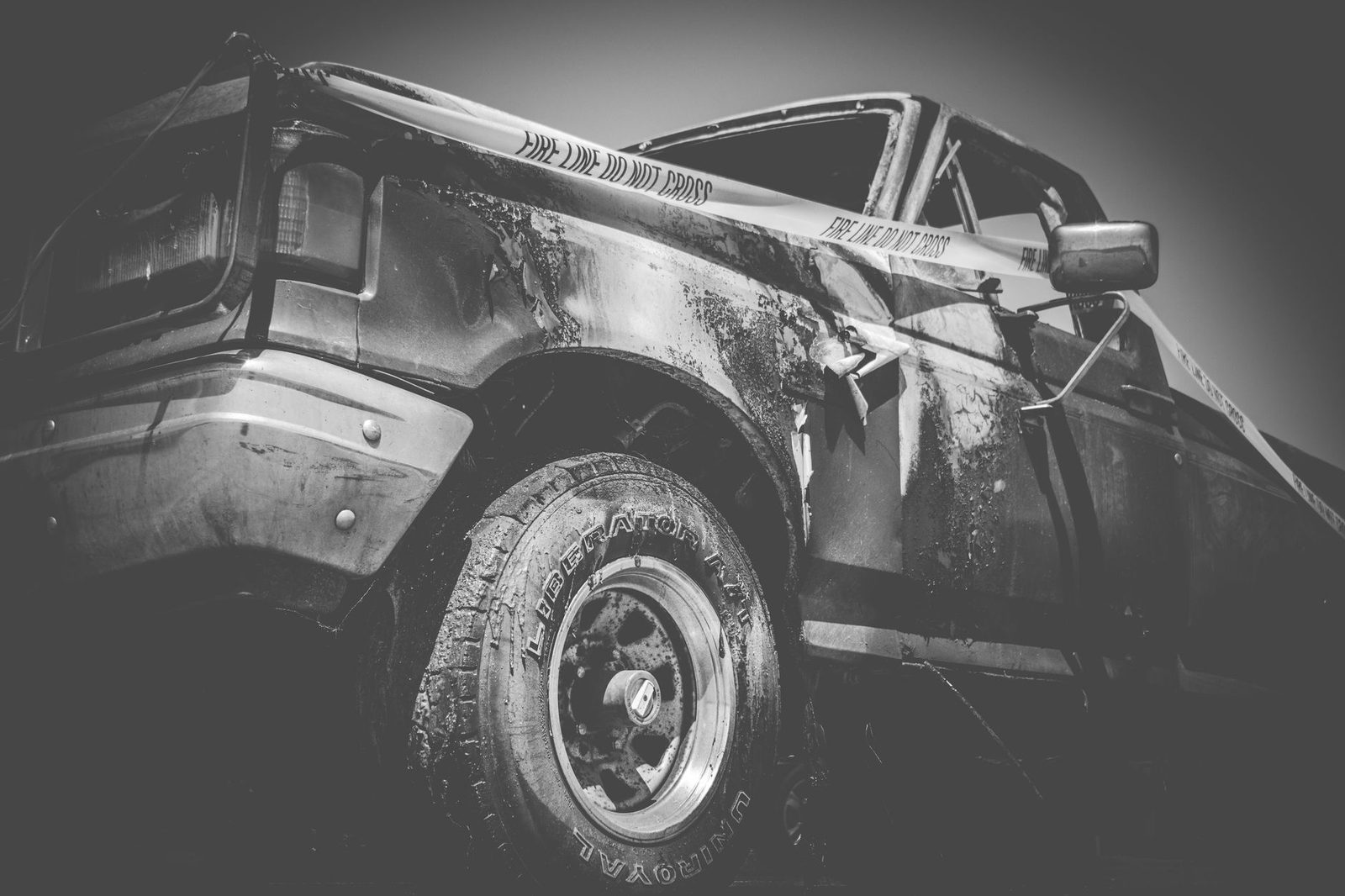
The vehicles involved are inspected to determine the angle of impact, the force of the collision, and the speeds involved before impact. Vehicle damage patterns tell a story: where the vehicles struck, how hard, and from what direction.
For brake failure claims, the brake system is examined. Tire condition and maintenance records are reviewed. For commercial trucks, the investigation goes deeper: maintenance logs, inspection records, weight and cargo documentation, and company compliance records are examined. A truck that wasn’t properly maintained or a driver operating in violation of federal hours-of-service rules can establish negligence independent of the accident itself.
Vehicle defects—manufacturing or design problems—are investigated if they may have contributed to the accident. Mechanical findings either support or refute claims of liability.
Witness Statements and Testimony
Witnesses at the scene are identified and located. Their statements are recorded in detail about what they saw and heard before, during, and after the accident. Witness credibility and perspective are assessed—where were they standing, what was their view, how close were they to the point of impact.
Following up with witnesses quickly is essential. Memories fade within days and weeks. Dashcam and security camera footage from nearby vehicles or businesses can corroborate or contradict witness accounts. Witness testimony can bring out facts that the police report didn’t emphasize.
Not sure what your next step is?
Talk it through with our team — the first case evaluation is free, confidential, and carries no obligation.
Driver and Vehicle Records
The driving history of the at-fault driver is reviewed: prior accidents, traffic violations, and citations. For commercial truck drivers, their commercial driver’s license (CDL) status is verified. Vehicle maintenance and inspection records are obtained. Insurance records and policy limits are identified.
For commercial vehicles, the company’s safety records, driver logs, and federal compliance history are examined. A pattern of violations or poor maintenance can establish negligence and support a stronger claim.
Accident Reconstruction and Expert Analysis
Accident reconstruction experts use physics, vehicle dynamics, and impact data to determine what happened. They analyze vehicle speeds before impact, sight lines, reaction time, and the sequence of events. Computer modeling and simulation can show how the accident unfolded.
Reconstruction findings establish causation: what caused the accident and who was responsible. These findings are often the most persuasive evidence in a wrongful death claim because they are grounded in physics and data, not opinion or bias.
Medical Examiner and Autopsy Findings
The medical examiner determines the cause of death and conducts an autopsy if needed. Injuries and trauma are analyzed. Toxicology results—tests for alcohol, drugs, or medications—are obtained. Autopsy findings establish how the accident caused the fatal injury, which is essential to proving that the defendant’s actions directly caused the death.
Autopsy reports and medical records are obtained by your attorney and become part of the evidence supporting your claim.
Grounds for a Wrongful Death Claim in Virginia
Under Virginia Code § 8.01-50, a wrongful death claim arises when someone dies due to another person’s negligence or wrongful act. Negligence requires four elements: a duty of care, a breach of that duty, causation (the breach caused the death), and damages (harm to the family).
Common grounds in car and truck accidents include speeding, reckless driving, impaired driving, distracted driving, failure to yield, mechanical failure, and driver fatigue. In commercial truck cases, violations of federal safety regulations or company negligence can establish liability.
Virginia follows contributory negligence: if you are found even partly at fault, you may be barred from recovering, with limited exceptions. Talk to a lawyer about your facts. The facts of your accident—the driver’s actions, the road conditions, the vehicle’s condition, and what witnesses saw—determine whether negligence occurred. Under Virginia’s contributory negligence rule, the parties’ negligence is not compared, and a plaintiff’s own negligence that was a proximate cause of the accident bars recovery; how this applies depends on the facts, so you should discuss your family’s circumstances with an attorney.
The Statute of Limitations for Wrongful Death in Virginia
A wrongful death claim in Virginia must generally be filed within two years from the date of death, under Virginia Code § 8.01-244. However, exceptions exist; some claims carry notice requirements that run out sooner. This deadline is strict, and missing it bars the claim.
The personal representative of the deceased’s estate—the executor or administrator—is the party to the lawsuit, though family members work closely with that representative and their attorney. Early legal consultation protects your claim and ensures the deadline is met.
If you've lost a loved one in a fatal car or truck accident in Virginia, you're facing an overwhelming situation—and many families in your position reach out to understand what happens next and what their rights are. Talk it through with our team — the first case evaluation is free, confidential, and carries no obligation.
Who Investigates and Who Can File a Wrongful Death Claim
Police and law enforcement conduct the initial investigation and file a report. Insurance companies conduct their own investigation to assess liability and damages. A wrongful death attorney investigates on behalf of the family and the estate, often uncovering facts and evidence police reports miss.
The personal representative of the deceased’s estate is the party to the lawsuit. Family members work with the personal representative and their attorney to pursue the claim. Independent legal investigation is often more thorough than police investigation because attorneys have access to specialized experts, discovery tools, and the time to pursue every lead.
What Damages Can Be Recovered in a Wrongful Death Case
Damages in a Virginia wrongful death case may include the family’s sorrow and loss of solace, loss of the deceased’s income and services, the deceased’s medical care and hospital expenses, and funeral expenses. Punitive damages—which may be recovered for willful or wanton conduct, or such recklessness as evinces a conscious disregard for the safety of others—are capped at $350,000 total under Virginia Code § 8.01-38.1.
Damages vary based on the facts and circumstances of each case. A thorough investigation strengthens the damages claim by documenting the full scope of the family’s loss and the defendant’s conduct.
Why a Thorough Investigation Matters to Your Claim
Investigation establishes liability and causation—the foundation of any wrongful death claim. Evidence collected early is preserved and more reliable than evidence gathered months later. Witness memories fade; early statements are more detailed and accurate. Scene conditions change; photographs and measurements document what was there at the time of the accident.
A complete investigative record supports settlement negotiations and, if necessary, trial. Gaps in investigation can weaken a claim and reduce the compensation your family receives. That’s why early consultation with a wrongful death attorney is important: it ensures nothing is missed.
Next Steps: When to Reach Out for Help
If you’ve lost a loved one in a fatal car or truck accident in Virginia, you may wish to speak with a wrongful death attorney who can guide the investigation, preserve evidence, and explain your family’s rights under Virginia law. Many families in your situation reach out within weeks or months of the accident to understand what happened and what options are available.
There is no obligation to move forward immediately, but early consultation protects your claim and ensures the two-year filing deadline is met. Correll Law Firm handles wrongful death claims from fatal car and truck accidents across Virginia, from the Shenandoah Valley to Richmond and Henrico County.
No attorney’s fee unless we win. Clients may remain responsible for costs accrued in the case.
Related practice areas
- Wrongful Death Claims from Car and Truck Accidents in Virginia
- Wrongful Death in Richmond
- Wrongful Death in Henrico County
- Wrongful Death Claims After Fatal Crash | Virginia