
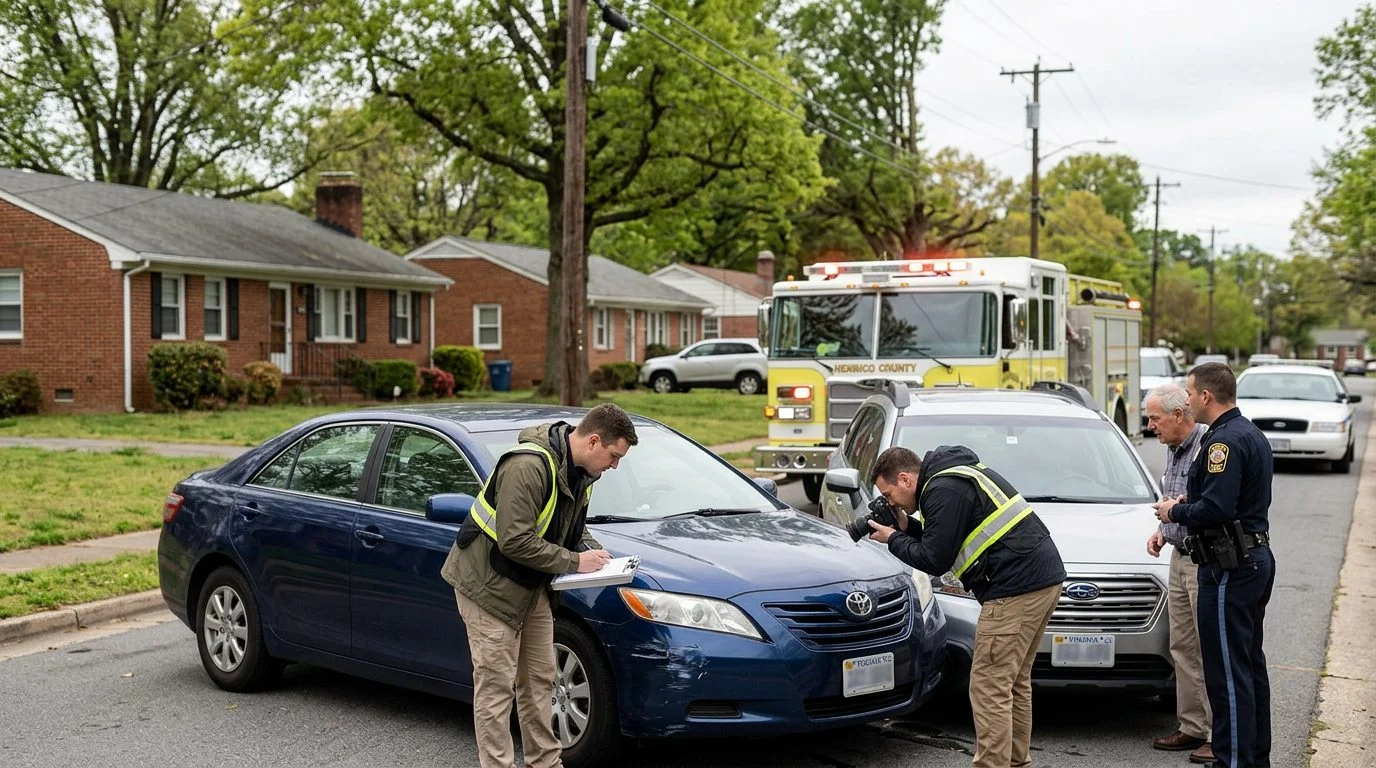
Car Accidents | Winchester, Harrisonburg and Virginia
Fault Questions After a Minor Virginia Crash, Answered
A fender-bender with little visible damage can still leave you with unclear facts, disputed blame and paperwork you did not expect.
Published November 23, 2026
After a minor crash, it’s natural to wonder who caused it, especially when no officer came to the scene. In Virginia, whether a crash must be reported and who was at fault are two separate questions. Fault is decided by how the crash happened, not by whether police came or wrote a report.
This page explains what makes an accident non-reportable in Virginia, what evidence usually matters for fault, and when a minor crash can raise questions about injury or death.
What Makes an Accident Non-Reportable in Virginia?
Under Va. Code § 46.2-894, a driver’s duty to stop immediately and report reaches not only crashes that injure or kill someone but also crashes that damage attended property. A non-reportable accident is generally one that falls outside that duty.
Virginia requires a driver involved in a crash with injury or death to stop and report it to police immediately (Va. Code §§ 46.2-371, 46.2-894).
Under Va. Code § 46.2-894, the driver of any vehicle involved in an accident in which a person is killed or injured or in which an attended vehicle or other attended property is damaged must stop as close to the scene as possible without obstructing traffic. The driver must also report his name, address, driver’s license number and vehicle registration number forthwith to the State Police or local law enforcement, or to the person struck and injured (if that person appears capable of understanding and retaining the information), the driver or other occupant of the vehicle collided with, or the custodian of other damaged property. If injuries prevent the driver from complying, the driver must make the report as soon as reasonably possible.
A willful failure to report under Va. Code § 46.2-371 is a Class 4 misdemeanor.
The reporting duty under Va. Code § 46.2-371 applies to any accident resulting in injury to or death of any person and is about giving immediate notice of the accident to a law-enforcement officer. It says nothing about who caused the crash.
If a minor crash has left you hurt or unsure who is responsible, the firm is glad to talk with you about the facts of your situation. Talk it through with Correll Law Firm — we can walk you through how a situation like yours is usually handled and what your options are.
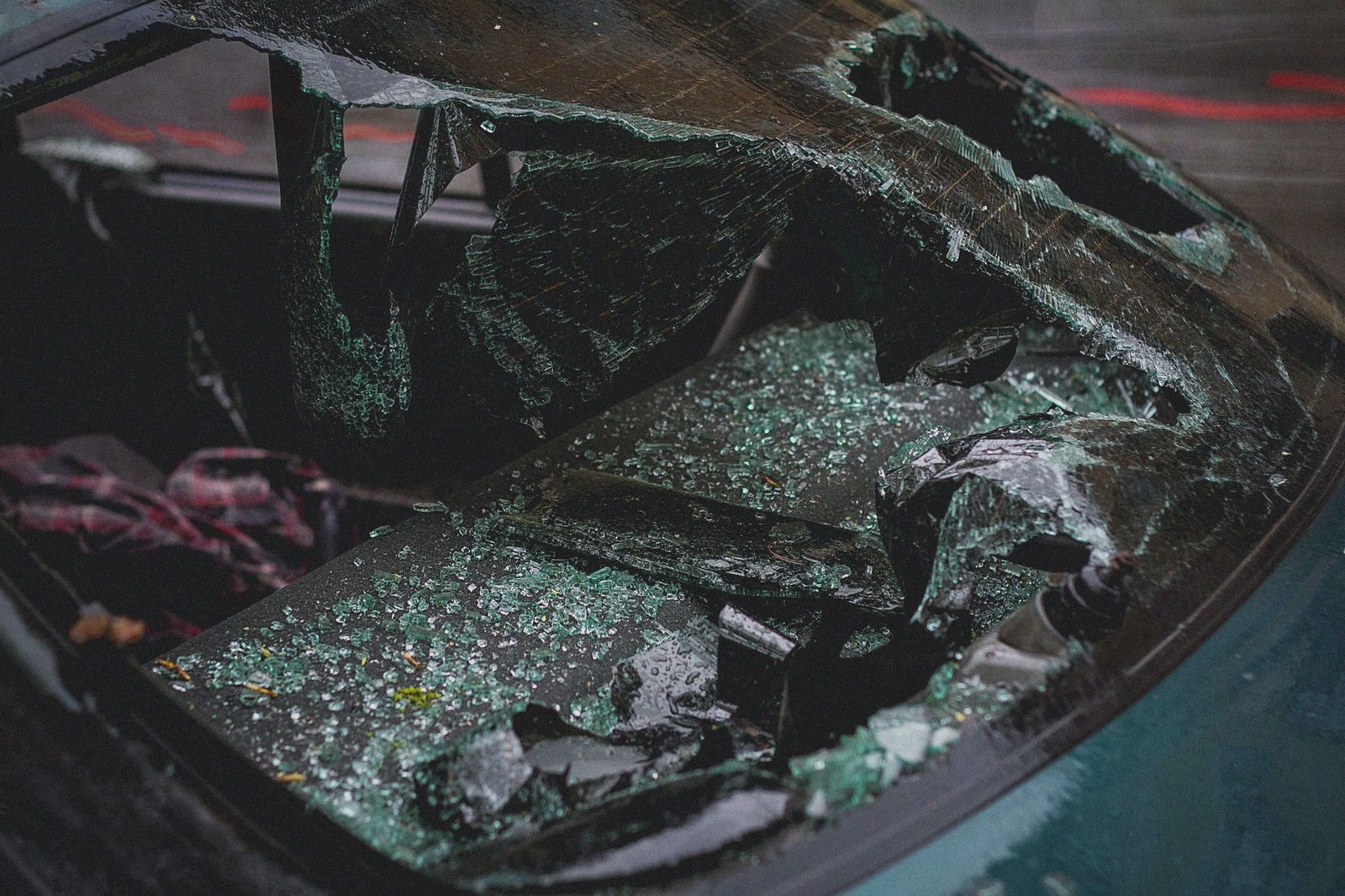
What a Police Report Can and Cannot Show
A police report is one piece of evidence, and drivers, witnesses and investigators may describe the same crash in different ways. Fault depends on how the crash happened, and the facts answer that question whether or not a report exists.
A missing police report means the fault question is answered from other evidence. It does not mean nobody was at fault. The absence of a report does not, by itself, favor either driver.
The Evidence That Usually Shapes Fault in a Minor Crash
Fault in a minor crash usually turns on physical facts, recorded evidence and each driver’s movements. Photos are often the most useful starting point. They can show where each vehicle came to rest, the damage pattern, and the lane markings, signs and signals nearby.
Road and weather conditions, the time of day, and the order of each vehicle’s movements help show how the crash unfolded.
Witnesses matter too. Write down their names and how to reach them. A passenger or a driver in another lane may have seen the lead-up. Dashcam or phone video, if it exists, can show details that memory cannot.
Statements each driver gave at the scene also count. Accounts can change over time, so what was said at the scene can be examined later.
The question is what a careful driver would have noticed before impact.
Imagine two cars that touch while one changes lanes on a Winchester road in heavy traffic. Photos of the damage, the lane markings and a witness’s account of the turn signal might matter more than who speaks first.
What Happens When Both Drivers Share Some Blame
When both drivers may share blame, Virginia’s partial-fault rule becomes the central question.
Virginia follows contributory negligence: if you are found even partly at fault, you may be barred from recovering, with limited exceptions. Talk to a lawyer about your facts.
Because that test turns on proximate cause, the exact sequence of events matters. A driver who thinks they may share fault should look closely at those facts before deciding what they mean.
When a Minor Crash Turns Out to Involve Injury
A crash that seemed minor can later turn out to involve an injury. A driver may feel fine at the scene and still be hurt.
Virginia generally allows two years from the date of injury to file a personal injury lawsuit (Va. Code § 8.01-243(A)); the clock runs from the date of injury, not the date of discovery, with narrow exceptions.
Waiting to see how symptoms develop can cost valuable time. Some claims also carry notice requirements that run out sooner than the filing deadline, so timing deserves early attention.
Keep records of every medical visit, and note the date symptoms began. Those dates often become part of the story of how an injury happened.
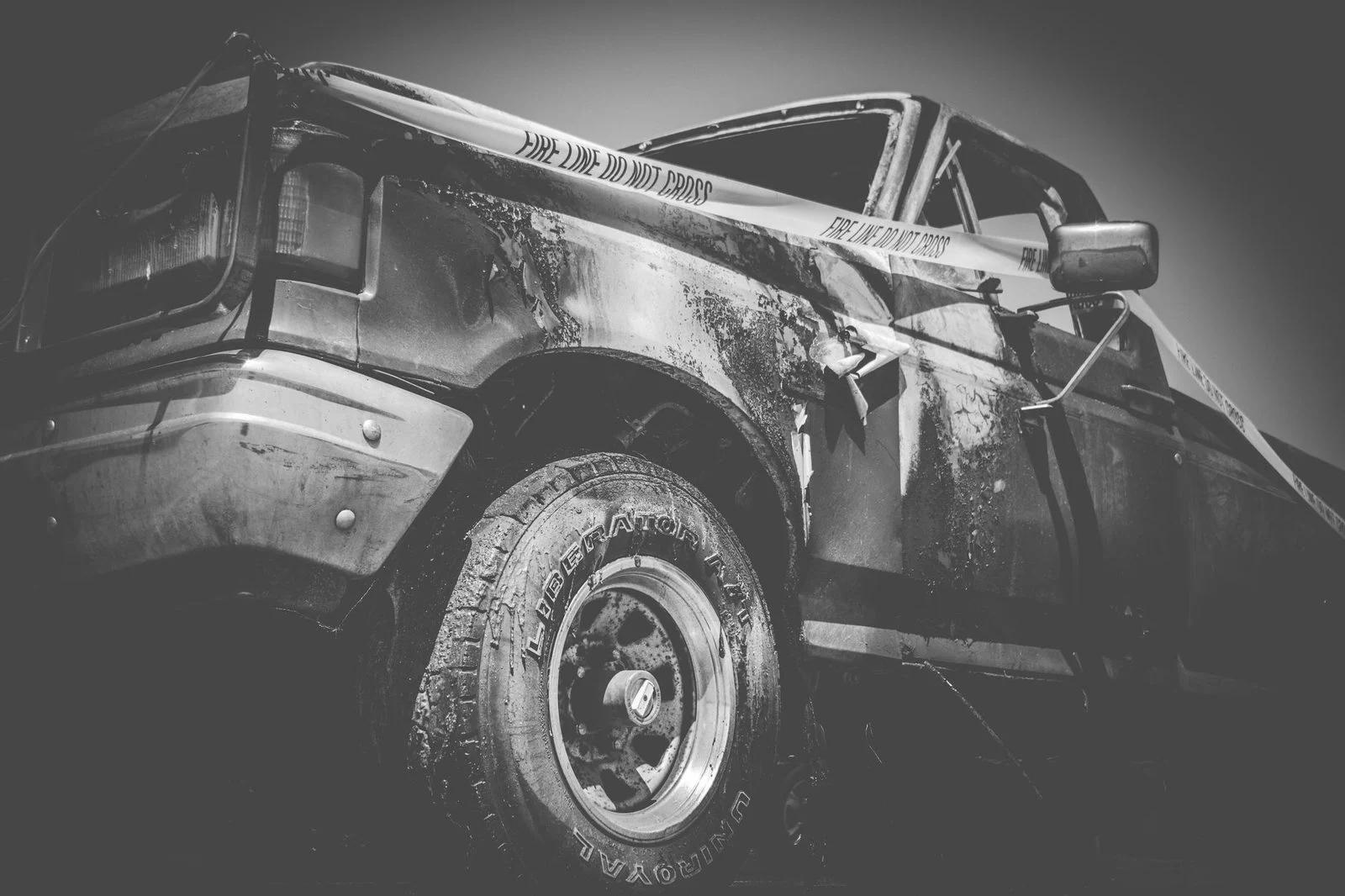
Wrongful Death When a Crash Causes a Death
A crash that causes a death falls under Virginia’s immediate stop-and-report duty and may lead to a wrongful death claim.
A Virginia wrongful death action is filed by the decedent’s personal representative within two years of the death (Va. Code §§ 8.01-50(C), 8.01-244(B)), on behalf of the family members the statute protects.
Family members do not file the case on their own. They share in any recovery.
The wrongful death statute, Va. Code § 8.01-50, allows an action when the wrongful act would have supported a suit had the injured person lived.
For the wider subject of wrongful death and car and truck accidents, see the firm’s overview of those topics.
Do I have to report a car accident in Virginia if no one was hurt?
A crash with no injury can still fall under the stop-and-report rule, because Va. Code § 46.2-894 also reaches accidents in which attended property, such as an attended vehicle, is damaged.
Can I still have a claim if the other driver says the crash was my fault?
A driver’s accusation does not decide the question. The answer depends on the facts and evidence of how the crash happened.