
Wrongful Death
Wrongful Death Damages in Virginia
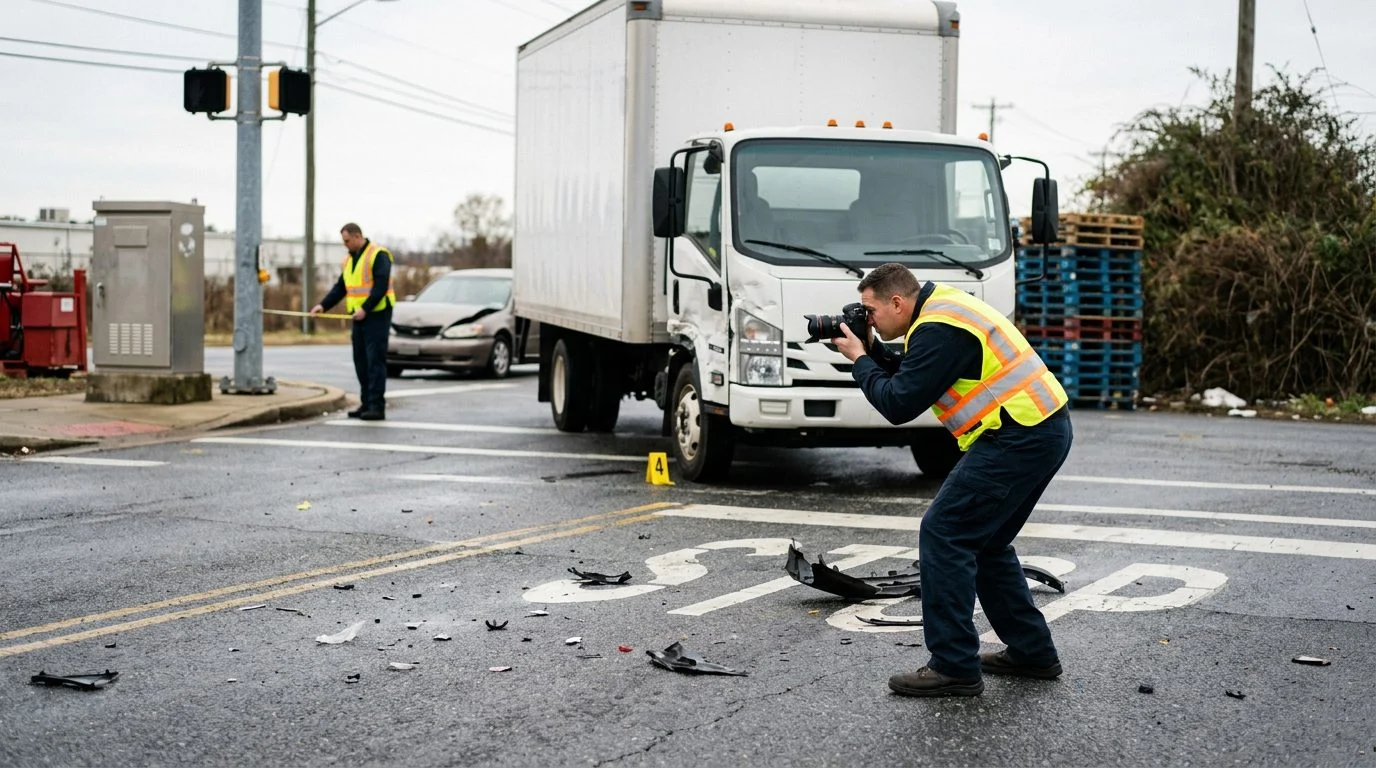
When a fatal crash or catastrophic injury takes a loved one, Virginia law allows surviving family members to pursue damages. Correll Law Firm helps families in the Shenandoah Valley, Richmond, and beyond understand their rights and recover what the law allows.
Published October 03, 2026
Wrongful Death Damages in Virginia: What Families Can Recover
When a loved one dies in a car or truck accident caused by someone else’s negligence, Virginia law allows a wrongful death claim to seek financial compensation for the surviving family’s losses. Understanding what damages are available—and who can recover them—is the first step toward protecting your family’s financial future.
If someone you love was killed in a car or truck accident, you may have the right to seek financial recovery for your family's losses—and many families in your situation reach out to discuss what that means.
What Is Wrongful Death in Virginia?
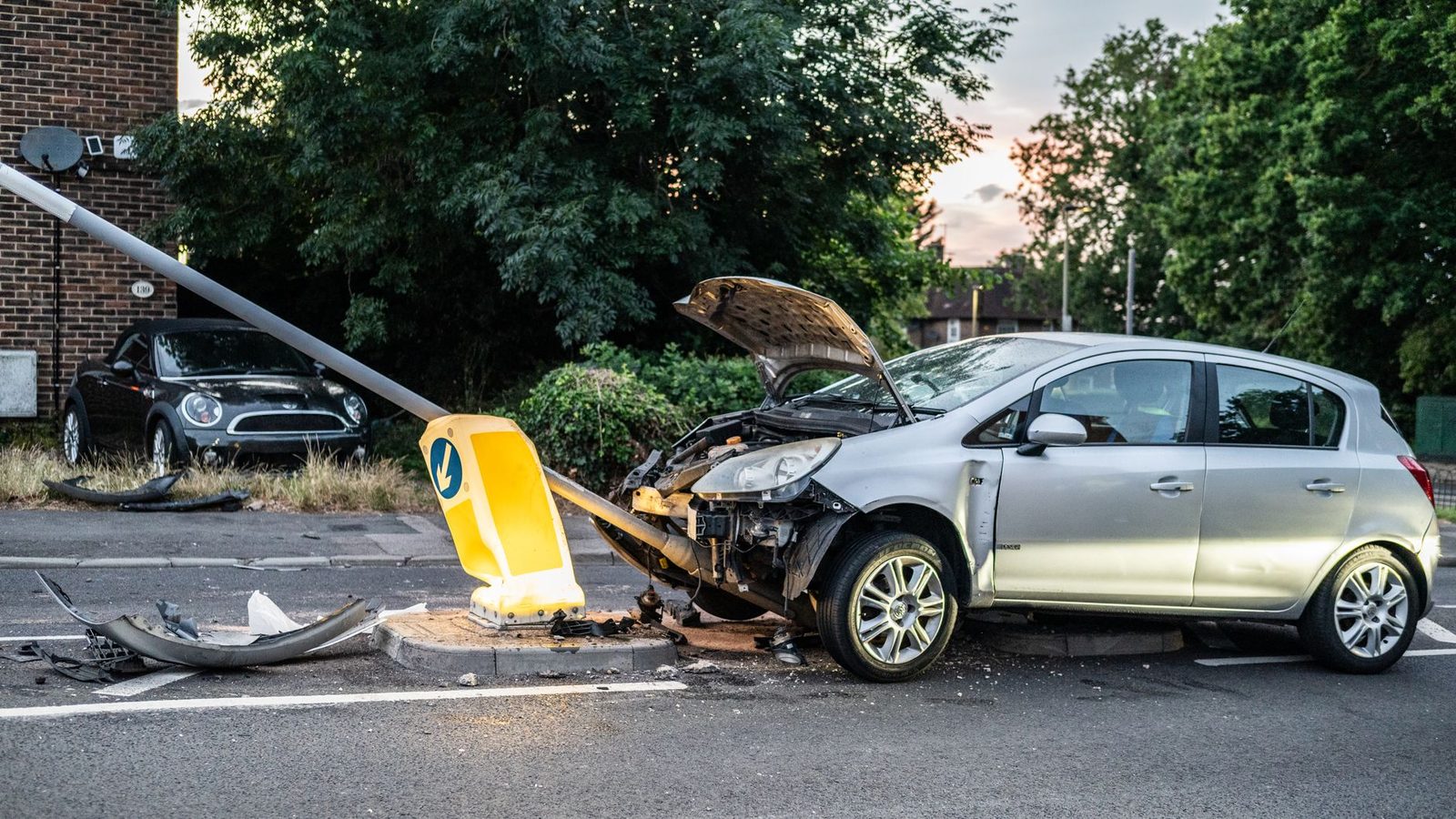
A wrongful death claim is a civil lawsuit brought when someone dies as a result of another person’s negligent or wrongful act. Under Virginia Code § 8.01-50, the personal representative of the estate of the person who died brings the claim against the responsible party, and the damages recovered for the financial and emotional impact of that death go to the surviving family members the law names (Va. Code § 8.01-53).
Wrongful death claims are distinct from criminal prosecution. A wrongful death lawsuit is a civil matter—it doesn’t result in jail time for the defendant, but it does seek to compensate the family for documented losses. Vehicle accidents (car, truck, and commercial vehicle crashes) are among the most common causes of wrongful death claims in Virginia.
Who Shares in a Wrongful Death Recovery in Virginia?
Not everyone automatically shares in a wrongful death recovery. Virginia law sets out which family members share in a recovery, starting with the surviving spouse, children, and children of any deceased child; parents and other relatives may share in some circumstances:
- Spouse of the deceased
- Children of the deceased, including adult children
- Parents of the deceased, in the circumstances the statute sets out
The personal representative—typically named in the deceased’s will or appointed by a court—has the legal authority to file the lawsuit and manage the case on the family’s behalf.
Types of Damages Recoverable in a Virginia Wrongful Death Case
Virginia law recognizes three main categories of damages in wrongful death cases: economic damages, non-economic damages, and punitive damages. Each serves a different purpose and is calculated differently.
Economic Damages: What They Cover
Economic damages compensate for measurable, out-of-pocket financial losses. These include:
- Medical and hospital bills incurred before death
- Funeral, burial, and cremation expenses
- Lost wages and salary the deceased would have earned
- Lost earning capacity over the deceased’s remaining work-life expectancy
- Loss of financial support the deceased would have provided to a spouse, children, or dependents
- Household services the deceased would have performed (childcare, home maintenance, yard work, etc.)
Economic damages are calculated using documented financial records, tax returns, employment records, and expert testimony about earning capacity and life expectancy. The goal is to restore the family to the financial position they would have been in had the death not occurred.
Non-Economic Damages: What They Cover
Non-economic damages compensate the surviving family members for their own emotional and relational losses that don’t have a dollar price tag. These include:
- Loss of companionship and emotional support from the deceased
- Loss of parental guidance, instruction, and nurturing (especially important for minor children)
- Grief, mental anguish, and emotional suffering of surviving family members
Non-economic damages are more subjective than economic damages. They’re determined through testimony about the relationship between the deceased and survivors, the strength of family bonds, and the impact of the loss on daily life. There is no formula—each case depends on the specific facts and the evidence presented.
Punitive Damages: When Available and How They’re Capped
Virginia allows punitive damages for actual malice, or for willful or wanton conduct or recklessness showing a conscious disregard for the safety of others, capped at $350,000 (Va. Code § 8.01-38.1).
Punitive damages aren’t meant to compensate the family; instead, they’re intended to punish the defendant and deter similar reckless conduct. They require proof, by the greater weight of the evidence, that the defendant acted with actual malice or with a willful and wanton disregard of the plaintiff’s rights.
Filing Deadline for a Wrongful Death Claim in Virginia
Time is critical. A Virginia wrongful death action is filed by the decedent’s personal representative within two years of the death (Va. Code §§ 8.01-50(C), 8.01-244(B)), on behalf of the family members the statute protects. Some claims may have notice requirements that run out sooner.
Missing this deadline can bar your claim. This is why prompt action—gathering evidence, documenting losses, and consulting with a lawyer—is essential.
Not sure what your next step is?
Every family’s situation is different, and the damages in any claim depend on the facts of that case.
How Wrongful Death Damages Are Calculated
There is no formula or “average” wrongful death settlement. Each case is unique, and damages depend on individual circumstances:
- Economic damages are based on documented financial records and expert analysis of earning capacity and life expectancy.
- Non-economic damages are determined through negotiation, mediation, or trial, based on evidence about the relationship and the impact of the loss.
- Factors considered include the age of the deceased, earning history, life expectancy, number and age of dependents, and the strength of family relationships.
A lawyer experienced in wrongful death cases will evaluate all these factors and build a case tailored to your family’s specific losses.
What to Expect: The Wrongful Death Claim Process
The process typically unfolds in these stages:
- Initial investigation: Gathering accident reports, medical records, witness statements, and evidence of liability and damages.
- Demand letter: Presenting the case to the at-fault party’s insurance company with a settlement demand.
- Negotiation: Working toward a settlement or preparing for trial if settlement isn’t reached.
- Trial (if necessary): Presenting evidence and testimony to a jury or judge.
- Settlement or judgment: Receiving compensation for the family’s losses.
The timeline varies depending on case complexity, the responsiveness of the insurance company, and whether the case settles or goes to trial. Most cases take several months to over a year to resolve.
Frequently Asked Questions
How long do I have to file a wrongful death lawsuit in Virginia?
Generally two years from the date of death, though some claims may have earlier notice requirements (Va. Code § 8.01-244).
Can I recover if the deceased was partly at fault for the accident?
Virginia follows contributory negligence: if you are found even partly at fault, you may be barred from recovering, with limited exceptions (Williams v. Harrison, 255 Va. 272 (1998)). Talk to a lawyer about your facts. You should discuss your specific circumstances with a lawyer.
What if the at-fault driver was uninsured?
Your own uninsured motorist coverage may apply, or you may pursue a claim directly against the driver.
Who receives the money from a wrongful death settlement?
The personal representative of the estate distributes funds to eligible beneficiaries according to Virginia law.
Can I recover punitive damages?
Only if the defendant acted with malice, or with willful or wanton conduct or recklessness showing a conscious disregard for the safety of others. Under Virginia Code § 8.01-38.1, punitive damages are capped at $350,000 total.
Why Families in the Shenandoah Valley, Richmond, and Beyond Choose Correll Law Firm
Correll Law Firm focuses on serious injury and wrongful death cases arising from car and truck accidents. We handle cases throughout the Shenandoah Valley, Richmond, Henrico County, and surrounding areas from our offices in Winchester and Harrisonburg.
Correll Law Firm has recovered millions of dollars for injured Virginians and their families. No attorney’s fee unless we win. Clients may remain responsible for costs accrued in the case.
If someone you love was killed in a vehicle accident, reach out to discuss what your family may be entitled to recover. We can help your family understand its rights and options.