
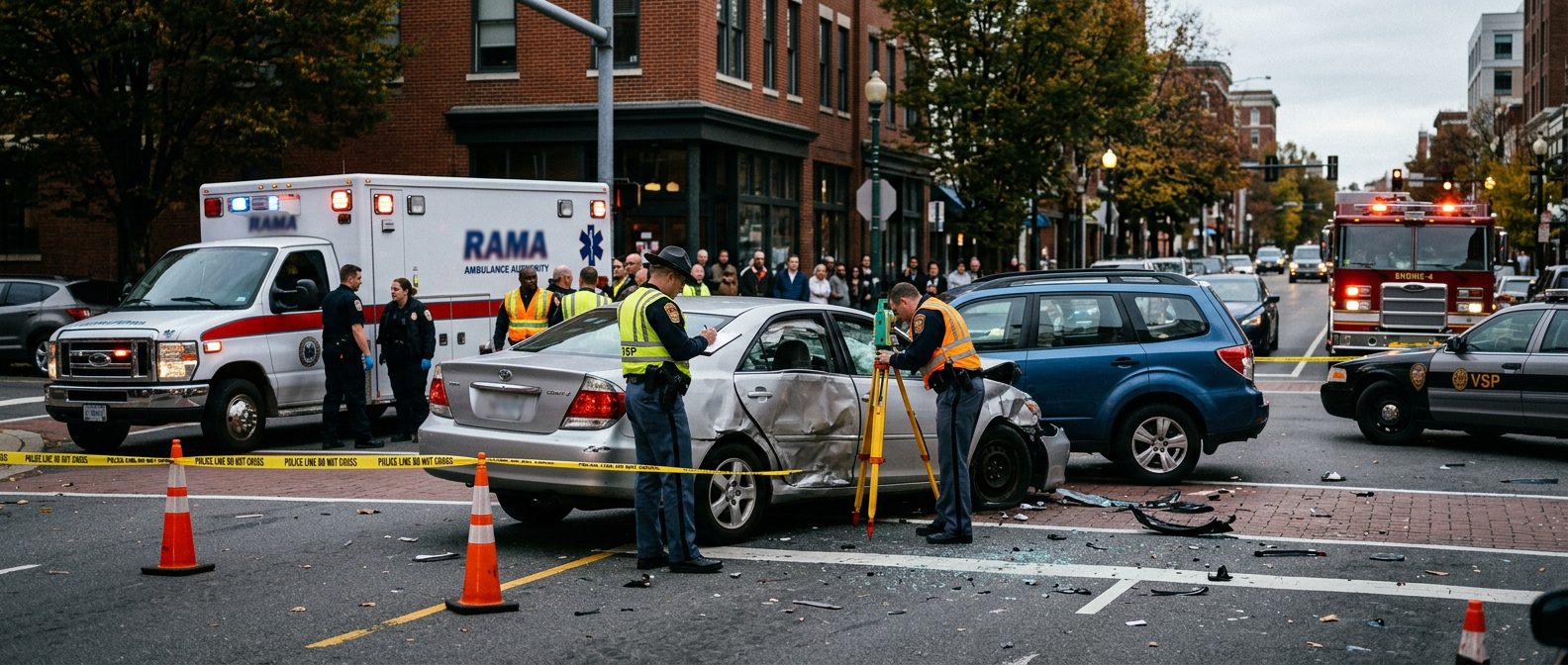
Car Accident Injuries
Broken Bones & Fractures From Car Accidents in Virginia
If you've suffered a fracture in a crash, you may be entitled to recover damages. Correll Law Firm handles broken bone claims across the Shenandoah Valley, Richmond, and Henrico County.
Published October 03, 2026
Broken bones from car accidents are serious injuries that often require surgery, months of physical therapy, and can lead to permanent disability or chronic pain. If you suffered a fracture in a crash caused by someone else’s negligence, you may have a claim for medical expenses, lost wages, and pain and suffering—but navigating that claim while recovering is difficult, and insurance companies often undervalue bone-injury cases.
What Are Broken Bones and Fractures From Car Accidents?
A broken bone and a fracture are the same thing: a break in the continuity of bone caused by sudden, high-impact force. Car accidents generate the kind of violent deceleration and blunt trauma that breaks bones. The steering wheel, dashboard, seatbelt, pedals, and crushing metal all transfer energy directly to your skeletal system.
Fractures fall into two main categories:
- Simple (closed) fractures: The bone breaks, but the skin remains intact. These are still serious but carry lower infection risk.
- Compound (open) fractures: The broken bone pierces or tears the skin. These are more severe, carry high infection risk, and often require emergency surgery.
Severity also depends on whether the fracture is stable (the bone pieces stay in place) or displaced (the pieces are out of alignment and require realignment or surgery). A displaced fracture almost always requires medical intervention and carries greater risk of permanent damage.
If a car accident left you with broken bones or fractures, you may have a claim for medical costs, lost wages, and pain and suffering. Talk it through with our team — the first case evaluation is free, confidential, and carries no obligation.
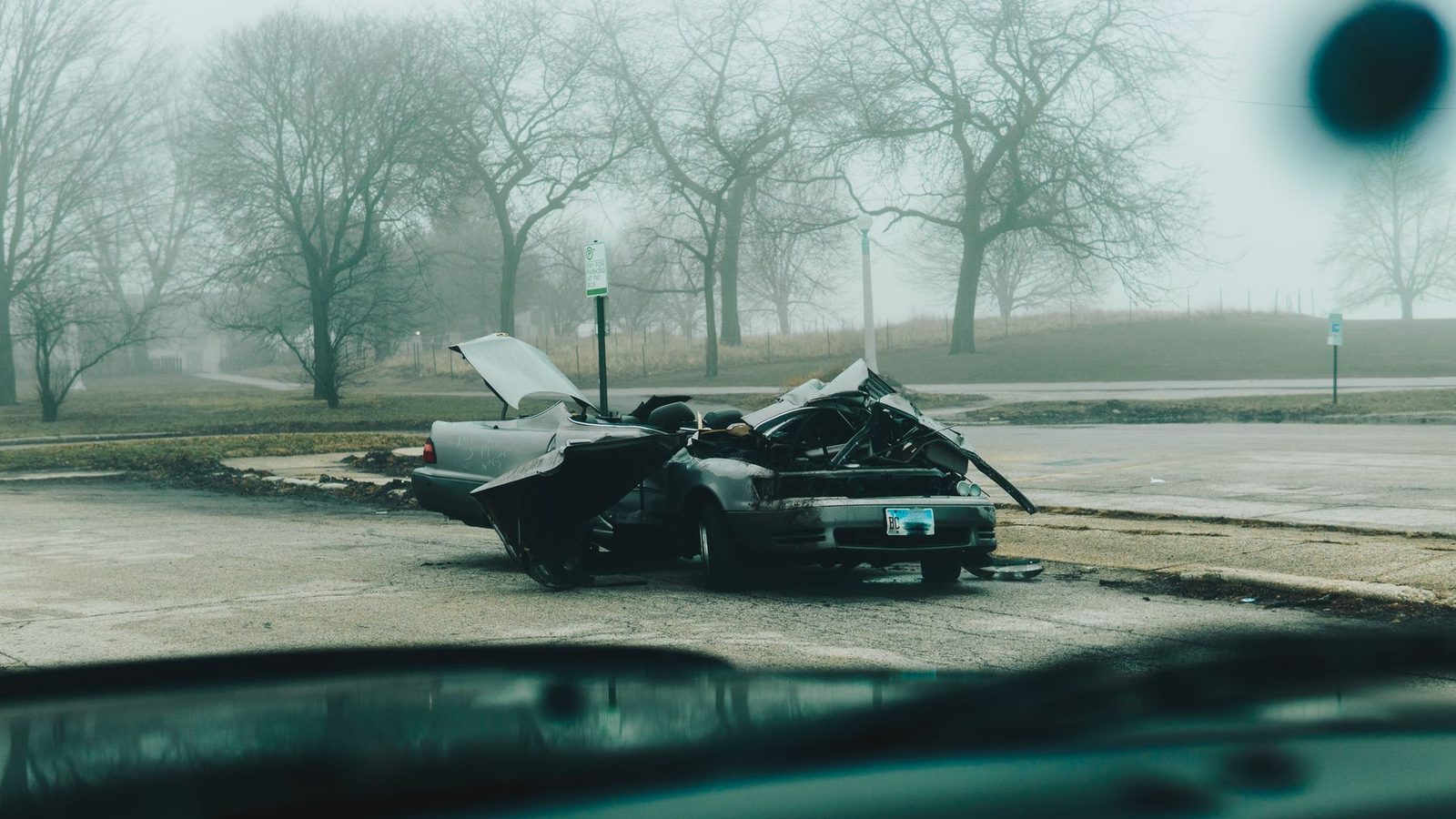
Most Common Bones Broken in Car Accidents
Different bones break depending on where you sit in the vehicle and how the crash occurs.
Ribs are among the most common fractures in car accidents. The steering wheel, seatbelt, or dashboard impact can crack or break multiple ribs. Rib fractures are painful and can take weeks to months to heal; they also carry risk of puncturing the lungs or liver if severe.
Legs and the femur (thighbone) break when the dashboard or pedals crush the lower body, or when the leg is trapped between the seat and the vehicle frame. Femur fractures are particularly serious because the femur is the body’s largest bone and carries major blood vessels; a break can cause life-threatening bleeding.
Arms and wrists often break in defensive injuries—when you brace for impact or try to protect yourself. These fractures can result in permanent weakness, reduced range of motion, or inability to perform fine motor tasks.
Clavicle (collarbone) fractures result from seatbelt force or direct impact to the shoulder. They’re common but usually heal without surgery.
Pelvis fractures occur in high-speed collisions and are classified as catastrophic injuries because the pelvis is central to mobility and protects vital organs. Pelvic fractures often require hospitalization and surgery.
Vertebrae (spine) can fracture from whiplash or direct trauma. Spinal fractures are particularly dangerous because they can damage the spinal cord, leading to paralysis or permanent nerve damage. Even fractures that don’t damage the cord can cause chronic pain and arthritis.
Facial bones and jaw break from airbag deployment, windshield impact, or being struck by debris. These fractures often require reconstructive surgery and can result in permanent scarring or disfigurement.
Is a Broken Bone Considered a Severe Injury?
Yes. Broken bones are classified as serious and often catastrophic injuries. Here’s why:
Long recovery time: Bone healing takes weeks to months; full functional recovery often takes a year or more. During that time, you may be unable to work, care for yourself, or perform daily activities.
Risk of permanent disability: Not all fractures heal perfectly. Some result in chronic pain, reduced mobility, arthritis, or loss of function. A broken leg may leave you unable to walk without pain or assistance. A broken arm may mean you can never return to a job requiring fine motor control or heavy lifting.
Chronic pain and complications: Even after a bone heals, nerve damage, arthritis, or malunion (improper healing) can cause lifelong pain and reduced quality of life.
Psychological impact: Serious bone injuries often trigger anxiety, depression, or post-traumatic stress, especially if the injury limits your independence or career.
The severity of a bone injury depends on the bone type, location, whether it’s simple or compound, whether it’s stable or displaced, and whether other injuries are present. A hairline fracture of the wrist is less severe than a compound femur fracture, but even “simple” fractures can lead to long-term complications.
Recovery and Long-Term Effects of Bone Injuries
Recovery from a broken bone involves multiple stages:
Immediate healing (weeks to months): The bone forms a callus and begins to fuse. You may be immobilized in a cast, splint, or brace. Pain and swelling are severe.
Rehabilitation (weeks to months): Physical therapy helps restore strength, flexibility, and function. Many people experience setbacks or plateaus in recovery.
Full functional recovery (months to years): Even after the bone is healed, you may need ongoing therapy to regain full strength and range of motion. Some people never fully recover.
Long-term risks include:
- Chronic pain and arthritis in the injured joint
- Reduced mobility or permanent loss of function
- Scarring or disfigurement
- Nerve damage causing numbness or tingling
- Psychological effects (anxiety, depression, PTSD)
- Lost wages during recovery and reduced earning capacity if you can’t return to your previous job
Catastrophic injuries can mean years of physical therapy, ongoing medical care, and permanent lifestyle changes—all from injuries caused by someone else’s negligence.
Complex Regional Pain Syndrome and Other Complications
Complex Regional Pain Syndrome (CRPS) is a rare but serious complication of bone injuries. It occurs when the nervous system overreacts to an injury, causing prolonged pain and dysfunction far beyond what the initial fracture would normally cause.
Symptoms of CRPS include:
- Severe, burning pain disproportionate to the injury
- Swelling, skin discoloration, and temperature changes
- Reduced mobility and muscle weakness
- Difficulty with everyday tasks
CRPS is difficult to diagnose and treat. It can be disabling and may require specialized medical care, including pain management, physical therapy, and medication. If you develop CRPS after a bone fracture, your claim can become more complex—and harder to prove without medical evidence and expert testimony.
Other complications of bone injuries include:
- Infection (especially in compound fractures): Requires antibiotics or surgery; can become life-threatening.
- Malunion: The bone heals in an improper position, causing pain, weakness, or loss of function.
- Nonunion: The bone fails to heal and requires surgery or extended immobilization.
- Nerve damage: Permanent numbness, tingling, or weakness.
Early and proper medical treatment is critical to prevent these complications.
What Happens When You File a Claim for Broken Bone Injuries
If you suffered a broken bone in a car accident caused by someone else’s negligence, here’s what the process typically looks like:
Step 1: Seek immediate medical care. Get to an emergency room or urgent care. Broken bones require X-rays, imaging, and often surgery. Document all injuries and treatment.
Step 2: Report the accident and gather evidence. Call police, file a report, and exchange information with the other driver. Take photos of vehicle damage, the accident scene, and your injuries. Get witness contact information. Keep all medical records, bills, and receipts.
Step 3: Consult with a personal injury attorney. An attorney can review your case, explain your rights, and advise whether you have a claim. This is free at Correll Law Firm.
Step 4: Investigation and negotiation. Your attorney investigates liability, obtains medical records and imaging, and communicates with the other driver’s insurance company. The insurer will make an offer; your attorney negotiates on your behalf.
Step 5: Settlement or trial. A case may settle, but if the insurer’s offer is too low, your attorney may prepare your case for trial.
Timeline: How long a bone-injury claim takes depends on the complexity of the injury, how long recovery takes, and whether liability is disputed.
Virginia follows contributory negligence: if you are found even partly at fault, you may be barred from recovering, with limited exceptions. Talk to a lawyer about your facts. If you were partly at fault for the accident, an attorney can review your specific facts and advise you.
Not sure what your next step is?
Talk it through with our team — the first case evaluation is free, confidential, and carries no obligation.
What Damages Can You Recover for a Broken Bone Injury?
Damages in a broken-bone car accident claim may include:
- Medical expenses: Emergency care, surgery, hospitalization, imaging, physical therapy, medications, and ongoing treatment.
- Lost wages: Income lost while you recover and unable to work.
- Reduced earning capacity: If the injury leaves you unable to return to your previous job or forces you into lower-paying work.
- Pain and suffering: Compensation for physical pain, emotional distress, reduced quality of life, and loss of enjoyment of activities you can no longer do.
- Permanent disability or disfigurement: If the fracture results in lasting impairment, scarring, or loss of function.
No specific amount can be promised. Each case is unique and depends on the severity of the injury, the extent of medical treatment, how long recovery takes, the impact on your life and career, and the strength of the liability case. Insurance companies often undervalue bone-injury claims by focusing only on immediate medical costs and ignoring long-term complications, lost earning capacity, and pain and suffering. An experienced attorney knows the value of similar cases and pushes back on low offers.
Why You May Wish to Work With a Personal Injury Attorney for Broken Bone Cases
Broken-bone cases are more complex than they appear:
Medical complexity: Proving causation, long-term effects, and complications like CRPS requires medical records, imaging, and often expert testimony from doctors. Insurance adjusters may dispute whether the fracture was truly caused by the accident or whether your recovery is taking longer than “expected.”
Liability investigation: In multi-vehicle accidents or cases where fault is unclear, determining who was negligent requires accident reconstruction, witness statements, and police reports. An attorney knows how to gather this evidence.
Valuation: Insurance companies have formulas and databases; they know what similar cases are worth. An experienced attorney can counter a lowball offer with comparable cases and medical evidence of long-term impact.
Negotiation: Insurance adjusters are trained to minimize payouts. An attorney levels the playing field and advocates for fair compensation.
Trial readiness: If settlement fails, an attorney prepares your case for court, including organizing medical evidence, retaining expert witnesses, and presenting your case to a judge or jury.
Correll Law Firm handles car accident cases involving serious bone injuries and fractures across Virginia, from the Shenandoah Valley to Richmond and Henrico County.
Frequently Asked Questions
What is the difference between a simple fracture and a compound fracture?
A simple (closed) fracture breaks the bone but leaves the skin intact. A compound (open) fracture breaks the bone and tears the skin, carrying high infection risk and requiring emergency surgery.
How long do I have to file a claim for a broken bone in Virginia?
Virginia generally allows two years from when the cause of action accrues to file a personal injury lawsuit, though some claims carry notice requirements that run out sooner. Talk to an attorney about your specific situation.
Can I recover if I was partly at fault for the accident?
An attorney can review your facts and advise you.
What if the other driver doesn’t have insurance?
Your own uninsured motorist coverage may apply. An attorney can help you pursue all available sources of recovery.
We handle the investigation, negotiation, and legal work so you can focus on recovery.
Schedule a free case evaluation to discuss your injury and next steps.
Related practice areas
- Car Accident Lawyer in Virginia: Serious Injury & Wrongful Death Claims
- Brain Injury from Car Accident: Your Rights & Legal Options
- Car Accident Lawyer in Front Royal, Virginia