
Car Accidents | Shenandoah Valley, Richmond and Henrico County
What Counts as a Serious Car Accident in Virginia?
A plain-language guide to how serious crashes are described, the injuries they can cause, and when the firm's work in car and truck accident cases may be relevant.
Published November 2, 2026
If you are asking what is considered a serious car accident, the short answer is that severity is judged mainly by injuries and how they affect a person over time. Vehicle damage is only one clue. This guide explains what that means in Virginia, in plain terms.
Why there is no single definition of a serious car accident
There is no single test that makes a crash serious. People usually judge severity by the injuries and by how those injuries affect a person over time. Asking what is considered a serious car accident is a fair starting point, but the answer has several parts.
An Insurance Institute for Highway Safety bulletin explains that property-damage liability covers damage to others’ vehicles and property, which is a different part of a policy from bodily injury coverage. A car with little visible damage can still hide a serious injury.
Low-speed or minor-looking crashes can still cause significant harm. Some people feel fine at the scene and notice symptoms days later. Others feel shaken but have no obvious injury. Only a medical evaluation shows how serious an injury is, and waiting to be checked can make it harder to connect later symptoms to the crash. Medical records and the crash itself both matter, and neither one tells the full story alone.
Seriousness is about the whole picture: the injury, the treatment it needs, and the changes it brings to work, family and daily life.
Not sure what your next step is?
Talk it through with Correll Law Firm — we can walk you through how a situation like yours is usually handled and what your options are.

Injuries commonly considered serious
Injuries are commonly treated as serious when they involve the brain or spinal cord, or when they cause long-term loss of function.
Traumatic brain injuries, including concussions and more severe brain injuries, can affect memory, mood, balance and thinking. A person may not link these changes to the crash at first. Spinal cord injuries can affect movement, feeling, and bladder or bowel control, and in some cases they cause paralysis.
Broken bones, internal bleeding, organ injuries, and crush or amputation injuries are also often treated as serious. Their effects depend on where the injury is and how the body heals. A broken bone that heals in weeks and an organ injury that needs long care are very different situations. Medical providers usually describe the full picture only after testing and follow-up.
The firm, which is based in Winchester, handles catastrophic injuries, meaning injuries that cause long-term or permanent loss of function, including traumatic brain injury and spinal cord injury. A full picture of a catastrophic injury can take months or longer to form.
Crash factors that often signal a serious crash
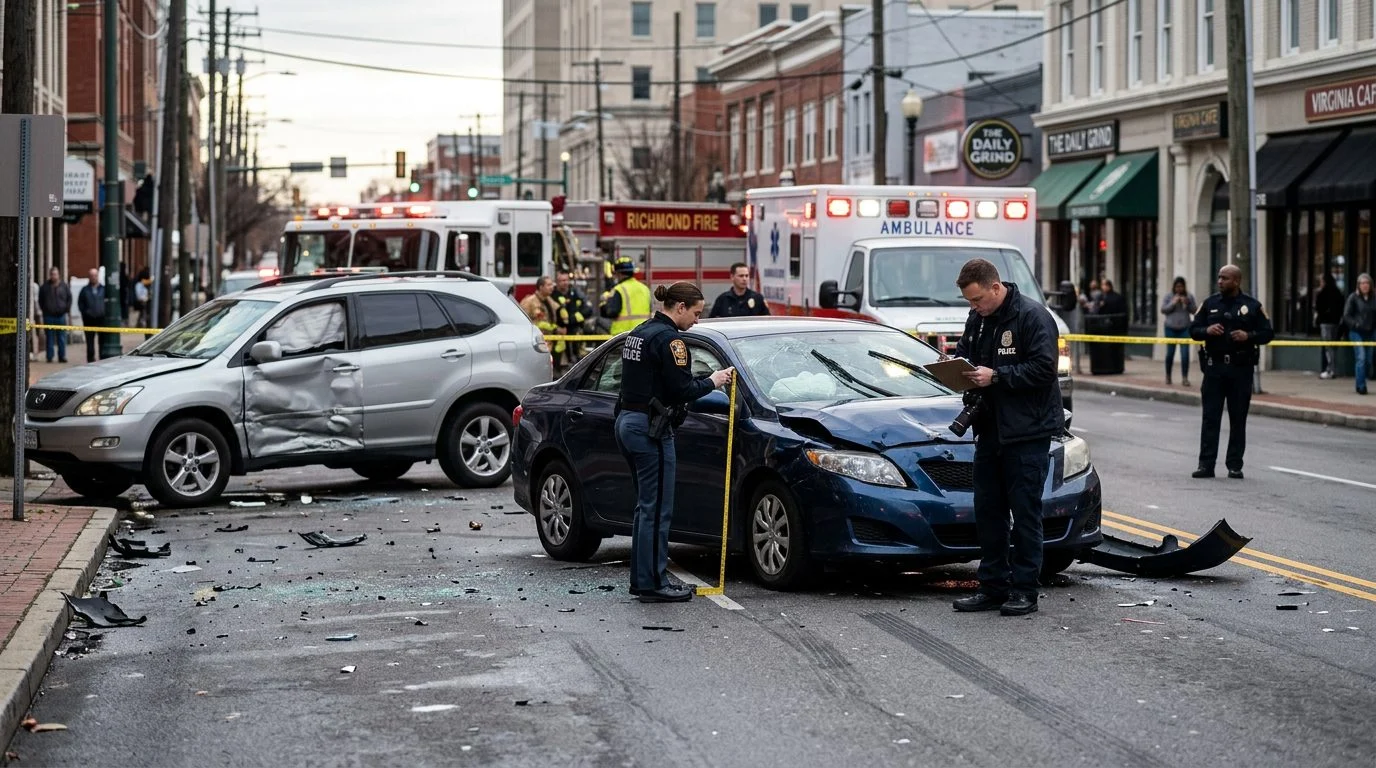
Medical teams and investigators often look at several crash factors when they assess how serious an injury may be. High-speed impacts, rollovers, side impacts, and ejection from a vehicle are among the factors they may review. They also look at whether the passenger area was intruded upon and whether airbags deployed. Speed alone does not tell the story; the direction of impact and the restraints used matter too.
Multi-vehicle pileups and crashes at night or in poor weather can add risk, because several impacts can happen in one event and visibility or traction may be reduced.
Crashes involving commercial trucks or other commercial vehicles often involve heavier vehicles and loads. That size difference can make injuries to occupants of smaller vehicles more severe.
Federal rules add another layer. Hours-of-service limits restrict how long many property-carrying commercial drivers may drive, as set out in 49 CFR § 395.3. Federal drug and alcohol testing rules also apply to commercial drivers, including testing after certain accidents, as the Federal Motor Carrier Safety Administration explains.
How a serious injury affects everyday life
A serious injury can change health, work and family life for months or years. Recovery often includes extended hospital stays, surgery, rehabilitation and follow-up care. Many people lose work time, and some cannot return to the same job or earn the same income. Everyday tasks such as driving, cooking or caring for children may need help from others. Routine tasks can change quickly, and the adjustments can last longer than the medical visits.
Family members often take on caregiving roles. That can bring stress, lost time and extra financial strain that is hard to track later.
Keeping organized records helps show how an injury has changed a person’s life. Log medical visits, medications, therapy sessions, and daily limits, such as tasks you can no longer do without help. Notes made close to the event are easier to rely on than memories months later. Those changes are easier to explain when the records match what a person describes.
What to do after a crash that may be serious
Get medical attention promptly, even when symptoms seem mild, and follow the plan a medical provider recommends. If you take medication or have a condition that matters to treatment, tell the medical provider about it early.
Virginia requires a driver involved in a crash with injury or death to stop and report it to police immediately (Va. Code §§ 46.2-371, 46.2-894). Va. Code § 46.2-371 requires the driver of a vehicle involved in an accident resulting in injury or death to immediately give notice to a law-enforcement officer, and Va. Code § 46.2-894 requires the driver to also render reasonable assistance, including taking an injured person to a physician or hospital when treatment appears necessary or is requested.
Note the date, time and location of the crash, and get the names of any witnesses. Take photographs of the vehicles, the scene and visible injuries when it is safe to do so. Write down what happened while it is still fresh, including any symptoms you notice in the following days. Keep receipts, bills and insurance letters in one place.

How severity connects to timing and legal questions
Virginia generally allows two years from the date of injury to file a personal injury lawsuit (Va. Code § 8.01-243(A)); the clock runs from the date of injury, not the date of discovery, with narrow exceptions. The two-year period is the deadline to file a lawsuit, not to report a crash (Va. Code § 8.01-243).
A negligence claim against a county, city or town is forever barred unless the claimant or their agent, attorney, or representative files a written statement of the nature of the claim, including the time and place at which the injury is alleged to have occurred, within six months after the cause of action accrued, but if the claimant was under a disability when the cause of action accrued, the tolling provisions of § 8.01-229 apply (Va. Code § 15.2-209). Failure to provide that statement does not bar the claim if the locality’s attorney, chief executive, or mayor, or any insurer or entity providing coverage or indemnification of the claim, had actual knowledge of the claim, including its nature and the time and place of the alleged injury, within that same six-month period.
Whether a serious injury leads to a legal claim depends on the facts of the crash, the injuries and the parties involved. Anyone with a serious injury, or a family member affected by a serious crash, may wish to talk with a lawyer to understand their options.
What is considered a serious car accident compared with a catastrophic injury?
The two terms overlap. A catastrophic injury causes long-term or permanent loss of function, while a serious crash may cause injuries that heal over time.
Is a truck crash judged differently?
The same injury-based idea applies, but federal trucking rules and heavier vehicles can add records worth reviewing.