
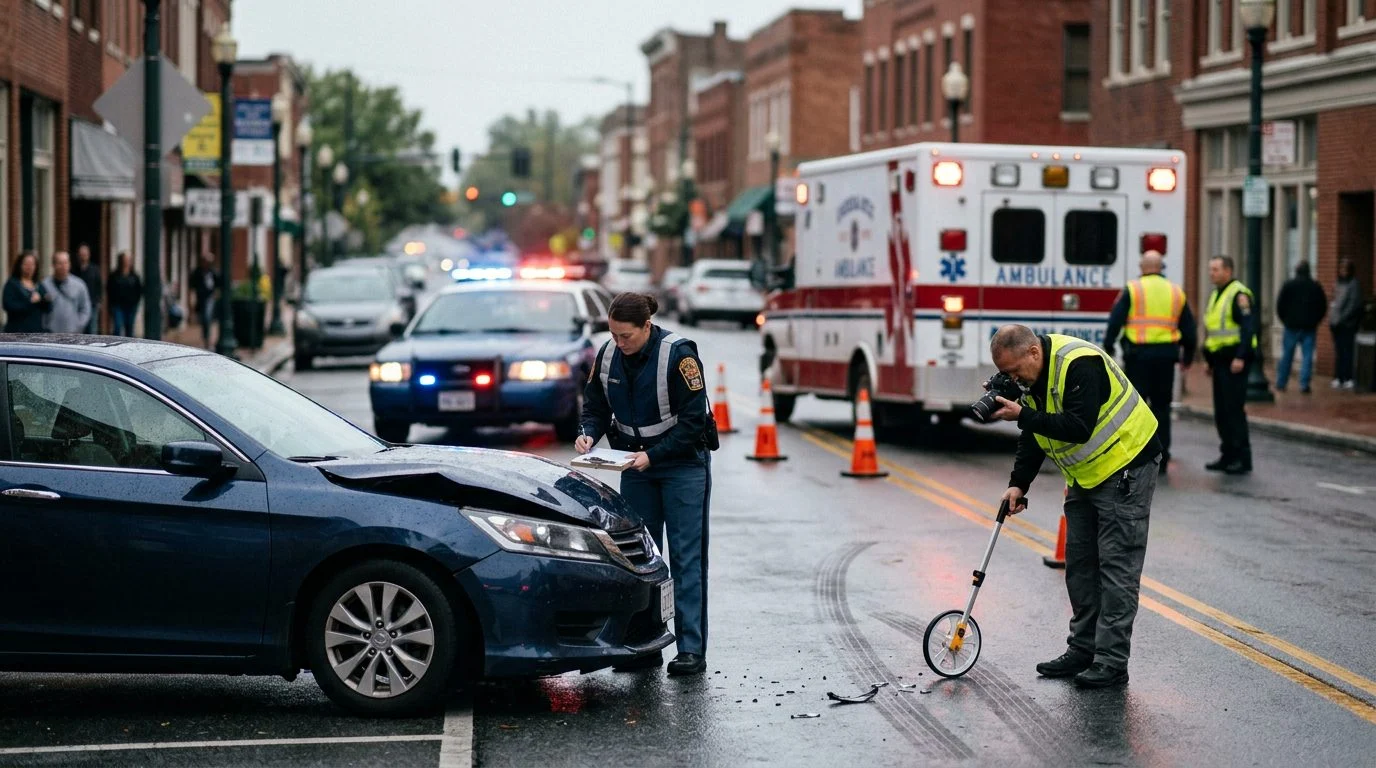
Car Accidents | Shenandoah Valley and Richmond Area
Hurt in a Virginia Car Accident? A Clear Plan Starts Here
A plain-language claims guide from Correll Law Firm on the steps many people take after a crash, how injury and insurance claims often work, and what questions to think about.
Where the firm works
2
Offices in Winchester and Harrisonburg
Virginia
Serving people from the Shenandoah Valley to Richmond and Henrico County
Published November 5, 2026
Car Accident Claims in Virginia: A Guide for the Front Royal Area
A car accident claim is a request for compensation from the person who caused a crash, or that person’s insurer, for losses the crash caused. If you were hurt in a car crash in the Shenandoah Valley or the Richmond area, this guide explains how these claims generally work in Virginia. It covers what a claim can include, how fault and deadlines work, and what the process usually looks like.
If a crash left you or someone you love hurt, you may have a claim, and the firm can offer a free case evaluation to talk through the facts. Talk it through with Correll Law Firm — we can walk you through how a situation like yours is usually handled and what your options are.
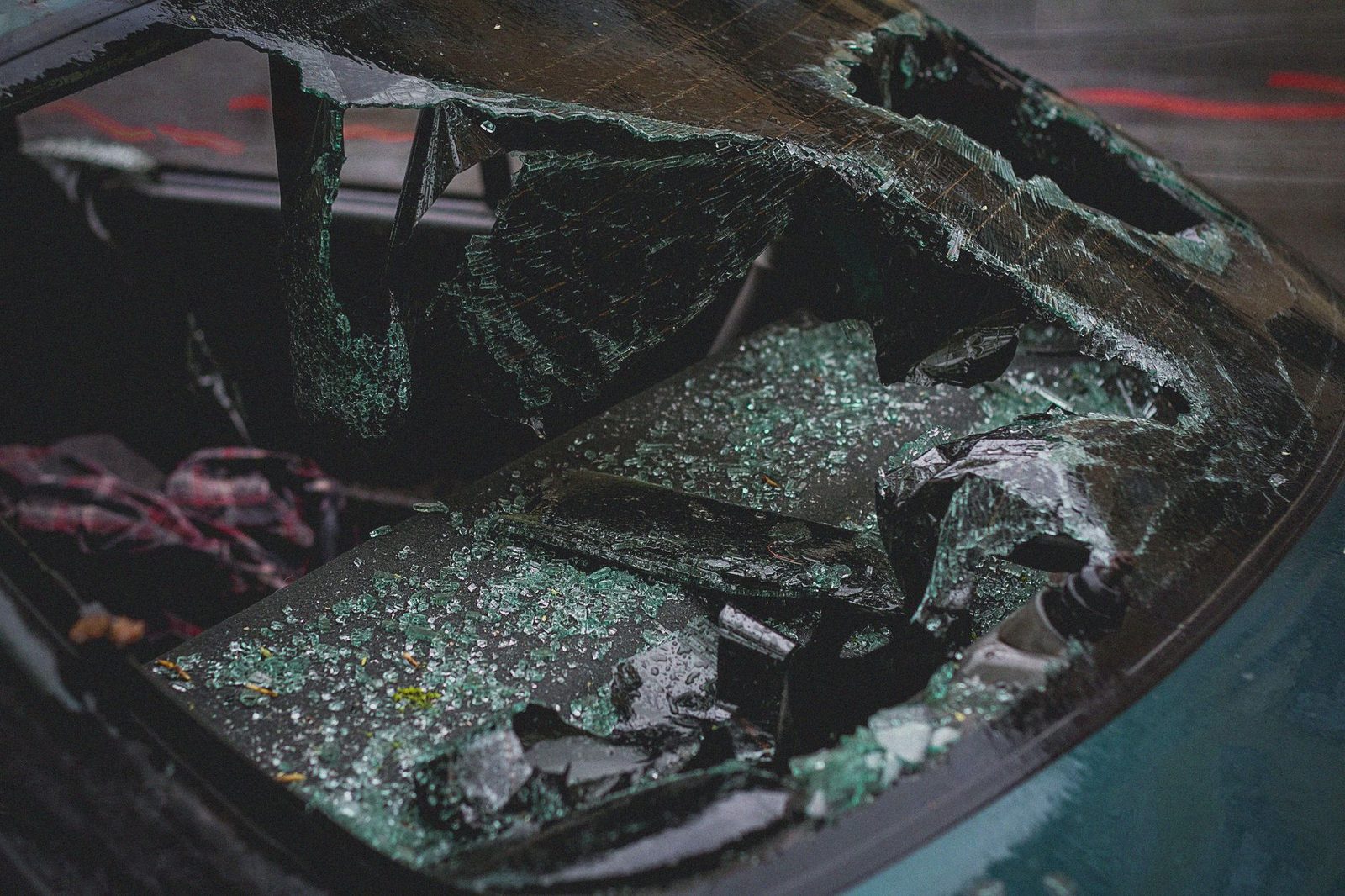
What a car accident claim is and who it is for
A person hurt in a crash caused by another driver’s carelessness may wish to learn how Virginia’s rules on fault and filing deadlines apply to their situation. Drivers, passengers, pedestrians and cyclists can all have claims when another person’s negligence caused the harm. The claim is usually against the at-fault driver or that driver’s insurer.
Some people are hurt even when they did nothing wrong. A claim looks at what happened in the crash, not only at the injury.
Crashes on roads around Front Royal and Warren County, and on routes across the Shenandoah Valley, involve local drivers and people just passing through. The firm’s offices are in Winchester and Harrisonburg. It represents people from the Front Royal area.
What a car accident claim can cover
Keeping records of medical visits, missed work and vehicle damage can help a person understand their situation. Common categories include:
- Medical bills caused by the crash, including care the injury still needs.
- Lost income and any reduced ability to earn in the future.
- Repair or replacement of the vehicle and other damaged property.
- Physical pain and emotional distress that often follow an injury.
The value of a claim turns on the facts of the crash, the injury and the evidence. Virginia follows contributory negligence: if you are found even partly at fault, you may be barred from recovering, with limited exceptions. Talk to a lawyer about your facts.
Keeping a proper lookout is part of safe driving. Police reports, medical records, photos and witness statements are often gathered early, while they are still easy to find.
Crashes involving commercial trucks and commercial vehicles
Crashes with tractor-trailers and other commercial vehicles often involve more parties than a typical car crash.
Some claims also look at how a company chose and supervised its drivers.
Federal rules also apply. Federal hours-of-service rules limit commercial driving time and require rest breaks (FMCSA hours-of-service rules). Except for private motor carriers of passengers (nonbusiness), motor carriers subject to the rules must require drivers to record their duty status for each 24-hour period, and false reports about duty status are prohibited (49 C.F.R. § 395.8). Driver logs, maintenance files and electronic records can be important evidence, so early requests matter.
Brain and spinal cord injuries after a crash
Traumatic brain injury and spinal cord injury are catastrophic injuries that can change a person’s daily life. A brain injury happens when a blow or jolt damages the brain. A spinal cord injury damages the nerves that carry signals between the brain and the body.
Some symptoms are not obvious right after a crash. Following medical advice and keeping every record matters. Many people with these injuries need long-term medical care, rehabilitation and planning for ongoing needs.
Medical records, imaging results and notes from treating medical professionals show how the injury happened and what it requires. A simple journal of symptoms, appointments and missed work can also help show how the injury affects daily life.
Wrongful death after a fatal crash
A family may have a wrongful death claim after a fatal crash, and it is brought differently than an injury claim. A Virginia wrongful death action is filed by the decedent’s personal representative within two years of the death (Va. Code §§ 8.01-50(C), 8.01-244(B)), on behalf of the family members the statute protects. Family members share in any recovery; they do not file the action themselves.
Virginia wrongful death damages cover the family’s sorrow, mental anguish and loss of the decedent’s companionship, guidance and care; lost income and services; medical expenses from the injury; funeral expenses; and, for willful or wanton conduct, punitive damages (Va. Code § 8.01-52).
Virginia allows punitive damages for actual malice, or for willful or wanton conduct or recklessness showing a conscious disregard for the safety of others, capped at $350,000 (Va. Code § 8.01-38.1).
Not sure what your next step is?
Talk it through with Correll Law Firm — we can walk you through how a situation like yours is usually handled and what your options are.
What to expect: the claim process step by step
Most claims follow the same basic steps, from the first meeting to a resolution.
- First meeting. You share the crash facts, your injuries and any paperwork you have.
- Investigation. The firm looks at police reports, medical records, vehicle damage and witness information.
- Documenting losses. Medical treatment and expenses are recorded. Treatment length varies with each injury.
- Negotiation. The firm presents the claim to the insurer and works toward a resolution. If needed, a lawsuit may be filed in court.
- Resolution. The claim ends by agreement or by a court decision.
Timelines vary with the injury, the insurer and the facts. No set schedule applies to every case.
Deadlines and reporting a crash in Virginia
Virginia generally allows two years from the date of injury to file a personal injury lawsuit (Va. Code § 8.01-243(A)); the clock runs from the date of injury, not the date of discovery, with narrow exceptions.
Some claims carry notice requirements that run out sooner, so timing matters early. Wrongful death claims have their own timing rules, covered above.
Virginia requires a driver involved in a crash with injury or death to stop and report it to police immediately (Va. Code §§ 46.2-371, 46.2-894). The steps a driver must take at the scene are described in Va. Code § 46.2-894.
Questions people ask about car accident claims in Front Royal
Here are short answers to common questions about these claims.
Do I need a lawyer after a minor crash?
You may wish to talk with a lawyer even after a crash that seems minor, because some injuries show up later.
What if the other driver’s insurer calls me?
It’s reasonable to be careful about what you say. You may wish to speak with a lawyer before giving a statement.
Can I still have a claim if I was partly at fault?
The partial-fault rule above applies, and the facts decide how it works in your case.
Does it matter where the crash happened?
Where and when the crash happened can affect a claim, so those details matter.
How long does a claim take?
Timelines vary with the injury and the facts, and no set time applies to every claim.

How the firm handles car and truck crash claims
For people in Front Royal looking for a car accidents law firm, the firm is a personal injury firm with offices in Winchester and Harrisonburg. The firm handles:
- Car accidents.
- Truck and commercial vehicle crashes.
- Catastrophic injuries, including traumatic brain injury and spinal cord injury.
- Wrongful death claims.
The firm represents people from the Front Royal area, Warren County, the Shenandoah Valley, Richmond and Henrico County. The firm’s goal is to explain each step in plain language, so clients know what is happening and why. Every crash has its own facts, and the firm looks at yours.