
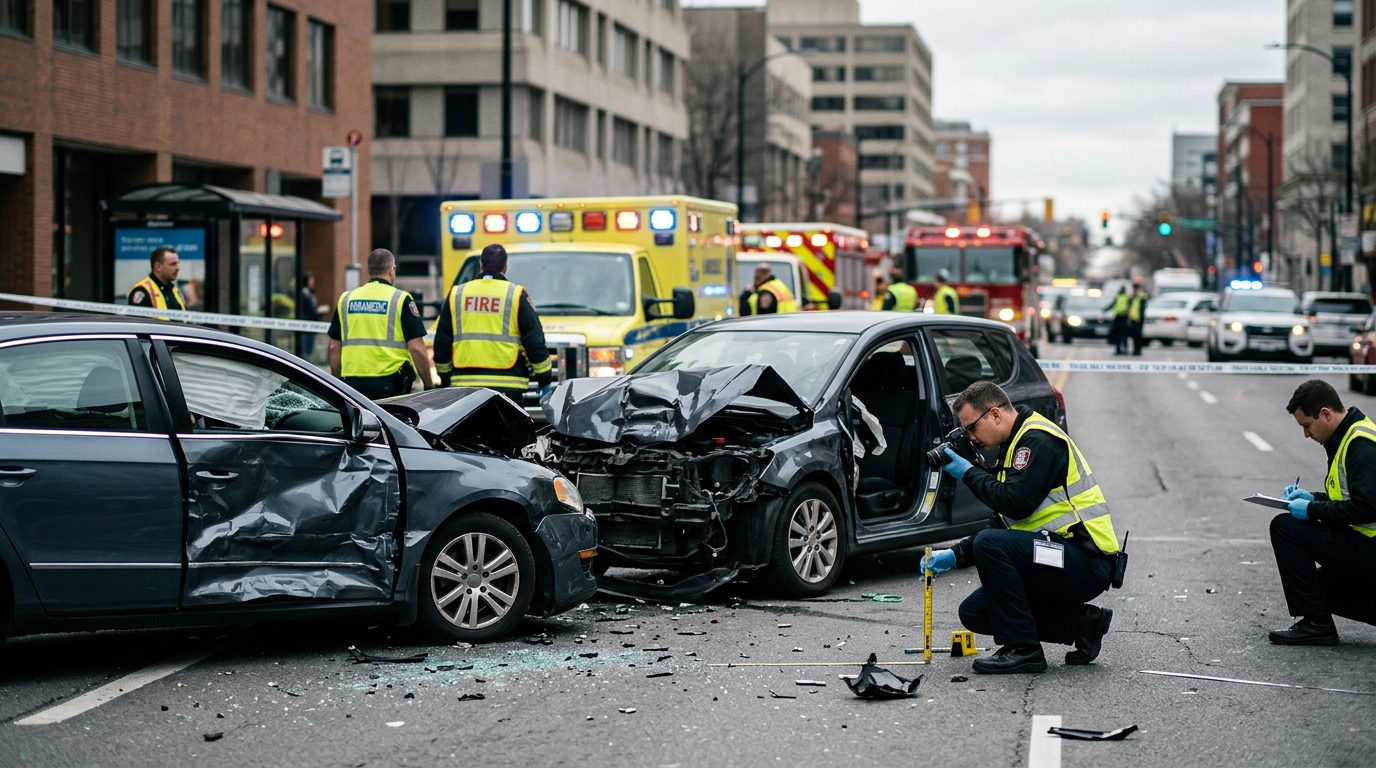
Car Accident Injuries
Multiple Fractures & Crush Injuries from Car Accidents
Serious fractures and crush injuries demand serious legal representation. Correll Law Firm helps injured Virginians and their families recover after devastating car crashes.
Published October 04, 2026
Multiple Fractures and Crush Injuries from Serious Car Accidents: What You Need to Know
Multiple fractures and crush injuries are among the most severe consequences of high-impact car and truck crashes. These injuries involve broken bones, crushed tissue, and internal damage that often require emergency surgery, extended hospitalization, and months or years of rehabilitation. If you or a loved one has suffered these injuries in a Virginia crash, understanding what happened medically and legally can help you make informed decisions about your recovery and your rights.
If you or someone you care for suffered multiple fractures or a crush injury in a serious car or truck crash in Virginia, you may have a claim for damages—and you don't have to navigate the legal process alone.

What Are Multiple Fractures and Crush Injuries?
Multiple fractures mean two or more broken bones sustained in a single traumatic event. A crush injury occurs when tissue is compressed or crushed by an external force—often the vehicle itself, debris, or another object—causing damage that extends far beyond the broken bone.
Crush injuries are particularly serious because the compression can trigger a cascade of medical complications. Compartment syndrome (a dangerous buildup of pressure within muscle tissue) can develop within hours. Rhabdomyolysis (muscle breakdown) releases harmful proteins into the bloodstream. Tissue death and infection are common risks. These conditions can lead to permanent nerve damage, loss of limb function, or in severe cases, amputation.
In car and truck crashes, multiple fractures and crush injuries happen when:
- A vehicle collides head-on or at high speed with another vehicle
- A multi-vehicle pileup traps occupants between vehicles
- A commercial truck, with its weight and force, strikes a smaller vehicle
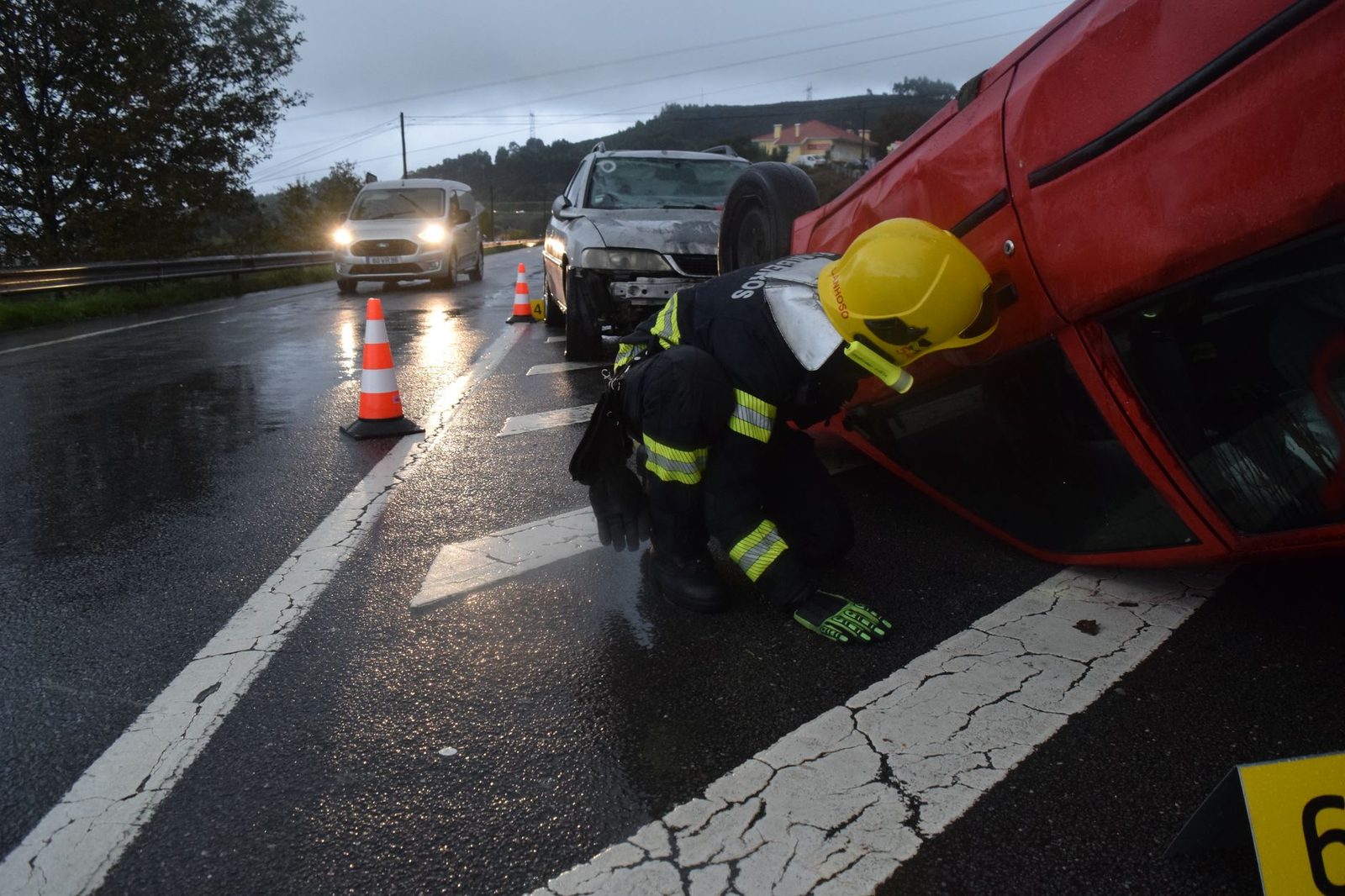
- A vehicle rolls over, crushing the occupants inside
- Occupants are trapped and require extrication by emergency crews
These injuries are classified as catastrophic because they involve complex, prolonged medical treatment; high risk of permanent disability; significant lost income; and lifelong impact on daily activities and work.
Common Causes in Virginia Crashes
Virginia’s major highway corridors—Interstate 81, Interstate 64, and US Route 29—see frequent high-speed collisions. Multi-vehicle pileups, especially in poor weather or heavy traffic, create the compression forces that cause multiple fractures and crush injuries. Commercial truck accidents carry particular risk because of the weight differential: a fully loaded commercial truck weighs far more than a passenger car. Rollover accidents, head-on collisions, and accidents requiring extrication (fire department removal from the vehicle) all carry high risk of crush injuries.
Immediate Medical Consequences
After a crush injury, the first priority is emergency stabilization and, if necessary, extrication from the vehicle. Once at the hospital, imaging (X-rays, CT scans) identifies all fractures and internal injuries. Surgery is often performed within hours to stabilize bones, repair soft tissue, and prevent infection or blood clots.
The immediate risks include:
- Compartment syndrome (requiring emergency surgical decompression)
- Rhabdomyolysis and acute kidney injury
- Infection and sepsis
- Blood clots (deep vein thrombosis, pulmonary embolism)
- Nerve damage and tissue necrosis
- Hemorrhage and shock
Most people with multiple crush injuries spend days to weeks in the hospital. Multiple surgeries are common. Pain management, blood transfusions, and intensive monitoring are standard. Even after discharge, the risk of complications remains high during the first weeks and months.
Long-Term Effects and Recovery
Physical recovery from multiple fractures and crush injuries is measured in months to years, not weeks. Rehabilitation includes physical therapy, occupational therapy, and pain management. Many people experience chronic pain that persists long after the bones heal. Mobility may be permanently limited. Nerve damage can cause numbness, weakness, or burning sensations that don’t resolve.
Psychological effects are equally significant. Trauma from the crash, pain during recovery, and the loss of independence can trigger post-traumatic stress disorder (PTSD), depression, and anxiety. Many people struggle to return to work, either because their injuries prevent them from performing their job or because they’re unable to manage the emotional weight of the trauma.
Financial impact is profound: lost wages during recovery, reduced earning capacity if you can’t return to your previous job, ongoing medical care, home modifications (ramps, accessible bathrooms, specialized equipment), and the cost of adaptive devices (wheelchairs, prosthetics, mobility aids).
What Damages May Be Recoverable
: emergency care, surgery, hospitalization, rehabilitation, ongoing treatment, medications, and adaptive equipment
Not sure what your next step is?
The steps that follow a crash depend on the facts of each situation, including the injuries involved and how the crash happened.
How Fault Is Determined in Virginia
Virginia follows contributory negligence: if you are found even partly at fault, you may be barred from recovering, with limited exceptions. Talk to a lawyer about your facts. This is why early legal guidance is critical: a lawyer can review the police report, witness statements, accident reconstruction evidence, and your own account to assess liability and advise you on your rights.
Evidence used to determine fault includes:
- The police accident report
- Witness statements and contact information
- Photos and video from the scene
- Vehicle damage and accident reconstruction
- Cell phone records (distracted driving)
- Traffic camera footage
- Medical records documenting injuries
The Legal Process After a Serious Crash
Understanding the steps ahead can reduce uncertainty during an already stressful time.
Step 1: Seek immediate medical care. Document all injuries, treatments, and medical advice. Keep copies of all medical records, imaging, and bills.
Step 2: Report to police. If you haven’t already, file a police report. Obtain a copy of the accident report, which will include the officer’s initial assessment of fault and the other driver’s information.
Step 3: Gather evidence. Take photos of vehicle damage, the crash scene, and your injuries (if safe to do so). Write down names and contact information for any witnesses. Collect the other driver’s insurance information and license plate number.
Step 4: Notify insurance companies. Report the crash to your own insurance company and, if you have the other driver’s information, to their insurer. Stick to the facts; don’t admit fault or speculate about injuries.
Step 5: Consult a lawyer early. Before giving a recorded statement to an insurance adjuster or signing any release, talk to a personal injury lawyer. Insurance companies contact injured people quickly, often with settlement offers that undervalue serious injuries. A lawyer protects your rights and ensures you don’t say something that could be used against you later.
Step 6: Investigation. Your lawyer will investigate liability, gather medical records, identify all liable parties (the driver, their employer if they were working, the vehicle manufacturer if there was a defect, or a government entity if road conditions were unsafe), and assess insurance coverage.
Step 7: Demand and negotiation. Your lawyer sends a demand letter to the at-fault party’s insurance company, detailing your injuries, damages, and the legal basis for liability. Negotiation follows. Most cases settle at this stage.
Step 8: Settlement or litigation. If a fair settlement is reached, the case closes. If not, your lawyer files a lawsuit and prepares for trial.
Filing deadline: Virginia generally allows two years from the date of injury to file a personal injury lawsuit (Va. Code § 8.01-243(A)); the clock runs from the date of injury, not the date of discovery, with narrow exceptions. Don’t wait: evidence fades, witnesses move away, and memories blur. Talking with a lawyer early lets you ask questions about your situation and your options.
Why Early Legal Consultation Matters
Insurance companies handle claims after a crash. They contact injured people quickly, often before they’ve fully understood their injuries or consulted a lawyer. Early legal representation protects you by:
- Preserving evidence before it’s lost or destroyed
- Preventing you from making statements that could be used against you
- Identifying all liable parties and available insurance coverage
- Ensuring your medical care is properly documented for damages claims
- Negotiating on your behalf
A lawyer also helps you understand your rights under Virginia law, which differs from other states.
Frequently Asked Questions
Can I recover if I was partly at fault for the crash?
Talk to a lawyer about your specific facts.
How long do these cases typically take?
Timeline depends on injury severity, how clear liability is, and whether the case settles or goes to trial. Your lawyer can give you a realistic estimate based on your facts.
What if the at-fault driver doesn’t have insurance?
Your own auto insurance policy may cover you if the other driver is uninsured or underinsured.
Do I have to go to trial?
Some cases settle before trial, but you should be prepared for trial if necessary. Your lawyer will advise you on the strength of your case and the likelihood of settlement.
What if I can’t work while I recover?
Lost wages are a recoverable damage. Document all lost income and work restrictions from your doctor. Provide your lawyer with pay stubs, tax returns, and a letter from your employer confirming the time you missed.
How Correll Law Firm Handles Multiple Fracture and Crush Injury Cases
The firm focuses on serious injuries, including multiple fractures and crush injuries, and handles cases throughout the Shenandoah Valley, including Winchester and Harrisonburg, as well as Richmond and Henrico County.
Our approach includes:
- Early investigation: We act quickly to preserve evidence, interview witnesses, and obtain police reports and medical records.
- Medical consultation: We work with medical experts to understand the full scope of your injuries and long-term prognosis.
- Thorough documentation: We compile all medical records, bills, lost-wage documentation, and expert reports to build a strong damages case.
- Negotiation: We negotiate with insurance companies and, if necessary, take your case to trial.
If you or a loved one suffered multiple fractures or a crush injury in a serious car or truck crash in Virginia, you may have a claim for damages. Reach out to Correll Law Firm to discuss your situation and learn about your options and your rights.
Related practice areas
- Catastrophic Injury Lawyer in Virginia | Correll Law Firm