
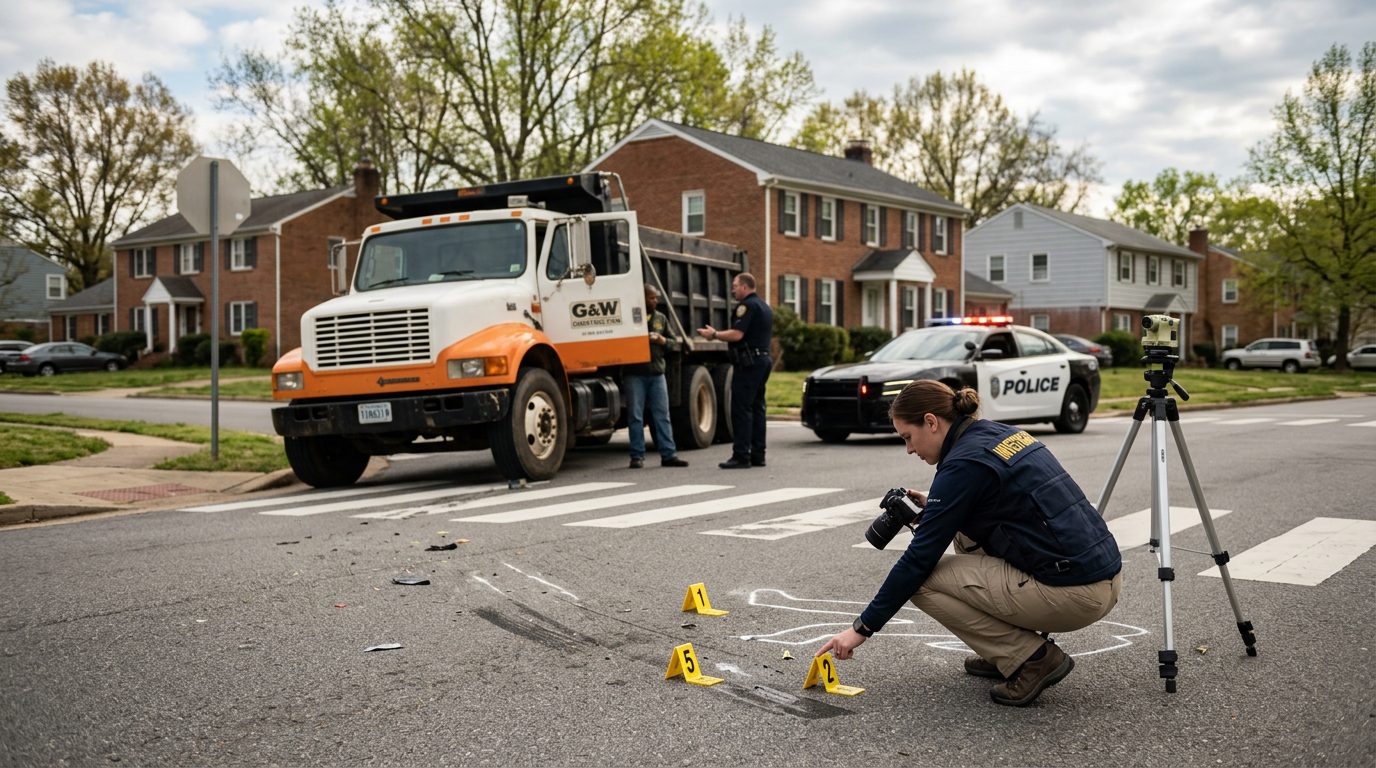
Truck Crash Injuries | Winchester, Harrisonburg and the Shenandoah Valley
Brain Injuries After a Truck Crash Can Be Hard to See at First
Symptoms may surface days later, which is why the diagnostic process often combines a physical exam, imaging and careful follow-up over time.
Published November 26, 2026
If a truck crash has left you or someone you care about with headaches, confusion or other new symptoms, you may wonder how doctors check for a brain injury. A brain injury diagnosis after a truck crash usually follows a step-by-step path. It starts with a neurological exam, moves to imaging such as a CT or MRI when needed, and includes testing and follow-up care over time.
A brain injury is not always obvious at the scene. This guide walks through each step in the order it usually happens, so you know what to expect.
Why Brain Injuries After a Truck Crash Can Be Hard to Recognize
A truck crash can injure the brain even without a direct blow to the head. The brain can move quickly inside the skull when a vehicle stops suddenly or spins, and that motion can stretch and bruise brain tissue. The Administration for Community Living states that automobile crashes can cause traumatic brain injuries. Symptoms may be mild at first, and some may not appear at the scene at all. Some people wait to see whether symptoms fade, and that wait can delay the first exam. For an overview of injuries from commercial vehicle crashes, read the commercial vehicle crash injury guide.
If a truck crash has left you or someone you love with symptoms that are hard to explain, you don't have to sort out the medical and legal questions alone, and the firm is glad to talk with you. Talk it through with Correll Law Firm — we can walk you through how a situation like yours is usually handled and what your options are.
Early Signs That Prompt a Medical Evaluation
Certain signs after any head impact mean a person needs emergency medical care right away. These include loss of consciousness, confusion or disorientation, repeated vomiting, and seizures. Other warning signs are a headache that keeps getting worse, pupils of unequal size, weakness or numbness, and slurred speech. If someone is hard to wake or is growing more confused, they need emergency care now. A person can feel fine at first and still need an evaluation after any head impact in a crash. Bring a list of current medicines, since some blood thinners can change how bleeding in the head is evaluated. Family members and coworkers sometimes notice a change before the injured person does, and their observations can be useful to the clinician. Some symptoms appear only days later. The days-after symptoms guide explains that timeline in more detail.
The Emergency Neurological Exam
The emergency neurological exam is usually the first step in checking for a brain injury. Clinicians check how alert the person is, how they respond to questions, and how well they remember and speak. They also look at eye movement, pupil response, and strength and movement in the arms and legs. Clinicians often use the Glasgow Coma Scale, a standard tool that rates responsiveness after a head injury by looking at eye opening, speech and movement. A score is one piece of the picture. It does not tell anyone how a person will recover. Clinicians also ask what the person remembers about the crash, since memory gaps can be part of the picture. The exam is often repeated, because responsiveness can change in the first hours after a crash. This exam often helps decide whether a brain scan is needed next.
CT Scans and MRI: What Each Test Can Show
A CT scan is often the first imaging test because it is fast and can show bleeding, skull fractures and swelling. Those findings can call for quick action, so emergency teams usually order this scan early. Imaging is a tool, and timing matters. A scan taken very early may miss changes that develop later. An MRI can show more subtle changes, including some diffuse axonal injuries, which are small tears in nerve fibers spread through the brain. A CT scan may not show these changes, and a normal scan does not rule out every brain injury. Doctors weigh imaging together with symptoms and exam findings, not on the scan alone.
Cognitive and Neuropsychological Testing
Neuropsychological testing measures how well a person thinks, remembers and solves problems. Trained clinicians give standardized tasks that measure attention, memory, processing speed, language and problem solving. These results show how the injury may affect everyday tasks like work, driving and school. Because thinking can change over time, the tests are often repeated to track change. A test taken days after a crash can differ from one taken weeks later, which is why clinicians record when each test was given. A person who was tired, medicated or in pain may perform less well, so clinicians note those conditions. Clinicians read the results alongside the medical history and imaging, not by themselves.
Why Mild Brain Injuries and Concussions Are Harder to Diagnose
A concussion, also called a mild traumatic brain injury, can be hard to confirm. A standard CT scan often shows nothing abnormal in a concussion. So diagnosis leans more on symptom reports, the exam, and tests that measure thinking and balance. Doctors also ask about sleep, light sensitivity and balance, since these can point to a concussion even when the scan is clear. The person’s own account matters here, because a headache, fogginess or trouble with words may be easy to dismiss. Mood and personality changes are another gap. Irritability, anxiety or depression can follow a brain injury and can be overlooked. A clinician may ask the person to describe a typical day before and after the crash, so the change is clear.
Not sure what your next step is?
Talk it through with Correll Law Firm — we can walk you through how a situation like yours is usually handled and what your options are.
Delayed Symptoms and Ongoing Medical Follow-Up
Symptoms can appear days or weeks after a crash, so follow-up care matters. Headaches, sleep changes, trouble concentrating and shifts in mood are common examples. Each new symptom is worth mentioning at the next visit, even if it seems unimportant. Follow-up visits and repeat testing help clinicians track whether symptoms are improving, staying the same, or changing. Keeping appointments matters, since a missed follow-up can leave a change in symptoms unexamined. Clinicians set the follow-up schedule based on the person’s symptoms and history. Ask the care team which symptoms to watch for at home and when to seek care again. The diagnosis may be refined as treatment continues, because the full picture of a brain injury can take time to develop.
Crash Reporting, Records and Timing
Virginia requires a driver involved in a crash with injury or death to stop and report it to police immediately (Va. Code §§ 46.2-371, 46.2-894). The two-year period is the deadline to file a lawsuit, not to report a crash. Records support an accurate diagnosis. Medical records, imaging results, test reports and a daily symptom journal give clinicians a clear history. Tell clinicians what you remember about how the injury happened, including any loss of consciousness. Keep a copy of discharge instructions and any referral letters, so the timeline stays clear. Virginia generally allows two years from the date of injury to file a personal injury lawsuit (Va. Code § 8.01-243(A)); the clock runs from the date of injury, not the date of discovery, with narrow exceptions. For a related page on spinal injuries after a truck crash, see spinal cord injuries after a truck crash.
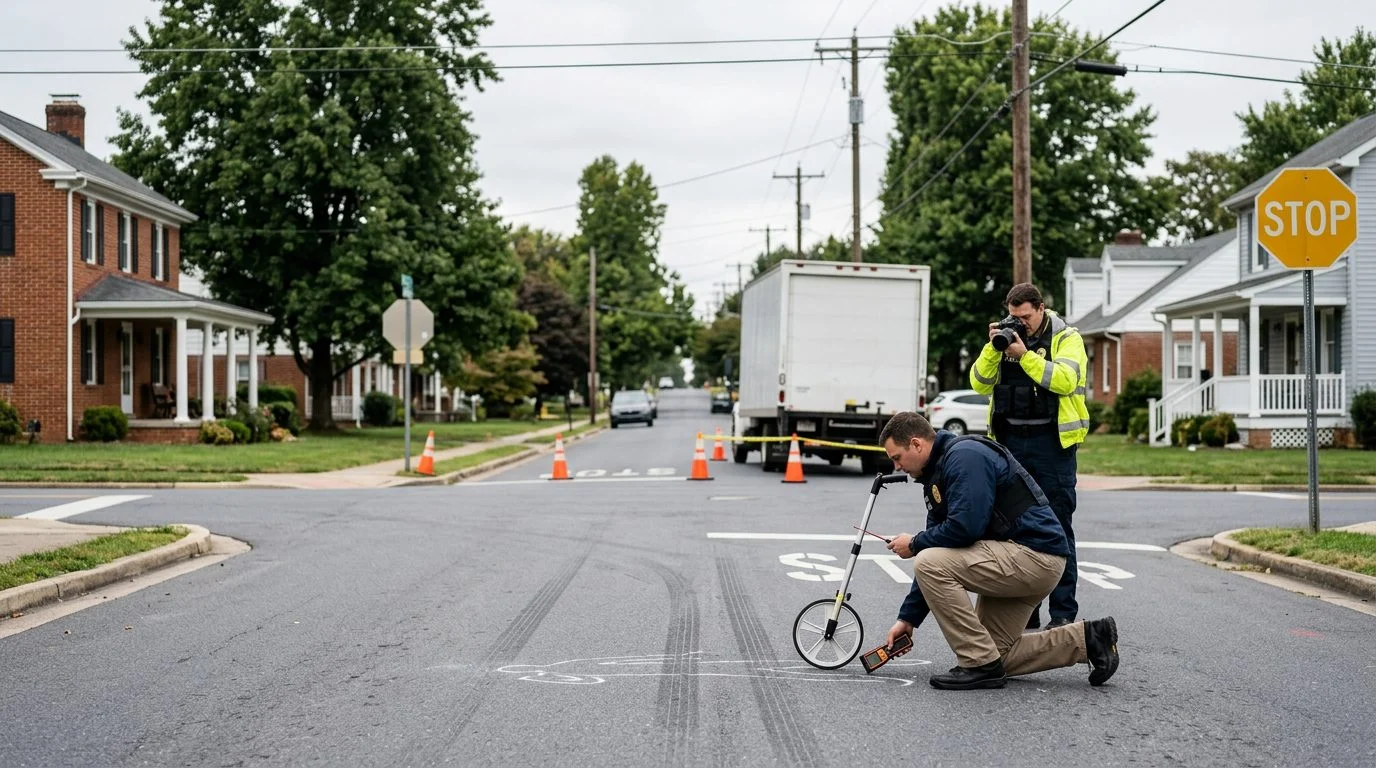
When Brain Injury Affects a Family
When a truck crash results in death, a family may need to understand the injury that caused it and the medical records that describe it. Medical records, test results and autopsy reports can all become central to questions about what happened. A Virginia wrongful death action is filed by the decedent’s personal representative within two years of the death (Va. Code §§ 8.01-50(C), 8.01-244(B)), on behalf of the family members the statute protects. Family members do not file the case themselves. They share in any recovery. The family recovery after a truck crash page covers that side of the process in more detail.
Common Questions
Can a brain injury happen without a direct blow to the head?
Yes. Sudden movement inside the skull can injure brain tissue even when the head does not strike anything.
Who decides whether a brain scan is needed?
A clinician makes that call, based on the neurological exam, the symptoms and the person’s history.
Can the diagnosis of a brain injury change over time?
Yes. The diagnosis may be refined as symptoms and test results develop.
Should every symptom be mentioned?
Yes. Clinicians rely on a full history, so describe every symptom, even ones that seem unrelated.