
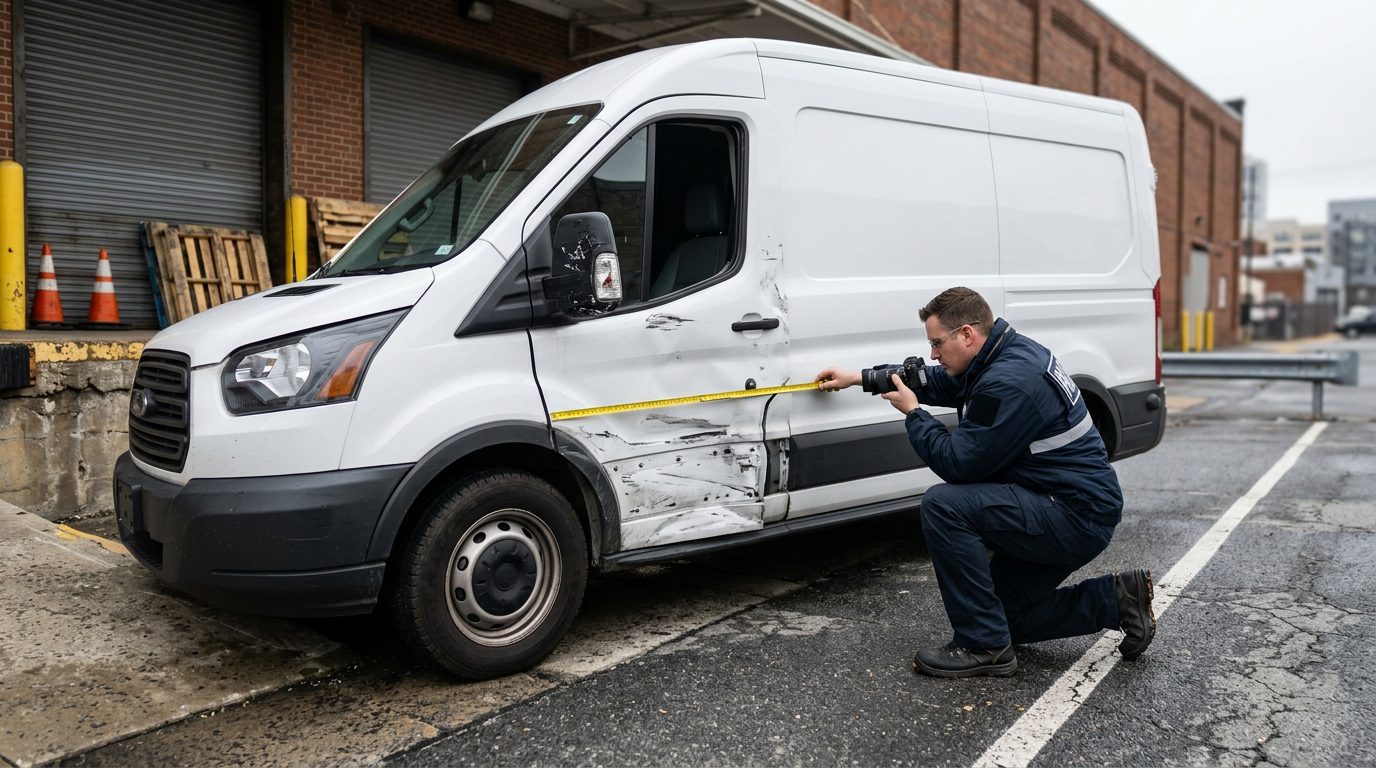
Commercial Vehicle Crashes | Virginia
Commercial Vehicle Crash Questions in Virginia
Clear answers to common questions about crashes involving trucks, delivery vans and other commercial vehicles, for people across the Shenandoah Valley, Richmond and Henrico County.
Published October 23, 2026
A commercial vehicle crash involves a truck or work vehicle used for a business. These crashes often involve more parties and more records than a crash between two passenger cars. This page answers the commercial vehicle crash questions injured people and families in Virginia ask first.
If you were hurt in one of these crashes, or you lost someone in one, the questions can pile up fast. The answers below use plain language. Where Virginia law applies, the page links to the official text.
What Counts as a Commercial Vehicle Crash in Virginia?
A commercial vehicle crash involves a vehicle used for business, not only for personal driving. Common examples include tractor-trailers and semi trucks, box trucks, delivery vans, and work vans or service vehicles. Size matters, but business use is the bigger point. A vehicle on a delivery route or a work schedule often has a company behind it. That company may employ the driver, own the vehicle, or keep records about the trip. Those records can shape what happens after a crash.
Many people are surprised that a plumbing company van or a florist’s delivery van can raise the same questions as a semi. The vehicle’s business use is what brings in the extra parties and paperwork.
A commercial vehicle crash can take several forms. It may involve a tractor-trailer and a passenger car on an interstate. It may involve two commercial vehicles at an intersection. It may involve a delivery van and a pedestrian or cyclist in a neighborhood. Each form raises its own questions about who was involved and what evidence exists.
Not sure what your next step is?
Talk it through with Correll Law Firm — we can walk you through how a situation like yours is usually handled and what your options are.

Who Can Be Involved in a Commercial Vehicle Crash?
Several people or companies can have a role in a commercial vehicle crash. The driver is the most visible. The motor carrier or employer that sent the driver out may also have a role. So may the vehicle’s owner and any leasing company that controls the vehicle. Cargo loaders, maintenance contractors, and dispatchers can also be part of the picture. The facts decide which parties matter.
Crashes can involve more than one vehicle, driver or company, so the facts of each crash matter. Several parties may hold insurance and records that bear on the claim.
Identifying every party early helps. It helps show who had a hand in the vehicle’s driving, loading, and upkeep.
How Commercial Vehicle Crashes Differ From Ordinary Car Crashes
Commercial vehicle crashes often differ because of size, weight, and handling. A loaded tractor-trailer takes longer to stop than a passenger car. Its driver may have large blind spots, and wide turns can swing the trailer into another lane. These physical facts shape how a crash happens.
The records differ too. Many commercial carriers keep electronic logs, onboard engine data, dashcam footage, driver qualification files, and maintenance records. A passenger-car driver usually does not have those materials. Federal rules govern many of them. The FMCSA hours-of-service page covers federal limits on driving time and rest for commercial drivers.
Under 49 C.F.R. § 395.3, a driver of a property-carrying commercial vehicle may not drive without first taking 10 consecutive hours off duty. The same rule caps driving at 11 hours within a 14-hour period. It also bars driving after more than 8 hours of driving time without a 30-minute break, with exceptions for some short-haul drivers. These limits can matter when a crash happens late in a long shift.
Federal and state rules can both apply. The vehicle, the cargo, and the trip all shape which rules apply.
Is Virginia a Fault State for Car Accidents?
Fault decides who may be responsible for injuries and losses after a crash. Virginia follows contributory negligence: if you are found even partly at fault, you may be barred from recovering, with limited exceptions (Contributory negligence bars recovery in Virginia; Harvey B. Hazelwood v. Lawyer Garage, LLC (2024)). Talk to a lawyer about your facts. Talk to a lawyer about your facts.
Fault is usually shown through several sources at once. The police report, witness statements, vehicle data, and physical evidence from the scene can all play a part. Photos taken soon after a crash can show where vehicles came to rest and how they were positioned.
Commercial vehicle cases often have more of this evidence than car cases. That is one reason early records requests matter. The firm’s car accident page covers fault in more depth.
Who Is at Fault in a Parking Lot Crash?
Who is at fault in a parking lot crash turns on how the vehicles moved. The lot itself does not decide responsibility. Parking lots can bring delivery trucks, work vans, and loading areas together in small spaces with heavy foot traffic.
People reviewing these crashes often look at a few things. They include backing movements, speed in the lanes, right-of-way at lane crossings, signals in loading zones, and whether a spotter guided the backing vehicle. Each factor shows how the crash unfolded. None of them settles the question alone.
A parking lot crash can still cause serious injuries, even at low speed. The same records questions apply. Those include the driver’s account, the company’s records, and any video from the lot. Those items are easier to preserve when they are requested early.
What Should Happen Right After a Commercial Vehicle Crash?
Right after a crash, check everyone for injuries first. Call 911 if anyone is hurt. If it is safe, move vehicles and people out of active traffic. Staying in a travel lane adds danger.
Virginia requires a driver involved in a crash with injury or death to stop and report it to police immediately (Va. Code §§ 46.2-371, 46.2-894). That duty is separate from the lawsuit deadline. The two-year period discussed later is the deadline to file a lawsuit, not the deadline to report a crash (Va. Code § 8.01-243).
Exchange names, addresses, driver’s license numbers, and vehicle registration numbers with the other driver. Take photos of vehicle positions, damage, skid marks, road signs, and lighting. Note the company name and any DOT number shown on the commercial vehicle. Write down witness names and what each person said while memory is fresh.
Not sure what your next step is?
Talk it through with Correll Law Firm — we can walk you through how a situation like yours is usually handled and what your options are.
What Evidence Matters in a Commercial Vehicle Crash Claim?
The most useful evidence often sits with the carrier. Key categories include the police report, electronic logging and engine data, dashcam or vehicle camera footage, driver qualification and training files, inspection and maintenance records, and cargo or shipping records.
Some records are kept only for set periods. Under 49 C.F.R. § 391.51, a motor carrier keeps a driver qualification file for as long as the driver works for it, and for three years afterward, except for records that may be removed under paragraph (d). Under 49 C.F.R. § 396.3, maintenance records are kept for 1 year where the vehicle is housed or maintained, and for 6 months after the vehicle leaves the carrier’s control.
Asking early helps.
Medical records tie injuries to the crash. Treatment history, imaging, and provider notes help connect symptoms to the event. The firm’s pages on the medical-legal link cover this in more depth. Accident reconstruction professionals or medical professionals may review the evidence. What they provide varies with the case.
Catastrophic Injuries, Brain Injuries, and Spinal Cord Injuries From Commercial Crashes
Catastrophic injuries are injuries that can cause long-term loss of function. Traumatic brain injury and spinal cord injury are two common examples after a large vehicle crash. Both can change a person’s daily life and work.
A brain injury can affect memory, thinking, mood, and balance. Some signs may not show right away. Symptoms can take time to appear or change, so follow-up medical care matters. Keep a record of every appointment and every new symptom, even small ones.
A spinal cord injury can affect movement and sensation. Some people need long-term medical care, equipment, and rehabilitation. The needs vary with where the injury is and how severe it is.
Injuries like these raise questions about future care and daily help. The firm’s pages on catastrophic injuries, traumatic brain injury, and spinal cord injury cover those questions in more detail.
Wrongful Death in a Commercial Vehicle Crash
A wrongful death case follows a death caused by another’s wrongful act. A Virginia wrongful death action is filed by the decedent’s personal representative within two years of the death (Va. Code §§ 8.01-50(C), 8.01-244(B)), on behalf of the family members the statute protects.
Damages go to the beneficiaries the statute names, beginning with the surviving spouse and the children of the deceased (Va. Code § 8.01-53).
Virginia wrongful death damages cover the family’s sorrow, mental anguish and loss of the decedent’s companionship, guidance and care; lost income and services; medical expenses from the injury; funeral expenses; and, for willful or wanton conduct, punitive damages (Va. Code § 8.01-52).
Virginia allows punitive damages for actual malice, or for willful or wanton conduct or recklessness showing a conscious disregard for the safety of others, capped at $350,000 (Va. Code § 8.01-38.1). The cap is set out in Va. Code § 8.01-38.1.
How Long Do Injured People and Families Have to File?
Virginia generally allows two years from the date of injury to file a personal injury lawsuit (Va. Code § 8.01-243(A)); the clock runs from the date of injury, not the date of discovery, with narrow exceptions. The statute is at Va. Code § 8.01-243.
Some claims carry notice requirements that run out sooner.
The timing questions depend on the facts, including who the claim is against and the type of claim. Many people wait while they focus on medical care. The clock keeps running during that time.
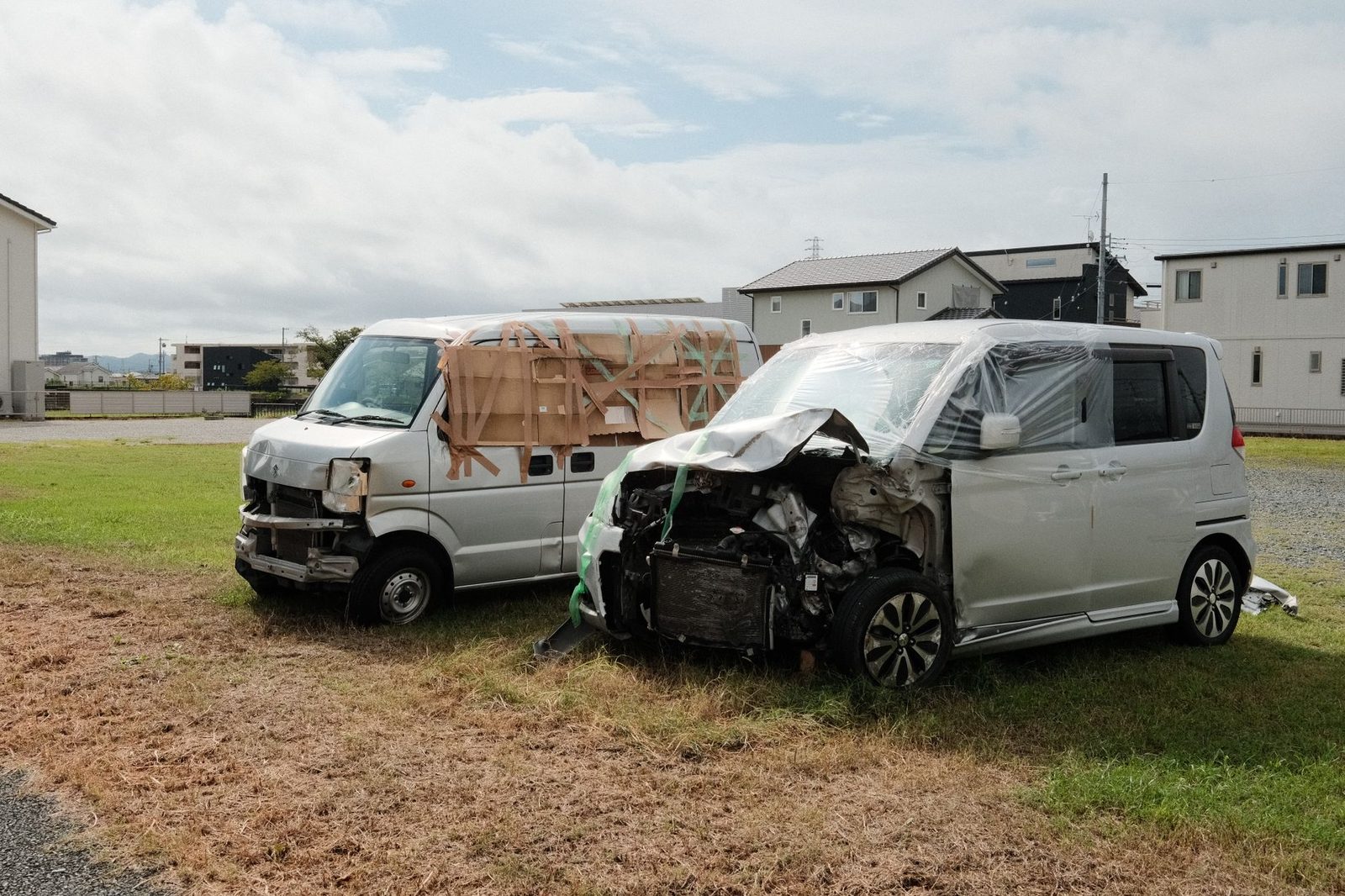
Where the Firm Handles Commercial Vehicle Crash Cases in Virginia
Correll Law Firm has offices in Winchester and Harrisonburg. The firm serves people from Richmond, Henrico County, and the Shenandoah Valley, and it handles cases across Virginia.
The firm handles car accidents, truck accidents, commercial vehicle accidents, catastrophic injuries, traumatic brain injury, spinal cord injury, and wrongful death. The firm’s pages for each area cover those matters in more detail.
Common questions
Is a delivery van crash handled differently from a semi crash?
Not always. Business use and carrier records can matter in either one.
Can more than one company be responsible?
Possibly.
Do federal trucking rules apply to every commercial vehicle?
Not always. Federal rules may apply alongside state rules, depending on the vehicle, cargo, and trip.