
Truck Accidents | Virginia
Reading the DOT Number on a Commercial Truck After a Crash
The number painted on a truck's door can lead to the carrier's safety records. Here is what it can tell you, and what it cannot.
Published November 20, 2026
After a crash with a large truck, you may have noticed a number painted on the door or cab. The number printed on the side of a commercial truck is a USDOT number.
A USDOT number identifies the motor carrier registered to operate the truck. It links the truck to that company’s federal safety records. It does not, by itself, show who caused the crash.
What a DOT Number Is
A DOT number is an identifier that the Federal Motor Carrier Safety Administration (FMCSA) issues to a motor carrier. The number identifies the company registered to run the vehicle, not the individual driver. Drivers change jobs, and different drivers may run the same truck over time. The carrier’s number stays with the carrier.
Some companies also hold a separate operating-authority number. That number is not the same as the USDOT number, so the two should not be treated as interchangeable. FMCSA’s USDOT number guidance explains which carriers must obtain a USDOT number and why. Knowing the difference helps you read the records correctly later, because a search on one number may not show everything tied to the other.
Not sure what your next step is?
Talk it through with Correll Law Firm — we can walk you through how a situation like yours is usually handled and what your options are.
Where the Number Appears on a Truck
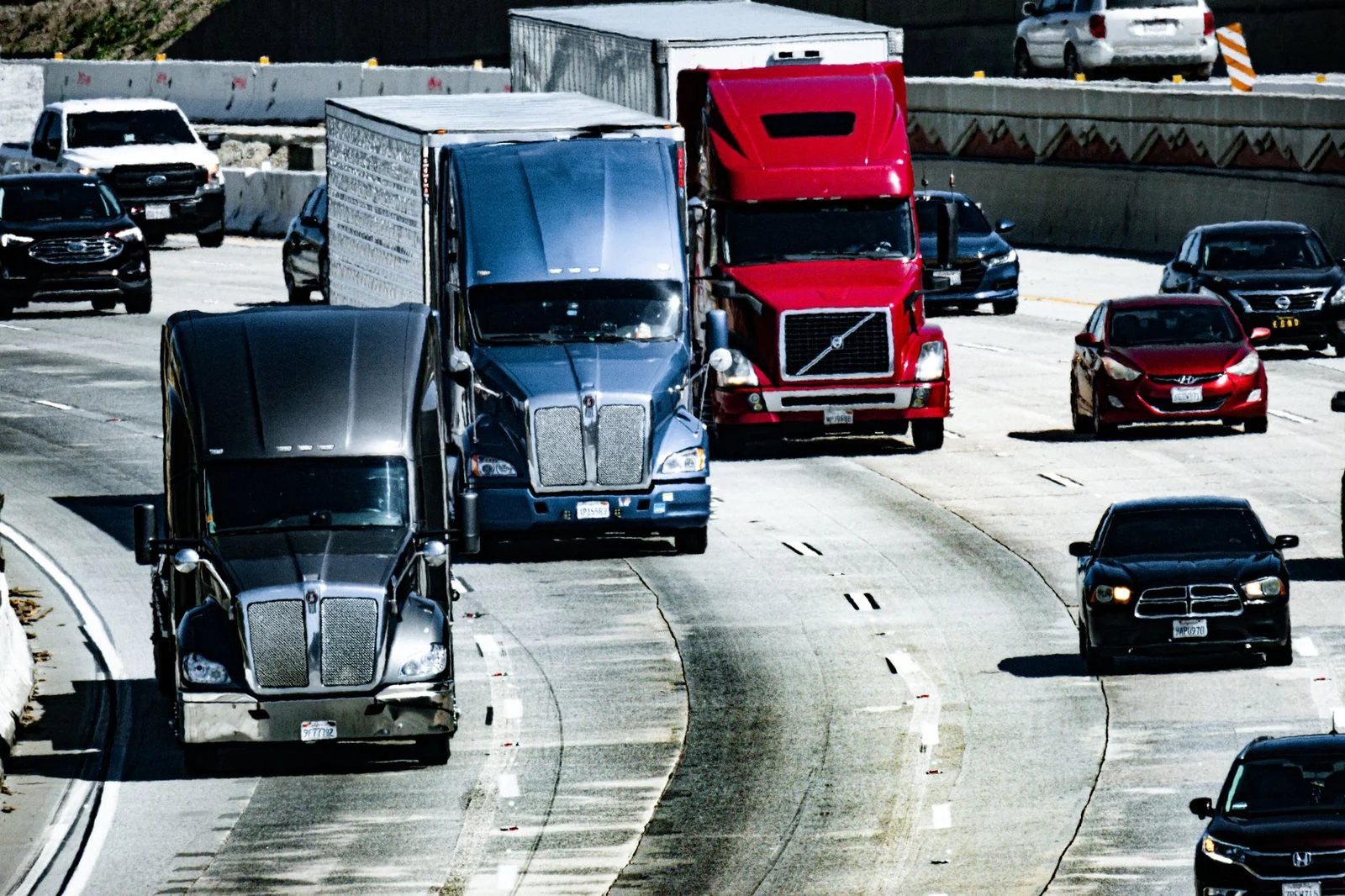
Federal rules require every self-propelled commercial motor vehicle subject to this subchapter to display the USDOT number. The marking must show the letters “USDOT” before the number, along with the carrier’s legal name or a single trade name, as described in 49 CFR 390.21T.
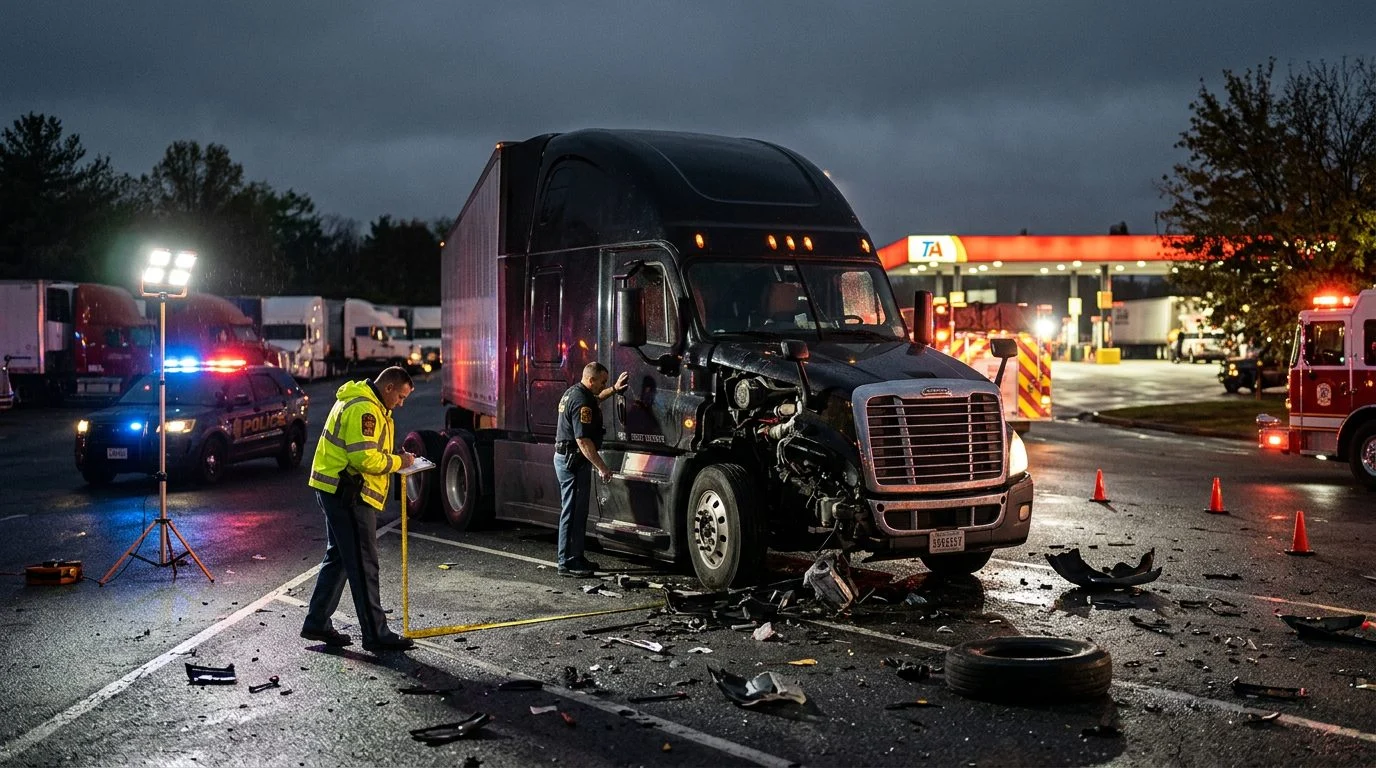
At the scene, write down the number, the company name and any city or state shown. Clear photos of the markings on the cab help too. A photo of the license plate and the overall scene can help match the crash to the right company later.
Rented or leased trucks can carry different markings. Record what you can see, even if it looks incomplete.
What the Number Can Connect You To After a Crash
The number connects the truck to a registered carrier and to that carrier’s federal safety records. FMCSA’s Safety Measurement System overview shows how a USDOT number ties to a registered carrier, its listed address and its fleet information. The same overview states that crash records show a carrier’s involvement in a crash. They do not show fault, and they do not show that the carrier owned a particular truck.
Federal law also looks at a carrier’s accident record and safety inspection record. Under 49 U.S.C. § 31144, the Secretary of Transportation uses those records when deciding whether an owner or operator is fit to operate safely.
Treat a carrier’s safety history as a place to start asking questions. It is not a finding about the crash in front of you. Linking a carrier’s records to that standard takes evidence gathered after the crash.
Which Crashes Carriers Must Record
Carriers subject to federal rules must keep an accident register for three years after each accident. 49 CFR 390.15 requires motor carriers to maintain an accident register for 3 years after each accident.
The carrier must also keep copies of accident reports that state or other government entities or insurers require. The same rule requires the carrier to make all records and information pertaining to an accident available to an authorized representative of FMCSA, an authorized state or local enforcement agency representative, or an authorized third-party representative within the time the request or investigation specifies. The carrier must also give reasonable help with the investigation.
The federal rules define “crash” by reference to “accident,” so the exact meaning comes from the definitions in 49 CFR 390.5T.
Here is the practical point. A crash can appear in company records even if you never see a police report about it. Your photos and notes of the markings help connect the crash to the right company.
Reporting a Crash Is Different From Filing a Lawsuit
Reporting a crash and filing a lawsuit are separate steps with separate timing. Virginia requires a driver involved in a crash with injury or death to stop and report it to police immediately (Va. Code §§ 46.2-371, 46.2-894). The driver-notice rule is in Va. Code § 46.2-371.
Virginia generally allows two years from the date of injury to file a personal injury lawsuit (Va. Code § 8.01-243(A)); the clock runs from the date of injury, not the date of discovery, with narrow exceptions. The statute is Va. Code § 8.01-243.
Some claims carry notice requirements that run out sooner than the filing period. Because of that, the timing of records and notices matters early on.
When the Truck Is Leased or the Carrier Is Not the Driver’s Employer
A DOT number on the cab may belong to a different company than the one that employs the driver or owns the truck. Leasing arrangements often explain why.
When a federal lease applies, it must spell out several things. Federal law also calls for the written arrangement to identify which party handles putting the cargo onto the truck and taking it off (49 U.S.C. § 14102(b)). Under the federal lease rules, the written agreement must set out the authorized carrier’s legal duty to keep insurance coverage in force, as required under FMCSA rules tied to 49 U.S.C. 13906 (49 CFR 376.12).
Federal law also addresses arrangements for vehicles the carrier does not own. Under 49 U.S.C. § 14102, federal rules may require such an arrangement to be made in writing, signed by the parties, specifying its duration and the compensation to be paid by the motor carrier, with a copy carried in each vehicle. The leased truck responsibility page covers how these arrangements are reviewed: leased commercial truck crash responsibility.
Keep any paperwork, photos or messages that show which company operated the vehicle at the time of the crash. Those items can matter as much as the number itself.
Not sure what your next step is?
Talk it through with Correll Law Firm — we can walk you through how a situation like yours is usually handled and what your options are.

Related Commercial Vehicle Topics
The commercial vehicle accident guide covers truck, bus and other commercial vehicle crash questions in Virginia. It is a useful starting point for the wider picture.
For crashes involving a bus or passenger vehicle, the commercial bus crash page covers those vehicles. The same marking and records points may apply.
In short, a DOT number identifies the carrier and links the truck to federal safety records. It does not, by itself, show who was at fault.
Frequently Asked Questions
What is the difference between a DOT number and an MC number?
A DOT number identifies a motor carrier for safety oversight. An MC number is a separate operating-authority number, so the two can point to different records.
What should I photograph after a truck crash?
Photograph the markings on the cab, the company name, the license plate and the overall scene. Those photos help match the crash to the right company later.