
Commercial Vehicle Crashes | Winchester and Harrisonburg, Virginia
Amputation After a Commercial Vehicle Crash: Understanding Your Family's Next Steps
Correll Law Firm represents injured people and families across the Shenandoah Valley, Richmond and Henrico County after serious truck and commercial vehicle crashes.
Published November 17, 2026
Learning that a loved one has lost a limb is frightening, and the questions come fast. This guide explains how amputation after a commercial vehicle crash in Virginia can happen and what families often need to organize early. For families in the Shenandoah Valley, Harrisonburg, Richmond and Henrico County, the same Virginia rules apply.
Can You Lose a Leg in a Car Accident?
Yes, a leg can be lost in a car accident when the limb is crushed, torn or badly damaged. Amputation can happen at the scene, during emergency surgery, or later, when complications develop. Crashes with large commercial vehicles can add heavy crush forces and underride impacts. Not every serious limb injury ends the same way. Treating physicians weigh blood supply, nerve damage, infection and tissue loss before deciding whether amputation is needed. That decision is a medical one, made by the people caring for the injured person. Families often hear these terms for the first time in a hospital, when they are least able to take notes. This page covers both the medical path and the legal path.
Not sure what your next step is?
Talk it through with Correll Law Firm — we can walk you through how a situation like yours is usually handled and what your options are.
How Commercial Vehicle Crashes Can Cause Amputation
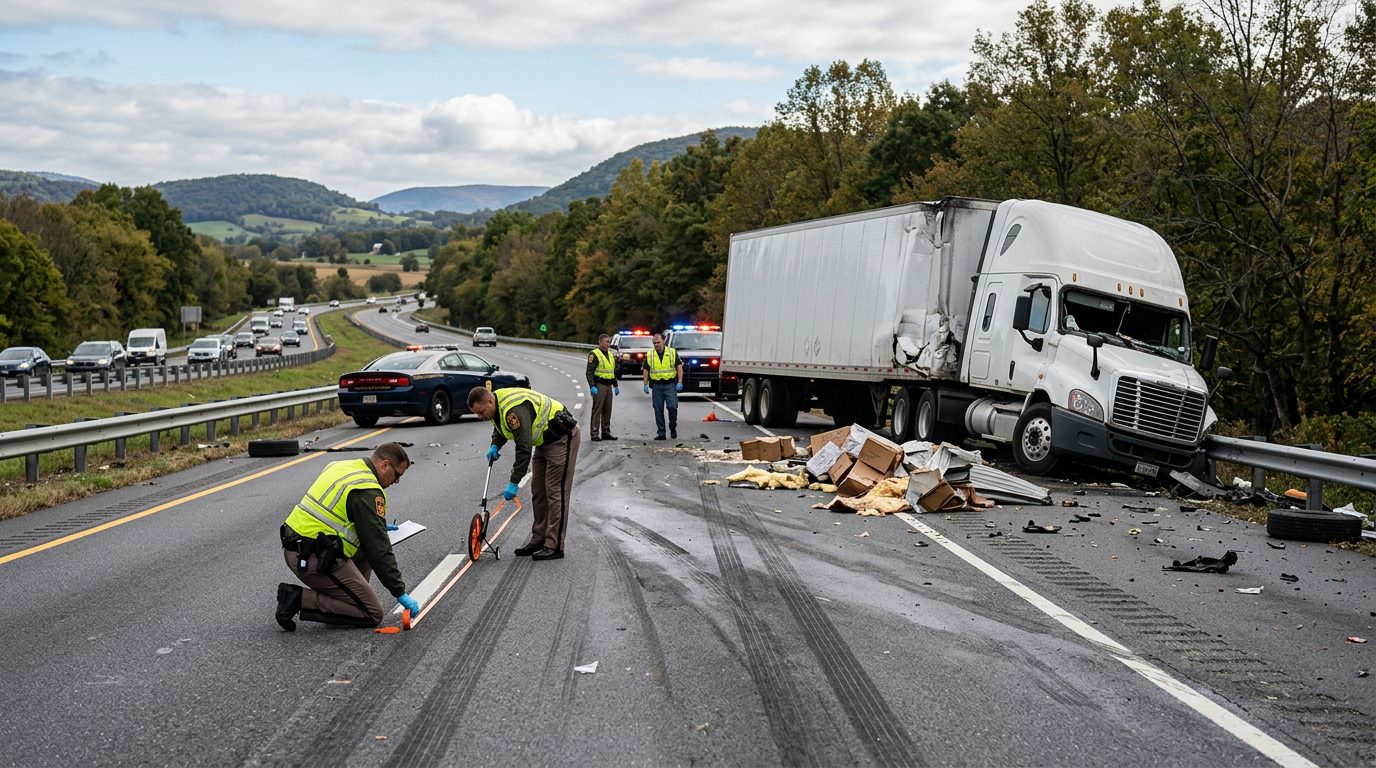
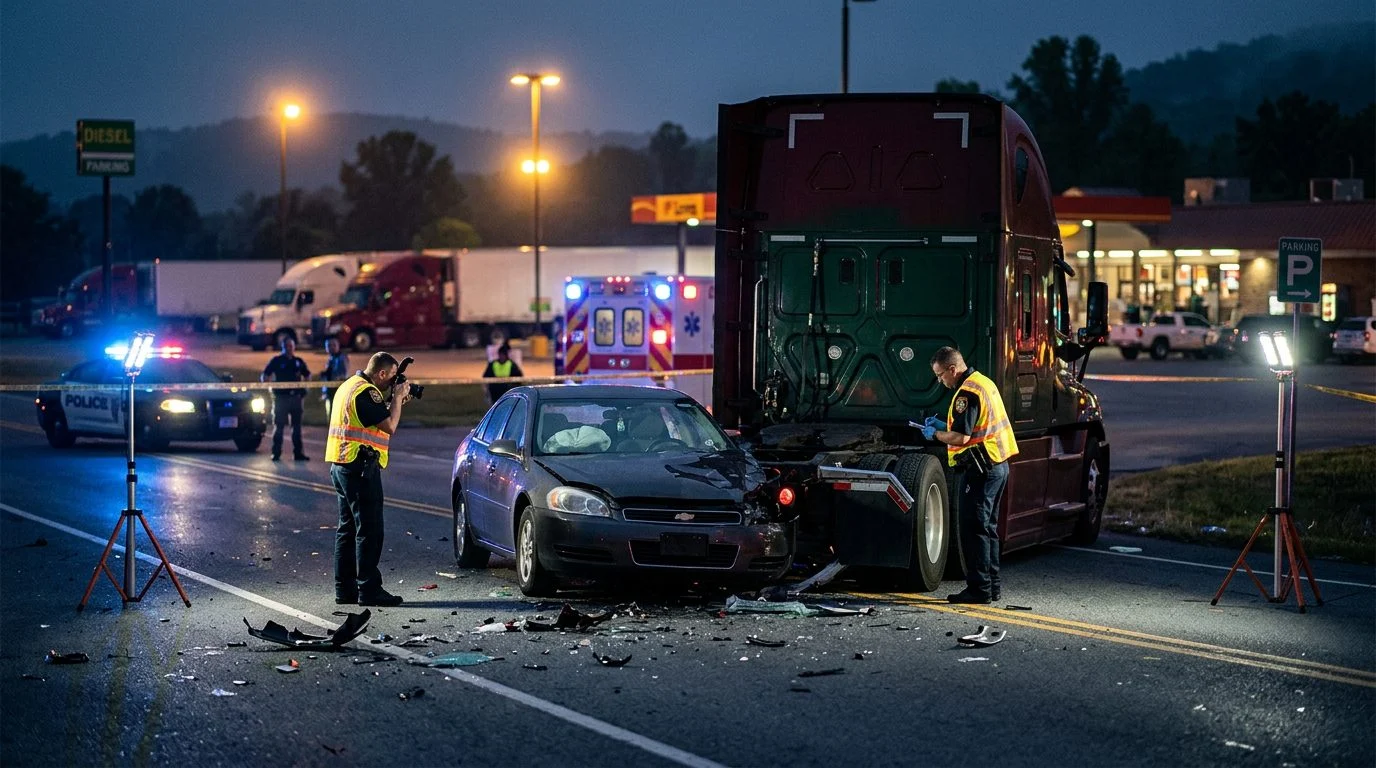
Commercial vehicle crashes can crush, trap or tear a limb. A truck or bus is very heavy, and a leg can be pinned between the vehicle and a guardrail, a wall or another vehicle. Heavy trailers can also crush a limb during a rollover or a shift in the load. In an underride crash, a smaller vehicle slides under the back or side of a trailer, and the force can strike the occupant’s legs and lower body directly. Side-impact crashes with a large vehicle can cause similar injuries. Motorcyclists and pedestrians face more exposure, because they have little protection between their bodies and a large vehicle. Each crash is different, and the pattern of injury depends on the vehicles involved and where each person was positioned at impact.
Medical Records and Decisions That Matter Early
Careful medical records are one of the first steps families can take after an amputation. Recovery often includes emergency surgery, possible revision surgeries to shape the remaining limb, rehabilitation, and later prosthetic fittings and adjustments. Each stage creates records that matter later. Families can keep a written log of appointments, medications, therapy sessions and new symptoms, with dates. Ask providers for copies of imaging, operative notes and discharge summaries as they become available. A treating provider’s written explanation of the injury and its expected course can help show the full picture over time. Prosthetic needs can change as the body heals, so updated notes are important.
Reporting the Crash in Virginia
Virginia requires a driver involved in a crash with injury or death to stop and report it to police immediately (Va. Code §§ 46.2-371, 46.2-894). The two-year period discussed below is the deadline to file a lawsuit, not a deadline to report a crash. Families can help by keeping the police report number, the names and contact details of witnesses, and photos of the scene and vehicles, if available. A police report records where and how the crash happened, but its details may need to be checked against other records.
Who May Be Involved in a Commercial Vehicle Crash
More than one person or company can be connected to a commercial vehicle crash. That may include the driver, the motor carrier that employs the driver, the vehicle owner, and others tied to maintenance or cargo loading. Driver records are often central to what happened. Federal rules require motor carriers to have each driver record duty status for each 24-hour period, and no driver or carrier may make a false report about that status (49 C.F.R. § 395.8). Federal hours-of-service limits on driving time and rest also apply to these drivers (FMCSA hours of service).
Fault, Deadlines and Notice Requirements
Virginia generally allows two years from the date of injury to file a personal injury lawsuit (Va. Code § 8.01-243(A)); the clock runs from the date of injury, not the date of discovery, with narrow exceptions. Some claims carry notice requirements that run out sooner. For example, a negligence claim against a county, city or town is barred unless a written statement of the claim, including the time and place of the injury, is filed within six months after it accrues, unless the locality’s attorney, chief executive or mayor, or its insurer, had actual knowledge of the claim within that time; if the claimant was under a disability when the claim accrued, the tolling rules of § 8.01-229 apply (Va. Code § 15.2-209).” Virginia follows contributory negligence: if you are found even partly at fault, you may be barred from recovering, with limited exceptions. Talk to a lawyer about your facts. Whether a fault rule changes the outcome depends on the facts. The reader may wish to act promptly on each of these dates.
Not sure what your next step is?
Talk it through with Correll Law Firm — we can walk you through how a situation like yours is usually handled and what your options are.
When a Crash Results in Death: Wrongful Death Basics
Family members do not file a Virginia wrongful death claim themselves. They share in any recovery. A Virginia wrongful death action is filed by the decedent’s personal representative within two years of the death (Va. Code §§ 8.01-50(C), 8.01-244(B)), on behalf of the family members the statute protects. Who shares in the award is set by statute. Under Va. Code § 8.01-53, a surviving spouse and children are among those who may share, and other relatives may qualify in certain situations. Virginia wrongful death damages cover the family’s sorrow, mental anguish and loss of the decedent’s companionship, guidance and care; lost income and services; medical expenses from the injury; funeral expenses; and, for willful or wanton conduct, punitive damages (Va. Code § 8.01-52).
Punitive Damages and Willful or Wanton Conduct
Virginia allows punitive damages for actual malice, or for willful or wanton conduct or recklessness showing a conscious disregard for the safety of others, capped at $350,000 (Va. Code § 8.01-38.1).

Organizing Information for a Family Facing Amputation
A single folder can keep the early facts in order. Useful items include a medical timeline, the names of treating providers, the crash report number, insurance information, employer and wage records, and a written list of changes in daily life. Keep the folder on paper or digitally, so records can be reviewed later without delay. Notes about daily tasks, such as driving, work or caring for children, show how the injury changes life over time. With this checklist, the family can gather the facts in one place before speaking with anyone about the crash.