
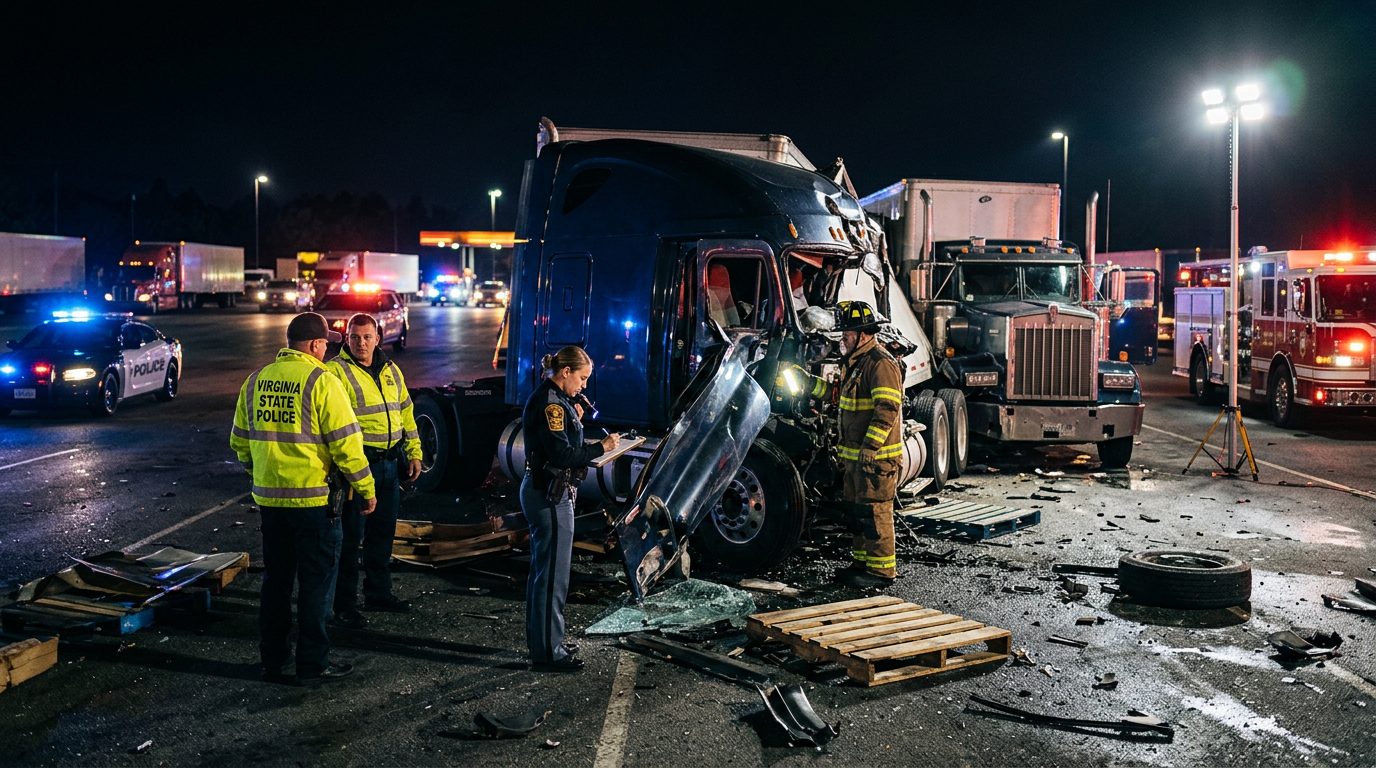
Truck Accidents | Winchester, Virginia
Suing the Trucking Company After a Virginia Truck Crash
A truck crash can involve more than one company. Here is how the firm looks at who may be responsible under Virginia law.
Published November 2, 2026
You may be able to sue the trucking company after a truck crash in Virginia, not just the driver. Whether you can depends on the facts of the crash and on Virginia law.
If someone you love was hurt or killed, the weeks after a crash can feel overwhelming. This page explains who may be involved, what to record now, and which deadlines may apply.
The short answer: a truck crash can involve more than the driver
A truck crash can involve more than the driver. The driver, the company that employed the driver, the owner of the truck or trailer, and a party that loaded the cargo may each have a role. Each role depends on the facts.
The names on the truck door do not settle the question by themselves. Trucks are sometimes leased or driven under contract arrangements. The company on the paperwork may not be the company that controlled the truck on the day of the crash.
The firm’s commercial vehicle accidents guide explains how these claims fit together. Use it as background, because every crash turns on its own facts.
Not sure what your next step is?
Talk it through with Correll Law Firm — we can walk you through how a situation like yours is usually handled and what your options are.
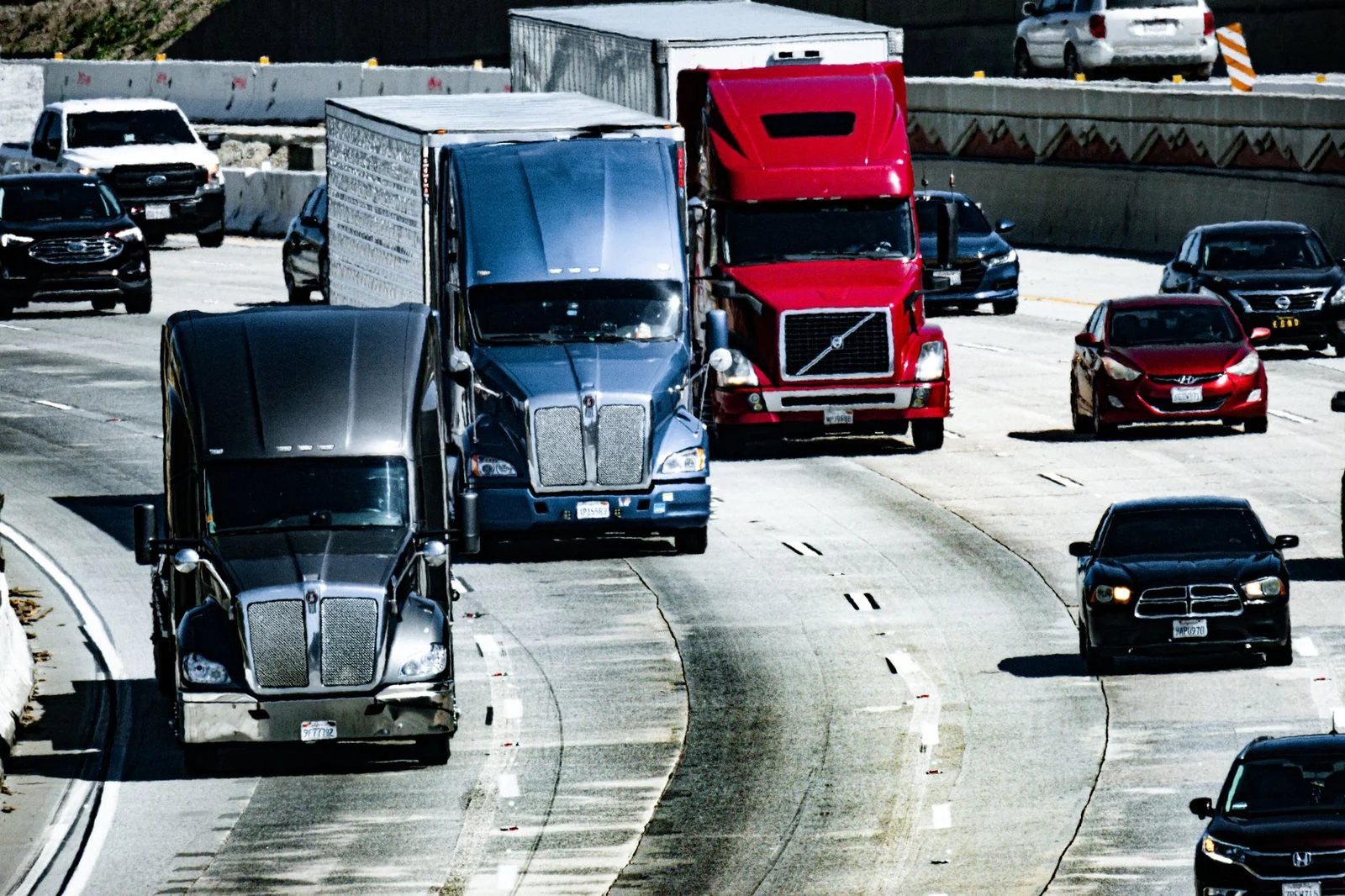
Who may be involved in a commercial truck crash
Several parties can have a role in one truck crash. Knowing the terms helps you read the paperwork.
The driver operates the truck. The motor carrier is the company that employs or dispatches the driver. The owner holds title to the truck or trailer, and that can be a different company. The shipper or loader prepares the freight, and how the cargo was loaded and secured can matter.
Cargo has its own federal rules. Each commercial motor vehicle must, when transporting cargo on public roads, be loaded and equipped so the cargo stays secured and cannot leak, spill, blow or fall from the truck (49 C.F.R. § 393.100). Leases can also split responsibilities. A written lease between a carrier and an equipment owner must clearly say who pays for items such as fuel, tolls and detention, and who loads and unloads the freight (49 C.F.R. § 376.12). That document can show who held responsibility at the time of the crash.
Note who employed the driver, who owned the equipment, who loaded the cargo and when, and what paperwork ties them together. A bill of lading or a lease can be useful here.
When fault is shared
Fault is often the central dispute in a truck crash. Virginia’s rule on partial fault is stated this way:
Virginia follows contributory negligence: if you are found even partly at fault, you may be barred from recovering, with limited exceptions. Talk to a lawyer about your facts.
Fault and cause overlap but are not the same question.
In a truck crash, the load, the equipment, the driver’s conduct and the company’s decisions can each be examined. Records about the cargo, the driver’s schedule and the truck’s condition can help show what happened.
Reporting the crash and keeping the records
The duty to report a crash starts right away. Virginia requires a driver involved in a crash with injury or death to stop and report it to police immediately (Va. Code §§ 46.2-371, 46.2-894).
The reporting duty is a separate rule from the deadline to file a lawsuit, which the next section covers. Records help identify the parties, so gather them early. Request the police crash report. Photograph the truck’s markings, license plates and trailer if you can do so safely. Write down the driver’s name and the carrier’s name from any paperwork you see. Keep witness names and how to reach them. Save the bill of lading or delivery papers and your medical records. Write down what you remember while it is still fresh.
Filing deadlines for a Virginia truck crash claim
Virginia generally allows two years from the date of injury to file a personal injury lawsuit (Va. Code § 8.01-243(A)); the clock runs from the date of injury, not the date of discovery, with narrow exceptions.
Some claims carry notice requirements that run out sooner. The full two years may not apply to every claim, so the dates should be checked against the facts of each crash.
Wrongful death has its own timing. A Virginia wrongful death action is filed by the decedent’s personal representative within two years of the death (Va. Code §§ 8.01-50(C), 8.01-244(B)), on behalf of the family members the statute protects.
Wrongful death and punitive damages in a truck crash
Virginia wrongful death damages cover the family’s sorrow, mental anguish and loss of the decedent’s companionship, guidance and care; lost income and services; medical expenses from the injury; funeral expenses; and, for willful or wanton conduct, punitive damages (Va. Code § 8.01-52).
Punitive damages follow a separate standard. Virginia allows punitive damages for actual malice, or for willful or wanton conduct or recklessness showing a conscious disregard for the safety of others, capped at $350,000 (Va. Code § 8.01-38.1).
Not sure what your next step is?
Talk it through with Correll Law Firm — we can walk you through how a situation like yours is usually handled and what your options are.

Questions that shape a truck crash claim
The answers to a few basic questions often decide which parties a claim can name. Who employed the driver? Who owned the truck and trailer? Who loaded the cargo, and when? Which records exist, and was the crash reported to police? What were the dates of the injury or death?
Those answers help show whether a company’s role in the crash can support a claim against it. That depends on the facts and on Virginia law. Readers in Richmond, Henrico County and Winchester can review the local guide pages for these same questions.
Quick answers
Can you sue the trucking company after a truck crash in Virginia?
You may be able to, depending on the facts of the crash and on Virginia law. The company’s role in the crash is a key question.
Can more than one company be sued for the same crash?
Yes.